REVIEW · SAPA
Vietnamese Spring Rolls Cooking Class
Book on Viator →Operated by SAIGONESE TREKKING HOUSE · Bookable on Viator
Crunchy spring rolls in Sapa.
This hands-on class turns Vietnamese comfort food into something you can actually make, step by step. I love the hands-on rolling practice, and I also like the family-style finish where you sit down with what you cooked. The focus on fresh herbs, noodles, mushrooms, vegetables, and a traditional dipping sauce makes the whole thing feel practical, not just performative.
One thing to consider: you’ll be working with hot frying oil and delicate rice paper, so it’s not the right choice if you want zero mess or zero kitchen time.
In This Review
- Key Highlights You’ll Care About
- Sapa’s Spring Roll Class at Saigonese Trekking House: Value for $25
- Where You Meet and What the Start Feels Like
- Ingredient Prep: Fresh Herbs, Vegetables, Noodles, and Mushrooms
- Rolling Rice Paper: The Technique That Makes or Breaks It
- Frying Until Golden and Crunchy: Heat Control in Real Time
- The Traditional Dipping Sauce: How the Flavor Works
- Dinner, Family-Style, and What You’ll Take Home
- Price, Timing, and Group Discounts: How to Get the Best Deal
- Weather Matters in Sapa
- Who Should Book This Spring Roll Cooking Class
- Should You Book This Vietnamese Spring Rolls Class in Sapa?
- FAQ
- Where does the Vietnamese Spring Rolls cooking class start?
- How long is the cooking class?
- What is included in the price?
- Is tips included?
- How many people are in the class?
- What will I learn to cook?
- What goes into the spring roll filling?
- Will I eat the food I make?
- Do I get a recipe to take home?
- What if the weather is bad?
Key Highlights You’ll Care About
- Crispy target, not just cooking: you learn how to fry until golden and crunchy
- Fresh, local fillings: noodles, mushrooms, and vegetables plus herbs and spices
- Rice-paper rolling practice: you get coached on the actual technique, not just watching
- Traditional dipping sauce: you build the flavor balance that Vietnamese cooks aim for
- Small class size: maximum 10 travelers, so you get real guidance
- Take-home recipe: you leave with a simple, authentic version you can recreate anywhere
Sapa’s Spring Roll Class at Saigonese Trekking House: Value for $25
For $25 per person, you’re not just paying for a meal. You’re paying for instruction, hands-on time, and a dinner you personally make. That’s usually where cooking classes win. In a short session, you go from ingredients on the table to a plate of crispy spring rolls that actually tastes like the real thing.
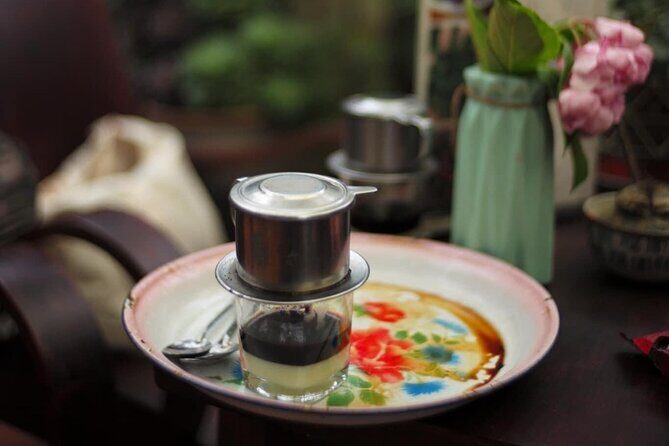
This class runs about 2 hours. That’s long enough to learn the workflow (prep, roll, fry), but short enough that it doesn’t eat your whole day in Sapa. You also get a welcome drink (coffee and/or tea) and dinner included, which matters because you’d likely spend that elsewhere anyway.
The group size caps at 10 travelers, which is a big deal in a kitchen. In larger groups, you often become an observer. Here, you’ll have chances to do the rolling and get feedback so your rolls come out right.
You can also read our reviews of more cooking classes in Sapa
Where You Meet and What the Start Feels Like
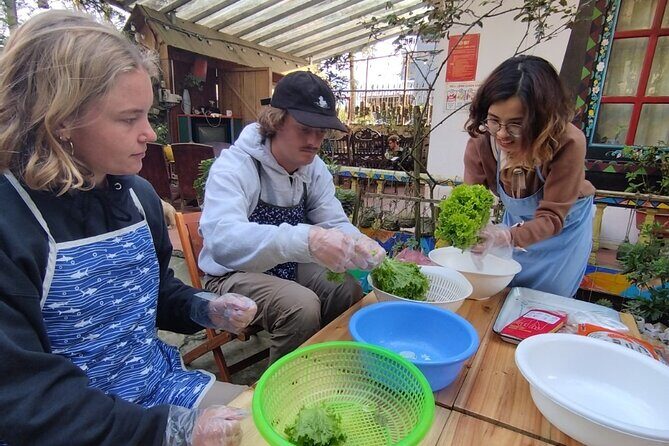
You’ll meet at Saigonese Trekking House, 02 Nguyễn Chí Thanh, TT. Sa Pa, Sa Pa, Lào Cai, Vietnam. It ends back at the same meeting point, so you don’t have to hunt for your next plan afterward. The location is also described as near public transportation, which helps if you’re staying outside the very center.
When the class begins, expect a quick settle-in and a welcome drink. That first sip of coffee or tea is more than a courtesy. It gives you a calm start before you touch ingredients and start rolling.
Then you’ll get a guided introduction to what you’re working with—fresh herbs and vegetables, local spices, and the overall idea of the dish. This matters because spring rolls aren’t just about stuffing something inside rice paper. Vietnamese cooking is about getting flavors and textures to balance: fresh herbs against warm filling, soft rice paper against crisp fried shell, and the dipping sauce tying it together.
Ingredient Prep: Fresh Herbs, Vegetables, Noodles, and Mushrooms
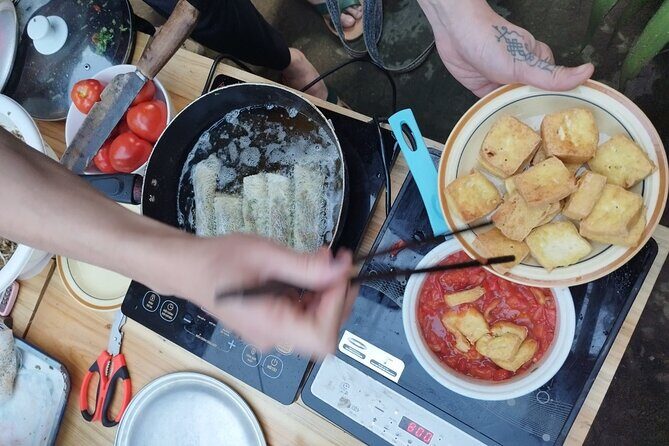
Before you start rolling, you’ll spend time on the ingredient side. You’ll be introduced to essentials like herbs and vegetables and how they contribute to the flavor. In spring rolls, that freshness is key. It’s the difference between a heavy, fried snack and that lighter, comforting Vietnamese feel.
The filling you’ll work with is described as including noodles, mushrooms, and vegetables. That combination gives you a good texture mix: mushrooms bring a savory depth, vegetables add chew and freshness, and noodles make each bite feel satisfying rather than just crunchy.
You’ll also learn about the local spices used in Vietnamese cooking. Even if you’ve cooked before, this kind of short “why this ingredient matters” briefing helps you cook with intention. You’ll understand what you’re tasting while you work, instead of following steps blindly.
One practical tip for you: if you’re sensitive to spice, pay attention during the spice introduction. You’ll have a chance to ask questions while the chef is walking you through how flavors are balanced.
Rolling Rice Paper: The Technique That Makes or Breaks It
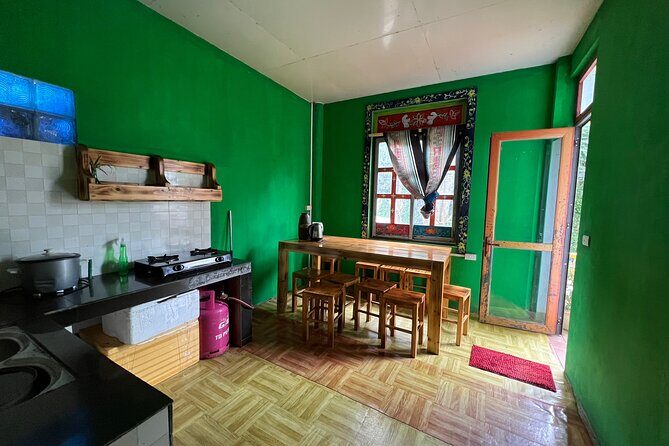
Rice paper looks simple until you try it. The sheet is thin, it sticks when it shouldn’t, and it tears when you rush. This is why the class spends time on rolling rice paper as a taught skill, guided by the local chef.
Here’s what you can expect in the rolling portion:
- You’ll practice how to handle the rice paper correctly so it wraps neatly.
- You’ll learn how to position the filling for consistent rolls.
- You’ll get coached so you end up with a shape that fries evenly.
The filling isn’t piled randomly. It’s portioned and placed so the roll seals as it goes. That’s what leads to the end result you want: spring rolls that stay intact in the hot oil and turn golden without turning soggy.
And yes, rolling is where you’ll learn faster than you think. In a small group, the chef can correct issues like overfilling, under-sealing, and uneven thickness. Those small corrections often make the difference between crunchy success and a sad unraveling.
Frying Until Golden and Crunchy: Heat Control in Real Time
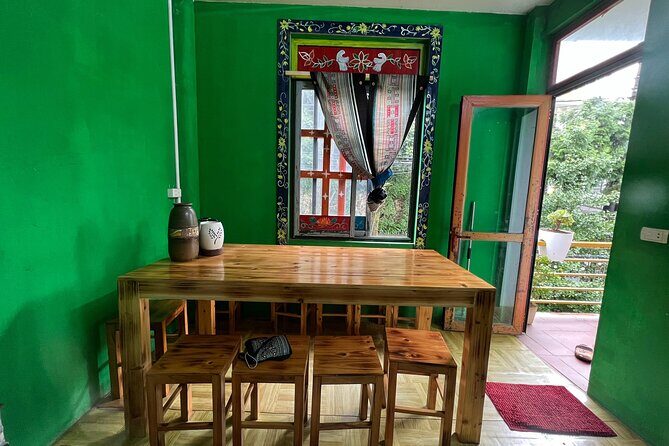
The frying part is where this class earns its reputation. It’s not about frying vaguely. It’s about frying until the spring rolls are golden and crunchy—the classic Vietnamese texture target.
You’ll work on frying spring rolls while learning what the chef is watching for. When oil is too cool, you get greasy rolls. When it’s too hot, the outside browns before the inside is set. In other words, heat control is the whole game.
During frying, you’ll also start noticing the timing difference between batches. Even in the same kitchen, oil temperature can shift slightly as you add rolls. That’s normal. You’ll learn how to manage it without panic.
Practical reality check for you: don’t expect perfection on your first roll. Think of it as a technique practice. You’ll get a stronger feel for how the rice paper and filling behave once you see and taste the results.
You can also read our reviews of more tours and experiences in Sapa
The Traditional Dipping Sauce: How the Flavor Works
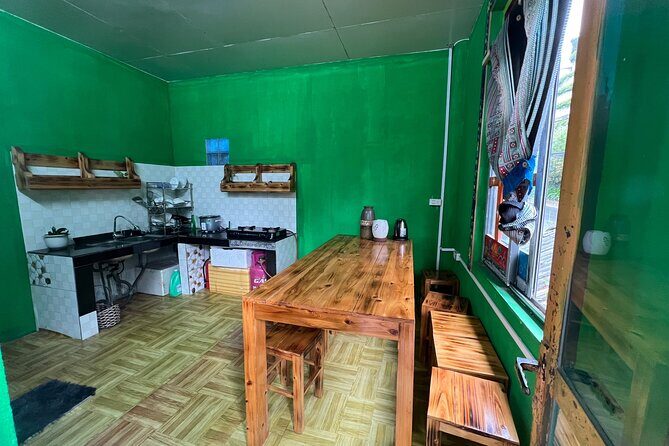
Spring rolls without sauce can taste a bit incomplete. This class helps you understand why dipping matters in Vietnamese eating. You’ll make or assemble a traditional dipping sauce, and you’ll learn it’s part of the dish’s overall balance: salty, tangy, sweet, and fresh elements working together.
What I like about this portion is that it connects the cooking to what you’re actually eating. Instead of treating the sauce like an afterthought, you treat it like a core component of the experience.
You’ll also see how the sauce interacts with textures. A crunchy fried roll plus fresh herbs inside can be satisfying on its own, but the sauce is what pushes the flavor from good to memorable.
When you sit down at the end, you’re not just eating. You’re tasting the outcome of decisions you made—filling amount, rolling tightness, frying time, and sauce balance.
Dinner, Family-Style, and What You’ll Take Home
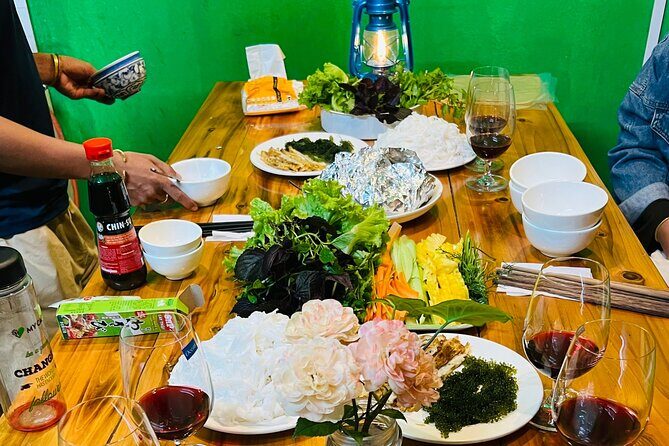
At the end, you’ll sit down to enjoy your creations in a warm, family-style setting. That’s a big part of the value. Food tastes better when you’re part of the process and when you can share the table with the people who are doing the same work beside you.
The class is designed as a cultural exchange, not a lecture. You’ll gain insight into how Vietnamese people balance flavors and textures in everyday meals. That idea shows up repeatedly in spring rolls: fresh herbs versus fried shell, soft filling versus crisp exterior, and the sauce pulling it all together.
You’ll also take home a recipe that’s simple, authentic, and designed to be recreated anywhere. That matters if you’re the type who likes to cook after the trip, not just collect photos.
One more advantage: you’ll leave with a dish that fits into normal life. Spring rolls aren’t only for restaurants. If you follow the steps you practiced, you can make something similar at home when you want comfort food with a crispy twist.
Price, Timing, and Group Discounts: How to Get the Best Deal
Let’s talk value in plain terms.
- Price: $25 per person
- Duration: about 2 hours
- Included: welcome coffee and/or tea, plus dinner
- Group size: maximum 10 travelers
- Group discounts: available
At $25, the math works best because you’re getting more than a snack. You’re eating dinner that’s included, and you’re learning a technique you can use again. If you’ve ever bought a cooking class where you mostly watched, this format tends to feel more fair. The capped group size helps.
The group discount is the next lever. If you’re traveling with friends or family, ask about the discount when booking. The kitchen workflow is tight, and classes like this sometimes get better per-person value when you come as a small group.
As for timing, 2 hours is ideal in Sapa. It slots well between other sightseeing and keeps you from feeling rushed, as long as you start on time. The experience ends back where you begin, so you don’t need a complex plan afterward.
Weather Matters in Sapa
This experience requires good weather. If it’s canceled due to poor weather, you’ll be offered a different date or a full refund. That’s worth factoring into your schedule because Sapa weather can be changeable.
My advice: don’t book this as your one-and-only activity on a tightly packed day. Keep one buffer day if you can.
Who Should Book This Spring Roll Cooking Class
This class is a great fit if you:
- Want a hands-on cooking experience rather than a food tour where you just sample
- Like Vietnamese food and want to understand why the textures work
- Prefer small groups where the chef can guide you
- Want a take-home recipe you can actually use
It’s also good for couples. Cooking together is fun, and the family-style meal gives you a natural moment to relax and talk while you eat.
If you strongly dislike kitchens, hot oil, or the idea of rolling thin sheets, you might find it frustrating. You’ll still learn, but you may not enjoy the process. This is a cooking class, not a tasting-only experience.
Should You Book This Vietnamese Spring Rolls Class in Sapa?
If you like learning by doing, I’d book it. The best reason is simple: you’ll spend your time making the dish, not just watching someone else make it. With included dinner, a welcome drink, and a take-home recipe, it’s a solid value for $25.
I’d also choose it because of the structure. The class covers ingredients, rolling technique, and frying to crispness, then you eat what you made. That full loop is satisfying in a way that half-day food experiences can’t always match.
Only pause if your schedule can’t handle weather changes, or if you’re not comfortable with hot oil and delicate rolling. If those two points don’t bother you, this is one of the smarter ways to spend a couple hours in Sapa.
FAQ
Where does the Vietnamese Spring Rolls cooking class start?
It starts at Saigonese Trekking House, 02 Nguyễn Chí Thanh, TT. Sa Pa, Sa Pa, Lào Cai, Vietnam.
How long is the cooking class?
The duration is about 2 hours.
What is included in the price?
Coffee and/or tea welcome drink, and dinner are included.
Is tips included?
No, tips are not included.
How many people are in the class?
The class has a maximum of 10 travelers.
What will I learn to cook?
You’ll learn how to make crispy fried spring rolls, including rolling rice paper, preparing the filling, frying the rolls, and serving them with a traditional dipping sauce.
What goes into the spring roll filling?
The filling includes noodles, mushrooms, and vegetables, along with fresh herbs and vegetables and local spices introduced during the class.
Will I eat the food I make?
Yes. You’ll sit down to enjoy your spring rolls in a family-style setting.
Do I get a recipe to take home?
Yes. You’ll take home a simple, authentic recipe.
What if the weather is bad?
This experience requires good weather. If it’s canceled due to poor weather, you’ll be offered a different date or a full refund.