REVIEW · HANOI
2-Day Trekking Adventure of Sapa from Hanoi with Night Bus
Book on Viator →Operated by Vietnam Travel Top · Bookable on Viator
Sapa by sleeper bus is the smart way to do it. This small-group trek gets you out of overbuilt town life and into village roads, rice paddies, and ethnic home cooking around Ta Van. You also start the trip late at night, then wake up in time to hike without losing a full day to transit.
I really like two things here: the group stays tiny (max 10), and you get an overnight in a bungalow in the Giay area, not just a rushed photo stop.
One thing to plan for: the days are long and early. You’ll be up at dawn after the night bus, and some past hikers noted that the mattresses can feel very firm, depending on the bungalow.
In This Review
- Quick take: what makes this Sapa trek worth it
- Where this trek really starts: the night bus into Sapa life
- The small-group hike: rice terraces, streams, and village connections
- Day 1: from rice terraces to Ta Van in one big valley day
- Day 1 finishes in the Giay world around Ta Van
- Staying in Ta Van: the overnight that turns a trek into a story
- Day 2: shorter trek, big views, then a return to Hanoi
- Food and the culture of eating together
- Price and value: is $79 actually fair for what you get?
- Logistics that matter on the ground (and trips people usually regret)
- Start time and early mornings
- Weather can change the route
- Pace and fitness fit
- Who this trek fits best
- Should you book this Sapa trek from Hanoi?
- FAQ
- FAQ
- How many people are in the group?
- What time do I get picked up in Hanoi?
- How long is the trek on each day?
- Where do I sleep during the trek?
- What meals are included?
- Do I need to carry a big backpack the whole time?
- What time do I return to Hanoi?
- What if the weather is bad?
Quick take: what makes this Sapa trek worth it
- Tiny group size (max 10) for more time with your guide and fewer bottlenecks on narrow paths
- Ta Van village overnight in an en-suite bungalow setup, so you’re actually sleeping with the valley routine
- Real village meals (breakfasts, lunches, plus dinner), with the option to help with cooking
- Day-1 trek is the workday: about 12 km and around 4 hours, plus village-to-village walking
- Flexible routing when weather changes, depending on conditions
- Comfort-minded travel from Hanoi with a sleeper bus and hotel drop-off/storage for your big pack
Where this trek really starts: the night bus into Sapa life
This tour is built around one key idea: you don’t want to waste daylight sitting on a bus. So you’re picked up in Hanoi in the Old Quarter area around 21:00, then you ride a sleeper bus toward Sapa. The route runs on the highway toward Lao Cai, and you wake up in Sapa early—around 5:30—so you’re not starting the hike at some heroic midday hour.
In practical terms, that early arrival is what makes this feel like an actual 2-day trip instead of a 2-day schedule crushed into 36 hours. You’ll have a little time to reset, then head to breakfast and deal with your luggage before you begin trekking.
A nice extra: there’s a way to store your big pack at a Sapa hotel, which keeps the day manageable. You’ll still need to carry whatever you bring for the walk, but you’re not dragging a full backpack across village lanes all day.
You can also read our reviews of more tours and experiences in Hanoi.


The small-group hike: rice terraces, streams, and village connections
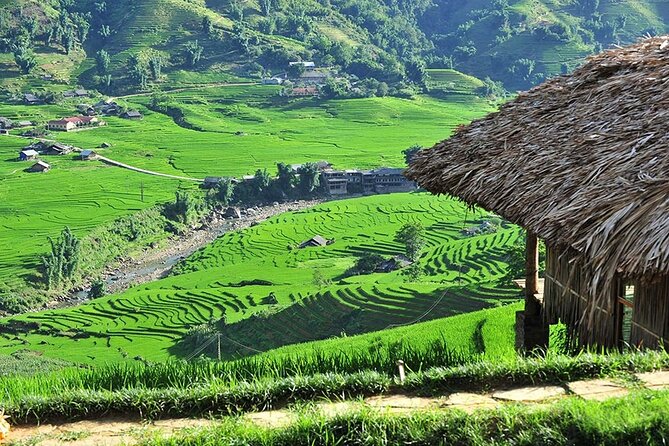
The hiking is the heart of the experience, and it’s paced for people who want to see more than one point on a map. This is guided and kept to a maximum of 10 people, which matters more than it sounds. Narrow sections of path and village walkways can get crowded fast in Sapa. With fewer people, you can actually enjoy the walk instead of constantly passing or waiting.
Day 1: from rice terraces to Ta Van in one big valley day
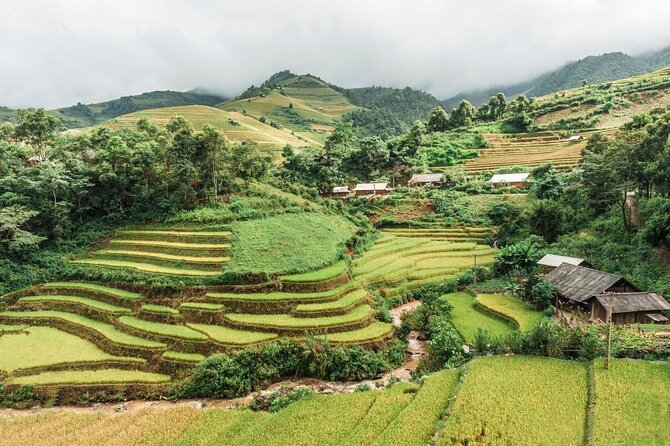
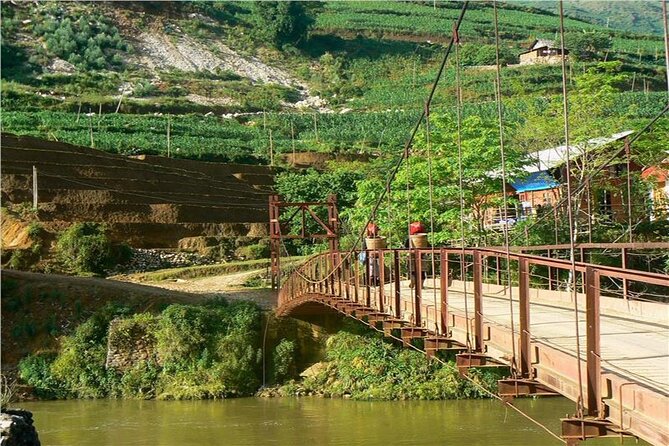
Day 1 starts with breakfast in Sapa town, then you move on to the main trekking portion. The first big section is about 12 km and around 4 hours. You’ll pass through rice terraces and follow the Muong Hoa Stream area, with viewpoints tied to the Hoang Lien Son mountain setting.
Then you transition toward villages—starting with Y Linh Ho, and continuing in the direction of Lao Chai, known for its Black Hmong presence. The point here isn’t just walking for walking’s sake. It’s to connect the scenery to real communities and daily routes, so you understand why these paths exist and how the valley life works.
Important timing reality: even if the trek hours are “only” a few per day, Day 1 still feels long. You’ll be moving through multiple stops, transitions, and meal moments. If you like structure and steady progress, you’ll be happy. If you want a relaxed stroll with lots of downtime, this first day can feel like an early workout.
Day 1 finishes in the Giay world around Ta Van
Later, you arrive in Ta Van Village, where you’ll have a welcome drink and a family-style lunch. Ta Van is where the Giay ethnic community is dominant, so this is a cultural shift from the earlier Hmong areas you see on the trail.
In the late afternoon, you’ll be welcomed into the bungalow and get time to get settled. The schedule gives you room for a slower stretch of time too: you can enjoy sunset and, if you want, participate in cooking dinner with the family.
Staying in Ta Van: the overnight that turns a trek into a story
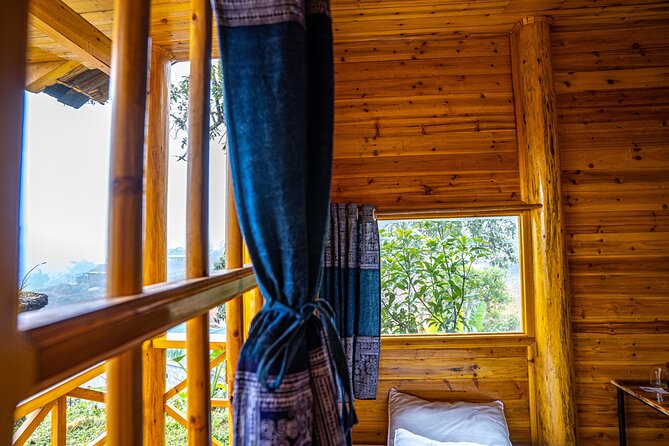
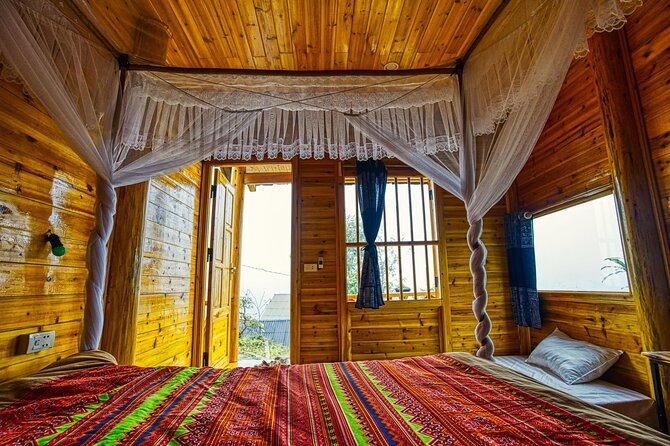
Many Sapa tours treat the countryside like a drive-through. This one tries to do the opposite. You sleep in Ta Van in a bungalow with a modern self-contained toilet. The idea is simple: if you stay overnight, you get the slower rhythms of the valley instead of only collecting views during the day and sprinting back to town for sleep.
Night in Ta Van also changes the feel of the trip. You’re not just waiting for the next bus. You’re part of the village day cycle—dinner, conversation, and a chance to see the community space beyond the walking route.
One detail that came up from previous hikers: accommodation comfort can vary. One review noted mattresses as very hard. So if you’re sensitive to firm beds, pack a thin travel liner or plan for a more rustic feel even though the toilet is modern.
There’s also an optional social angle: in the evening, you can join a nearby local bar with music and meet other people staying in Ta Van. It’s not required, but it’s a nice touch if you like a bit of atmosphere after a long walk.


Day 2: shorter trek, big views, then a return to Hanoi
Day 2 is lighter on distance and time, but don’t misread that as an easy day. You’re still waking up early.
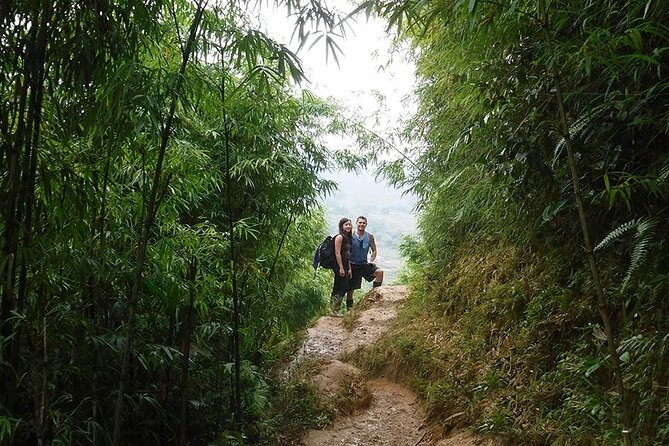
You start with breakfast prepared by the family, then head out for a trek through rice paddies and along a bamboo forest stretch. The walking portion is about 3 km and around 3.5 hours, with stops for photos and panoramas.
You’ll also walk toward Giang Ta Chai Village, which is connected to the Red Dzao community. The walk includes the Giang Ta Chai Bridge area, then you transition back toward the main road where the bus picks you up.
After the trek, you return to Sapa town, and you get time to relax on your own. There’s mention of shower access at the hotel using public bathroom facilities if you want it. Then you meet the group, get ready, and board the bus back to Hanoi with two rest stops.
You’ll arrive back in Hanoi around 21:00, and you’ll be dropped at a meeting point in the Old Quarter area. From there, you go back to your own hotel.
Food and the culture of eating together
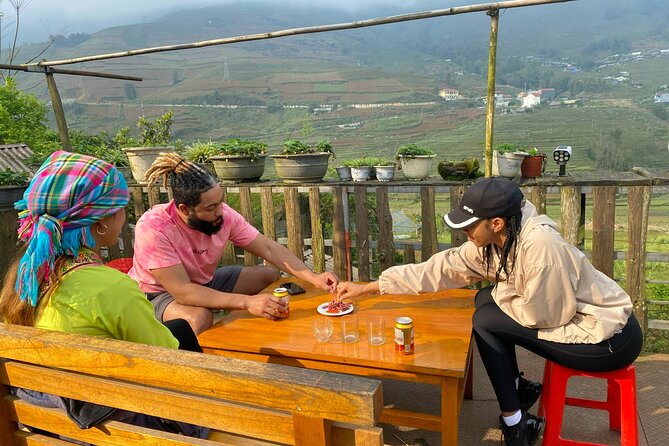
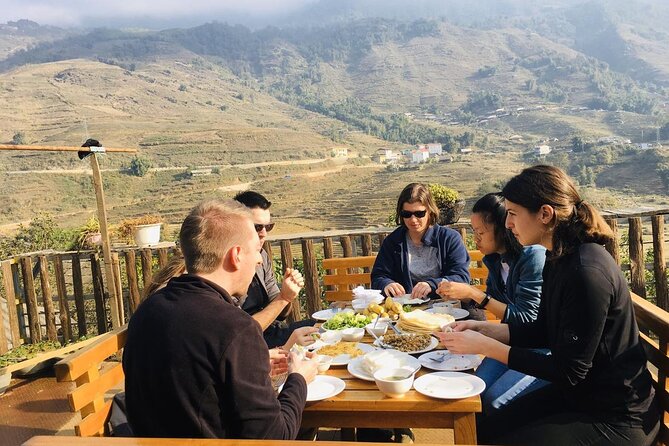
Food is part of the cultural exchange on this trek, not just a checkbox. The included meals are:
- Breakfast x2
- Lunch x2
- Dinner
- 2 bottles of water per person for both ways on the bus
You’ll eat breakfast in Sapa town on the first morning, then later breakfasts are tied to the family setting in Ta Van. Lunch is family-prepared during the day, and dinner is either relaxed or interactive if you want to help cook.
This is one of those experiences where the meal matters because it’s tied to the village rhythm. You’re not just eating; you’re learning how people plan a day, use ingredients, and share food in a home setting.
Price and value: is $79 actually fair for what you get?
At $79 per person for a 2-day trek with a sleeper bus, you’re not just paying for hiking. You’re paying for logistics that are usually the most painful part of getting out to the Sapa countryside.
Here’s why the value is decent:
- Transport: you get round-trip bus service with a sleeper style ride from Hanoi to Sapa
- Overnight stay: you sleep in Ta Van, and the bungalow includes an en-suite setup with modern toilet facilities
- Meals: breakfast, lunch, and dinner are included (and water is covered on the bus sides)
- Small group: max 10 people reduces crowd stress and makes the hike feel more personal
- Hotel help with luggage: storing the big pack saves time and effort
Could it be cheaper? Sure—there are always DIY options. But if you’re new to Vietnam’s mountain regions, this package saves you from timing headaches and getting stranded between towns.
If you’re the type who loves photos but also wants to understand the living side of rural culture, you’ll likely feel the cost is justified. If you’re only chasing views and don’t care about meals or village stays, then you might find the trek longer than you need.
Logistics that matter on the ground (and trips people usually regret)
A few practical things can make or break your experience.
Start time and early mornings
The pickup is at the end of a long Hanoi day. You go out around 21:00, and you’re in Sapa very early. That’s great for hiking—but you’ll still want to be mentally ready for a schedule with minimal late sleeping.
Weather can change the route
This trek depends on conditions, and routing may adjust based on weather. The good news: the schedule is built to stay flexible. The real-world advice: bring layers and plan for shifting temperatures. Mountain weather can flip faster than your optimism.
Pace and fitness fit
Day 1 is about 12 km and 4 hours, then you add village stop time and transitions. Day 2 is shorter at 3 km, but it’s still a walk in rural terrain and bamboo/terrace areas. Most people can join if they’re comfortable hiking, but if you’re dealing with knee issues, you should take it seriously.
Who this trek fits best
This tour is a strong match if you want:
- A guided experience with interpretation of local village life
- An overnight that actually places you in Ta Van instead of bouncing back to town
- A small-group feel where you can move at a human pace
It’s also a good pick if you like meeting a guide who knows the communities. Past groups have been led by guides such as Cat, Vu, and Mû, and the common thread in their approach is clear explanations of ethnic group life and history as you walk.
If you want a luxury retreat, think smoother roads and soft beds—this isn’t that. If you want an authentic rural trek with real village time, it’s on the right track.
Should you book this Sapa trek from Hanoi?
Book it if you want a small-group hike that includes an overnight in Ta Van, plus real meals and time with the people behind the scenery. The sleeper bus + luggage storage combo is also a big practical win.
Skip or rethink it if:
- You’re extremely picky about bedding comfort (mattresses can be very firm)
- You want a very light, slow schedule with no early wake-ups
- You only care about Sapa town sights, because the focus here is the countryside and villages
If you’re somewhere in the middle—curious, active, and willing to trade convenience for a more authentic mountain experience—you’ll probably love what this trip does with your time.
FAQ
FAQ
How many people are in the group?
The tour runs with a maximum of 10 travelers, which keeps the walk more comfortable and manageable on village paths.
What time do I get picked up in Hanoi?
The tour pickup starts around 9:00 pm. Pickup from hotels in the Hanoi Old Quarter is noted for Monday to Thursday nights at 21:00.
How long is the trek on each day?
Day 1 walking is about 12 km and lasts around 4 hours. Day 2 walking is about 3 km and lasts around 3.5 hours.
Where do I sleep during the trek?
You stay overnight in a bungalow in Ta Van village. The bungalow setup includes a modern self-contained toilet.
What meals are included?
Meals included are dinner, breakfast twice, and lunch twice. Water is also included on the bus (2 bottles per person for both directions).
Do I need to carry a big backpack the whole time?
You can store your big luggage at a hotel in Sapa town, so you’re not hauling your entire pack during the trek.
What time do I return to Hanoi?
The bus back to Hanoi leaves after the second day’s activities and you arrive around 21:00. You’re dropped at the tour’s meeting point in the Old Quarter area.
What if the weather is bad?
The experience requires good weather. If it’s canceled due to poor weather, you’ll be offered a different date or a full refund.