REVIEW · HANOI
Hanoi Highlights: Full-Day Small Group City Tour with Lunch
Book on GetYourGuide →Operated by DragonflyCruise.com · Bookable on GetYourGuide
Hanoi can feel like a lot at once. This tour helps you map the city fast while learning why Vietnam’s capital looks and works the way it does. I especially like the Ho Chi Minh Complex details (from the mausoleum setting to the nearby house-on-stilts and One-Pillar Pagoda), and I love that the day includes a serious culture stop at the Museum of Ethnology plus lunch at a local restaurant.
One possible drawback: you’re moving through multiple major sights in one go, so it’s not the slow, meandering kind of day. Also, the Mausoleum follows a strict schedule, so your timing can matter.
In This Review
- Key highlights to look for
- Getting oriented: why this Hanoi highlights route works
- Ho Chi Minh Complex: 79 cycad trees and the mausoleum setting
- The one timing warning you can’t ignore
- Temple of Literature: Confucius, 1070, and turtle-backed steles
- Museum of Ethnology: Vietnam’s ethnic groups, explained with purpose
- Lacquer and craft time: where north Vietnam shows its skill
- Lunch in the real Hanoi style: when food becomes part of the story
- Temple of Literature to Hoàn Kiếm: the Old Quarter walk that builds momentum
- The 30-minute cyclo ride: a short dose of old-world Hanoi views
- Price and logistics: how $89 fits (and when it might not)
- Who this tour suits best (and who should skip it)
- Booking tips before you commit
- Should you book this Hanoi highlights tour?
- FAQ
- How long is the tour?
- How much does it cost?
- What’s included in the price?
- Is hotel pickup available?
- What are the key restrictions?
- When is the Ho Chi Minh Mausoleum open?
Key highlights to look for
- Ho Chi Minh Complex context: 79 cycad trees and the nearby wooden pagodas help you understand the symbolism, not just the photos.
- One visit that links religion and history: the One-Pillar Pagoda is tied to the 11th-century Emperor Lý Thái Tông.
- Museum stop with real cultural payoff: the Vietnam Museum of Ethnology focuses on Vietnam’s ethnic groups and preserves cultural patrimony.
- Temple of Literature as a history lesson: the Confucius-era purpose of the first university (from 1070) lands better when you see the stone steles on turtle backs.
- A local-lunch moment you can actually use: you eat Hanoi-style food at a local restaurant, with lunches described as a highlight by many guides.
- Old Quarter momentum, finished with a cyclo: walking the streets around Hoàn Kiếm and then a short cyclo ride gives you both energy and a view.
Getting oriented: why this Hanoi highlights route works
If you’ve only got a day or two in Hanoi, you need two things: a plan and a guide who can explain what you’re seeing in plain language. This tour is built around that idea. It stitches together Vietnam’s big national story (Ho Chi Minh and education) with Hanoi’s local map (the Old Quarter and Hoàn Kiếm area), plus a cultural deep-stop at the Museum of Ethnology.
What makes it work is the pacing between categories. You don’t jump from war history to pagodas to museums without a thread. The guide brings the connections together—how Vietnamese mythology, traditions, and everyday customs show up in the places you visit. And since it’s a small group with an English-speaking guide, you’re not stuck just watching from the back of a crowd.
One more practical win: with motorbike traffic everywhere, a guided day gives you less stress crossing streets. You’ll still walk, but you’ll do it with a plan and a person who knows how to get you from A to B safely and efficiently.
You can also read our reviews of more city tours in Hanoi



Ho Chi Minh Complex: 79 cycad trees and the mausoleum setting
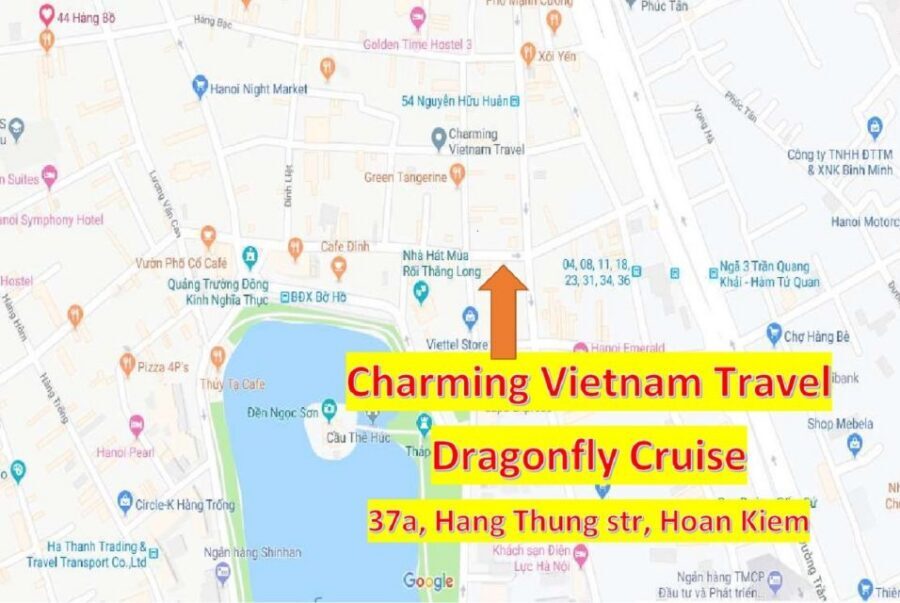
The tour starts at or near the Hoàn Kiếm area (one listed start point is 31 Lo Su, Hoan Kiem, Hanoi). From there, you go to the Ho Chi Minh Complex, often the moment where first-time visitors stop and really pay attention.
Here’s what I like about this stop: it isn’t treated like a generic landmark. The guide context matters. Standing before the mausoleum, you’ll notice 79 cycad trees, described as symbolizing Ho Chi Minh’s 79 springs of life. There are also 2 bamboo ranges that whistle in the wind to commemorate the former president and Father of the Nation. It’s the kind of detail that turns a photo stop into an actual understanding moment.
You’ll also see the nearby house-on-stilts and the One-Pillar Pagoda. The One-Pillar Pagoda is built out of wood and is tied to the 11th-century Emperor Lý Thái Tông. Even if you’re not a “temples and architecture” person, this combo helps you see how Hanoi blends politics, reverence, and everyday craft traditions in the same district.
The one timing warning you can’t ignore
The Ho Chi Minh Mausoleum has limited access. It’s open 5 mornings a week and 10 months a year, and it’s closed every afternoon, all day Monday and Friday, plus from early October to early December for scheduled maintenance. If your trip falls into one of those windows, expect the day to shift at the edges with suggested alternatives.
Temple of Literature: Confucius, 1070, and turtle-backed steles
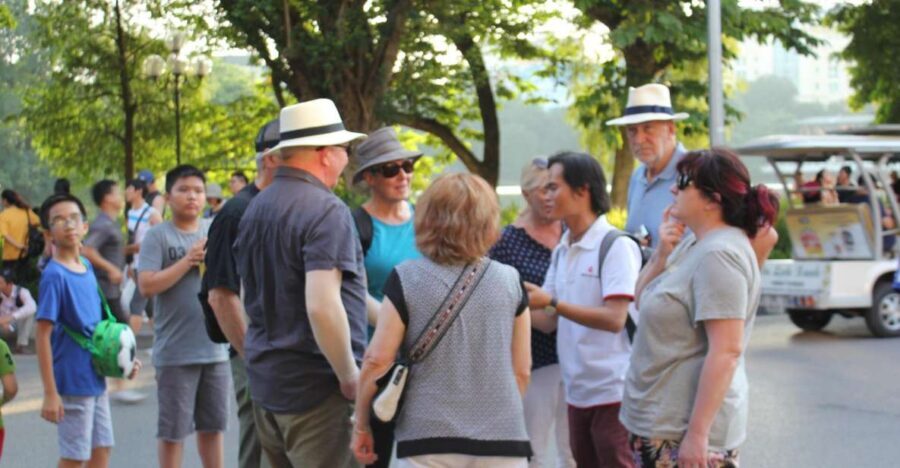
After the Ho Chi Minh Complex, the tour moves to a very different kind of meaning: education. The Temple of Literature dates back to 1070, and it was originally built as a temple to Confucius. That origin story matters, because it explains why the place is so focused on learning and scholarly reputation rather than religious theater.
Inside, you can see the stone steles mounted on turtle backs, with the names of Vietnam’s best scholars inscribed. It’s not just impressive to look at. It helps you understand what Vietnamese society has long valued: learning, exams, and reputation as a path to public life.
I also like how the stop is framed for everyday visitors. You’re not required to be an expert on Confucianism. The guide helps you connect the dots to education today—why people still speak about studies and teachers with that same seriousness.
Practical note: since you’ll be walking and moving between stops, comfortable shoes are a smart move. This isn’t a sit-down museum day; you’ll want your legs ready.
Museum of Ethnology: Vietnam’s ethnic groups, explained with purpose
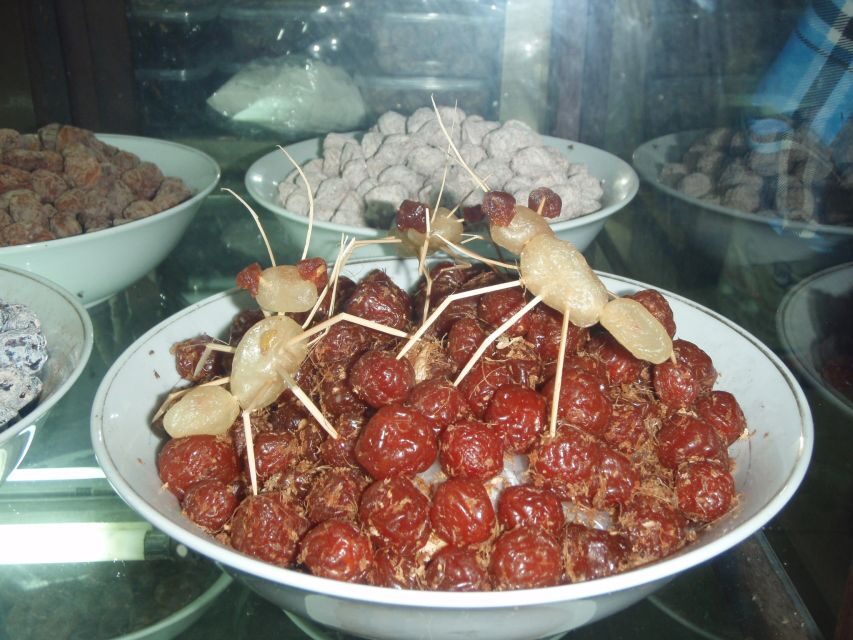
The Vietnam Museum of Ethnology is one of the strongest “value per minute” stops on the itinerary. A lot of cultural museums can feel like they’re showing artifacts without context. This one is set up to give context, with a mission that includes scientific research, collection, documentation, conservation, exhibition, and preserving cultural and historic patrimony of Vietnam’s different ethnic groups.
For you, that means the visit can do more than decorate your photos. You get a better sense of how Vietnam’s identity isn’t one single storyline. It’s many communities with their own traditions, tools, and ways of living. If you want to understand the country beyond the main cities, this stop earns its place.
Depending on the day’s schedule, you may also have time for related browsing and shopping. The itinerary also includes time for a gallery featuring lacquer painting collection—handicraft from the north of Vietnam—so you get cultural learning plus a chance to see craft work up close.
You can also read our reviews of more tours and experiences in Hanoi





Lacquer and craft time: where north Vietnam shows its skill
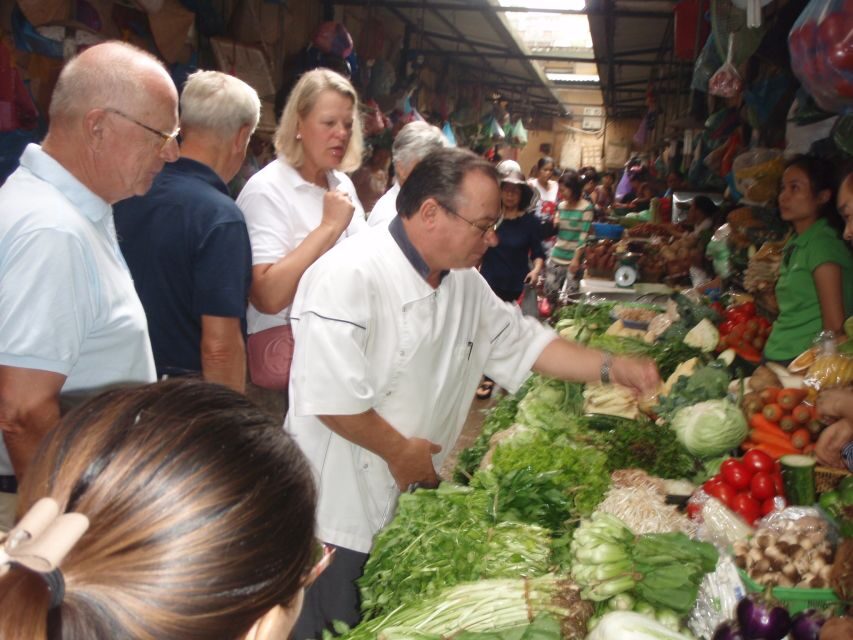
Between the major historical stops, the tour includes a visit to the Gallery of Lacque Painting Collection. The point here isn’t just shopping for souvenirs. It’s about seeing the craft tradition behind the objects you’ll see in shops across Hanoi.
If you’ve never paid attention to lacquer work, you might not realize how specific and time-consuming it can be. You’ll get a better appreciation for why Vietnamese lacquer goods look the way they do—layered, refined, and made to last.
I’ll be honest: even when you don’t plan to buy anything, craft stops can feel like “optional time.” This one tends to work better because it sits in the middle of a day focused on cultural context. So it feels connected, not random.
Lunch in the real Hanoi style: when food becomes part of the story
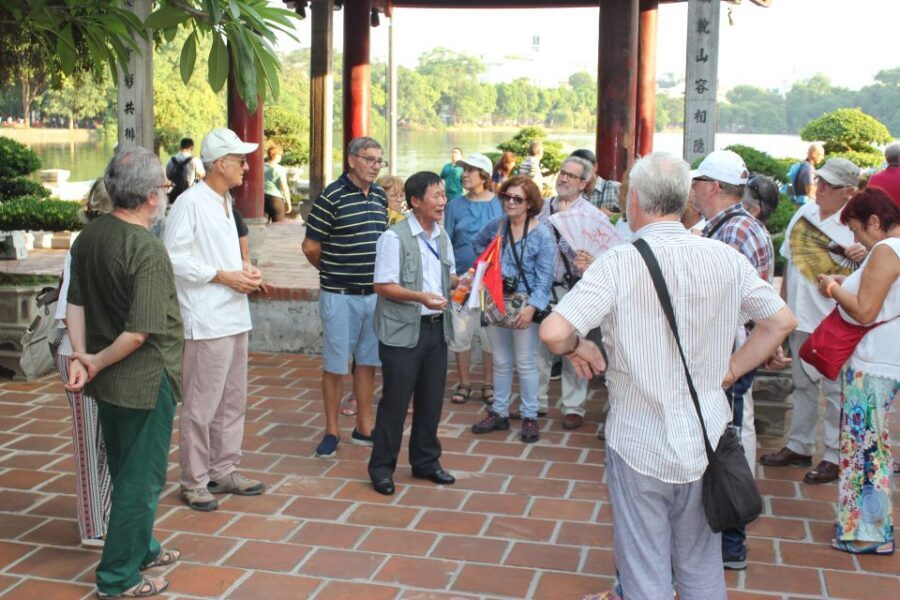
Lunch is included, and the tour is designed to eat locally rather than in a generic tourist restaurant. Based on how the tour is described, the meal is served at a local restaurant with the deep touch of Hanoi cuisine, and some departures mention spots such as Ngon/Quan Ngon or similar classic Hanoi-style settings.
Two practical reasons this matters:
- You’ll refuel without losing time searching for something “good enough.”
- Food gives you a feel for daily life, not just historic monuments.
One more note: drinks are not included. So if you like soda, water, tea, or anything beyond what’s served with the meal, plan to pay extra.
Temple of Literature to Hoàn Kiếm: the Old Quarter walk that builds momentum
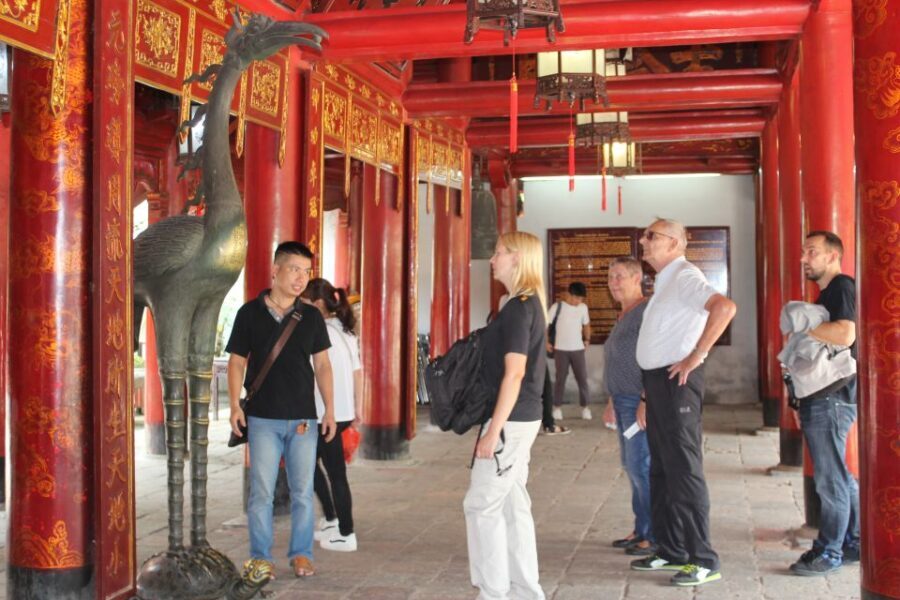
After lunch, the tour shifts toward the Hanoi you can walk through. The plan includes the eastern sector around Hoàn Kiếm Lake, Ngoc Son Temple, and Huc Bridge, then continued time wandering the Old Quarter.
This part works because it’s not just sightseeing from a distance. You’ll be mixing with locals as they go about their hectic daily routines. It’s the difference between seeing a postcard and understanding a place where people still live and work.
And yes, it can be chaotic on the street level—motorbikes, narrow lanes, and quick turns. That’s exactly why having a guide matters. The route helps you cross streets in manageable segments and keeps you from doing the stressful thing of trying to figure it out alone.
The 30-minute cyclo ride: a short dose of old-world Hanoi views
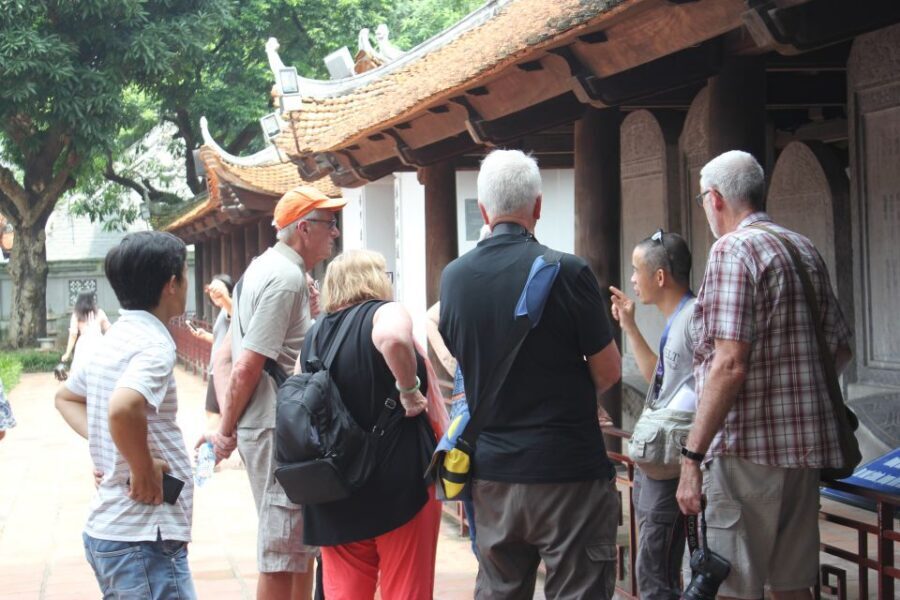
To wrap things up, you get a 30-minute cyclo tour around the Old Quarter. This is a smart ending choice. After hours of walking, you get a change of pace without abandoning the neighborhood feel.
You’ll also see a “life of Hanoian” angle—how streets look in motion, how density feels when you’re passing by rather than standing still. It’s not a museum ride. It’s street-level Hanoi at slower speed, with you sitting back and taking in the scene.
If it rains or feels damp, dress for Hanoi weather changes. The tour includes walking and outdoor time, and your comfort will depend mostly on what you wear.
Price and logistics: how $89 fits (and when it might not)
At $89 per person, this isn’t a “budget only” tour, but it also isn’t priced like a private driver-and-guide for a full day. You’re paying for four things: an English-speaking guide, land transfers, admission fees, and lunch at a local restaurant.
Here’s the value logic for you:
- Admission fees add up fast in Hanoi when you’re hitting multiple major sites.
- Lunch is included, so you’re not spending your day hunting for food between attractions.
- Transfers reduce friction. Hanoi traffic can be intense, and moving efficiently saves your energy for the walking portions.
So when is $89 worth it?
- If you want to hit the big sights in a single day with context, not just photos.
- If you’d rather trust the schedule and guide than plan timing around opening days yourself.
When might it feel less worth it?
- If you only care about one or two sites and want a slow, independent day.
- If you’re the kind of traveler who hates a packed itinerary and wants long free time at fewer stops.
Also check the duration carefully. The listing states a duration of 3 hours and says to check availability for starting times, while the tour description frames it as a full-day highlights experience. Either way, the route includes multiple major stops plus lunch and a cyclo ride, so you should plan as if it’s active.
Who this tour suits best (and who should skip it)
This tour is a strong fit for first-timers to Hanoi, especially if you want:
- A local guide who can explain what you’re seeing without turning it into a lecture
- A mix of national history and everyday Hanoi atmosphere
- A guided solution for busy streets
It’s also a good match if you’re traveling with friends or family and want the “small group” experience. Some departures have been described as a group capped around 10 people, which helps keep the day interactive.
Not a great match if:
- You have mobility impairments or use a wheelchair. The tour is listed as not suitable for wheelchair users and not suitable for people with mobility impairments.
- You’re traveling with pets (not allowed).
- You have luggage or large bags (not allowed).
Booking tips before you commit
Before you book, look at your dates relative to the Ho Chi Minh Mausoleum schedule. If your trip lines up with the closed days, you’ll want to know the day may shift, with alternatives suggested.
Also, set expectations: this is a “highlights and insight” route, not a one-site deep dive. You’ll get a lot of information through the guide’s explanations, and you’ll see plenty of Hanoi in a compact time window.
If you’re choosing between tours, consider this one if your goal is to understand Vietnam’s capital through linked themes: leadership, education, ethnic identity, and street-level life.
Should you book this Hanoi highlights tour?
Yes, I’d book it if you want your first Hanoi day to feel organized, meaningful, and efficient. The biggest strength is how the itinerary builds connections: Ho Chi Minh’s world, Vietnam’s education legacy, cultural identity at the Museum of Ethnology, and then Hanoi’s everyday rhythm in the Old Quarter and around Hoàn Kiếm Lake.
Skip it only if you hate a schedule, need a slow pace, or fall into the mobility/large-bag limits. If you’re in the middle—curious, short on time, and wanting real context—this tour is the kind of day that makes Hanoi click.
FAQ
How long is the tour?
The tour is listed as 3 hours. Starting times vary, so you’ll want to check availability for the specific departure you’re booking.
How much does it cost?
The price is $89 per person.
What’s included in the price?
Included are an English-speaking guide, land transfers, admission fees, and lunch (local cuisine). Drinks are not included.
Is hotel pickup available?
Pickup is optional. If you choose it, your guide and driver pick you up at your hotel in Hanoi.
What are the key restrictions?
Pets are not allowed. Luggage or large bags are also not allowed.
When is the Ho Chi Minh Mausoleum open?
It’s open 5 mornings a week and 10 months a year. It is closed every afternoon, all day Monday and Friday, and from early October to early December for scheduled maintenance.



More City Tours in Hanoi



More Tours in Hanoi
- Ninh Binh Full-Day Tour from Hanoi to Hoa Lu, Tam Coc & Mua Cave Via Boat & Bike
★ 5.0 · 4,384 reviews