REVIEW · SAPA
Sapa Trekking & Cooking with H’Mong Locals –Local Culture
Book on Viator →Operated by 1Day Sapa · Bookable on Viator
A cooking lesson starts with a climb. This Sapa day is built for people who want village walking first, then a hands-on H’Mong cooking class that turns your lunch into something you can actually repeat later. You’ll move along smaller paths where there’s hardly any concrete, so the day feels closer to daily life and less like a checklist.
Two things I really like: the pace is designed for a real connection to villages like Y Linh Ho and Ta Van, and the food isn’t just fed to you—it’s taught as a complete Vietnamese meal. One thing to consider is that the experience depends on weather and trail conditions, so the exact flow can be different on the day.
In This Review
- Key Highlights at a Glance
- Sapa Trekking and Cooking: What Makes This Day Special
- Price and What You Get for $38
- Walking Route: Sapa Town to Hillside Villages
- Cat Cat Village, But With a Different Approach
- Y Linh Ho: H’Mong House Cooking Class and Homestay-Style Learning
- Lao Chai: Terraced Fields and Village Crossings
- Ta Van Village Finish: Ending in a Different Kind of Sapa
- Timing and Pacing: A Full Day Without Being Exhausting
- Weather and Day-of Changes: What You Should Plan For
- Who This Tour Fits Best (And Who Might Prefer Something Else)
- Should You Book This Sapa Trekking & Cooking Tour?
- FAQ
- What’s the duration of the Sapa trekking and cooking experience?
- Does the tour include pickup and a guide?
- What’s included in the $38 price?
- Are any drinks or costs extra?
- How fit do I need to be?
- What happens if the weather is bad?
- What’s the cancellation rule?
Key Highlights at a Glance
- A full day mix of trekking and cooking: roughly 7 hours total, with about 2–3 hours focused on cooking
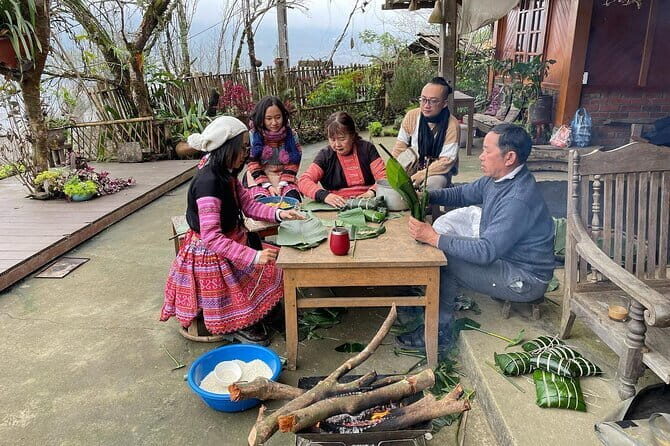
- H’Mong homestead experience in Y Linh Ho where you cook together as part of village life
- Learn dishes you can name and remake, including fried spring rolls and stewed pork
- Scenic walking that avoids the busiest vibe, with Cat Cat handled more as a passing point than a main stop
- Terraced views plus village crossing through Lao Chai with time for the scenery and local rhythm
- Private group with pickup offered, plus lunch, water, fruit, and coffee or tea included
Sapa Trekking and Cooking: What Makes This Day Special
This is an all-in-one format that makes sense in Sapa. Instead of spending most of your time shuttled between big viewpoints, you get a walking route that gradually takes you away from the most crowded areas and into smaller village lanes. That shift matters, because the best part of Sapa is not only the hills—it’s the way people live on them.
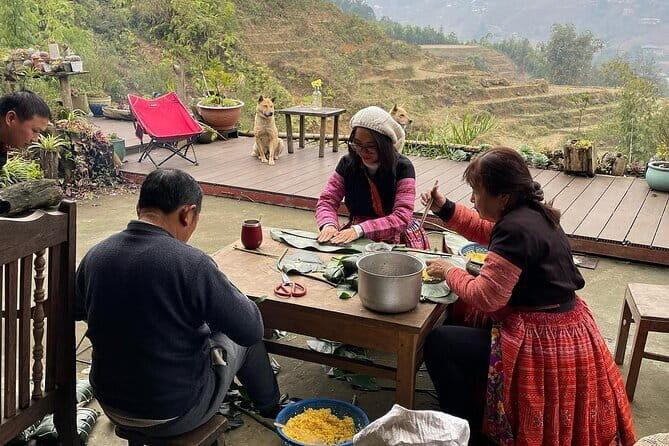
The cooking class is the second half of the appeal, and it’s built around a practical goal: you should leave with enough know-how to understand how a Vietnamese meal comes together. In the homestay setting at a H’Mong indigenous house, you’ll cook a set lunch that includes savory items like fried spring rolls and stewed pork, plus vegetables and fruit gathered locally. The point isn’t fine-dining drama. It’s learning the rhythm of a real meal.
If you enjoy tours where the meal feels like part of the culture rather than a tourist coupon, this style is a good fit.
You can also read our reviews of more cooking classes in Sapa
Price and What You Get for $38
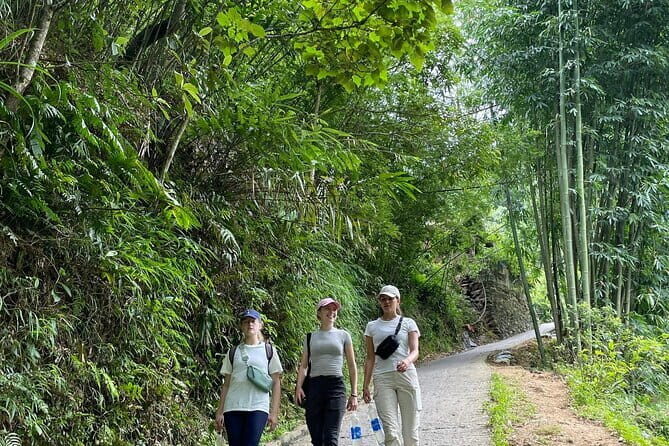
At $38 per person for about 7 hours, this is positioned as strong value—especially because the day includes actual food and a guide, not just a scenic walk.
Here’s what’s included:
- Lunch
- Water and fruit
- Certified guide
- Coffee and/or tea
- Pickup is offered (so you don’t have to hunt for meeting points)
What’s not included:
- Extra drinks like beer or additional coffee
- Tips for your tour guide
That “included lunch + drink” combination matters more than it seems in Sapa, where you can end up paying twice—once for the tour and again for food. With this setup, you can budget like a traveler, not like a surprise calculator.
Walking Route: Sapa Town to Hillside Villages
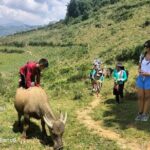
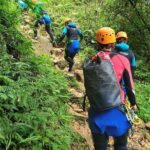
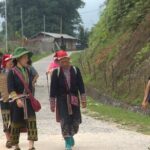
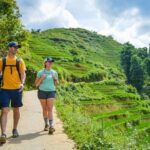
You start in Sapa Town for about 30 minutes, enough time to get your bearings before the walking begins. From there, the program shifts into a hillside route where the terrain is the main character. You’re not just walking through a single viewpoint area—you’re moving between villages, taking in terraced scenery and the day-to-day layout of homes and paths.
The tour is also aimed at getting you near spots that many people would struggle to reach without a guided walking plan. The description emphasizes areas with almost no concrete presence, which is a polite way of saying: you’ll feel the village environment more closely than you would on a bus-and-stop route.
Practical note: this is best when you’re comfortable with moderate walking. The tour is listed for travelers with moderate physical fitness, so bring a mindset of “steady effort,” not “hard workout.”
Cat Cat Village, But With a Different Approach
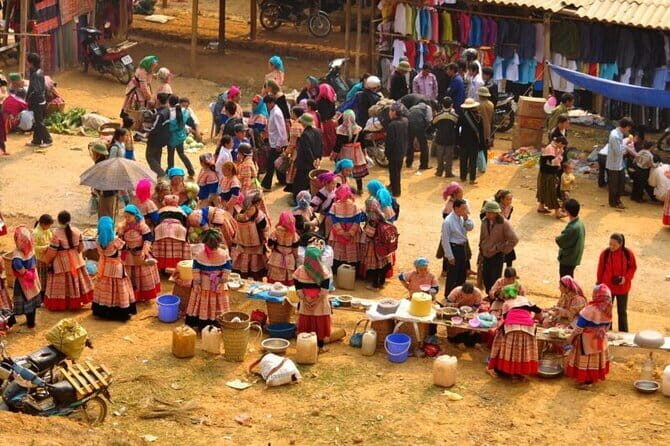
Cat Cat Village is well known in Sapa. Many tours treat it like a centerpiece stop. This one does something more interesting: it uses Cat Cat as a passage point, and instead of going into the crowded center, it continues deeper toward a smaller village called Y Linh Ho.
You still get the geography of the area, but you’re not stuck doing the standard stop-and-photo loop. For you, that can mean a calmer day. For the operator, it means the schedule is optimized around the cooking experience at Y Linh Ho.
Potential consideration: if you were expecting extra time inside Cat Cat’s busiest zone, you may feel the time there is limited because the day is clearly built around moving forward into quieter villages.
Y Linh Ho: H’Mong House Cooking Class and Homestay-Style Learning
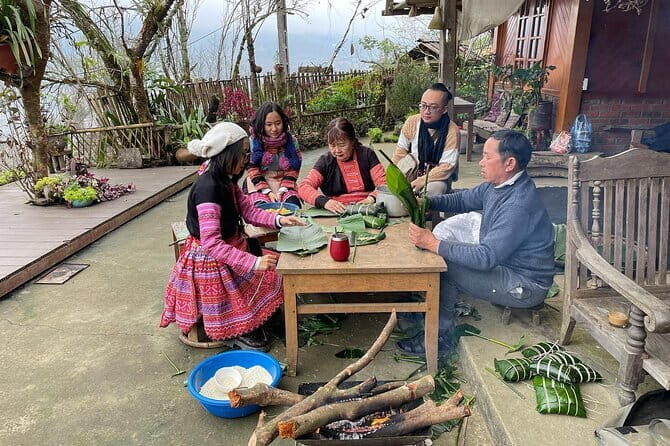
Stop at a H’Mong indigenous house in Y Linh Ho is the core of the experience, and it’s where you’ll spend the longest single block—about 3 hours. This is also where the tour delivers on the “local culture” promise in a very tangible way: food, technique, and meal structure.
You’ll do cooking together and learn how to make a complete Vietnamese lunch, with specific dishes listed such as:
- Fried spring rolls
- Stewed pork
- Vegetables and fruit (listed as picked in small areas)
The most valuable part for me in this kind of class isn’t just eating. It’s learning the logic: how savory items pair with fresh elements, and how one meal becomes a full lunch instead of a random plate of snacks. When you understand that, you can judge Vietnamese meals you try later—even if you never return to Sapa.
Also, the tour aims for a lived-in homestay feel rather than a classroom. That tends to change your attitude. You stop watching the hands of a chef and start participating in the process, which makes the day more memorable.
You can also read our reviews of more hiking tours in Sapa


Lao Chai: Terraced Fields and Village Crossings
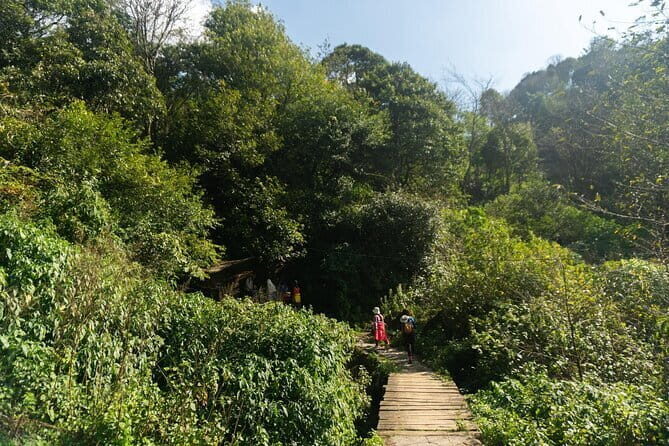
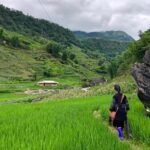
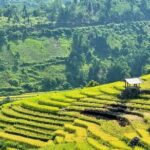
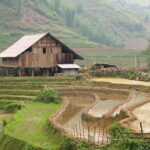
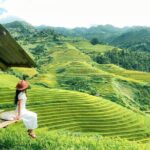
After Y Linh Ho, you continue the journey through terraced fields and smaller hillside roads. You’ll cross Lao Chai village, with about 45 minutes in this stretch for admiring the views and moving through village life.
This portion is where the day balances out. The cooking block takes up a large chunk of time, so the walking segment helps you reset and see what Sapa looks like when it’s not framed by town streets.
What to expect here:
- More open sight lines for terraces and hillside paths
- A “walking through” feeling rather than another extended village lesson
- Time that’s long enough to notice daily rhythms without rushing
The trade-off is that you won’t get an extra long deep-dive stop at Lao Chai. The schedule keeps the cooking experience as the anchor.
Ta Van Village Finish: Ending in a Different Kind of Sapa
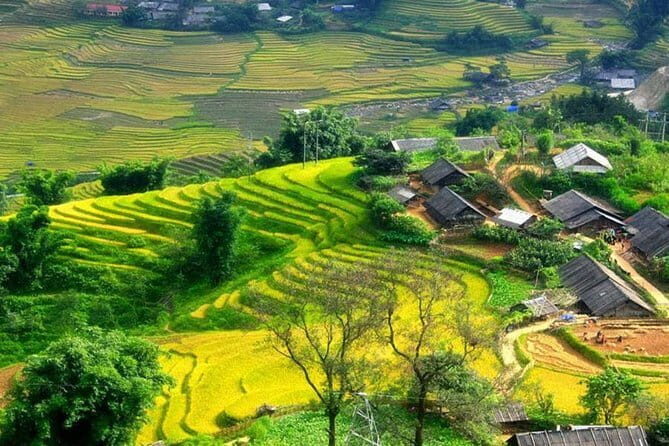
Your last stop is Ta Van village, with about 1 hour 15 minutes to wrap up the village tour. The design here is smart: you finish on foot in a village setting, then the taxi brings you back to Sapa Town.
That makes the day easier to plan. Instead of scrambling for transport at the end of a hike, you can rely on the ride back as part of the program.
Ta Van is also a good choice for a closing note because it helps the day feel like a loop: you started in town, walked into villages, then came back out through one more community. If you want photos, it’s often the kind of final stop where you’ll feel less time pressure.
Timing and Pacing: A Full Day Without Being Exhausting
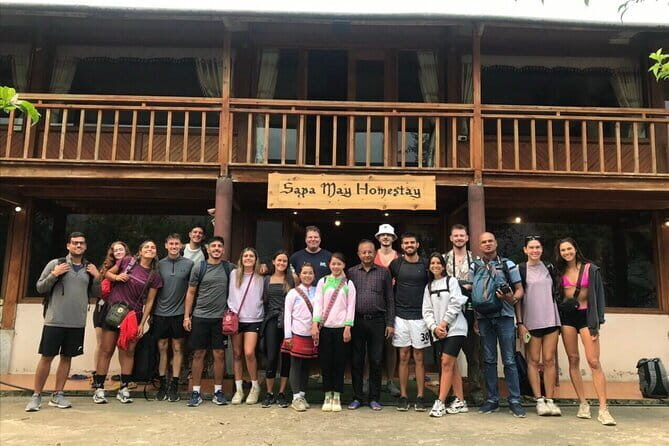
The total duration is listed as about 7 hours. Real-world tours like this usually feel longer than the clock because you’re adjusting to the pace of walking, then switching into a cooking workflow.
Here’s the schedule structure you can expect:
- Start in Sapa Town (about 30 minutes)
- Move through the Cat Cat area toward deeper villages (about 1.5 hours)
- Cooking class in Y Linh Ho (about 3 hours)
- Terraced fields and Lao Chai crossing (about 45 minutes)
- Finish at Ta Van, then taxi back (about 1 hour 15 minutes)
The biggest practical benefit of this timing is that it keeps the “event” concentrated. You’re not hopping every 20 minutes, and you’re not stuck too long at one single point.
Weather and Day-of Changes: What You Should Plan For
The tour is marked as requiring good weather. That usually means two things for your decision-making:
- Trails and visibility matter for the walking segments
- The provider may shift timing or route if conditions are poor
Also, since the day depends on multiple village sections, it’s worth asking your host before you go what happens if the route needs adjusting. Even if you don’t expect problems, you want clarity on what stays fixed—especially the cooking class—because that’s the part most people consider the main payoff.
If you hate schedule surprises, choose a travel window with stable weather and wear layers.
Who This Tour Fits Best (And Who Might Prefer Something Else)
This tour is a great match if you:
- Want a walking-based Sapa experience, closer to villages and small roads
- Like learning by doing, especially with food
- Enjoy cultural context that shows up through daily life, not just performances
- Are okay with moderate physical effort for a half-day hiking format
It may not fit as well if you want:
- A heavy focus on Cat Cat itself as a major stop
- A slow, easy stroll with lots of seated downtime
- A plan that can be fully controlled regardless of mountain weather
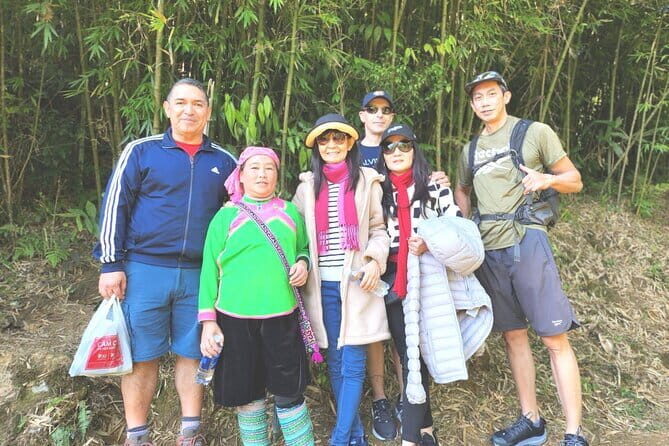
If you’re traveling with a group that wants both scenery and an activity that produces real results at the end (your lunch and cooking knowledge), this one usually lands well.
Should You Book This Sapa Trekking & Cooking Tour?
With an average rating of 4.9 and 97% recommended, this is clearly a popular option for a reason. The included lunch, water, fruit, and coffee or tea add real value, and the all-in-one structure is exactly the kind of day that makes Sapa more than a photo stop.
My advice: book it if you want a day that mixes village walking with a hands-on cooking lesson, and you’re comfortable with moderate walking. If you’re the type who needs a very predictable itinerary down to the minute, ask in advance how weather adjustments are handled—because Sapa hikes live and die by conditions.
FAQ
What’s the duration of the Sapa trekking and cooking experience?
It runs for about 7 hours.
Does the tour include pickup and a guide?
Pickup is offered, and a certified guide is included.
What’s included in the $38 price?
Lunch, water, fruit, coffee and/or tea, and the guided experience are included.
Are any drinks or costs extra?
Private drinks such as beer or additional coffee are not included, and tips for your guide are not included.
How fit do I need to be?
The tour is listed for people with moderate physical fitness.
What happens if the weather is bad?
Good weather is required. If it’s canceled due to poor weather, you’ll be offered a different date or a full refund.
What’s the cancellation rule?
You can cancel up to 24 hours in advance for a full refund.
If you’d like, tell me your travel dates and fitness level, and I’ll help you decide whether the timing and walking style makes sense for your Sapa plan.