REVIEW · HANOI
Hanoi Ultimate Coffee Workshop: Make, Learn & Taste
Book on GetYourGuide →Operated by Sondax Travel Agency - Hoa Binh company · Bookable on GetYourGuide
Hanoi has a coffee culture you can taste with your own hands. This workshop teaches the why behind Vietnamese brews, then puts you to work making several classic drinks, from egg coffee to pour-over.
I especially like the mix of history + technique, because you learn what changes flavor: bean type, roasting, grind size, and brewing steps. I also like that it’s not just sipping. You use local tools and make the coffee yourself, so you leave with usable habits instead of a vague souvenir memory.
One thing to consider: you’re set up for a lot of coffee in a short window, plus wine with some tastings. If you’re caffeine-sensitive or you don’t mix well with alcohol, pace yourself.
In This Review
- Key highlights worth planning for
- Why Hanoi Coffee Feels Different When You Learn the Logic
- Getting to the Workshop: Hoang Hoa Tham Meeting Point and Old Quarter Pickup
- The Coffee History Part: Beans, Roasting, and Green Coffee Facts
- Your Hands-On Brewing Session: Tools, Filters, Grinders, and “Good Cup” Technique
- Making Five Iconic Hanoi Cups: What Each Drink Teaches You
- Vietnamese egg coffee
- Original Vietnamese brown coffee
- Coconut coffee
- Pour-over coffee
- Vietnamese salt coffee
- Plus: coffee cocktails with jam and local wine
- Coffee Cocktails With Jam and Local Wine: How to Taste Without Getting Lost
- The Food Timing: Lunch or Dinner Built Into the Same Half-Day
- What You Leave With: Recipes, Digital Books, and Optional Certificate
- Price and Value: Why About $23 Can Make Sense Here
- Who Should Book This Workshop (and Who Might Skip It)
- Should You Book This Hanoi Coffee Workshop?
- FAQ
- How long is the Hanoi Ultimate Coffee Workshop?
- What does the workshop cost?
- Where do I meet for the workshop?
- Is the class taught in English?
- What coffees will I make during the workshop?
- Is wine included?
- Does it include meals?
- Do you offer hotel pickup?
- Is private group service available?
Key highlights worth planning for
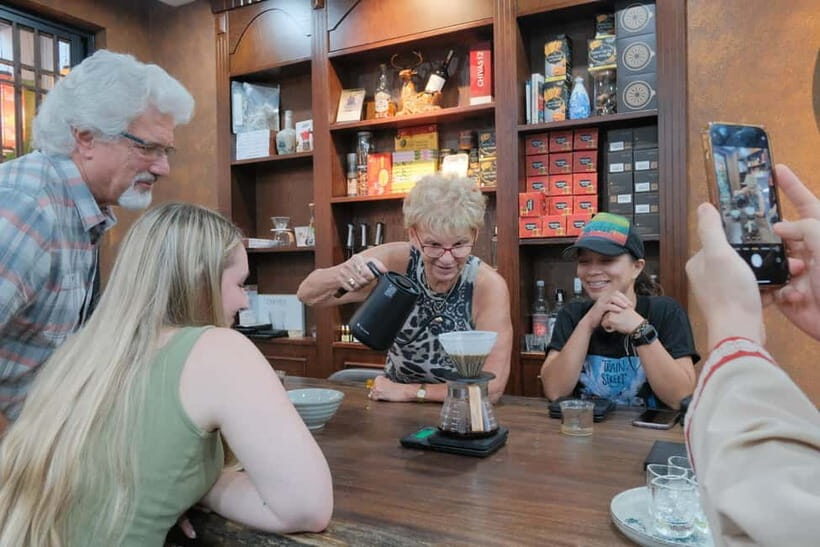
- Five iconic brews you make yourself, including egg coffee and Hanoi-style brown coffee
- Coffee history that gets practical, from cultivation to roasting and green beans
- Real brewing tools like filters and grinders, so you learn the method, not just the recipe
- Coffee cocktails with jam and local wine, served after the coffee portion
- English instruction and a small, friendly format that makes questions easy
Why Hanoi Coffee Feels Different When You Learn the Logic
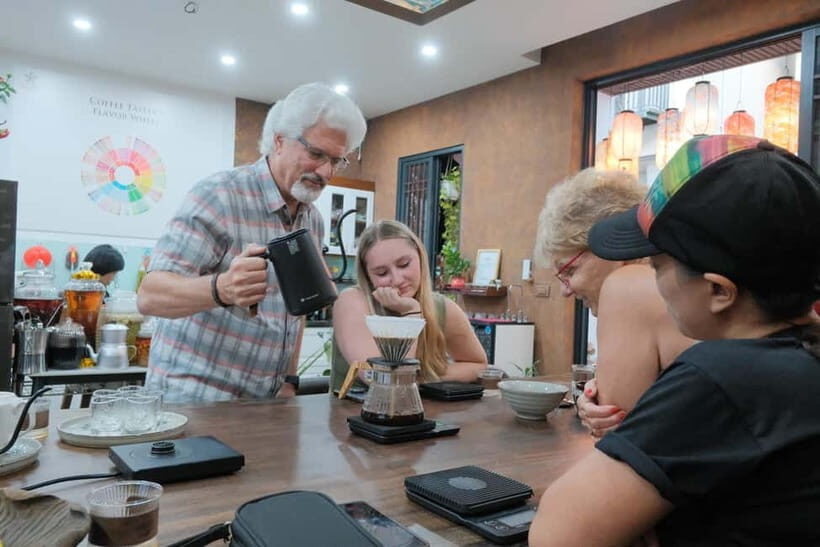
Hanoi coffee isn’t just about strong flavor. It’s about trade-offs: bitterness vs. sweetness, roast depth vs. aroma, and how Vietnamese cafés build body and warmth even when the equipment is simple.
This class helps you understand those choices. You start with coffee basics that matter in Vietnam—how coffee spread and why it became a daily habit. Then you move into the details you can actually use: what roasting changes, how different beans behave, and why some cups taste “right” and others taste flat or harsh.
You’ll also learn a skill that feels oddly useful in daily life: how to tell authentic coffee from coffee that tastes off. The workshop frames it as technique and ingredients—so you start reading flavor instead of relying on labels.
You can also read our reviews of more tours and experiences in Hanoi



Getting to the Workshop: Hoang Hoa Tham Meeting Point and Old Quarter Pickup
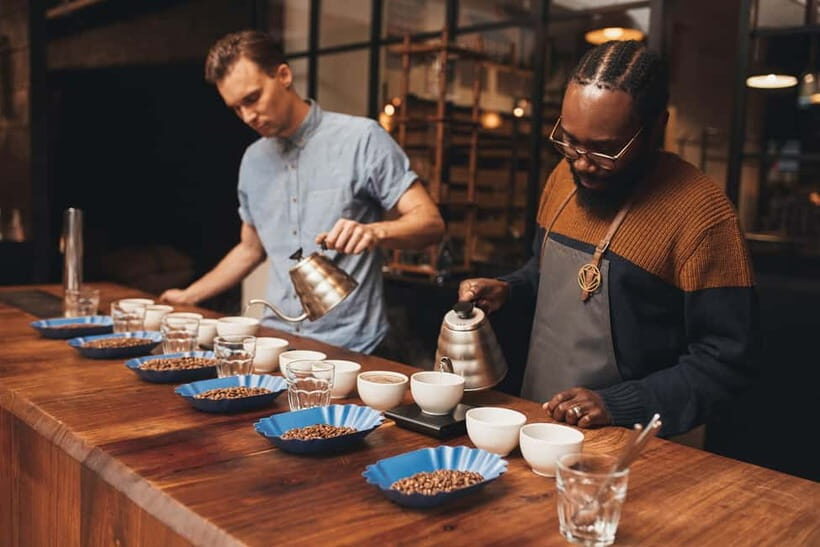
If you choose hotel pickup, it’s limited to the Old Quarter area. The service is offered within that zone, and pickup/drop-off timing usually lands in a 15–20 minute window (weather and traffic can shift it).
Your meeting point—if you’re meeting the group on your own—is specific: Alley 75, Lane 173, Hoang Hoa Tham Street, at the intersection with a big yellow sign that says Bia Hoi Mau Dich. It’s easy to miss if you’re not watching for that sign, so give yourself a few extra minutes.
At the end, you’ll return to Hoàn Kiếm. That matters because Hoàn Kiếm is where most sightseeing and transit starts, so you’re not stuck crossing town after tasting and wining a bit.
The Coffee History Part: Beans, Roasting, and Green Coffee Facts
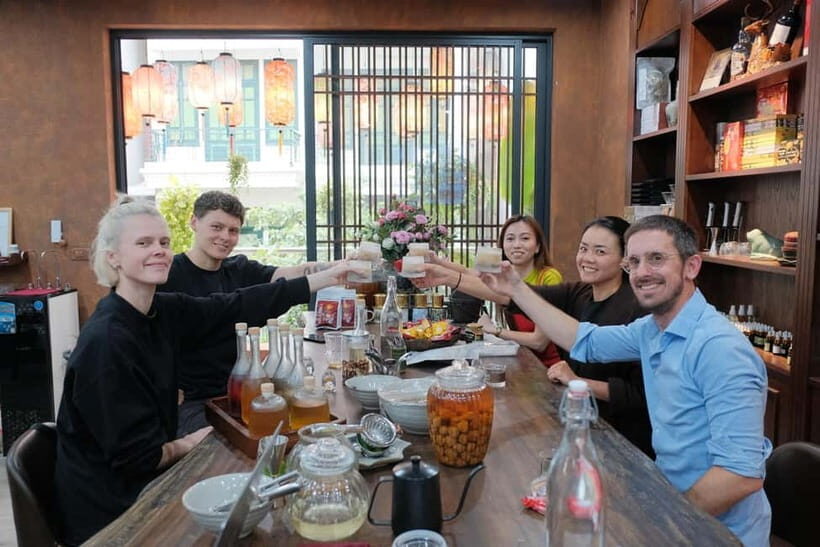
Before you brew anything, you get a structured overview of how coffee became popular in Vietnam and globally. It’s not just a story. It’s a setup for the rest of the workshop, because you learn what to look for later when you smell and taste.
The session covers the growing process of coffee trees and then the roasting process—two steps that shape nearly everything you’ll taste. You’ll also see special green coffee beans, which helps explain why roast matters. Dark roast tastes different from lighter roast, even when the base bean is similar. That kind of framing makes the later brewing lesson click.
This is also where the workshop links quality to process. The team talks about what makes a great cup, and why technique requirements exist. In plain terms: if you copy a recipe without understanding the process, you often end up with watery coffee, harsh bitterness, or weak aroma.
Your Hands-On Brewing Session: Tools, Filters, Grinders, and “Good Cup” Technique
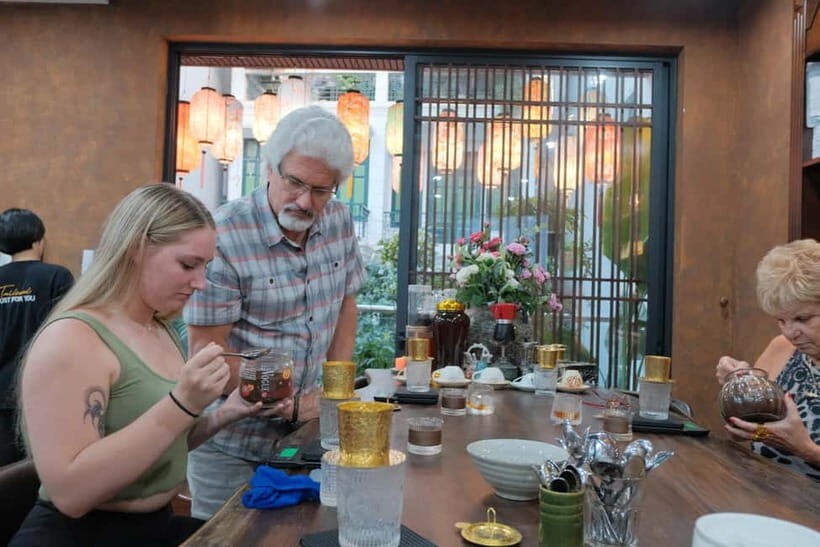
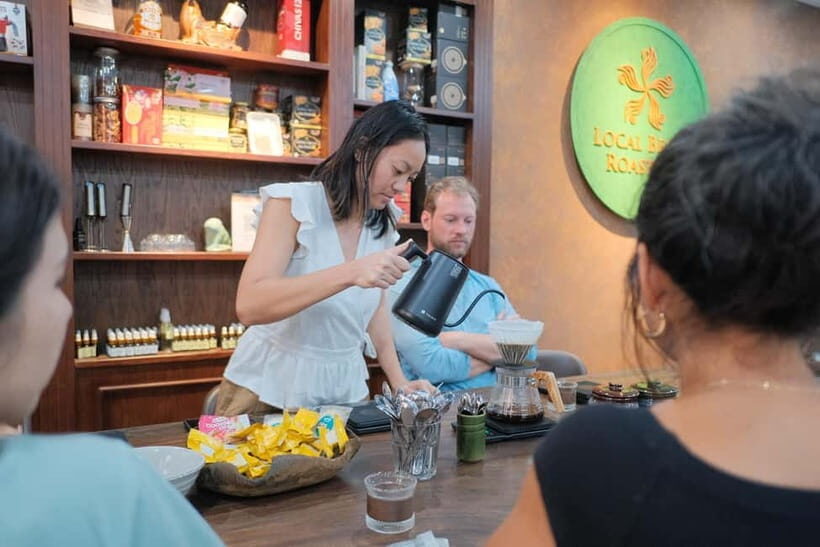
This is the part that makes the experience worth the money. You don’t just watch. You work with tools like filters and grinders, and you learn how to use them so your result is repeatable.
You’ll cover the coffee-making process step-by-step, including technique requirements for a cup that tastes balanced. That includes ideas like consistency—grind size and brewing steps—and the simple reality that coffee can go wrong quickly if timing, ratios, or handling are off.
Another practical element: you learn tips on how to spot coffee that’s not up to par. The workshop frames this as a blend of ingredients and technique. So instead of thinking, I need a better brand, you start thinking, I need a better process.
English instruction also helps here. If you want clarification—how something affects flavor, or what you should change next time—you can ask, and the host can connect it back to what you’re doing in the moment. Hosts you may encounter include Luka, Lin, Giang, Lyon, and Jonathan, and multiple participants highlight their ability to explain and answer questions clearly.
Making Five Iconic Hanoi Cups: What Each Drink Teaches You
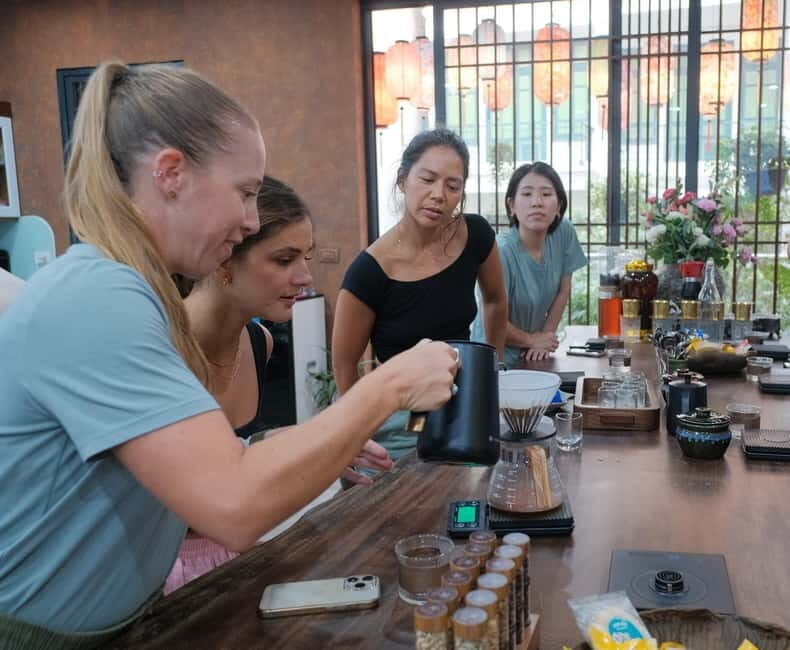
The core of the workshop is making Hanoi-style coffee you’ll actually recognize from Vietnamese cafés. You’ll learn and taste up to five classic brews, and plan on learning their differences by making them, not just sampling.
Here are the drinks you can expect in the main set:
You can also read our reviews of more tours and experiences in Hanoi


Vietnamese egg coffee
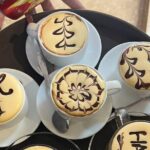
This cup is famous for its creamy top and rich, custard-like feel. The lesson focus is texture and balance—how the egg component interacts with the coffee base. You’ll learn what you’re aiming for visually and by mouthfeel, which makes the recipe less mysterious.
Original Vietnamese brown coffee
Often called Hanoi-style brown coffee, this is where you’ll taste how Vietnamese café culture leans into body and sweetness. You’ll notice how the roast and brew method affect the flavor depth. If you like coffee with a chocolatey, caramel-ish finish, this is usually your anchor cup.
Coconut coffee
Coconut coffee adds a different kind of aroma and softness. The workshop helps you understand how adding coconut changes the overall profile—so you don’t treat it like a gimmick. You’ll learn how to keep the coffee flavor present under the added sweetness.
Pour-over coffee
Pour-over is a useful contrast. It brings you back to fundamentals: aroma clarity and brewing control. Even if the rest of the class leans into Vietnamese café style, this portion teaches you why technique matters—especially water flow and timing.
Vietnamese salt coffee
Salt coffee is the odd one at first. Then it makes sense. The salt changes how sweetness and roast bitterness land on your tongue. The value here is learning that small ingredients can shift the whole balance, not just make coffee taste salty.
Plus: coffee cocktails with jam and local wine
Even if you focus on the main cups, you’ll also get a tasting portion that turns coffee into something more playful. That comes after you’ve done the coffee brewing, so you’re not trying to learn while your palate is already redirected by alcohol.
Coffee Cocktails With Jam and Local Wine: How to Taste Without Getting Lost
The workshop includes signature coffee cocktails with jam and local wine, plus a selection of local Vietnamese wines. The order matters. The class runs coffee first, then moves into the wine portion, so your coffee impressions aren’t fully washed out.
This part can be fun, but it also teaches you something. You’ll taste how sweetness and acidity from jam—and the flavor notes from wine—change how coffee aromas read. If you pay attention, you’ll start to understand why coffee desserts and coffee cocktails are built the way they are.
Practical tip: take small sips and compare. Taste the coffee cup, then taste the cocktail. Don’t rush. If you do, you’ll miss the point, which is learning how flavors stack.
And yes, you’ll want water. Welcome refreshments and snacks are included, so you can keep your energy steady while you learn.
The Food Timing: Lunch or Dinner Built Into the Same Half-Day
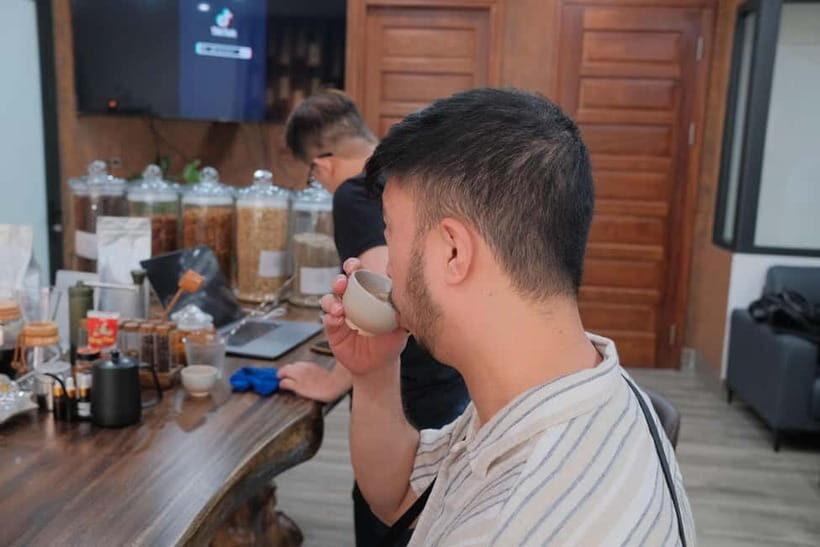
The workshop schedule includes a meal at a local restaurant. The timing is listed as 1.5 hours, and it can work out as lunch or dinner depending on the option you pick.
This is more than a bonus meal. It keeps the experience from turning into a pure caffeine sprint. You can taste your way through coffee, then settle in with food while you continue the casual social side of learning Vietnamese coffee culture.
So if you’re planning your Hanoi day, treat this as a true half-day plan: you’re not just booking a class. You’re building a schedule around a meal and tastings.
What You Leave With: Recipes, Digital Books, and Optional Certificate
One of the best parts is what you can take home. You get a recipe book with the brews you learned, so you can recreate the drinks later without guessing.
You also receive free digital copies of coffee books related to the workshop. That’s helpful if you want to go further than what you covered in class.
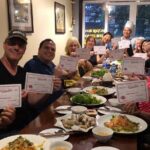
If you want proof of completion, a professional certificate is available if requested. That’s not essential for most people, but it can matter if you’re the type who likes a formal stamp for skills learned.
Price and Value: Why About $23 Can Make Sense Here
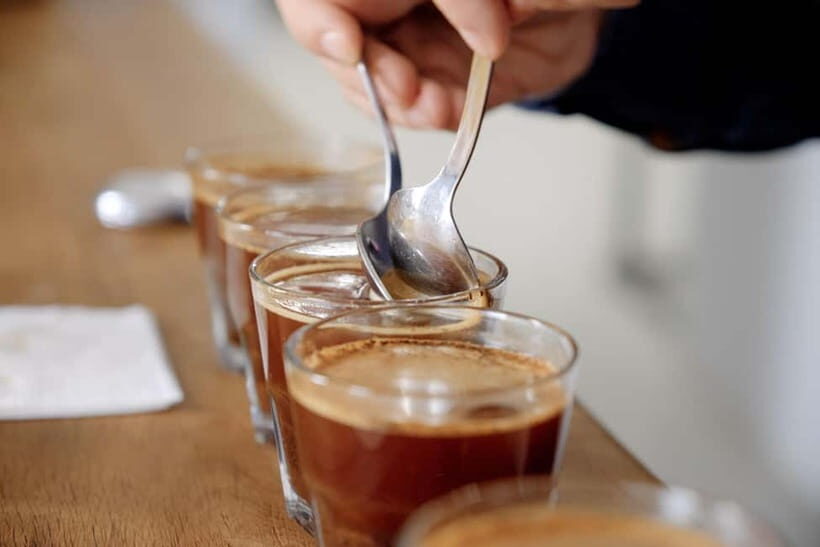
At $23 per person for a 3–5 hour experience, the value is strong when you look at what’s included. You’re getting:
- A structured workshop covering history, cultivation, and roasting
- Hands-on instruction with equipment like filters and grinders
- Up to five core Vietnamese brews you make yourself
- Coffee cocktails with jam and local wine
- Local wine selection, plus welcome refreshments and snacks
- A provided recipe book, plus digital coffee books
Many coffee tastings in Hanoi can feel like paying for drinking time. This one spends the time on making and learning. You’re not only sampling; you’re practicing steps and learning what adjustments create better cups.
One caution on value logic: if you don’t drink coffee, or you want zero alcohol in the plan, you might feel like you’re paying for items you won’t use. But if you’re open to wine tastings and want a skill-based class, it’s priced in the right ballpark for what you get.
Who Should Book This Workshop (and Who Might Skip It)
This works best if you:
- Love coffee and want to understand why Vietnamese cups taste the way they do
- Want hands-on practice with Vietnamese brewing methods
- Enjoy learning with an English-speaking guide who can explain clearly
- Like the idea of combining coffee with a meal and wine tasting
It may be less ideal if you:
- Are very caffeine-sensitive or dislike tasting multiple coffees
- Prefer only one style of coffee (espresso-only, for example), with no variety
- Don’t want alcohol at all, since wine is part of the included experience
Should You Book This Hanoi Coffee Workshop?
If you’re looking for a practical Hanoi food-and-drink experience, this is a solid pick. You’ll learn coffee from bean to brew, then you’ll make multiple iconic Vietnamese drinks yourself. You also get recipes to take home, so the class doesn’t end when the cup is empty.
Book it when you want value and hands-on learning in a short half-day. Skip it if you’re mainly chasing sightseeing time or you really don’t want to drink a lot of coffee or any wine.
FAQ
How long is the Hanoi Ultimate Coffee Workshop?
The experience lasts about 3 to 5 hours, depending on the selected option and the flow of the day.
What does the workshop cost?
It’s listed at $23 per person.
Where do I meet for the workshop?
You meet at Alley 75, Lane 173, Hoang Hoa Tham Street. Stand at the intersection with the big yellow sign that says Bia Hoi Mau Dich.
Is the class taught in English?
Yes, the instructor provides instruction in English.
What coffees will I make during the workshop?
You’ll make up to five Vietnamese brews, including Vietnamese salt coffee, Vietnamese egg coffee, original Vietnamese brown coffee, coconut coffee, and pour-over coffee.
Is wine included?
Yes. The workshop includes signature coffee cocktails with jam and local wine, and you’ll also have a selection of local Vietnamese wines.
Does it include meals?
Yes. The schedule includes time at a local restaurant for lunch or dinner (listed as 1.5 hours).
Do you offer hotel pickup?
Hotel pickup and drop-off are available only within the Old Quarter area. Pickup/drop-off times are usually within a 15–20 minute window.
Is private group service available?
Yes, private group options are available, and some elements of the experience can be customized upon request.