REVIEW · SAPA
Sapa 2-Day Trek & Homestay in Ta Van Village – Be a Local
Book on Viator →Operated by SAIGONESE TREKKING HOUSE · Bookable on Viator
Sapa feels different when you walk with locals, not just tourists. This 2-day trek through Sapa’s rice terraces and ethnic villages ends with a night in a private bungalow in Ta Van, plus hands-on H’mong daily life like garden picking, shopping for dinner, and cooking with your host. I especially like the indigo dyeing workshop, where you make your own natural-dyed fabric as a take-home souvenir.
One thing to think about: during the trek, you may run into extra insistence from people selling items along the way. It’s still a good value experience, but if you hate sales pressure, go in with patience and a clear yes-or-no.
In This Review
- Key points at a glance
- Why this Ta Van trek feels more local than typical Sapa tours
- The walking route: what you’ll see on each day
- Day 1: From Sapa Town to Y Linh Ho, Lao Chai, and Ta Van
- Indigo dyeing night: the skill you can actually take home
- Day 2: Giang Ta Chai, Bamboo Forest, and Su Pan back toward town
- Sleeping in Ta Van: what your homestay setup is really like
- Meals with a host: why this cooking step is worth your time
- Price and value: is $45 a fair deal?
- Who this trek suits best (and who should skip it)
- Practical considerations before you go
- The guide factor: getting meaning from the walk
- Should you book the Sapa 2-Day Ta Van trek & homestay?
- FAQ
- How long is the Sapa 2-Day Trek & Homestay in Ta Van Village?
- Where does the trek start and what villages do you visit?
- Do you get to stay overnight in a homestay, and is it a private room?
- What meals are included?
- Is transportation back to Sapa Town included?
- Is pickup included?
- What cultural activity is included in the evening?
- What’s included in the price?
- What is the cancellation policy like?
- What happens if the tour is canceled due to weather?
Key points at a glance
- Ta Van homestay stay in a private room with local-family dining and time to slow down
- Hands-on H’mong indigo dyeing using natural indigo, with you making your own dyed fabric
- Village-to-village walking through classic Sapa areas like Y Linh Ho, Lao Chai, Ta Van, and Bamboo Forest
- Meal shopping and cooking as part of the experience, not just included food
- Small group size (max 15), which helps the trip feel calmer than big bus tours
- Pickup and a return car to Sapa Town included, so you’re not stuck coordinating transport
Why this Ta Van trek feels more local than typical Sapa tours
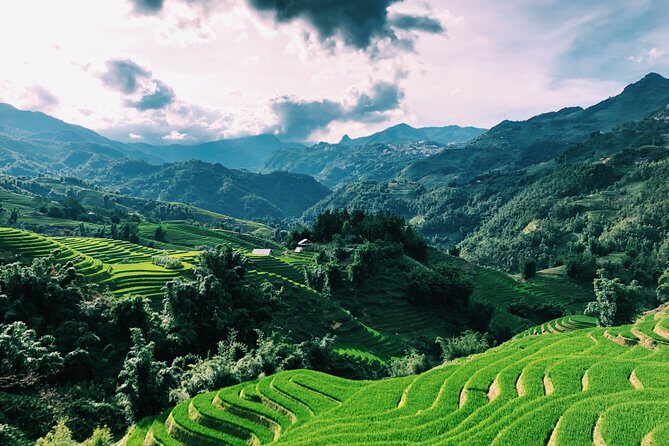
Sapa has a lot of staged experiences. This one tries to do the opposite. You start with a scenic trek connecting villages like Y Linh Ho, Lao Chai, and Ta Van, so the trip isn’t just a quick photo stop. Then you stay overnight in Ta Van at a local house, where daily life is the main event: getting involved with food prep and learning the indigo craft.
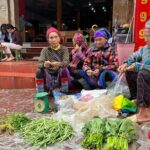
What I like most is that the day doesn’t end when the walking ends. You actually do things with your hosts. Instead of only watching, you help pick vegetables or visit the market to buy ingredients, and you cook dinner together. After that comes the indigo dyeing, which is hands-on and makes a practical souvenir: something you dyed yourself with natural dye.
The trip also stays within a sweet spot for many visitors. Two days is long enough to feel like you left Sapa Town and got into the villages, but short enough that you still get a full night in homestay comfort instead of a multi-day expedition.
You can also read our reviews of more hiking tours in Sapa

The walking route: what you’ll see on each day
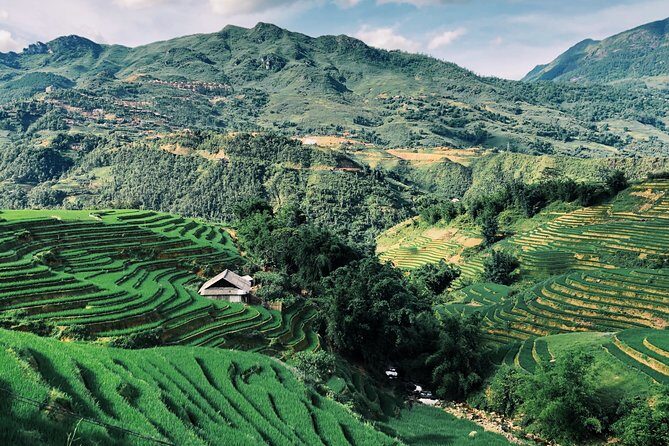
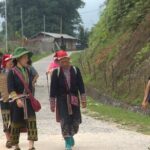
This tour is built around two full trekking days with village stops in between. Expect a mix of mountain paths, village pathways, and viewpoints where the scenery is clearly the point.
Day 1: From Sapa Town to Y Linh Ho, Lao Chai, and Ta Van
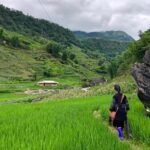
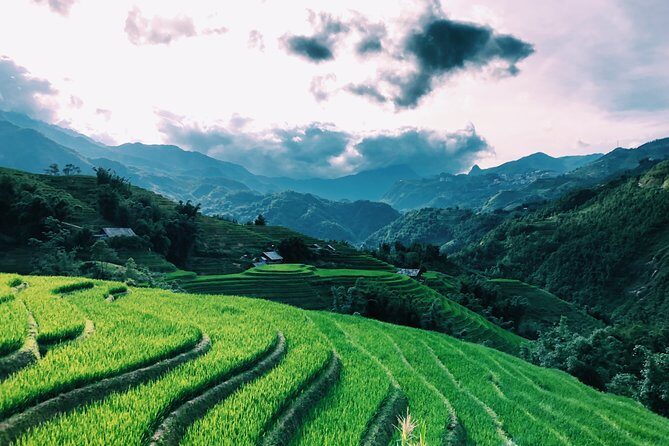
Your first day starts with pickup offered and transport out toward the trekking start. You’ll walk through the areas commonly associated with classic Sapa village scenery, including Y Linh Ho and Lao Chai before reaching Ta Van.
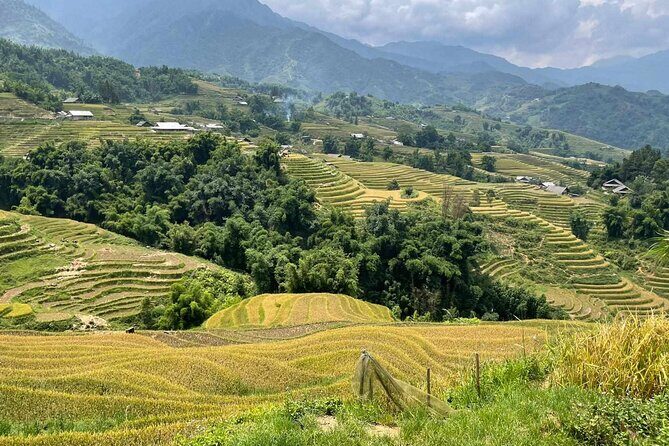
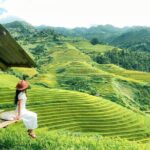
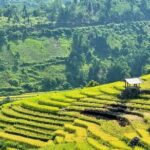
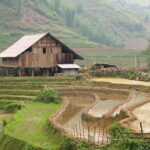
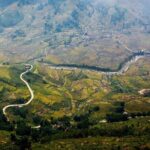
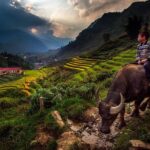
Why these stops matter: they’re part of the Sapa rhythm—rice terraces, small village roads, and houses that feel connected to the land. Even if you’ve seen photos of the terraces before, walking through them is different. You get the sense of how the paths connect homes, fields, and daily routines.
When you arrive in Ta Van, you check in to your private bungalow, unpack, and settle in. This is your chance to slow down. After that, you move from trekking to living: join your host for vegetable picking and/or the village market to pick up ingredients for dinner.
Indigo dyeing night: the skill you can actually take home
After dinner with the local family, you’ll join a H’mong indigo dyeing tradition using natural indigo. Your host shows you the process, and you get your own piece of fabric to dye yourself. The result is a one-of-a-kind textile souvenir made by your hands.
This is the part that makes the tour feel like more than a standard overnight trek. Craft learning gives you a story beyond scenery: you can talk about the dye steps, the natural indigo, and the learning moment rather than only saying the views were great.
(Also, in earlier trips, guides such as Sue have been praised for speaking English fluently and explaining village life clearly, which makes the craft portion easier to follow.)
Day 2: Giang Ta Chai, Bamboo Forest, and Su Pan back toward town
Day two begins with breakfast, then check-out. You continue trekking through Giang Ta Chai Village, the Bamboo Forest, and Su Pan.
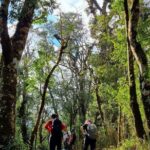
The Bamboo Forest stop is one of those Sapa details that changes the feel of the walk. Instead of only terraces and village edges, you get more of that shaded, quiet mountain environment. It’s a good reset after village walking.
At the end of the trail, a car is waiting to take you back to Sapa Town. That matters more than it sounds: you’re not trying to find transport after trekking when your legs are tired.
One note from real experience: some guides have included a waterfall stop where you can swim, so if that’s of interest, it can be worth asking your guide on the day about any timing for a quick water break.
You can also read our reviews of more tours and experiences in Sapa
Sleeping in Ta Van: what your homestay setup is really like
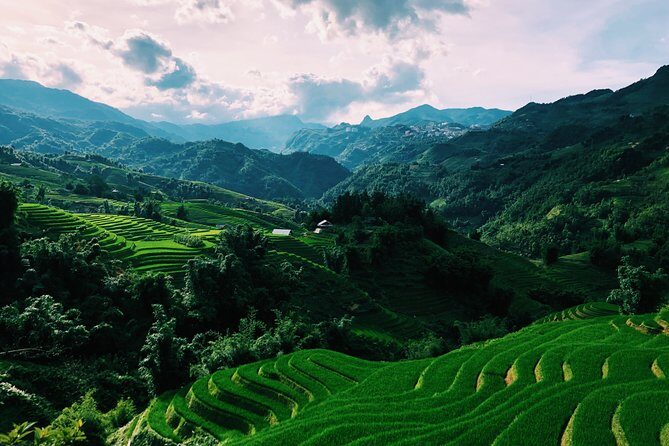
You’ll spend the night at Giay’s Local House (private room). You’re not in a big hotel; you’re in a local setting tied to the community around Ta Van. That usually means more basic, more personal, and more atmosphere than a standard room with identical furnishings.
What this gives you is time. You’re not just dropping in for the night. You get an evening with the family, shared dinner, and the craft workshop after dinner. If you like slower travel—where you can ask questions, watch daily routines, and relax on your own porch or inside your room—this homestay style fits well.
Also, the homestay is included for the price, along with breakfast, lunch, and dinner. That’s part of the value here. You’re not paying extra for meals once you arrive.
Meals with a host: why this cooking step is worth your time
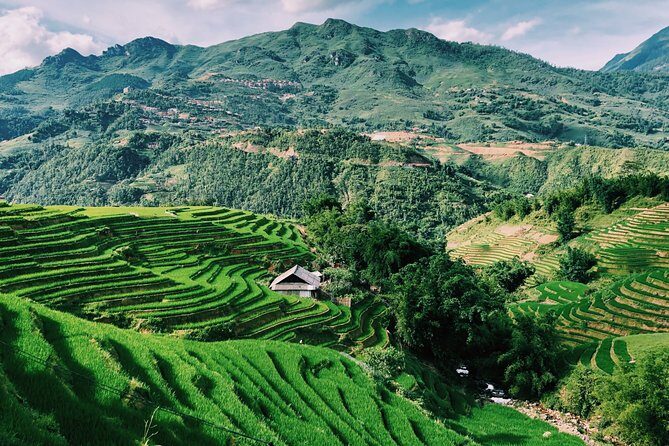
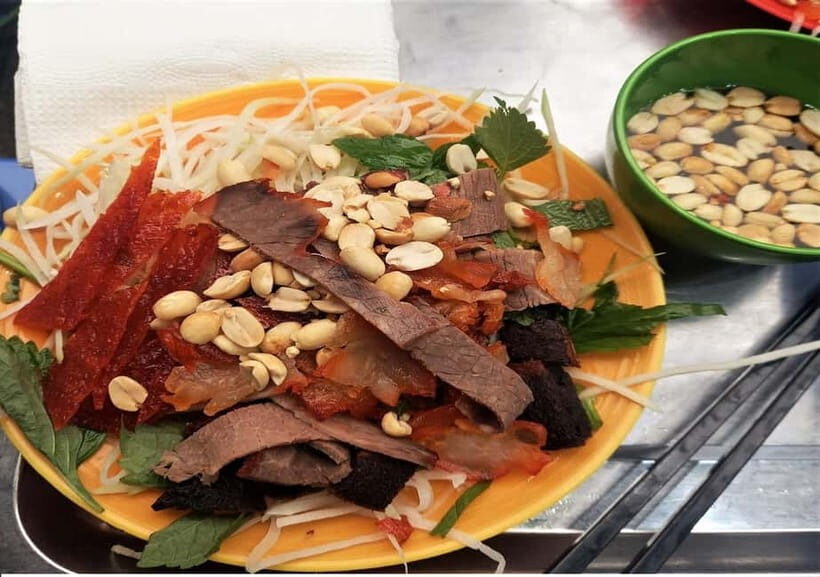
This tour includes breakfast, lunch, and dinner dining with the local family. Dinner is more than a meal. You’ll shop for ingredients and cook together, which turns food into a learning moment.
Here’s why it’s practical: when you cook, you ask real questions. You learn what ingredients matter, how locals time cooking around the day, and what hospitality looks like in that setting. It also creates a reason to talk with your host beyond simple small talk.
If you’re someone who gets hangry easily, this structure is helpful. The itinerary is built around eating together at set moments, and bottled water is included.
Price and value: is $45 a fair deal?
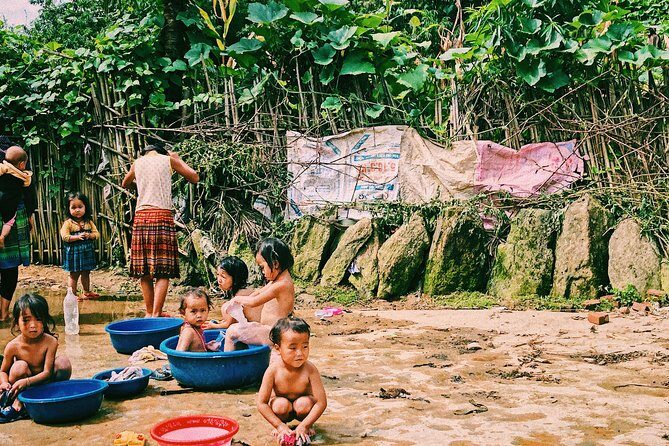
At $45 per person for a 2-day trek with meals, overnight stay, and return transport to Sapa Town, this is strong value—especially compared with tours that charge extra for the homestay or for guiding.
What’s included:
- Breakfast, lunch, dinner with the local family
- Overnight at a local house (private room)
- Transportation back to Sapa Town
- Bottled water
What’s not included:
- Tips
- Insurance
The best way to judge value is to think about what you’d spend if you tried to DIY parts:
- You’d still need a guide for the village routes and cultural context.
- You’d likely pay separately for meals or homestay arrangements.
- You’d need transport logistics for getting back to town at the right time.
So the price isn’t just cheap. It’s the fact that multiple costs are bundled into one sensible package.
Timing tip: it’s often booked around 5 days in advance on average. If your dates are fixed (holidays or weekends), book earlier so you get the exact start that works for you.
Who this trek suits best (and who should skip it)
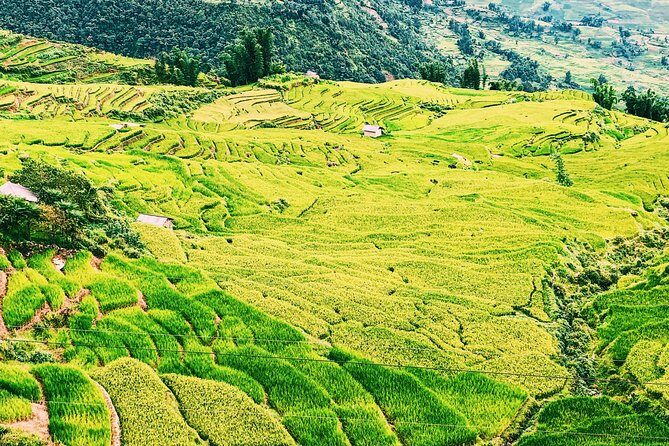
This experience fits you if:
- You want authentic village time rather than only viewpoint photos.
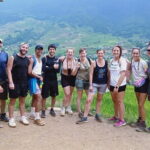
- You enjoy small-group walking and chatting with your guide.
- You want a hands-on cultural activity that leads to a real souvenir, not just a purchase.
It might not fit you if:
- You strongly dislike sales pressure. One drawback that comes up is the pushing from local sales people along the trek. You don’t have to engage, but you should be mentally ready.
- You want a very low-effort schedule. It’s a trek with multiple village areas across two days.
Practical considerations before you go
A few details help you set expectations:
- Weather matters. This tour requires good weather. If poor weather cancels it, you’ll be offered a different date or a full refund.
- Group size is capped at 15. That usually keeps things friendly and manageable, but it’s still not a private tour.
- Pickup is offered and a car brings you back to Sapa Town, which reduces hassle after trekking.
- You’ll get a mobile ticket, and confirmation arrives at booking time.
What I’d do as your prep checklist (simple, not fancy):
- Wear sturdy shoes for mountain paths.
- Bring a light rain layer if forecasts look iffy, since weather can drive changes.
- Pack a small day bag for water and personal stuff during the walk.
The guide factor: getting meaning from the walk
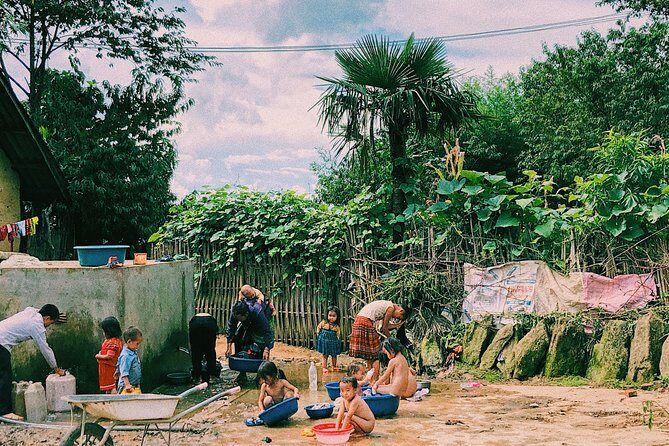
Guides make or break a trek like this, because you’re not just viewing places—you’re moving through village life. In real experiences from the same style of operation, guides like Sue have been praised for explaining village life clearly and speaking English well.
So, look at this as a cultural walk with a story guide, not only a hiking plan. If you ask questions—about daily routines, village roles, or what indigo dyeing means—you’ll get more out of the time than if you treat it like a checklist.
Should you book the Sapa 2-Day Ta Van trek & homestay?
Book it if you want your Sapa trip to include the parts that feel human: walking between real villages, cooking dinner with a host family, and learning an indigo dyeing technique that creates a tangible souvenir.
Skip it or reconsider if you know sales pressure will stress you out, because the trek can include pushy moments from sellers along the route. Also, plan around weather since the experience depends on good conditions.
If you want a good balance of scenery + culture + a meaningful workshop, this is a strong choice for Sapa—especially at this price point and with a small group cap.
FAQ
How long is the Sapa 2-Day Trek & Homestay in Ta Van Village?
It runs for about 2 days.
Where does the trek start and what villages do you visit?
You trek from Sapa Town through Y Linh Ho, Lao Chai, and Ta Van on Day 1. On Day 2 you continue through Giang Ta Chai Village, the Bamboo Forest, and Su Pan.
Do you get to stay overnight in a homestay, and is it a private room?
Yes. You overnight at Giay’s Local House in a private room.
What meals are included?
Breakfast, lunch, and dinner with the local family are included.
Is transportation back to Sapa Town included?
Yes. Transportation back to Sapa Town is included.
Is pickup included?
Pickup is offered.
What cultural activity is included in the evening?
You’ll do an indigo dyeing workshop, using natural indigo, and you can dye your own fabric to take home.
What’s included in the price?
Included items are breakfast, lunch, dinner with the local family, overnight at Giay’s Local House (private room), transportation back to Sapa Town, and bottled water.
What is the cancellation policy like?
Cancellation is free up to 24 hours in advance for a full refund.
What happens if the tour is canceled due to weather?
The experience requires good weather. If it’s canceled due to poor weather, you’ll be offered a different date or a full refund.