REVIEW · SAPA
1 Day Sapa Authentic Trekking ( off beaten track )
Book on Viator →Operated by Sapa Original Trek · Bookable on Viator
A walk in Sapa without the crowds. This one-day hike takes you through off-beaten trails past rice terraces, pine forest, and hilltop villages—exactly the kind of countryside views you don’t get when you stick to the main routes. Two things I really like are the lunch at a local restaurant (built into the price) and the chance to meet ethnic villagers along the way. One consideration: the day can feel intense, especially if you choose the more challenging route, so pack for uneven, down-and-up walking.
What makes it extra practical is the format: it’s a private tour for your group with an English-speaking guide, and you’ll be back at the meeting point after trekking plus transport. If you’re the type who loves photos and real conversations with local people, this is a strong fit—but you’ll want to keep expectations realistic about a 5–6 hour time window.
In This Review
- Key things you’ll notice on this Sapa trek
- The value of a one-day trek that actually gets away from the main paths
- The 9:00 am start and how the 5–6 hour timing shapes your day
- Ta Phin Village and the Suoi Ho Hmong valley: where the trek feels most real
- Giang Cha, Lu Khau, and Saxeng: rice terraces, valley panoramas, and fewer crowds
- Lunch at a local restaurant: one of the best parts because it’s built in
- Pine forest to corn fields and black limestone: why the scenery keeps changing
- Guide impact: how Mr Sinh and Ms Mu shape the day
- Price and what $39 gets you (and what it doesn’t)
- Choosing the easier or harder route when your legs have opinions
- Packing tips for a comfortable off-beaten Sapa day
- Who this trek is best for
- Should you book Sapa Original Trek for a day off the crowds?
- FAQ
- What time does the trek start?
- How long is the experience?
- Where does the tour end?
- Is lunch included?
- Is water included?
- Do I need to pay entrance fees separately?
- Is transport back to Sapa included?
- Is the guide English-speaking?
- Is this tour private?
- What isn’t included in the price?
- FAQ
- Can I cancel for a full refund?
- Are service animals allowed?
- How far in advance should I book?
- Is this suitable for most travelers?
- Is there a mobile ticket?
Key things you’ll notice on this Sapa trek
- Off-beaten village route through Suoi Ho, Giang Cha, Lu Khau, and Saxeng areas
- Pine forest + rice terraces plus the later shift to corn fields and black limestone views
- Lunch included with a local meal during the hike
- English-speaking guidance that keeps the day focused on what you’re seeing
- Private experience (just your group) with a start time of 9:00 am
The value of a one-day trek that actually gets away from the main paths
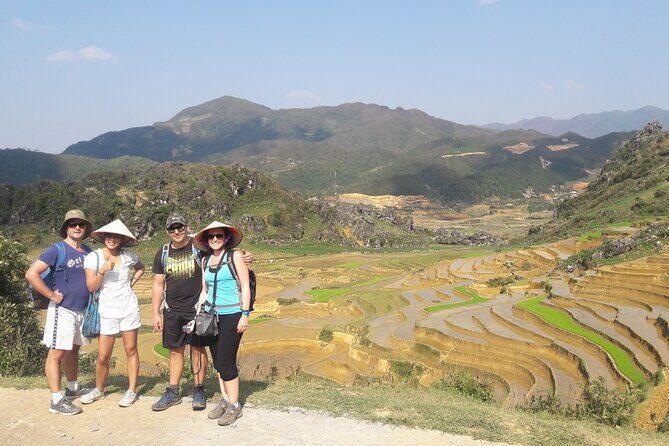
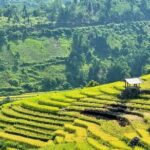
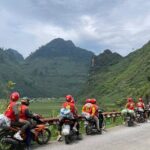
Sapa can be pretty busy, especially on popular trail days. This trek is designed for the opposite mood. You head into areas tourists don’t normally visit, and the route keeps moving through real working farmland—rice terraces, corn plots, and valleys that change view every time the trail bends.
The price is $39 per person, which is the part that makes people pause. But when you look at what’s included—lunch, 0.5 liter of water per person, an English-speaking guide, entrance fees, and car transport back to Sapa—it starts to make sense. You’re not just paying for walking. You’re paying for a guided route into village territory plus the logistics that let you finish the day without backtracking for hours.
My other big takeaway: the trek is built around photography and outdoor time. If you love getting images with context (a valley view plus the story of who lives there), this kind of route is made for you.
You can also read our reviews of more hiking tours in Sapa
The 9:00 am start and how the 5–6 hour timing shapes your day
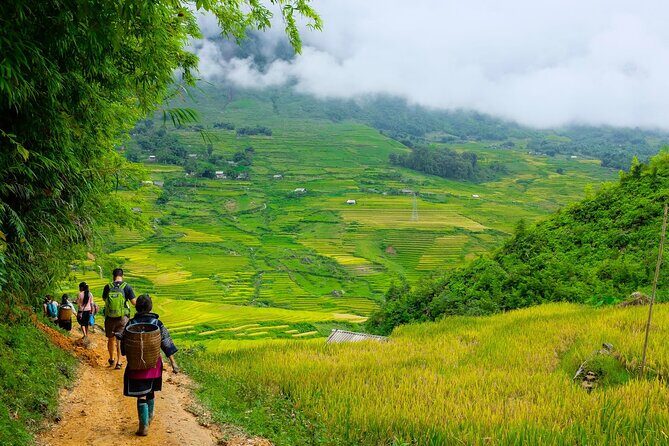
The day runs on a clear clock: it starts at 9:00 am, and the total experience is about 5 to 6 hours. That’s long enough to get proper trail time, but short enough that you’re not stuck for the whole day waiting around.
This timing matters because it affects pacing. You’ll be doing a mix of downhill and uphill sections, plus walk-through village moments (not just photo stops). If you’re planning the rest of your trip, you’ll want to treat this as your main activity of the day.
Also note the tour format: it ends back at the meeting point. So you’re not wondering how to get back on your own after your legs are tired.
Ta Phin Village and the Suoi Ho Hmong valley: where the trek feels most real
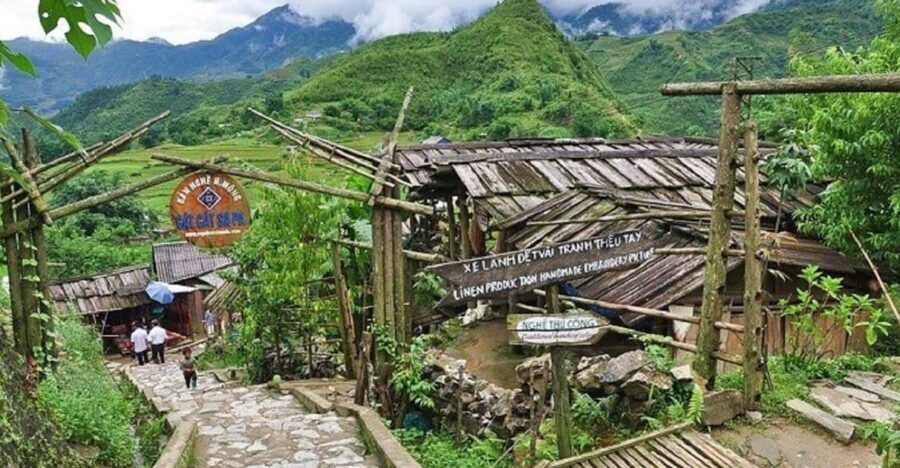
The trek takes you to the Ta Phin area first, then continues through the Suoi Ho region. This is where the walk starts to feel personal and grounded.
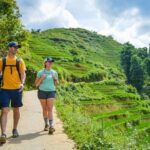
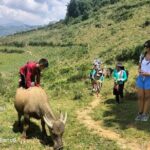
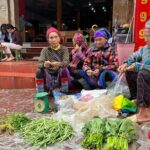
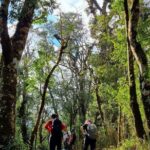
A highlight is the descent into a small valley and the change in scenery as you work your way down. You go through a pine tree forest stretch before reaching Suoi Ho village, a place associated with the Hmong ethnic people. The setting is visual, but it’s also human. You’re not only passing farmland—you’re meeting villagers and moving through daily life.
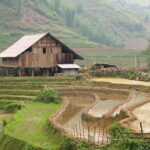
One detail I’d pay attention to if you like culture as much as views: you get a chance to see a traditional wooden house and explore their way of life. That kind of stop helps your photos look less like scenery and more like a moment in a place that still functions.
The trekking here also gives you rice-terrace context early. You’re looking at rice paddy fields as you go, which makes the later farmland views feel connected instead of random.
Giang Cha, Lu Khau, and Saxeng: rice terraces, valley panoramas, and fewer crowds
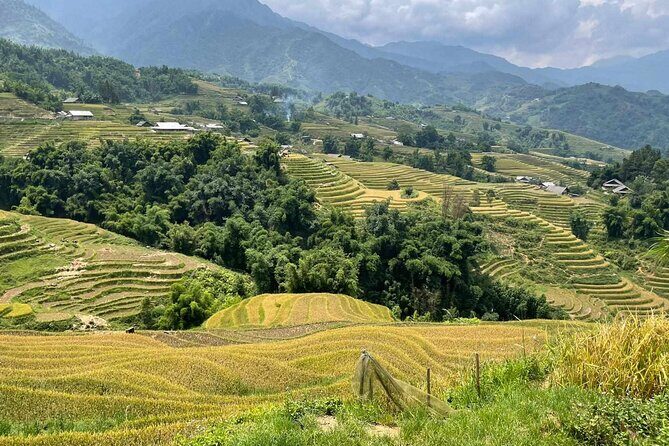
After Suoi Ho, the trail shifts again—toward viewpoints and village-to-village walking. You pass through Giang Cha and keep going toward Lu Khau and Saxeng areas.
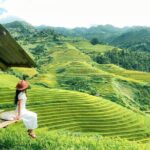
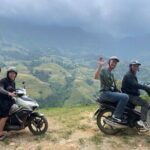
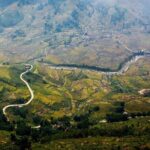
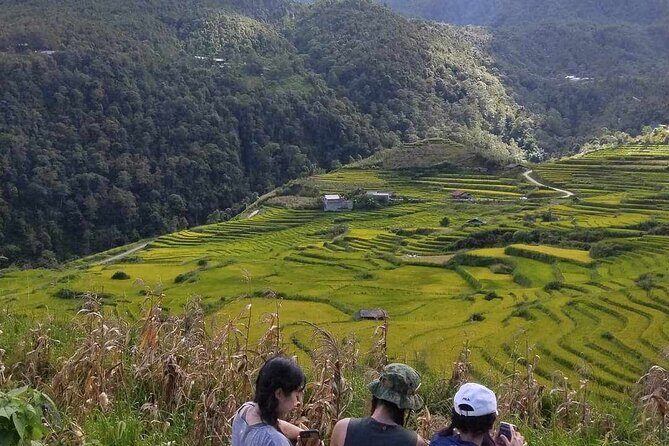
Giang Cha is especially noted for the panorama vibe: you’ll see a broad view over a small valley, which is exactly the moment many people come to Sapa for. But the key difference here is how you get there. The views aren’t handed to you at the end of a short walk. They appear as you’re working your way along—so your photos have depth.
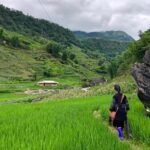
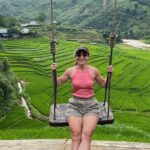
You’ll also be crossing rice paddy areas along the route. That matters because rice terraces aren’t just pretty from far away; up close you get lines, textures, and the way water and planting shape the hills.
One more point from the experience style: the route is designed for fewer tourists. If you’ve ever done a popular Sapa trek and felt like you were dodging groups in every turn, this is the kind of day that lets you breathe.
Lunch at a local restaurant: one of the best parts because it’s built in
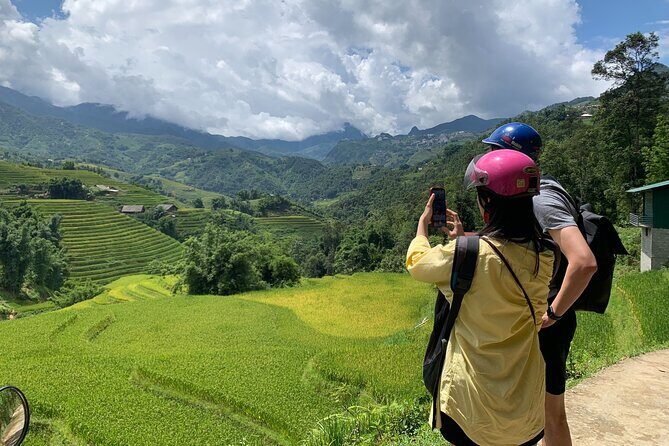
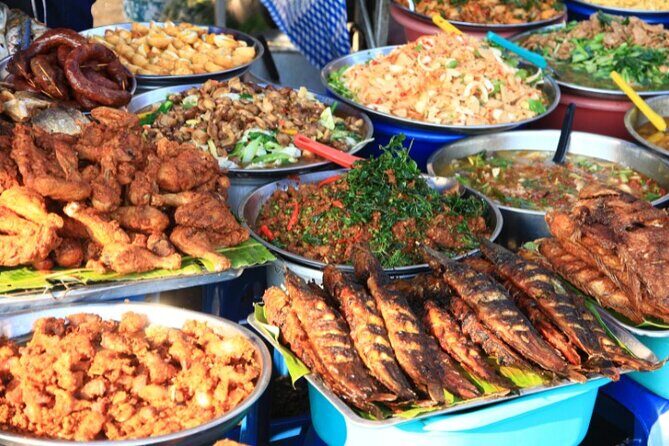
Lunch is included, and it happens during the walk after you’ve put in some hiking time. That sounds simple, but it’s genuinely valuable. When lunch is part of the plan, you’re not hunting for food in a remote spot while your feet feel like bricks.
You’ll eat at a local restaurant, which makes the break feel connected to the area rather than like a pit stop. The tour also includes 0.5 liter of water per person, so you’re not starting the afternoon dehydrated.
What you should do: treat lunch as a real reset. Use the time to stretch, slow your breathing, and think about your last stretch of walking. The day still has more scenery ahead, including farmland changes later on.
You can also read our reviews of more tours and experiences in Sapa
Pine forest to corn fields and black limestone: why the scenery keeps changing
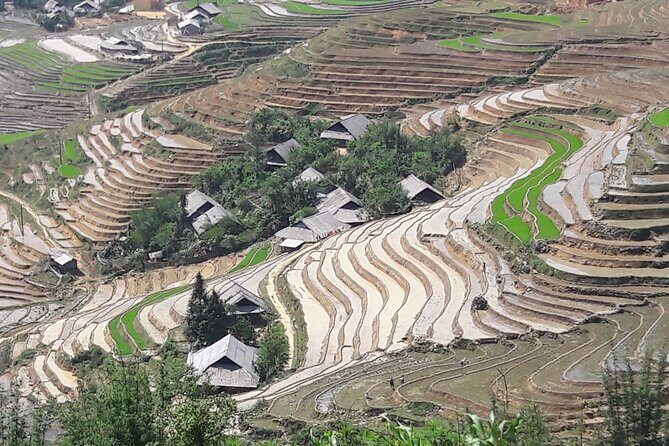
The trek isn’t all rice and valleys. After lunch, the route moves toward corn fields and features black limestone fields. That shift is a big part of why this hike stays interesting even if you’re not constantly stopping for photos.
The black limestone setting is visually distinctive, and it tends to give you dramatic contrast when you take pictures. Corn fields also change the mood from the earlier rice terraces. It feels like you’re seeing multiple “works of the land” rather than repeating the same view type.
You also keep walking down into areas that feel more agricultural and less tourist-focused. That’s the whole point of an off-beaten approach: you don’t just travel to a scenic point—you walk through the places people actually farm.
Guide impact: how Mr Sinh and Ms Mu shape the day
In a small-group trek, your guide can make or break the experience. Here, the guide side is a strong selling point.
I love the approach described by people who got guided by Mr Sinh: friendly energy, and a clear focus on explaining the region and its minority communities. When a guide gives you context, your pauses for photos feel more meaningful.
Another guide style worth calling out is Ms Mu. The vibe here is balanced—she doesn’t talk too much, but she answers questions readily. That matters if you don’t want a nonstop lecture during your walk. You want time to watch, ask, and keep moving.
Either way, an English-speaking guide plus real local knowledge is one of the best ways to make a 5–6 hour trek feel like more than just steps and views.
Price and what $39 gets you (and what it doesn’t)
At $39 per person, this is priced like an “easy decision” if you factor in the inclusions.
Included:
- English-speaking guide
- Lunch
- Entrance fee
- 0.5 liter water per person
- Transport by car back to Sapa after trekking
- Guide-led trek through the listed village areas
Not included:
- Tips
- Insurance
- Personal expenses
- Soft drinks
Here’s the value logic: if you had to arrange a private local guide, transport, and your own route planning separately, it would be hard to match this price. The inclusions cover the practical stuff that usually makes trekking days complicated.
One practical note: since only 0.5 liter of water is included, you may want to bring extra if you tend to drink a lot or if you’re doing this in warmer conditions.
Choosing the easier or harder route when your legs have opinions
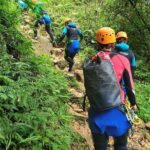
One of the reviews highlights that you may have the option to choose between a simpler and a more difficult route. That’s not a small detail. On a trek day, your “difficulty choice” affects:
- how much time you spend walking uphill versus downhill
- how intense the day feels in the later stretch after lunch
If you’re visiting Sapa on a trip where you also plan other walks, picking the right intensity can help you avoid the classic problem of feeling great at 10:00 am and miserable at 2:00 pm.
If you’re confident on uneven trails and want more challenge, go for the harder option. If you want the same village-and-view experience with less strain, choose simpler.
Packing tips for a comfortable off-beaten Sapa day
The tour includes water and lunch, but your comfort still depends on what you wear.
Bring:
- Comfortable walking shoes with grip (the route includes downhills and uneven ground)
- A light rain layer, because Sapa weather can shift fast
- Sun protection (hat and sunscreen), especially for valley viewpoint time
- A small daypack for essentials
Plan to keep your electronics protected. You’ll likely want your camera ready for rice terraces, pine forest views, and the black limestone contrast after lunch.
And yes—there are villages involved, so keep your behavior respectful and your questions curious.
Who this trek is best for
This is a great fit if you:
- love outdoors and want real trail time
- care about photography with context, not just pretty angles
- enjoy meeting local people and hearing about minority communities
- want a private day rather than sharing your experience with strangers
It’s also a good match for couples, small groups, or anyone who likes the rhythm of a guided hike with lunch handled for you.
Should you book Sapa Original Trek for a day off the crowds?
Book it if you want a structured day with built-in logistics and a route designed for fewer tourist moments. The strongest reasons to say yes are the village-focused walking through areas like Suoi Ho, Giang Cha, Lu Khau, and Saxeng, plus lunch included and return transport.
Skip it or rethink if you know you struggle with intense downhill/uphill walking, even for just 5–6 hours. If that’s you, choose the simpler route option (if available) and be honest about your walking comfort.
If your goal is a day that mixes farmland views, ethnic community encounters, and practical ease, this trek is a very solid choice.
FAQ
What time does the trek start?
It starts at 9:00 am.
How long is the experience?
The trek lasts about 5 to 6 hours (approx.).
Where does the tour end?
The activity ends back at the meeting point.
Is lunch included?
Yes. Lunch is included in the tour price.
Is water included?
Yes. The tour includes 0.5 liter of water per person.
Do I need to pay entrance fees separately?
No. Entrance fees are included.
Is transport back to Sapa included?
Yes. Transport by car from the village back to Sapa is included.
Is the guide English-speaking?
Yes. An English-speaking guide is included.
Is this tour private?
Yes. It’s private, and only your group participates.
What isn’t included in the price?
Tips, insurance, personal expenses, and soft drinks are not included.
FAQ
Can I cancel for a full refund?
Yes. You can cancel up to 24 hours in advance for a full refund.
Are service animals allowed?
Yes, service animals are allowed.
How far in advance should I book?
On average, it’s booked about 10 days in advance.
Is this suitable for most travelers?
Most travelers can participate.
Is there a mobile ticket?
Yes. A mobile ticket is included.