One day, big mountain payoffs.
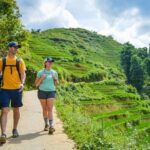
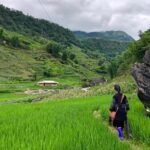
This Sapa trek hits Dragon Jaw–area viewpoints and then threads through villages and forest paths toward Muong Hoa Valley. It’s a rare mix of high-mountain views and real everyday life—H’Mong and Dao communities—without needing multiple days.
I especially like the village access: Hang Da and Giang Ta Chai aren’t just photo stops. I also like how the day is guided by locals such as Nhu, Jacob, TJ, Phenh, and Zo—people who can explain what you’re seeing, from clothing to daily farming routines.
One possible drawback: it’s a real hiking day. Expect steep, uneven steps, and if conditions are wet (June is often rainy), the trail can get muddy and visibility can drop.
In This Review
- Key Things I’d Plan Around
- Why This 5–6 Hour Sapa Trek Fits Real Life Schedules
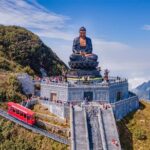
- Morning Start: Pickup, Sapa Church, and the Ham Rong/Dragon Jaw Views
- Hang Da Village: H’Mong Life, Huge Rocks, and Panorama Moments
- Hau Chu Ngai and the Bamboo Forest: After-Lunch Changes You’ll Feel
- Giang Ta Chai Village: Small Museum Visits and Traditional Clothing Clues
- The Walk Itself: Steps, Slopes, Mud, and Walking Poles
- What Lunch Feels Like (And What to Expect If You Want It to Be Local)
- Guides Who Actually Know the Place: Nhu, Jacob, TJ, Phenh, Chu, Zo, and Fin
- Price and Value: Why $35 Can Be a Smart Buy in Sapa
- When Rain Hangs in the Air: Best Months and Sight-Seeing Reality
- Who This Trek Suits Best (And Who Should Skip It)
- Should You Book This One-Day Hidden Trail Trek?
- FAQ
- How long is the Sapa Hidden Trail Trek?
- What’s included in the $35 price?
- Where do we meet for the trek?
- Is the trek suitable for beginners or only advanced hikers?
- What villages and culture stops should I expect?
- What is the cancellation policy?
Key Things I’d Plan Around
- Dragon Jaw / Ham Rong viewpoints: a strong payoff for the effort up
- Hang Da Village: big rocks plus H’Mong culture and sweeping panorama chances
- Bamboo forest section: cooler air and quieter walking after lunch
- Giang Ta Chai village museum: learn the meaning behind traditional clothing and customs
- Mud and uneven steps: wear shoes you trust, not your “nice” sneakers
Why This 5–6 Hour Sapa Trek Fits Real Life Schedules
Sapa can eat your whole day with long drives and slow sightseeing. This trek is built for people who want mountain views and culture in a single outing, starting at 9:00am and running about 5–6 hours in total.
That time window matters because you’ll still be fresh enough to do town strolling after. It also makes the trek a smart “first Sapa day” move if you only have a couple nights in the area.
You can also read our reviews of more hiking tours in Sapa


Morning Start: Pickup, Sapa Church, and the Ham Rong/Dragon Jaw Views
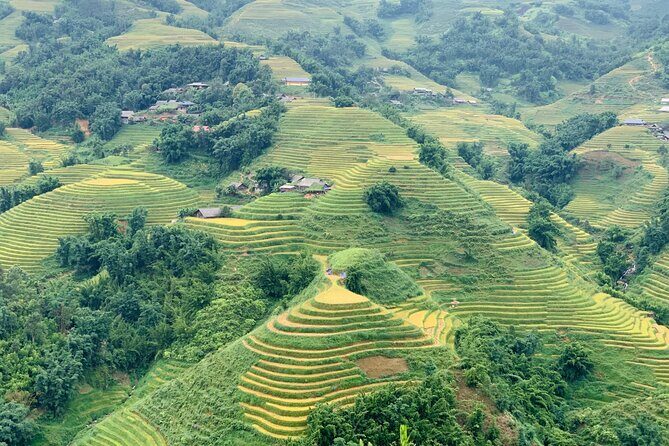
Your day begins in Sapa town with a guide who meets you at your hotel or at Sapa Church. Then you head toward the Ham Rong / Dragon Jaw region, where the big idea is simple: get high enough to see the whole valley pattern.
This is the part that sets the mood. You’ll be walking up in a way that feels more like a climb than a stroll—so bring water, pace yourself, and don’t try to win the race against your calves.
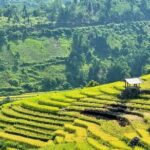
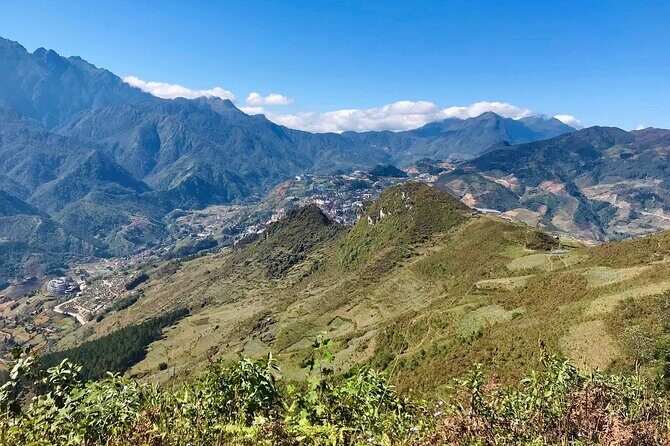
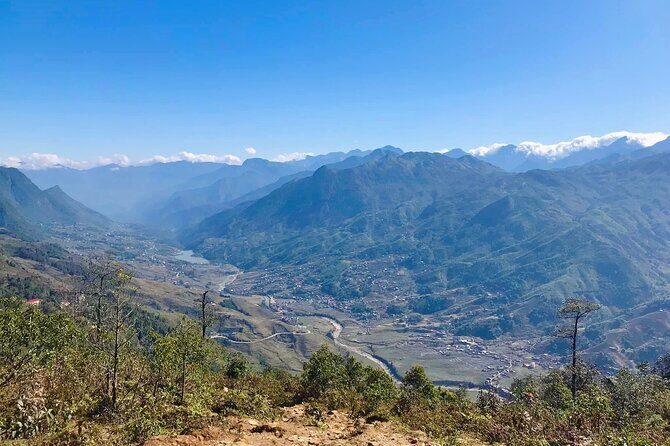
If the weather is clear, the views of Sapa town and the villages along Muong Hoa Valley are the payoff. If it’s misty or rainy, you may get fewer long-distance sightlines, but you’ll still experience the mountain character and village rhythm on the descent.
Hang Da Village: H’Mong Life, Huge Rocks, and Panorama Moments
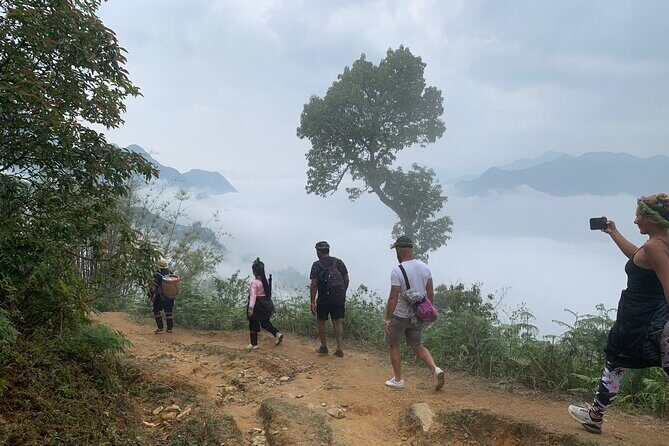
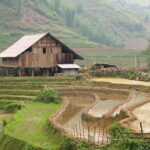
Hang Da Village is where the trek shifts from “mountain scenery” to “human scenery.” This stop is known for H’Mong culture and the dramatic look of the area’s large rock formations.
You also get a chance to pause and look out over the valley. It’s not just about taking photos; it’s about noticing how homes and fields sit in relation to the slopes, and how walking trails become lifelines between villages.
The time here is short, about one hour, so use that hour to ask questions. The guide answers best when you’re curious about practical stuff: how people farm, what plants matter, and what daily life looks like in the off-hours of market time.
Hau Chu Ngai and the Bamboo Forest: After-Lunch Changes You’ll Feel
After lunch, the trek keeps moving into a different vibe: village roads and short stretches of bamboo forest trail. This is often cooler and more sheltered than the open slope sections, and it can feel like a break from the steeper grind.
In this portion, the route continues toward the area around Hau Chu Ngai village, then down to Giang Ta Chai. Expect more uneven ground and more time spent adjusting your footing, especially if it’s been raining.
One reason I like this structure is that your body gets a mental reset after the midday meal. By the time you hit the bamboo segment, you’re usually ready to enjoy the scenery rather than just survive the next step.
Giang Ta Chai Village: Small Museum Visits and Traditional Clothing Clues
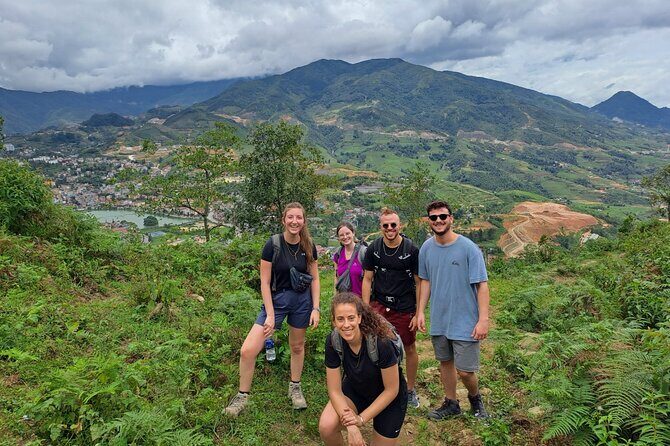
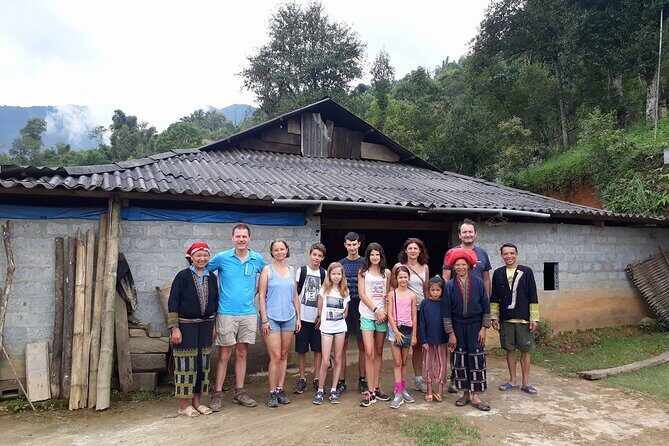
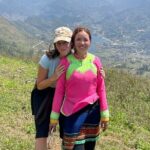
Giang Ta Chai is a smaller community tied to Black H’Mong and Dao people (often described with both Zed Dao and Red Dao in the broader region). Here you’ll visit a small museum where a local guide explains culture and customs.
This is where the trek becomes more than exercise. When you understand why clothing is made a certain way, or what customs connect to seasons and work, the whole day clicks into place.
Time at the village is typically short—around 30 minutes—so think of it like a focused cultural briefing. You’ll get more from that half-hour if you go in ready to look closely and ask simple questions.
You can also read our reviews of more tours and experiences in Sapa


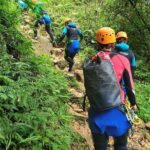
The Walk Itself: Steps, Slopes, Mud, and Walking Poles
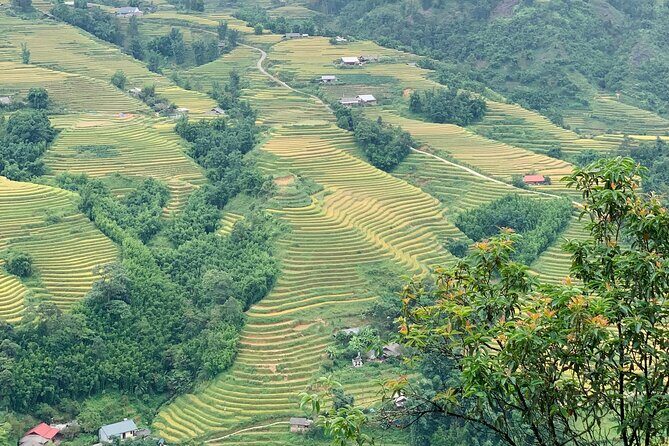
Let’s talk terrain honestly. Even with breaks, you’re doing a serious hike with step inclines and uneven surfaces. People have described the trek as about 6–7 hours of straight hiking time, and one report mentioned around 20,000 steps with plenty of uphill.
So yes: this isn’t a flat nature walk. It suits you best if you’re comfortable with hills and don’t mind changing your rhythm when the trail turns slippery.
If you’re over 40 (or you just know your knees complain), walking poles can help. One very practical piece of advice that showed up in feedback: poles make steep sections easier, especially late in the day.
And bring shoes that can handle mud. Even when the trek is described as fun, the trail can be muddy enough to feel like part of the experience. If you wear lightweight city shoes, you’ll regret it.
What Lunch Feels Like (And What to Expect If You Want It to Be Local)
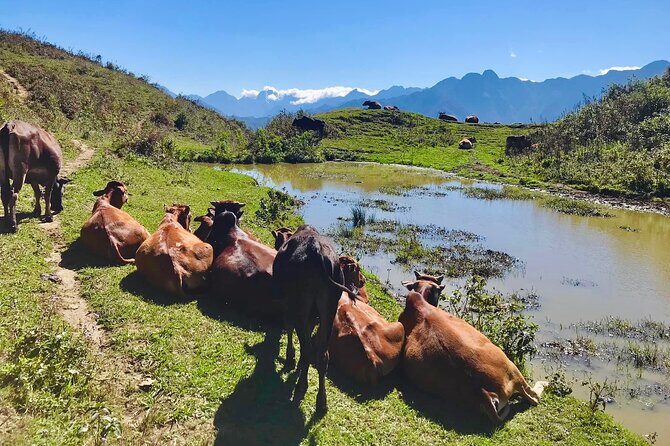
Lunch is included, and you’ll also get bottled water. In most cases, the meal is described as tasty enough to feel satisfying after the climb.
That said, not every group will land on the exact kind of lunch setting they were picturing. One account mentioned food that was more bland than hoped and a lunch location that felt more like a small restaurant than a local home.
My take: go with the right expectation. You’re there for the views and the village conversations, and lunch is fuel. If you want a guaranteed “home-style” meal vibe, you might find it varies with conditions and logistics.
Guides Who Actually Know the Place: Nhu, Jacob, TJ, Phenh, Chu, Zo, and Fin
A big reason this trek consistently scores well is the guide quality. The names you’ll hear in feedback include Nhu (patient and caring), Jacob (helpful for a challenging climb), TJ (knowledgeable and patient), Phenh (flexible with pace), Chu (strong H’Mong insights), Zo (excellent English and culture explanations), and Fin (making the trail feel meaningful).
The common thread is practical storytelling. You’re not just getting a route; you’re learning what you’re looking at—plants, tribes, local routines, and what certain clothing and customs mean.
Even better, some guides adjust the day when needed. One report noted a switch to an easier route so a novice hiker could keep up and still enjoy the scenery.
Price and Value: Why $35 Can Be a Smart Buy in Sapa
At $35 per person, the value comes from what’s bundled in. You’re not paying separately for village entry, and you’re also getting a local guide, lunch, bottled water, and transportation back to town.
That matters because Sapa costs can stack up fast—tickets, guides, and transport add up. Here, the trek price is doing most of the heavy lifting, so you can spend your money on the parts you truly care about: better snacks, extra drinks, or a second day in the mountains.
Also, the time per dollar is solid. About half a day hiking with real cultural stops beats the “half-day tour that feels like a drive” experience.
When Rain Hangs in the Air: Best Months and Sight-Seeing Reality
Sapa weather is the wild card, especially around the rainy season. One experience specifically pointed to June as a time when rain can be a problem for visibility, turning views into cloud or mist.
If you’re visiting in wetter months, you should treat viewpoints as chances, not guarantees. You’ll still see the village life and the mountain textures, but you might lose some of the long-distance “wow” lines across the valley.
If your dates are flexible, earlier spring (around Mar–Apr) and early fall (around Sept–Oct) were suggested as better for trekking conditions.
Who This Trek Suits Best (And Who Should Skip It)
This tour fits you if you want a meaningful day without spending days in transit. It’s great for people who enjoy walking, want culture stops, and don’t mind a bit of challenge.
It’s less ideal if you want a gentle stroll, or if you’re currently dealing with mobility issues or very limited stamina. The trek is described as manageable for people with basic stamina, but it still includes steep inclines, muddy ground, and uneven steps.
If you’re traveling as a small group or with a partner, the experience becomes even better because your guide can answer questions and set your pace.
Should You Book This One-Day Hidden Trail Trek?
I’d book it if you want a strong Sapa introduction: mountain viewpoints, bamboo and village walking, and a culture stop that goes beyond quick pictures.
Skip it if your priority is an easy, flat hike or if you’re not comfortable with muddy, uneven terrain. In wet conditions, the trek becomes more about effort and less about long-distance views—but the village conversations still make it worth it.
FAQ
How long is the Sapa Hidden Trail Trek?
It runs about 5 to 6 hours, starting at 9:00am.
What’s included in the $35 price?
The price includes bottled water, village entry fees, a local guide, lunch, and transportation back to town.
Where do we meet for the trek?
Pickup is offered from your hotel, or you can meet the guide at Sapa Church.
Is the trek suitable for beginners or only advanced hikers?
It’s best for people with at least moderate physical fitness since you’ll be hiking on steep, uneven, and sometimes muddy ground. Some guides can adjust pace or route when needed.
What villages and culture stops should I expect?
You’ll visit Hang Da Village and Giang Ta Chai Village, with cultural context for H’Mong and Dao communities. You’ll also walk through bamboo forest and village roads after lunch on the way toward the next village stop.
What is the cancellation policy?
You can cancel for a full refund up to 24 hours before the experience starts. If you cancel less than 24 hours before, the payment is not refunded.