REVIEW · SAPA
Sapa Mountain Escape: 2-Day Trekking, Rice Terraces & Homestay
Book on Viator →Operated by Sapa Odyssey Tour · Bookable on Viator
Two days in Sapa move fast.
This 2-day trekking escape mixes wide views over Sapa town with village paths, terraced fields, and bamboo forest walking, ending in a Hmong homestay for a real taste of daily life. You also get guide-led stops at culturally important villages, not just photo stops.
My favorite part is how the guide steers the pace and route so the day feels human-sized. I especially like the touch of having a guide like Nhu, who adapted the itinerary to help you avoid crowds when possible and share the area’s culture with real care.
One thing to consider: this is trekking with a moderate fitness level required, so expect walking time, uneven paths, and some climbs (even if the group stays together).
In This Review
- Key things to know before you go
- Sapa’s 2-Day Trek: Why This Style of Trip Works
- Where You Start: Sapa Stone Church and Pickup Reality
- Day 1 Morning: Ham Rong Mountain Views You Can Walk Into
- Day 1 Trek: Bamboo Forest Paths Toward Giang Ta Chai
- Homestay Night: What Family Time Feels Like (and What to Expect)
- Day 2 Morning: Terraced Fields, Coffee Time, and Breakfast at 8:00
- Ta Van Village: Learning the Black Hmong and Giay Differences
- Lao Chai Terraced Fields: Time for Houses, Fields, and Slow Looking
- What $80 Buys You: Value Breakdown That Adds Up
- Pace, Fitness, and Weather: The Honest Planning Notes
- Dietary Options: Vegan-Friendly Isn’t Just a Checkbox
- Who This Trek Is Best For
- Should You Book Sapa Odyssey’s Mountain Escape?
- FAQ
- FAQ
- Is pickup offered for this Sapa trekking tour?
- Where does the tour start and end?
- How long is the trek?
- Is homestay included?
- What meals are included?
- Can the tour accommodate vegan or other dietary needs?
- Is the tour private, and what about cancellation?
Key things to know before you go
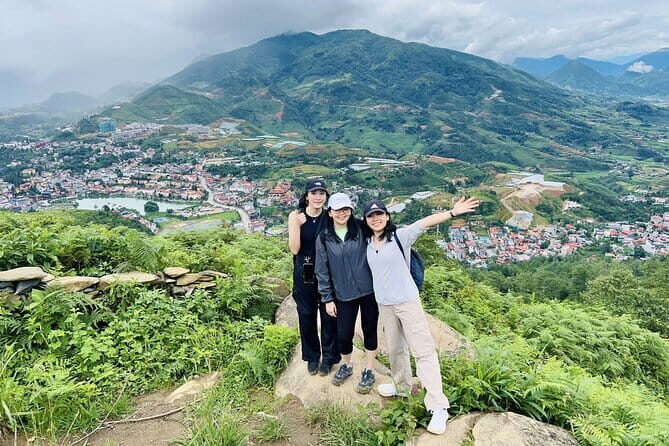
- Homestay with a Hmong family for dinner, tea, and everyday-life moments
- Guide-led village walks that focus on culture, not just scenery
- Two full days of walking with mountain views, terraces, and bamboo forest paths
- Meals and entrance fees included, plus water during the trip
- Private format for your group, even though you’re traveling in Sapa’s region
- Dietary flexibility with vegan/vegetarian options if you request it up front
Sapa’s 2-Day Trek: Why This Style of Trip Works
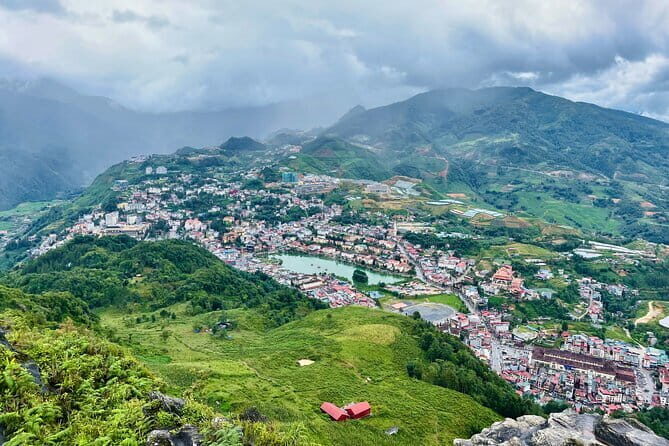
Sapa has a lot of “see-and-snap” tours. This one is different because it strings together several types of walking and scenery, then caps it with time in a family home. You’re in the mountains for long enough to feel like you’ve shifted out of city time.
For me, the smart mix is: big viewpoints in the morning, village paths through the middle, and bamboo forest walking that slows you down. Then you get the homestay piece, where you’re not just passing through a neighborhood—you’re sharing meals and routines for a night.
The trip is also priced in a way that makes sense when you look at what’s included. For $80 per person, you’re covering private transportation, homestay plus all entrance fees, and meals (breakfast, dinner, and two lunches). In practice, that means you’re not scrambling to buy multiple separate add-ons after you arrive.
You can also read our reviews of more hiking tours in Sapa

Where You Start: Sapa Stone Church and Pickup Reality
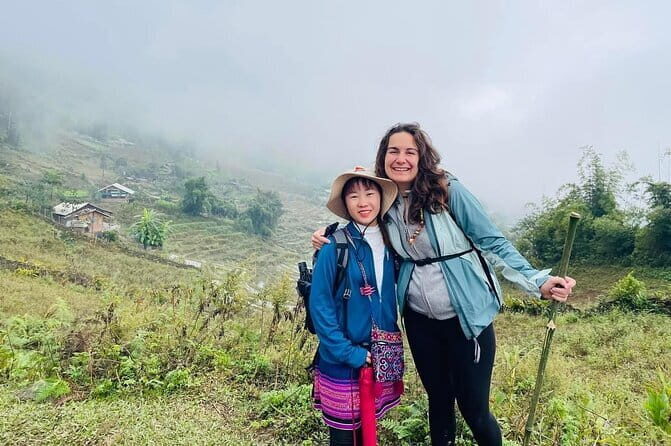
Your day begins back at Sa Pa Stone Church (P. Hàm Rồng, TT. Sa Pa, Sa Pa, Lào Cai). The plan is either pickup from your hotel or meeting at the church, and the guide handles a quick briefing so you know what to expect.
What I like about this start point is clarity. You’re not trying to figure out which alley or guesthouse someone means. And since the tour ends back at the meeting point, your return is straightforward.
This is also set up as a private tour for your group. That can matter a lot in Sapa, where popular routes can feel packed. Even with a private format, you’ll still share the region with others, but the tour’s structure gives your guide room to manage timing.
Day 1 Morning: Ham Rong Mountain Views You Can Walk Into
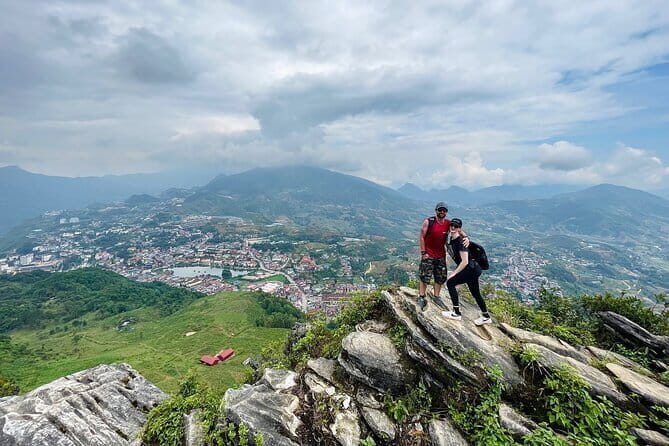
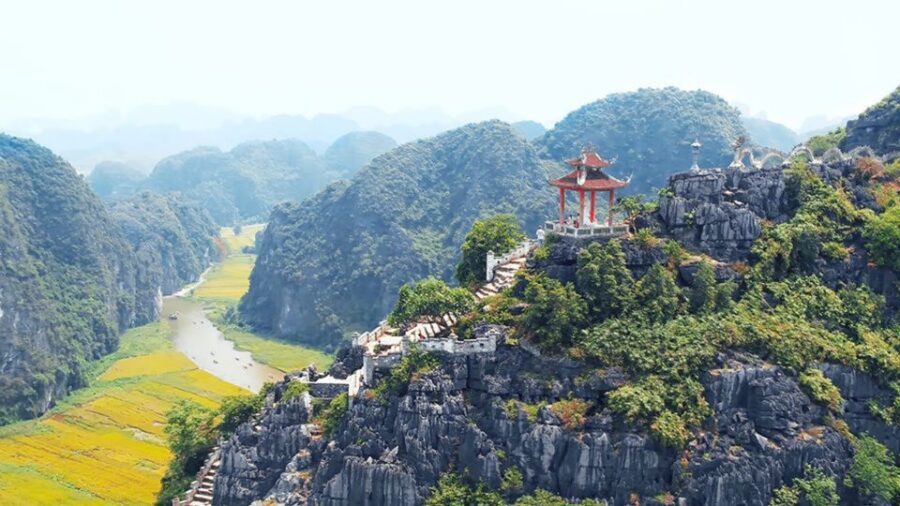
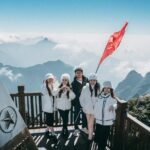
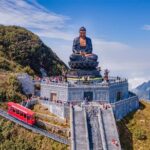
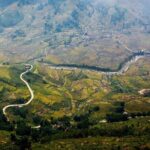
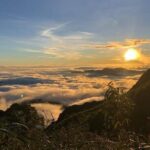
Day 1 starts with a morning push from central Sapa toward Ham Rong Mountain. The schedule gives you about 3 hours here, and admission fees are included. This is a strong “warm-up” location because it frames the region quickly—wide, elevated views over Sapa town and the surrounding valleys.
From a value standpoint, you’re getting a major viewpoint early. If weather or clouds cloud out some long-distance views later, you still have a full morning built around the highest-payoff perspective.
Then you head to Hang Da Village for around 1 hour. This stop is known for H’Mong community culture and scenic surroundings, and admission is included. The time is short enough to stay efficient, but long enough to see more than a doorway or quick roadside view.
Day 1 Trek: Bamboo Forest Paths Toward Giang Ta Chai
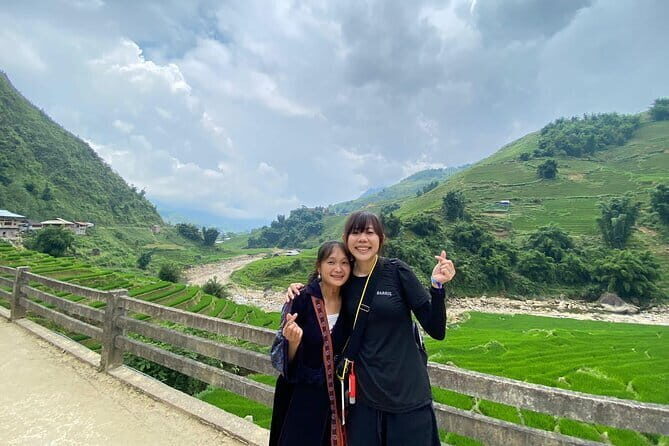
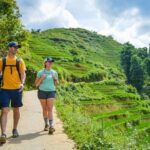
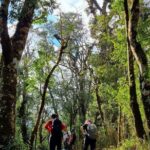
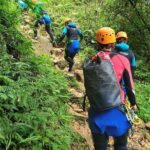
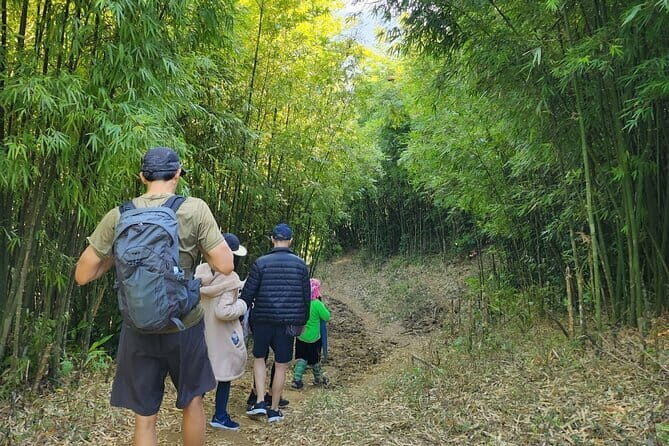
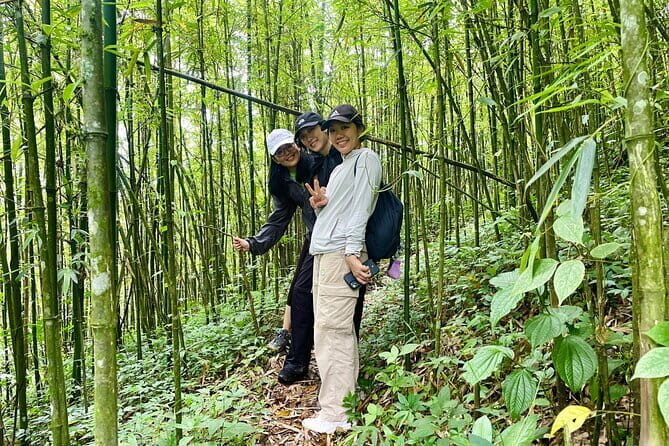
After lunch, the walking shifts from villages and stops into a more trail-focused rhythm. You continue toward Hau Chu Ngai village via picturesque village paths, with short trail sections through bamboo forests. Expect a slower, more scenic pace here, where the walking feels more “on the ground” than “on a platform.”
You’ll also pass through areas like Giang Ta Chai village and the route includes time for transitions between villages. One small detail that I appreciate: some segments list admission as free, while others include paid entrances, so you’re not blindsided by extra tickets mid-day.
By about 3:30 to 4:00 PM, you reach the homestay in Giang Ta Chai village. This is the pivot point of the whole trip. Hosts greet you with tea, and after checking in, you get time to reset before dinner.
Homestay Night: What Family Time Feels Like (and What to Expect)
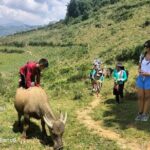
A homestay can mean a lot of things. Here, the key point is the family component: you’re staying with a Hmong family, sharing meals, and getting a glimpse into day-to-day routines like cooking and household life. That’s the heart of why this tour goes beyond the standard trek circuit.
In the schedule, the homestay experience starts the moment you arrive with a warm welcome and tea. That matters because the first moments set the tone—you’re not treated like a quick check-in. You’re guided into the house rhythm.
Practical reality check: because it’s a homestay, you might find lodging setups are simpler than hotels. That’s normal for this kind of travel and usually part of the bargain, but it’s worth remembering if you expect hotel-style comfort.
What also helps: the tour includes dinner, plus breakfast the next morning. That reduces one of the most annoying parts of mountain travel—figuring out meals after a long day.
You can also read our reviews of more tours and experiences in Sapa
Day 2 Morning: Terraced Fields, Coffee Time, and Breakfast at 8:00
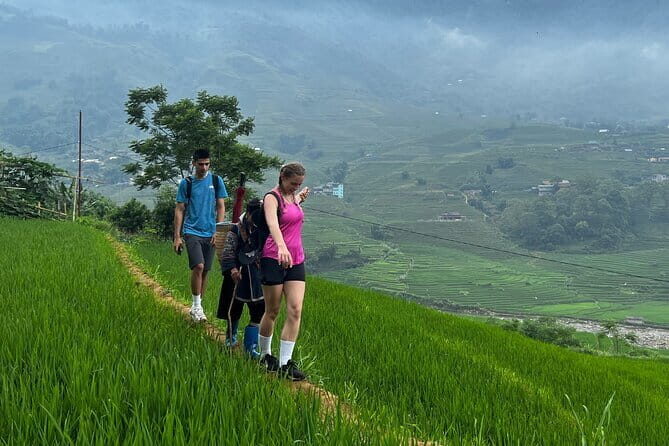
Day 2 begins in the homestay. You’ll wake up in a setting that’s not quite like where you’ll sleep in Sapa town, then enjoy coffee while looking out at the terraced fields. After that, breakfast is served at 8:00 AM.
Then you pack up and say farewell to your hosts. This farewell moment is often short, but it’s meaningful because it makes the homestay feel less like a transaction and more like a shared overnight experience.
From a walking perspective, the morning continues with a stretch of time at Giang Ta Chai village (about 2 hours). This is a good window because morning light often makes terraces and village paths easier to enjoy on foot. Even if the weather shifts, you’ll have already started Day 2 with a strong sense of place.
Ta Van Village: Learning the Black Hmong and Giay Differences
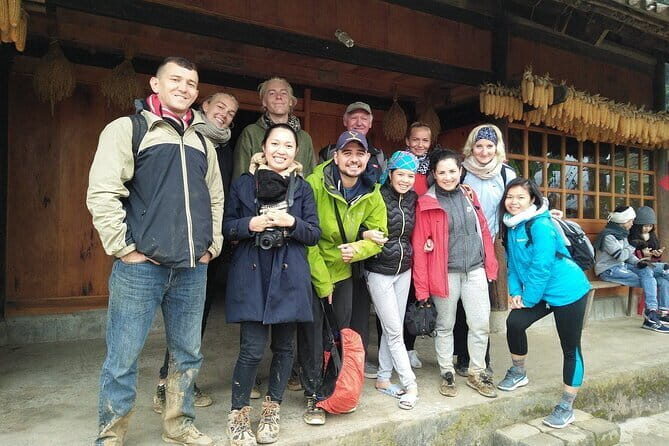
Next up is Ta Van village, reached after emerging from the bamboo forest. This stop is about 1 hour, and admission is included. Ta Van is home to the Black Hmong and Giay ethnic groups.
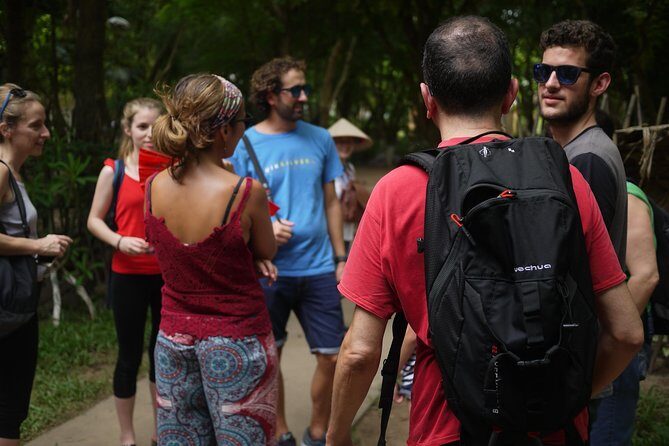
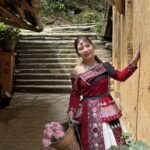
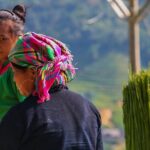
What I like here is that the guide doesn’t treat the villages like interchangeable backdrops. You get cultural context, including the guide’s explanation of distinctions between Black Hmong and Giay groups. When a tour does that, you leave with a clearer sense of what you’re seeing instead of just collecting labels.
If you’re the type who likes to understand why certain houses, clothing styles, or practices look the way they do, this is the hour that pays off.
Lao Chai Terraced Fields: Time for Houses, Fields, and Slow Looking
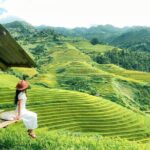
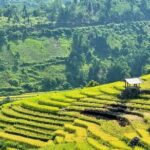
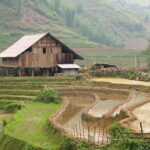
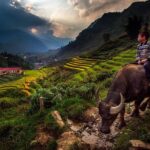
Finally, you move to Lao Chai for around 2 hours. Admission is listed as free for this stop. Lao Chai is known for terraced rice fields and the Black Hmong community, so you get a second look at terraces from a different village angle.
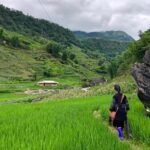
This is where you can slow down and actually look. Since you’re not being rushed nonstop through timed stops, it’s easier to notice details like how the terraces frame the walking routes and how homes sit along slopes.
By the end, the tour wraps back where you started, returning you to the meeting point.
What $80 Buys You: Value Breakdown That Adds Up
Let’s talk value in real terms. For $80 per person, you’re not paying separately for every major piece. Included items are:
- Private transportation
- Breakfast, lunch x2, and dinner
- Water
- Homestay
- All entrance fees (for included stops)
- Group discounts are available depending on booking details
That matters because mountain treks can become expensive quickly once you add up meals, rides, and ticketed attractions. Here, the main costs are packaged, so your budget stays predictable.
You also get the private structure for your group. That can be a big quality-of-life improvement if you’ve ever been stuck behind a line of people on a tight trail.
And again, the guide element is not a small add-on. One review highlights how Nhu adjusted the itinerary to help you be alone as often as possible and kept the focus on culture and local context. That kind of on-the-ground flexibility can turn a scheduled trek into a trip that feels tailored.
Pace, Fitness, and Weather: The Honest Planning Notes
The trip is listed for travelers with moderate physical fitness. That’s the right warning label: you’ll likely manage the walking if you’re comfortable hiking a few hours and handling uneven ground. You probably won’t find this fun if you want a totally flat, gentle stroll.
Also, Sapa weather can change quickly, and mountain trekking depends on trail conditions. The schedule is structured (with set arrival times and homestay check-in), so you’re not making decisions on the fly. But you should still dress for conditions that could shift, because the trek happens outdoors.
The upside is that the route itself is varied. You get a blend of mountain views, village paths, bamboo forest trail time, and terrace viewpoints. Variety helps your legs and keeps your eyes from getting bored.
Dietary Options: Vegan-Friendly Isn’t Just a Checkbox
Food can be one of the hardest parts of trekking. Here, the tour states you can be vegan-friendly, and dietary restrictions like vegetarian and gluten-free can be accommodated if you note them at booking.
That’s useful because it removes guesswork. You should still share your needs early, because a homestay kitchen runs on what’s planned for the day.
If you have food restrictions, this is one of the stronger reasons to pick this tour style instead of an on-your-own trek.
Who This Trek Is Best For
This tour fits best if you want more than photos and you like cultural context as you walk. I’d especially recommend it for:
- First-time Sapa visitors who want terraced views plus village culture in a tight window
- People who like walking with a guide but still want a calmer pace
- Anyone who values a homestay overnight experience rather than just doing a day hike
- Travelers who have dietary needs and want that handled by the tour team
If you’re chasing a purely adrenaline trek with no cultural component, you might find the village stops feel more structured than you expect. But if your goal is to understand Sapa at human speed, this is a solid match.
Should You Book Sapa Odyssey’s Mountain Escape?
I’d book this if you want a well-rounded 2-day plan that includes the expensive parts up front—transport, meals, and homestay—while still giving you guide-led stops at key villages. The best sign is the guide focus: stories about Nhu point to real effort with pacing and route choices so your group doesn’t feel swallowed by crowds.
Skip it if you’re not comfortable with moderate trekking or if you want a strictly hotel-style comfort level. And do be honest with yourself about fitness; the experience is great, but it’s still a trek.
If that sounds like your kind of trip, this Sapa Mountain Escape is one of the clearer choices for getting both views and real local life into two days.
FAQ
FAQ
Is pickup offered for this Sapa trekking tour?
Yes. You can either be picked up from your hotel or meet the guide at Sapa Church for the start.
Where does the tour start and end?
The tour starts at Sa Pa Stone Church (P. Hàm Rồng, TT. Sa Pa, Sa Pa, Lào Cai, Vietnam) and ends back at the same meeting point.
How long is the trek?
It runs for 2 days (about 1 night).
Is homestay included?
Yes. The price includes a homestay with a Hmong family, plus all entrance fees.
What meals are included?
Breakfast is included, along with dinner and lunch (listed as two lunches). Water is also included.
Can the tour accommodate vegan or other dietary needs?
Yes. The tour states it can accommodate vegan, vegetarian, gluten-free, and other dietary restrictions if you indicate them at booking.
Is the tour private, and what about cancellation?
It’s private, meaning only your group participates. Cancellation is free, and you can cancel up to 24 hours in advance for a full refund.