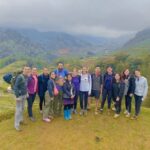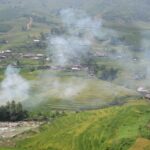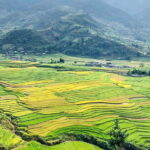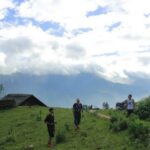
One road. Ten villages. Endless views.
This is a one-day Sapa motorbike tour that focuses on real hill-tribe life and the terraced rice scenery you dream about, not just the same viewpoints. You’ll ride the Muong Hoa Valley, stop in villages like Thanh Phu, Sin Chai, and Nam Cang, meet families in stilt houses, then circle back through Ta Van, Lao Chai, and Y Linh Ho.
What I like most is the mix of culture-first village visits and the feeling of riding through the rice terraces instead of only looking at them. One drawback: it can be a bumpy day, and if you’ve never ridden a motorbike, you’ll want the option of a personal driver who lets you ride as a passenger.
In This Review
- Key highlights that make this tour worth your time
- Why this Sapa motorbike loop works so well
- Meeting at 9:00 AM: pickup that keeps the day smooth
- Getting the Muong Hoa Valley rhythm: scenic riding before the villages
- Thanh Phu, Sin Chai, Nam Cang: the hill-tribe day people usually miss
- Stilt homes and real conversations: what these culture stops actually give you
- Hmong lunch by a stream: a calm break that doesn’t kill the momentum
- Ta Van, Lao Chai, Y Linh Ho: classic terraced fields with breathing room
- The bumpy-reality part: safety, weather, and what to wear
- Price and value: why $50 can be a smart deal here
- Who should book this tour (and who should skip)
- Should you book this one-day Sapa hidden-village motorbike tour?
- FAQ
- FAQ
- What time does the tour start and end?
- Where will I be picked up?
- What’s included in the $50 price?
- Is travel insurance included?
- Do I need experience riding a motorbike?
- What lunch is provided?
- What villages will we visit?
- What should I bring for the tour?
- Is the tour offered in English?
- Is the tour suitable for pregnant women or wheelchair users?
Key highlights that make this tour worth your time
- Hidden-village routing: Thanh Phu, Sin Chai, and Nam Cang (plus the more famous Ta Van, Lao Chai, and Y Linh Ho later)
- Stilt-home and family stops: you’ll have time to see daily life and learn customs directly from locals
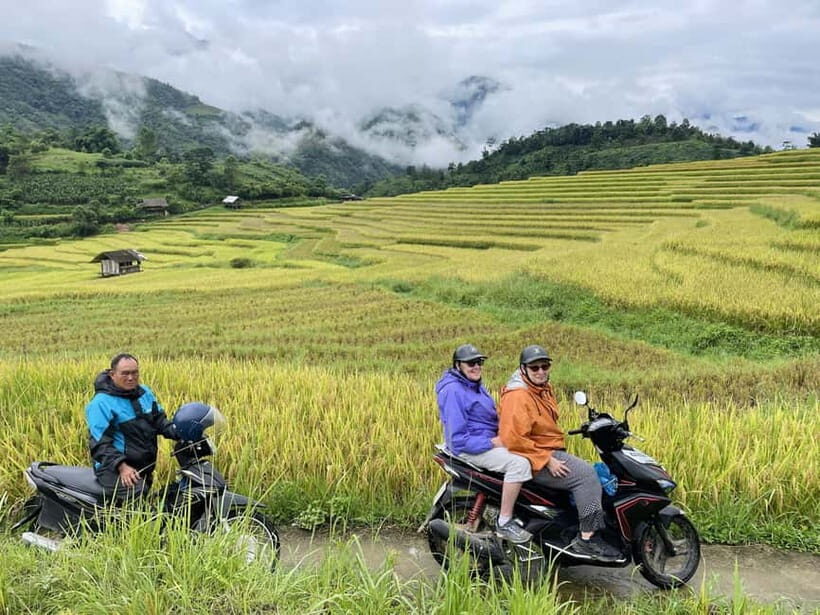
- The Muong Hoa Valley ride: scenic countryside roads plus terraced rice views from the motorbike
- Hmong lunch by a stream: a traditional mountain meal break in a calm setting
- Safety-minded local drivers and guides: you get an upfront briefing and support all day
Why this Sapa motorbike loop works so well
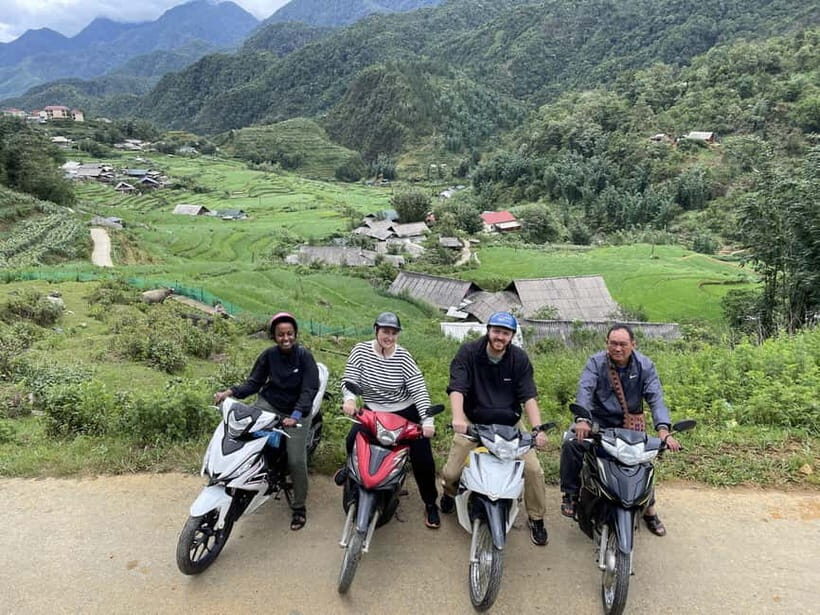
This tour hits the sweet spot between adventure and human connection. Morning to afternoon, you’re moving through the Muong Hoa Valley, but the day isn’t just about driving from A to B—it’s about reaching places that most visitors skip.
I especially like that the route includes both lesser-known villages and the classic Sapa terraced areas. That gives you context: you see how different ethnic groups live, then you also get the iconic rice-field panoramas later, when the light and mood can feel even more dramatic.
You should also know what kind of “hidden” this is. You’re not trying to find a secret cave. You’re getting off the main foot-traffic circuits and taking the roads that locals use.
You can also read our reviews of more tours and experiences in Sa Pa.
Meeting at 9:00 AM: pickup that keeps the day smooth
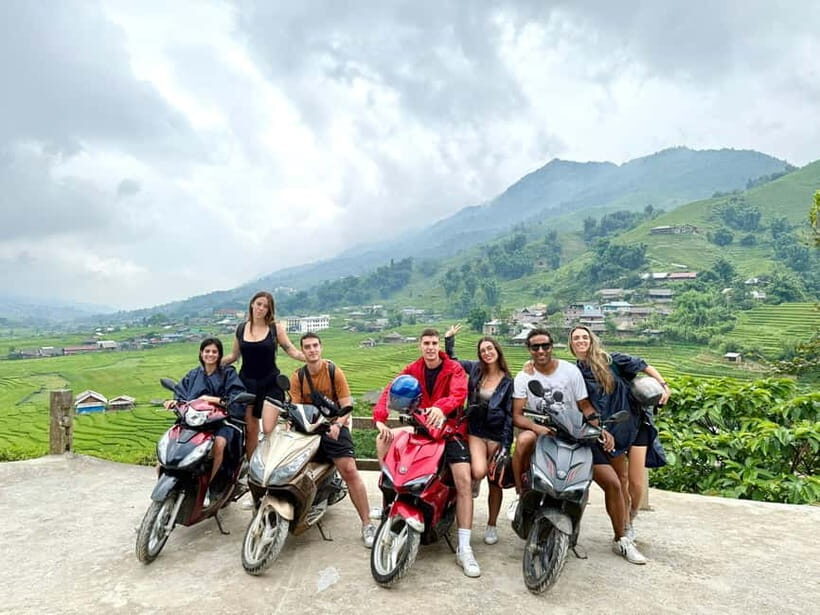
You start at 9:00 AM, with pickup either from your Sapa hotel or in front of the Stone Church in the town center. It’s a practical start time: early enough to beat the busiest part of the day, but not so early you’ll feel half asleep by the time the terraces appear.
Before you roll out, your guide gives a quick itinerary briefing and shows you how to handle the motorbike safely. That “how-to” matters—especially if you’re new—because this is not a slow city cruise. It’s mountain roads with turns, uneven stretches, and occasional bumpy sections.
If your comfort level is low, the good news is the tour explicitly offers a workaround: you can request a personal driver and sit on the back for an additional $13.
Getting the Muong Hoa Valley rhythm: scenic riding before the villages
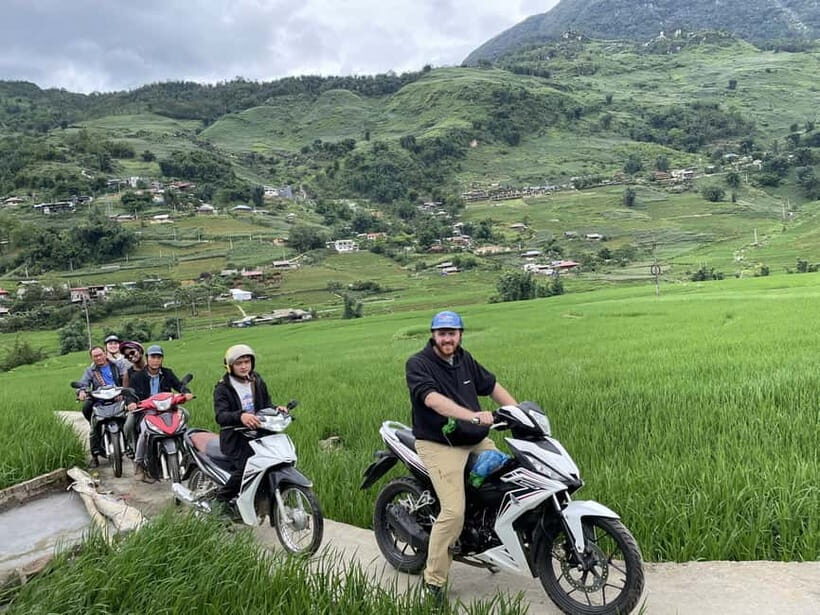
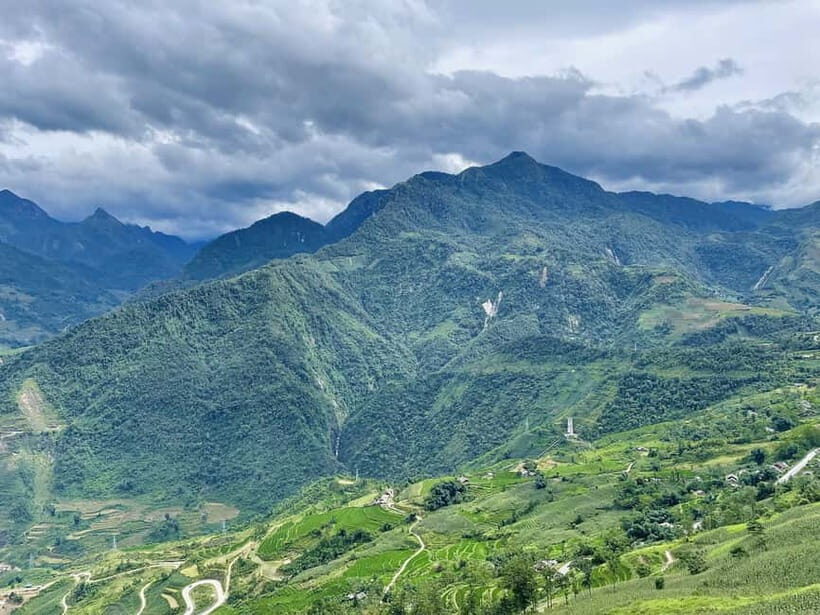
The first stretch follows the Muong Hoa Valley, passing peaceful countryside and rice terraces as you head toward the remote areas. This part sets the tone. Even before you stop at a home or a terrace viewpoint, the ride gives you the “Sapa feeling”—cool air, green slopes, and the sense that the land is being worked with care.
You’ll be on the motorbike long enough to rack up real photo opportunities, but the guide also keeps the day structured. That means you’re not just speeding through scenery—you’re arriving at villages ready to learn and talk, not just stare from a distance.
The valley roads also explain why a good driver matters. One of the best review details was how experienced drivers handled the bumpy parts while keeping everyone comfortable and safe. In other words: you get adventure, not chaos.
Thanh Phu, Sin Chai, Nam Cang: the hill-tribe day people usually miss
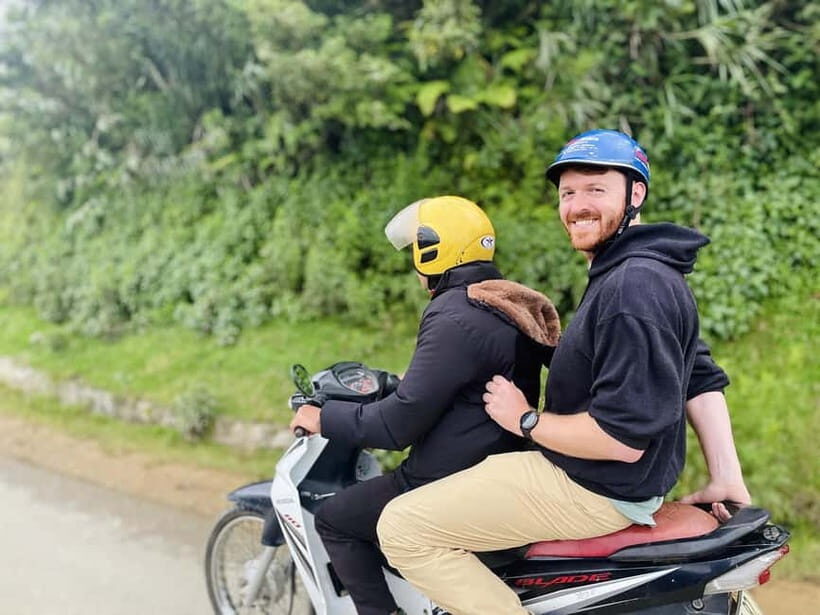
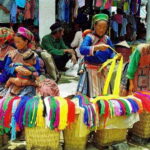
Your main “off-the-beaten-path” stops are the villages of Thanh Phu, Sin Chai, and Nam Cang, where you’ll encounter multiple ethnic groups such as the Black H’mong, Red Dao, Tay, and Xa Pho.
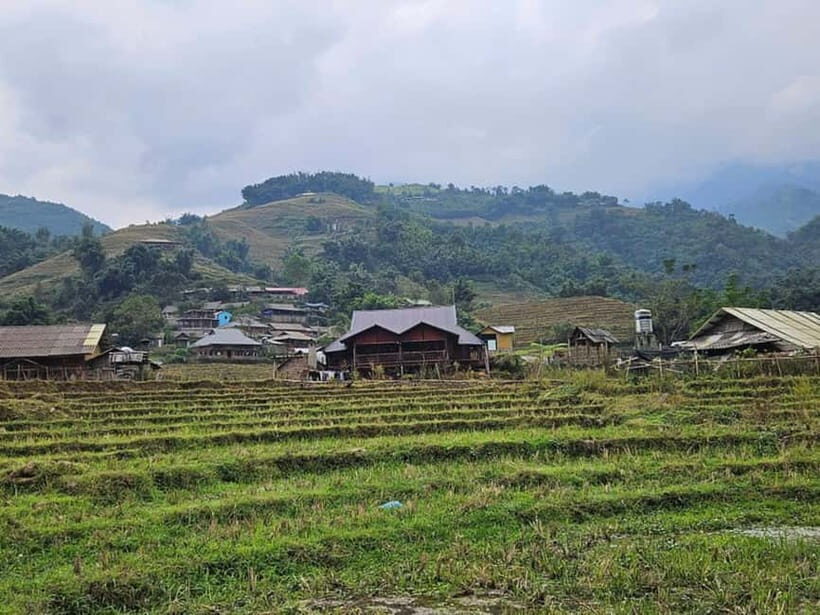
This is where the tour shifts from scenery to daily life. You’ll explore lesser-known village areas surrounded by terraced fields, and you’ll stop at local homes to observe traditional wooden stilt houses.
What you’re learning here isn’t a scripted performance. It’s about how communities organize work, family life, and traditions across generations. You’ll likely have questions—and your guide’s job is to turn those questions into real answers.
I found it useful that different guides bring different communication styles. For example, guides like Sinh and Lucas were praised for answering questions and helping with photos, while Chu was noted as friendly and open-minded. That kind of guide energy can make the difference between a stop you rush through and a stop you remember.
Stilt homes and real conversations: what these culture stops actually give you
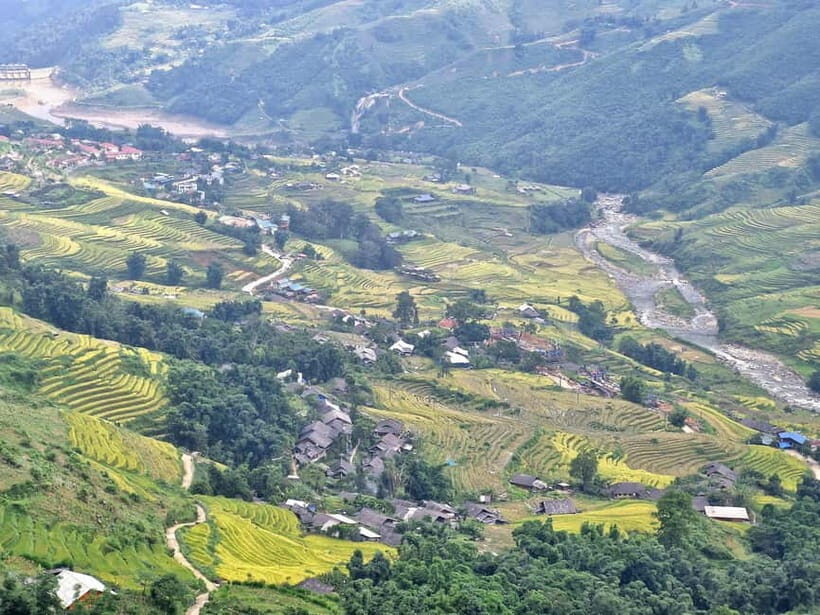
The home visits are the heart of the day. You get a chance to interact with families, see the stilt-house setup, and learn about daily life and customs.
Here’s the practical value: when you meet people in their home space, the terraces stop being “pretty background” and start being part of the story. The fields, the water, the seasons, and the workload all connect back to how communities live.
It’s also a good day for learning a few words. One guide experience noted that the group even traded English, Vietnamese, and Hmong words. You don’t need to be a language wizard. Even small attempts can make conversations warmer and more respectful.
One small caution: you’re walking around in village settings, sometimes on uneven ground. Comfortable shoes aren’t optional—this is not a sneakers-only day.


Hmong lunch by a stream: a calm break that doesn’t kill the momentum
After Nam Cang, the tour returns toward the center of the Muong Hoa Valley and takes a break with traditional H’mong lunch by a peaceful stream. This is a smart pause. You’ve already ridden and visited homes in the morning, and lunch gives you a reset before the afternoon terraces.
The food is described as home-cooked mountain flavors. So even if you’re not chasing spicy dishes, plan for something local and filling. And yes, the setting matters—eating by the stream makes the whole day feel less like a checklist.
If you’re the type who gets grumpy when tours rush meals, this is one of the few parts that feels intentionally slow. You’re given a real break, not just a quick bite while standing.
Ta Van, Lao Chai, Y Linh Ho: classic terraced fields with breathing room
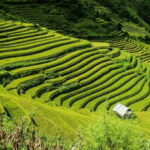
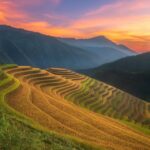
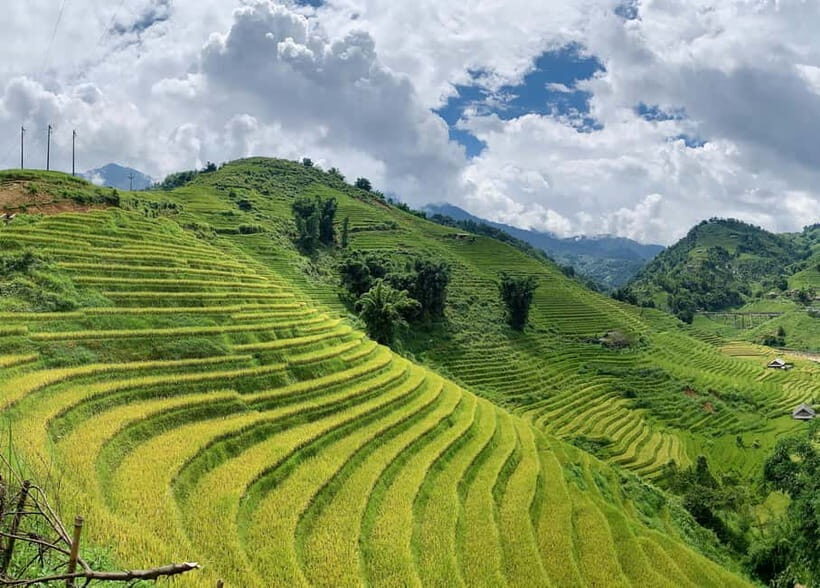
In the afternoon you head to Ta Van, Lao Chai, and Y Linh Ho, which are known for terraced rice and panoramic views. This is where you’ll feel the postcard side of Sapa—viewpoints, long field lines across hillsides, and quiet village paths.
The motorbike makes a difference here. You’re able to cover multiple areas without spending the day walking long stretches on steep ground. One guide experience even highlighted that the tour offered a perfect mix, including a chance to walk, so you’re not completely stuck on the bike.
Photo lovers usually get a lot from this part of the route. Multiple guides were noted for helping take pictures, including Lucas, who took many pictures for one guest. Even if you travel with your camera on autopilot, you’ll still get good angles here because the terraces are literally built for wide views.
The bumpy-reality part: safety, weather, and what to wear
Let’s talk about the one thing that can make or break your day: road comfort. Some roads are described as very bumpy, and you should expect uneven surfaces at points. The key is how drivers handle those sections.
Across guide notes, experienced drivers kept things safe and comfortable. One example: Tom and his fellow driver were praised for good driving even with a real bumpy ride, and nobody felt unsafe. That’s the standard you should look for—and thankfully, this tour includes a private driver plus guide support.
Weather matters too. Fog isn’t automatically a dealbreaker; one guide-led day with Lucas was still described as fantastic even when fog rolled in. The practical takeaway: pack warmth anyway, because mountains can shift fast.
What to bring is clearly spelled out:
- Comfortable walking shoes
- Warm clothing
- Hat
- Camera
- Sunscreen
- Insect repellent
Also keep in mind: this tour isn’t suitable for pregnant women or wheelchair users, and it involves motorbike riding and walking.
Price and value: why $50 can be a smart deal here
At $50 per person, you’re paying for more than a ride. The tour includes a private driver, an English-speaking guide, water, lunch, and ticket entrance costs.
That combination is where the value usually comes from in Sapa. If you tried to piece this together yourself, you’d likely end up paying separately for transport, a guide, and the entry costs—plus you’d spend time figuring out routes and timing between villages.
There is one optional add-on: if you can’t ride or you’re not comfortable riding, the personal driver option costs $13 extra so you can sit on the back. That can be a very reasonable “pay once, ride easy” choice.
Bottom line: this tour feels like good value when you want local access, a structured day, and help with language, timing, and safety.
Who should book this tour (and who should skip)
This is a strong choice if you want:
- Real cultural contact through village home visits
- The best mix of terraced field views plus local life
- A day that’s active but organized, ending around 3:00 PM
You should consider booking if you’re comfortable with the idea of motorbike travel on mountain roads. If you’re new to riding, don’t “tough it out.” Request the personal driver. Your comfort helps your entire day.
You should skip if you can’t manage a motorbike day and moderate walking, or if the constraints apply: pregnancy and wheelchair use.
Should you book this one-day Sapa hidden-village motorbike tour?
If you want Sapa to feel personal—through stilt homes, hill-tribe village life, and terraced rice riding—this tour is a solid bet. The guide support makes a real difference, and the day is planned so you get both the lesser-known villages and the classic views.
I’d book it if your priority is authenticity over pure sightseeing, and if you’re ready to handle a bumpy road sometimes. If you’re worried about motorbike riding, choose the personal driver option from the start. You’ll still get the culture stops, the stream-side lunch, and the terraced-field photos—just with less stress.
FAQ
FAQ
What time does the tour start and end?
The tour begins at 9:00 AM and typically returns to your hotel or to Sapa town around 3:00 PM.
Where will I be picked up?
Pickup is available from your hotel in Sapa or in front of the Stone Church in the town center.
What’s included in the $50 price?
The price includes a private driver, an English-speaking guide, water, lunch, and ticket entrance.
Is travel insurance included?
No. Travel insurance is not included.
Do I need experience riding a motorbike?
You should be ready to ride a motorbike. If you have no prior riding experience or can’t ride, you can request a personal driver for an additional $13 so you ride as a passenger.
What lunch is provided?
You’ll have a traditional H’mong lunch during a break by a peaceful stream.
What villages will we visit?
You’ll visit Thanh Phu, Sin Chai, and Nam Cang, then continue to Ta Van, Lao Chai, and Y Linh Ho in the afternoon.
What should I bring for the tour?
Bring comfortable shoes, warm clothing, a hat, a camera, sunscreen, and insect repellent.
Is the tour offered in English?
Yes. The guide speaks English.
Is the tour suitable for pregnant women or wheelchair users?
No. It’s not suitable for pregnant women or wheelchair users.