REVIEW · SAPA
Mount Fansipan 2 Days Trek – Roof of Indochina
Book on Viator →Operated by Trekking Tour Sapa · Bookable on Viator
Two days up Fansipan is a real test. This trek goes into the Hoang Lien Son area, where you’ll watch vegetation change with altitude and you might even spot wildlife like mountain goats or langur monkeys. It’s also set up as a small-group climb (up to 15), with local Hmong guides who focus on what you’re walking through, not just where you’re going.
Two things I especially like: the porter service that helps take the heavy work out of the climb, and the way the guide points out details like cardamom plants and their local uses. If you’re lucky, you’ll get a guide like Pao, Chu, Zhu, or Phung, and you’ll get explanations that stay practical and easy to follow.
One drawback to plan for is simple: weather can affect summit views, and the second day starts very early while it’s still dark. The tour needs good conditions, so if it’s cloudy, you may still reach the peak but the dramatic panorama might be muted.
In This Review
- Quick highlights
- Entering the Fansipan game plan from Sapa
- Day 1: Sapa to Tram Ton Pass and the 2,200m rhythm
- Day 1’s bigger value: learning the mountain while you walk
- Day 2: the dark-start breakfast and the summit push
- The summit zone: what you’re really going for besides views
- How the included porter support changes the hike
- Food and timing: keeping energy steady for a 2-day push
- Transportation: why the ride to Tram Ton is part of the deal
- Price and value: what $185 covers (and what you’ll likely add)
- What to pack for cold mornings, dark starts, and muddy paths
- Who this Fansipan trek suits best
- Should you book Mount Fansipan 2 Days Trek – Roof of Indochina?
- FAQ
- How long is the Mount Fansipan 2 Days Trek?
- Where do I meet the group, and what time does it start?
- What does the trek cost?
- Is pick-up included?
- What’s included with the tour?
- Is there a cable car option?
- What kind of fitness level do I need?
- How big is the group?
Quick highlights

- Hoang Lien Son nature reserve: a protected area tied to high biodiversity, including 100+ orchid varieties.
- Altitude change you can feel: giant pine, yellow bamboo, then dwarf bamboo near the top.
- Early-day summit strategy: breakfast before the last stage, then a climb to Fansipan Peak.
- Porters so you keep moving: porter service with a 3-to-1 sharing setup plus gloves included.
- Included meals and entry fees: breakfast, dinner, lunch (2), and the Hoang Lien National Park entrance fee.
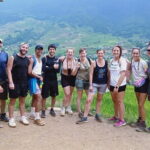
- Small group feel: maximum 15 travelers, plus a local English-speaking guide.
Entering the Fansipan game plan from Sapa
Fansipan is often sold like a big headline. This trek treats it like a hike you can actually manage, with help built into the schedule and gear. You start in Sapa, meeting at Sapa Church or your hotel around the morning start window (listed as 8:30 AM meeting, with the activity showing a 9:00 AM start).
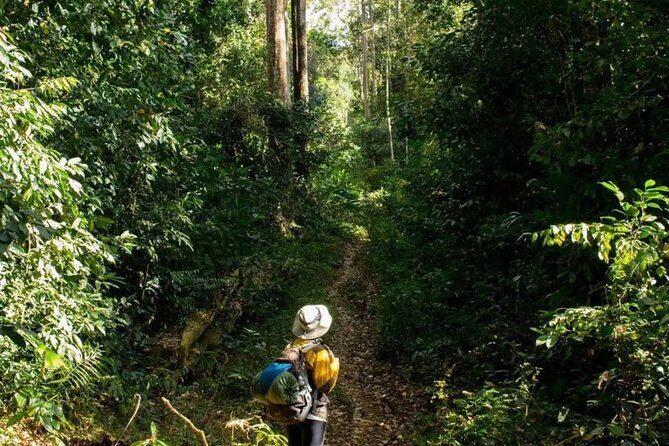
Your transfer gets you moving toward the trailhead at Tram Ton Pass. From there, the whole point is the change in conditions as altitude rises—different plants, different textures underfoot, and different levels of effort. Hoang Lien Son is a nature reserve, so the route is designed to protect the ecosystem while still giving you the best experience on a short 2-day push.
The vibe here is hands-on. You’re not just ticking a box. You’re learning what you’re stepping through, including how people in the region use plants like cardamom.
You can also read our reviews of more hiking tours in Sapa
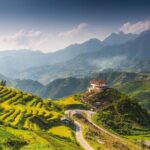
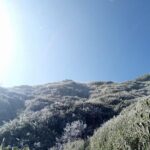
Day 1: Sapa to Tram Ton Pass and the 2,200m rhythm
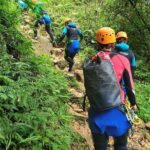
Day 1 is all about building momentum. After the guide intro, you transfer from Sapa town to Tram Ton point and start hiking from there. The pace is set to get you up to higher ground without turning it into a full-body punishment before day two.
A key stop is at Tram Ton Pass, where you’ll pause to observe cardamom plants and learn about their uses in the local area. This matters because it changes how you look at the forest. Instead of seeing “trees,” you start noticing what’s growing and why it matters to people who live there.
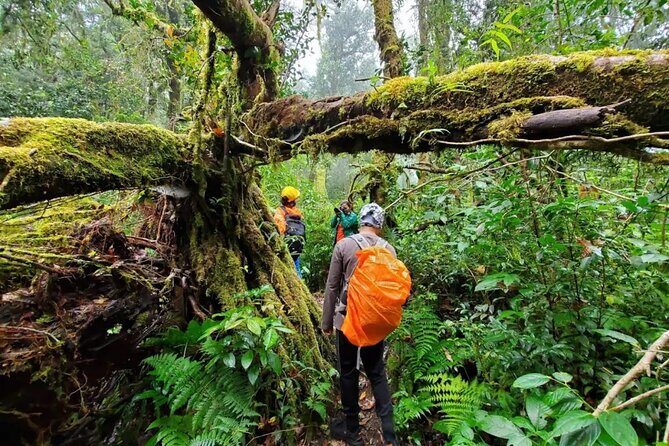
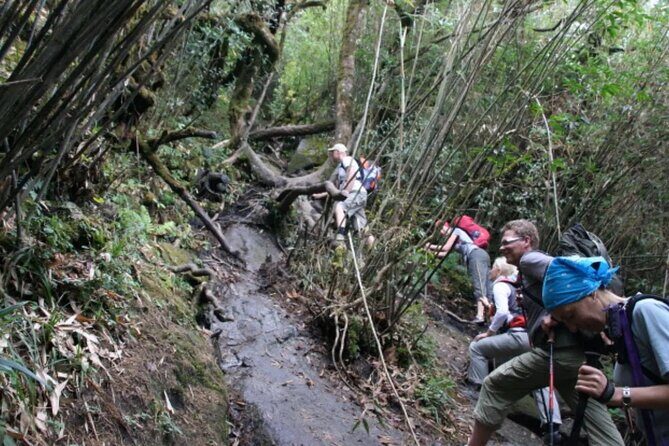
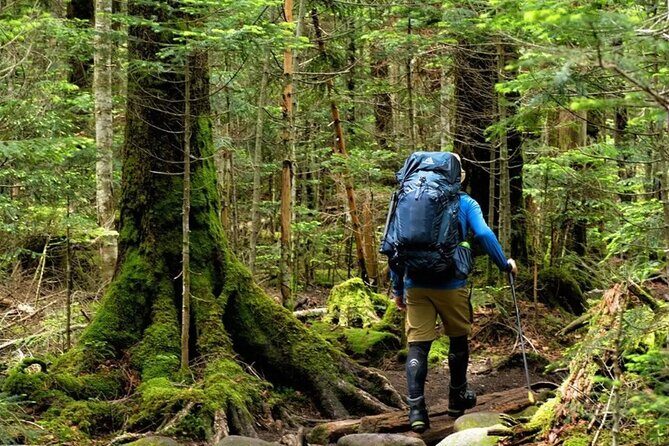
As you climb up to around 2,200m, you get a picnic lunch for about an hour. That lunch stop is not just food—it’s a breathing space where you reset your legs and your focus. You also get time to slow down and take in the higher-altitude shift, where giant, centuries-old pine trees and bamboo stands start appearing more clearly.
Practical note: the higher you go in Sapa’s mountain setting, the more likely you’ll feel the chill and the wind. Even if the day starts comfortable, it can turn colder as you gain elevation. Pack for layers, not for one perfect temperature.
Day 1’s bigger value: learning the mountain while you walk
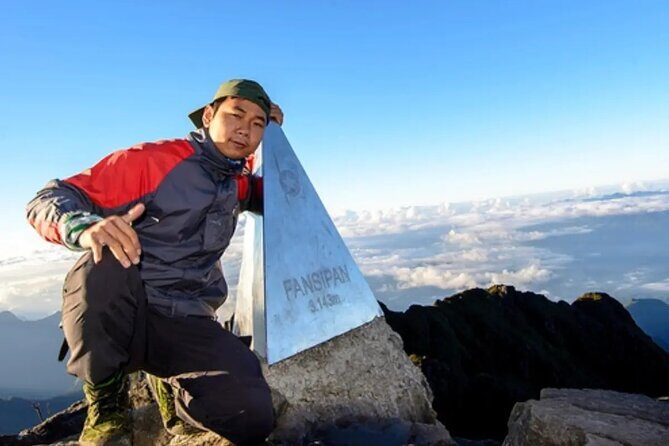
The most rewarding part of Day 1 isn’t the final altitude number. It’s that you’re introduced to the mountain as a living system. This area protects a wide range of plants and animals, including over 100 varieties of orchids in the broader ecosystem.
Even if you don’t see orchids directly during your short trek window, you’ll feel the shift in habitat. Reviews and tour descriptions point to visible changes like yellow bamboo marking higher reaches, and forests that become more specialized as you get closer to the summit zone.
You’ll also be hiking with a local English-speaking guide, and that’s a big deal on a trek this short. Two days means you don’t have time to waste on unclear directions. When the guide explains what you’re walking through—like cardamom, bamboo, or pines—you get a richer experience without adding extra hiking time.
Day 2: the dark-start breakfast and the summit push
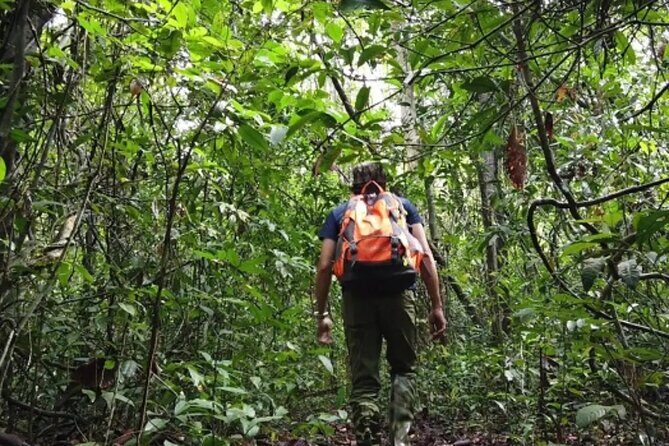
Day 2 begins before the sun really shows up. You’ll have breakfast together around 6:00 to 6:30 AM, then you’re on your way to the final stage toward Fansipan Peak. This early start is why the trek often feels manageable: you’re hiking the steepest part with better conditions (and a better chance of visibility).
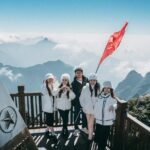
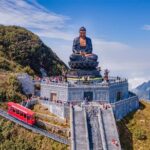
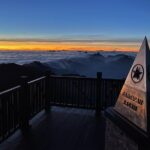
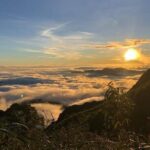
After about 1.5 hours, you arrive at Fansipan Peak and spend time enjoying the morning on top. In clear weather, this can be the “this was worth it” moment. In cloudy weather, it can still be a huge personal win—just with less dramatic scenery.
A tip that comes straight from experience: bring a headlight. One review specifically calls it out because the second day starts when it’s still dark. Even if you’re only walking part of the morning before full daylight, a headlight makes you safer and less stressed.
Then the trek winds down back toward Tram Ton Pass. Around 3:00 PM, your driver meets you and you’re transferred back to Sapa Town. The tour ends around 15:30, leaving you time to eat, shower, and enjoy Sapa without needing to cram a full second plan the same evening.
The summit zone: what you’re really going for besides views
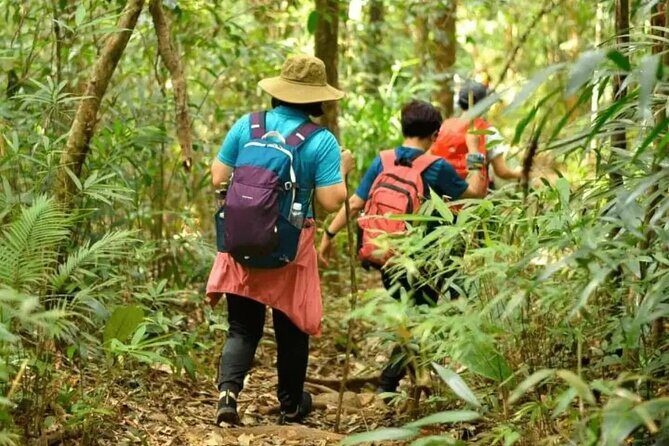
Fansipan isn’t only about reaching a high point. The top region is described as moving into dwarf bamboo near the summit, which is a specific change you can actually notice as the vegetation shifts. That matters because it gives you a different kind of “reward.”
And it’s part of why this trek is tied to the Hoang Lien protected ecosystem. The area is known for high biodiversity, including lots of orchid species. You might not spot every orchid on this 2-day route, but the ecosystem story explains why the trail experience feels different than generic forest hiking.
There’s also a chance of seeing wildlife along the way. The tour overview notes the possibility of animals like mountain goats and langur monkeys. You shouldn’t expect guaranteed sightings, but this is the right kind of hike where if wildlife is nearby, you might notice it while you’re paused or moving slowly.
You can also read our reviews of more tours and experiences in Sapa
How the included porter support changes the hike
At $185, a big part of the value is what’s included, and porter support is the clearest example. The tour provides porter service with 3 people sharing 1 porter. That means you get help with the heavier load, while you still do the walking yourself.
That changes how you should pace. If you know you’re not carrying everything, you can move steadily rather than start strong and burn out. It also helps make the trek realistic for people with moderate physical fitness—the tour specifically calls out that fitness level.
You’re also given gloves per person, plus 1 big bottle of water per person. Those are small items that matter. Cold fingers and scrambling hand positions slow you down. When gloves are included, you don’t have to guess whether you should buy them in Sapa the night before.
Finally, you get a summiting Fansipan certificate. It’s not life-changing, but it’s a nice souvenir that matches the effort. If you like tangible proof of what you did, this is the kind of detail that makes the trek feel more complete.
Food and timing: keeping energy steady for a 2-day push
The schedule is built around keeping your energy stable:
- Day 1 includes lunch (listed as lunch for 2, plus the picnic lunch described near the 2,200m climb)
- You have dinner included
- Day 2 includes breakfast
- Water is included
This matters because a Fansipan trek is short, and short hikes leave less room for mistakes. If you show up hungry or dehydrated, there’s no “later we’ll fix it” moment—you’ll feel it on the summit push.
You should still treat food as fuel, not entertainment. Eat when the plan offers it. Save your appetite for after the long morning climb, when you can relax instead of thinking about what you didn’t eat.
Transportation: why the ride to Tram Ton is part of the deal
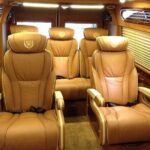
You’re not hiking straight from Sapa town. The trek includes transport from Sapa to Tram Ton Pass and back. That’s practical because Tram Ton Pass is the actual launch point for the mountain effort.
It also helps explain the pacing. Day 1 starts with a transfer, then a climb to a higher point with a lunch break. Day 2 starts early, climbs to Fansipan Peak, then you’re back down and transferred by mid-afternoon.
This matters when you’re planning the rest of your Sapa trip. You don’t want a trek that drags until late evening and forces you to scramble for dinner or a bus.
Price and value: what $185 covers (and what you’ll likely add)
Let’s talk value in plain terms. At $185 per person, you’re getting:
- Local English-speaking guide
- Hoang Lien National Park entrance fee
- Transport Sapa ↔ Tram Ton Pass
- Porter service (shared porter setup)
- Breakfast + dinner + lunch (2)
- Gloves
- Water (1 big bottle per person)
- Summiting certificate
That’s a lot of the usual “hidden costs” bundled in. Many short treks only include the guide and basic entry fees. Here, meals and key gear support are already planned, which can save you money and hassle.
What’s not included includes typical extras: personal travel insurance, and you should expect to pay for any extra drinks. Tips for guide, porter, and driver are also not included, which is common on trekking tours. There’s an optional return via cable car if you want a shortcut for a later plan, but it’s not part of the core 2-day trekking route.
If you compare this to doing the trek more independently, the real benefit is reduced decision stress: you won’t be managing permits, entry coordination, porter logistics, or meal timing on your own in a place where trails and schedules matter.
What to pack for cold mornings, dark starts, and muddy paths
Even when the weather is fine, Sapa’s mountain hiking style punishes sloppy packing. I’d aim for these basics based on what the trek setup suggests:
- Headlight: the second day starts in the dark for sure
- Warm layers: mornings can feel cold at elevation
- Rain protection: the tour requires good weather, and when conditions turn, you’ll feel it fast
- Comfortable hiking shoes: especially because higher trails can get muddy
One review gives a direct seasonal warning: in August, paths can be very muddy. Plan for wet conditions and avoid sandals or shoes you won’t want to ruin. The tour doesn’t list boots for you, so pack like you mean it.
Also, because the climb includes gloves provided, you may not need to buy brand-new ones. Still, if you run cold, you can bring your own as backup.
Who this Fansipan trek suits best
This is a good fit if you want:
- A 2-day timeline (not a multi-day expedition)
- A moderate fitness hike with support
- A guided experience that teaches you about the plants and ecosystem
- A small group size (up to 15)
It’s less ideal if you hate early mornings. Day 2 starts around 6:00 to 6:30 with breakfast and then the summit climb follows quickly. If you’re the type who needs a slow start, you’ll still make it—but you won’t love the clock.
It’s also a smart choice for you if you’re comfortable with “weather is part of the deal.” The tour explicitly requires good conditions. If clouds roll in, your summit experience can be more about achievement than scenery, and that’s still meaningful.
Should you book Mount Fansipan 2 Days Trek – Roof of Indochina?
I’d book this trek if you want a structured, supportive climb with meals, park access, and porters included, and you like nature learning along the way. It’s also a strong option for first-time hikers to Fansipan because the trek is short and organized around pacing, not just speed.
Don’t book it if your summit view is your only goal. Weather can cloud things, and the second day begins early enough that you’ll want the right gear and a calm morning attitude. Still, even with a muted view, reaching the summit of Fansipan in a guided small-group setup feels like the kind of “I did the thing” moment that Sapa trips are built for.
If you’re coming to northern Vietnam and want one big mountain story, this is a solid value at $185—especially because so much is included and the hike is set up for real progress, not wishful planning.
FAQ
How long is the Mount Fansipan 2 Days Trek?
It’s a 2-day trek.
Where do I meet the group, and what time does it start?
You meet at Sapa Church or your hotel in Sapa. The morning meeting is listed around 8:30 AM, and the activity shows a 9:00 AM start.
What does the trek cost?
The price is $185.00 per person.
Is pick-up included?
The tour summary indicates pickup offered, and it also includes transport from Sapa to Tram Ton Pass and back.
What’s included with the tour?
Included items are breakfast, dinner, lunch (2), a local English-speaking guide, Hoang Lien National Park entrance fee, 1 big bottle of water per person, porter service (3 people sharing 1 porter), summiting Fansipan certificate, and gloves per person.
Is there a cable car option?
Return by cable car is listed as optional and not included in the core price.
What kind of fitness level do I need?
The tour advises travelers should have moderate physical fitness.
How big is the group?
The trek has a maximum of 15 travelers.