REVIEW · SA PA
Sapa: 1-Day Trek to Mountain, Local Villages & Rice Terraces
Book on GetYourGuide →Operated by Sapa Odyssey Tour · Bookable on GetYourGuide
Sapa pulls you in fast, and this one-day trek does it the natural way. You get big viewpoints from Dragon Jaw Mountain (including a sightline toward Fansipang) and a human-sized village route through Hang Da and Ban Bo, where daily life and local customs feel close. I especially like the mix of scenery and culture: one stretch is all sky, clouds, and valleys, and the next is lunch in a Black H’mong village. One drawback to note up front: the trek is moderate to challenging, with steep, sometimes slippery sections, so you need good grip shoes and warm layers.
You’ll start around 9:00am and be back in Sapa by late morning/early afternoon, which makes this a smart choice if you want mountains without burning your whole day. If the weather cooperates, the views can feel unreal—sea-of-cloud moments are possible from the high trails. Just don’t expect a flat stroll; this is a walking day, with photo stops and village paths.
In This Review
- Key highlights you’ll care about
- Starting in Sapa: pickup, timing, and the first climb
- Dragon Jaw Mountain: the viewpoint that earns its sweat
- Practical tip for Dragon Jaw
- A ridge-style trail to Hang Da: village walking with big-energy scenery
- Hang Da village (Black H’mong): lunch plus a real sense of daily life
- What’s special here
- Hau Chu Ngai and Ban Pho routes: bamboo trails and terraced views from above
- Ban Bo village museum: clothes, customs, and the story behind what you see
- Pace, difficulty, and weather: how to pack so the day feels good
- What to bring
- Price and value: what you get for about $24
- Who this trek suits best (and who should skip it)
- Booking-smart advice: how to make the day go smoother
- Should you book the 1-Day Sapa trek to Dragon Jaw, villages, and rice terraces?
- FAQ
- What time does the trek start?
- Where do I meet the guide if I’m not picked up at my hotel?
- How long is the tour?
- What’s the main viewpoint on the trek?
- Is lunch included?
- What’s included in the price?
- What should I wear or bring?
- Is the trek suitable for everyone?
- Is the guide English-speaking?
Key highlights you’ll care about
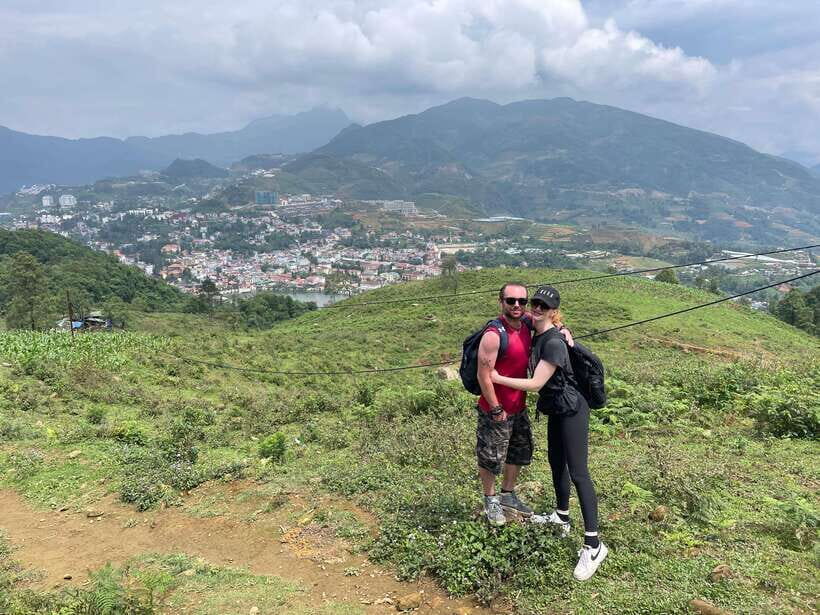
- Dragon Jaw Mountain views over Sapa town and the Muong Hoa rice valley, with Fansipang visible on clear days
- Hang Da village lunch (Black H’mong community) plus time to see traditional houses and daily rhythms
- Ban Bo museum where you learn about local traditional clothes, culture, and customs
- Hidden high trails through small bamboo areas and hill paths that feel off the main road
- Wildlife you might spot along the way, including buffalo, cow, horse, and pigs
- Guides that match your pace, with options for easier or more difficult routes when conditions call for it
Starting in Sapa: pickup, timing, and the first climb
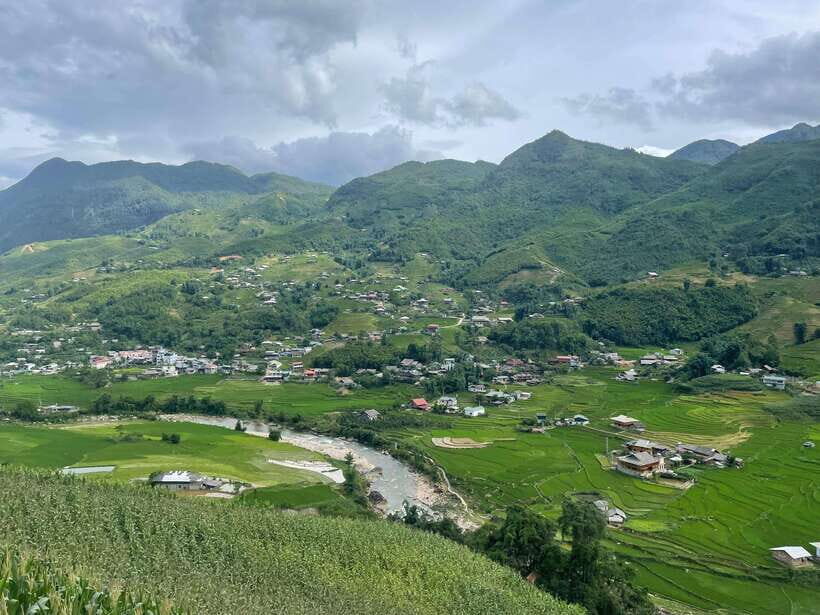
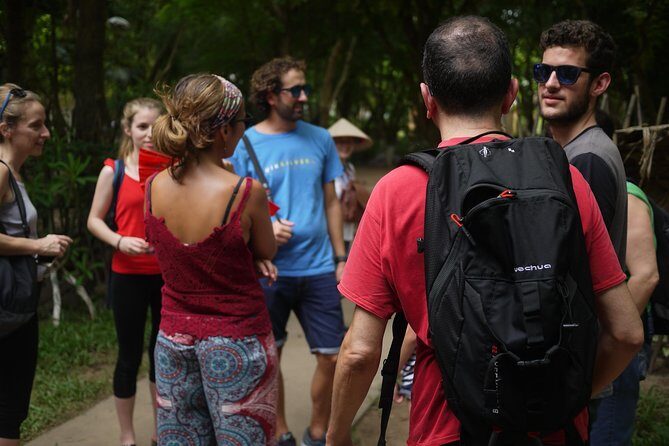
The trek starts in Sapa around 9:00am. You’ll either be picked up near the Sapa Center area or meet your guide at Sapa Church, the main church in town. Before you set off, your guide gives a quick rundown of the plan so you know how the day will flow.
From there, you hike up a small trail that begins near corn farms. That first stretch matters more than it sounds: it’s where you warm up, find your footing, and mentally switch from Sapa-town pace to mountain pace. Even before the big viewpoint, you’ll feel the altitude change and the shift in air.
You can also read our reviews of more hiking tours in Sa Pa
Dragon Jaw Mountain: the viewpoint that earns its sweat
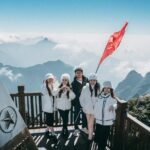
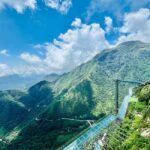
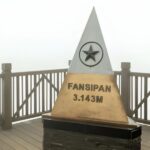
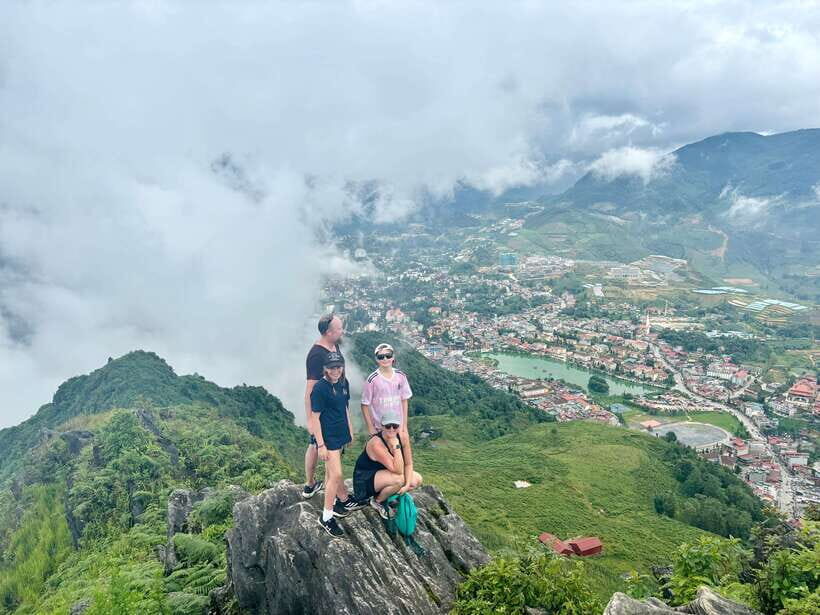
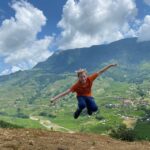
After about 1.5 hours, you reach Dragon Jaw Mountain at roughly 1,900m above sea level. This is the main payoff point of the day. From here, you can take in Sapa town and the Muong Hoa rice valley, and if the sky is clear you may be able to see Fansipang, the highest mountain in Indochina.
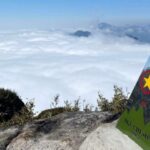
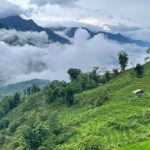
I like this stop because it isn’t just a lookout. It’s a place where you pause, catch your breath, and actually read the valley—farms climbing hills, villages tucked into slopes, and the way the terrain shapes life. On nicer days, you may even catch sea-of-cloud effects, which can turn a normal scenic moment into something dramatic.
Photo time is part of the deal: you’ll take a break, grab pictures, and reset for the next section. Expect changing conditions here. The higher you get, the quicker temperatures can shift, so warm layers aren’t optional.
Practical tip for Dragon Jaw
Bring comfortable hiking shoes with good grip. Several walking segments can feel steep and slippery, especially after mist or rain. If your shoes are more “city sneakers” than trekking shoes, you’ll feel it fast on the return paths.
A ridge-style trail to Hang Da: village walking with big-energy scenery
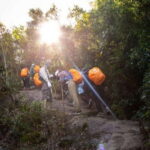
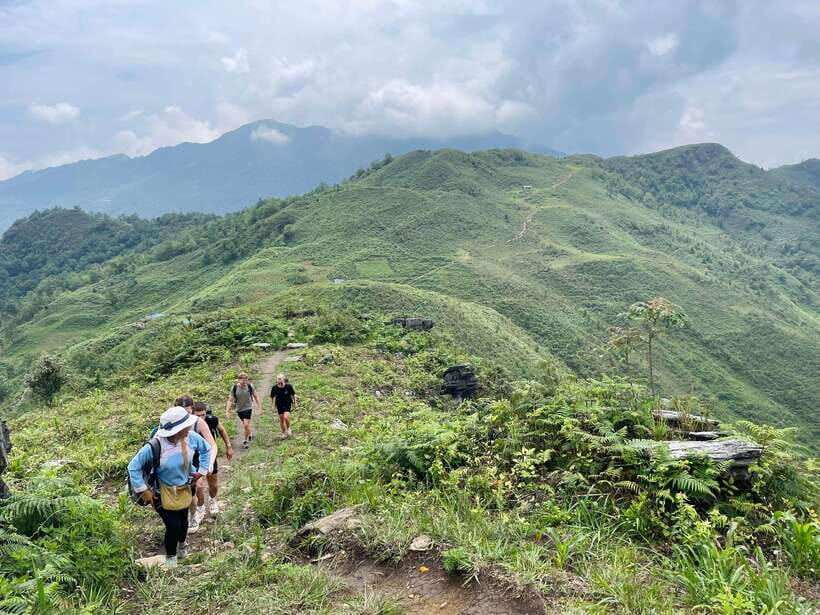
Once you’ve taken in the viewpoint, you continue along the route on a trail that locals describe as spine-like—long, narrow, and readjusting your balance every few minutes. You’ll move through smaller forest pockets and hill paths, including bamboo areas, which help make the walk feel varied instead of repetitive.
This is also where the day starts to feel more personal. You’re not just passing scenery; you’re passing through the spaces that connect communities. If you’re lucky with the weather, the light and cloud cover make the terrain look different every time you turn your head.
On the way down, you may spot animals like buffalo, cow, horse, and pigs. You should keep expectations realistic—wildlife is never guaranteed—but the countryside layout makes sightings possible.
Hang Da village (Black H’mong): lunch plus a real sense of daily life
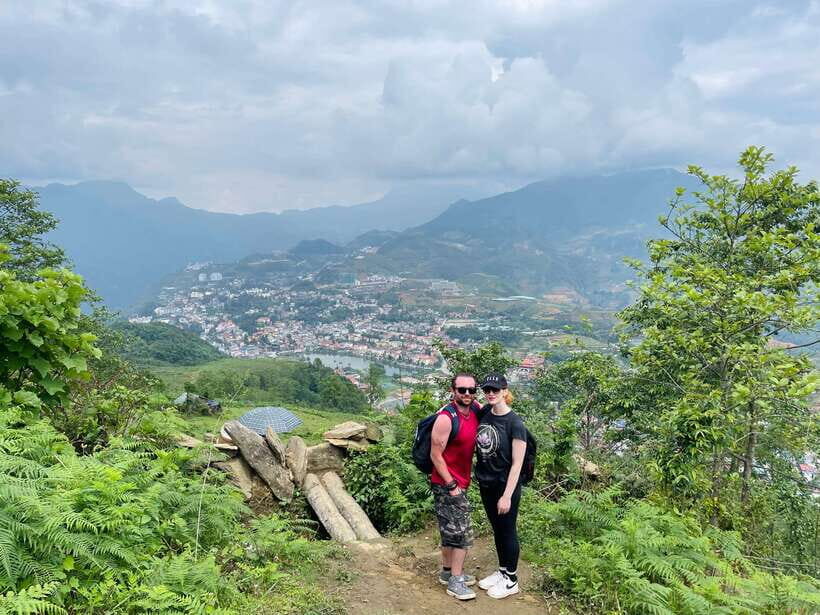
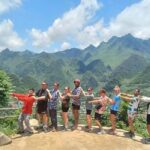
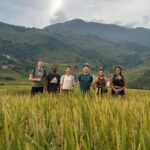
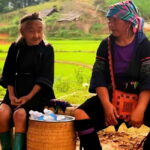
You’ll reach Hang Da village (Black H’mong people) for a major break, photo stops, and lunch. The walk includes small village lanes and traditional houses scattered along the valley edges, so you can see how people actually live, not just what a brochure says.
Lunch is included and typically simple and filling. One guide-style approach you may experience is a straightforward meal like fried noodles or rice, which is exactly what you want after hours of walking. You’ll have about 1 hour here, which is enough time to eat, ask questions, and look around without rushing.
You can also read our reviews of more tours and experiences in Sa Pa
What’s special here
Hang Da is valuable because it connects the mountain views to the people who farm and live in the same space you’re hiking through. The traditional houses and day-to-day routines make it easier to understand why the rice terraces and slopes matter.
Hau Chu Ngai and Ban Pho routes: bamboo trails and terraced views from above
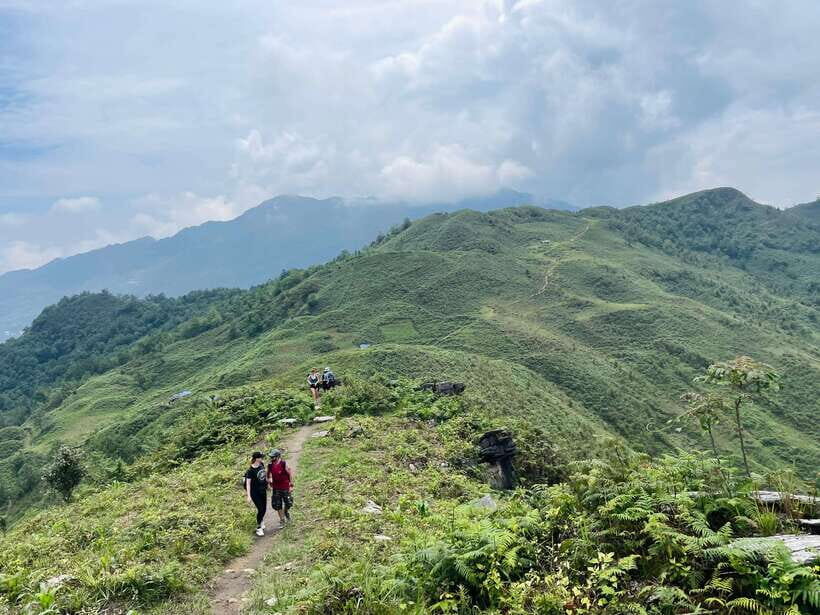
After lunch, the route shifts again. You continue toward Hau Chu Ngai village, with photo stops and short walks along beautiful village roads plus short bamboo forest trail sections. You’ll be walking downhill more often in this stretch, and that means extra care with footing.
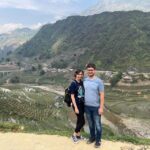
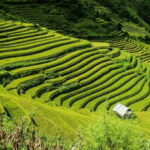
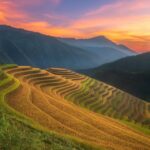
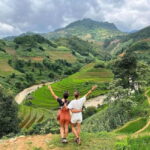
Along the way, you may be able to look down over terraced fields from above. Those views can pop out between turns, especially when the clouds thin and the colors sharpen. Even if the weather is gray, you’ll still see how the terraces step down the valley.
The day keeps a nice rhythm: walk, pause for photos, walk again, and get brief windows of scenery that feel like you’re moving through a living map.
Ban Bo village museum: clothes, customs, and the story behind what you see
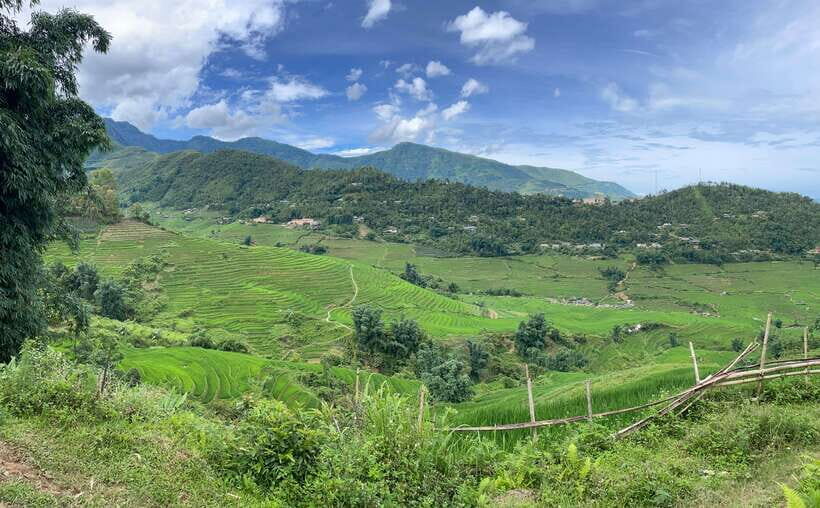
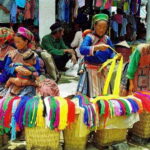
At Ban Bo village, you visit a museum to learn about local traditional clothes, culture, and customs. This stop matters because it adds context to what you’ve already seen in villages. Without that explanation, it’s easy to treat the route like scenery-only trekking.
The museum portion is guided, and your guide will point out details like clothing styles and cultural practices you might otherwise miss. Some days can also include local helpers along the way who share small pieces of information during the hike, which can make the learning feel more conversational than classroom-style.
After the museum visit, the program ends and you head back to town by car to your accommodation.
Pace, difficulty, and weather: how to pack so the day feels good
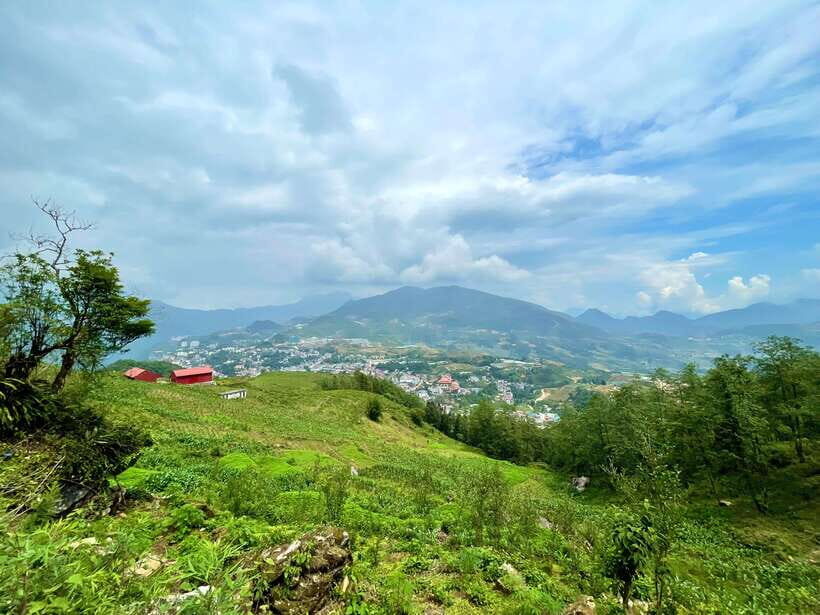
This trek is listed as moderate to challenging. It’s not an all-out endurance expedition, but it does involve uphill and steep, sometimes slick ground. If you have heart problems, it’s not suitable, and if you’re a wheelchair user, the route won’t work.
The biggest variable is weather. Sapa’s conditions can change quickly, especially as you climb. Warm clothing is essential, and you’ll want layers so you can stay comfortable when you’re working up a sweat but cool down when you’re paused at viewpoints.
What to bring
- Comfortable shoes (ideally hiking shoes with grip)
- Warm clothing for shifting temperatures
- Camera for the viewpoints and terrace views
- A hiking-ready layer you can keep on during mist or wind
Ponchos can be available when asked, which helps on rainy days. If rain or fog shows up, the guide may also check your preferences and adjust route difficulty to match your comfort level.
Price and value: what you get for about $24
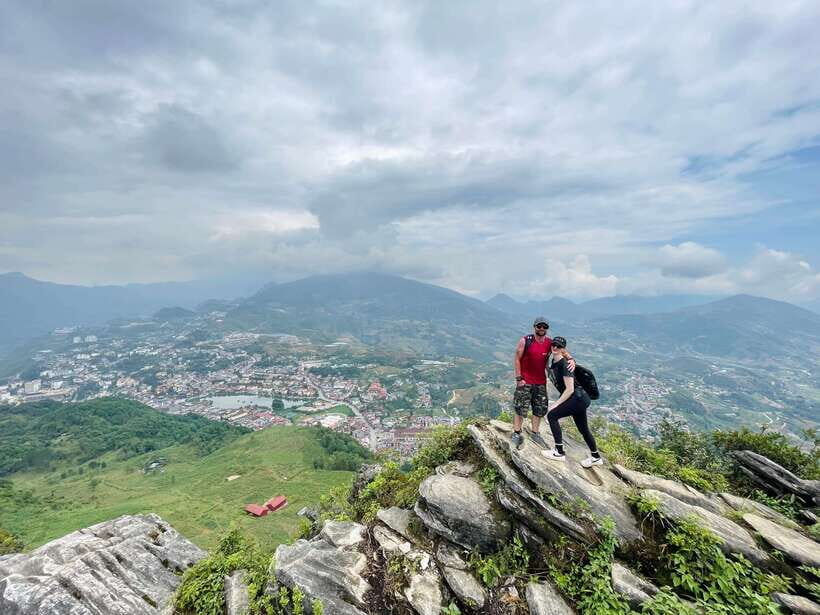
At about $24 per person for a 6-hour outing, the price feels fair because key costs are covered. You get an English-speaking professional guide, lunch, bottled water, and entrance fees, plus transport back to Sapa town or your accommodation.
What makes the value stronger is the time efficiency. You’re not just getting a scenic view; you’re getting multiple viewpoint and village stops packed into a half-day block. That can be a big deal if you’re keeping a tight itinerary and want the Sapa “mountain plus people” experience without committing to a multi-day trek.
The one cost to plan for is personal spending, plus your own travel insurance, since it’s not included.
Who this trek suits best (and who should skip it)
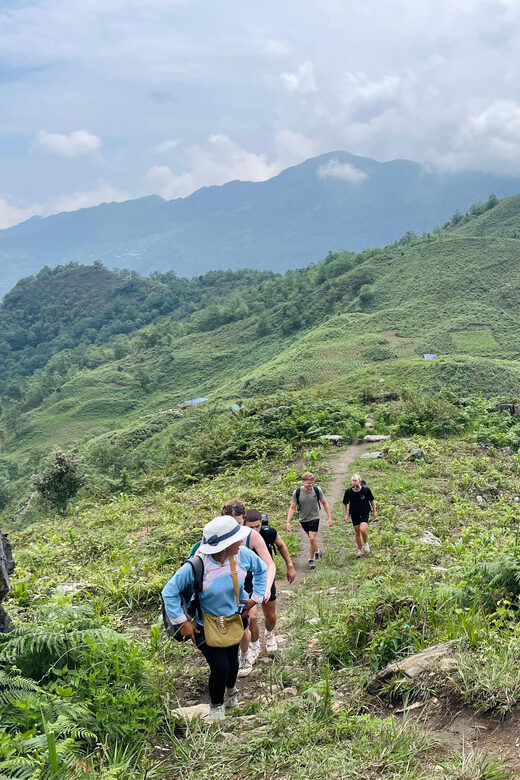
This is a great fit if you want a guided day trek that blends nature and local culture without going full hardcore. You’ll enjoy it most if you like walking at a steady pace, taking photos, and asking questions about village life.
It’s less suitable if you can’t handle uneven ground or sustained uphill/downhill walking. If steep slopes and slippery sections sound stressful, this might feel too risky. In that case, you’ll likely want a gentler option instead of trying to “tough it out.”
Booking-smart advice: how to make the day go smoother
Here’s how to get the best experience out of a short day like this:
- Choose the route difficulty that matches your footing. On rainy or slick days, an easier option can make the same scenery more enjoyable.
- Wear shoes that won’t surprise you. Grip matters more than cushioning on this kind of terrain.
- Bring warm layers even if the morning feels mild. The viewpoint height and wind can cool you quickly.
- Plan for a lunch break, not a full meal hunt. Lunch is provided, so focus on eating enough for the next walking segment.
- Ask your guide questions at each village stop. The museum and village walking make more sense when you connect the dots live.
Should you book the 1-Day Sapa trek to Dragon Jaw, villages, and rice terraces?
If your ideal Sapa day is part mountain views and part local understanding, I’d book it. Dragon Jaw Mountain gives you the big-picture Sapa and Muong Hoa rice valley view, and the route doesn’t stop at sightseeing—it carries you into Hang Da and finishes with a Ban Bo museum so you leave with context, not just photos.
Skip it if you’re looking for a relaxed, flat walk, or if your health makes uneven terrain risky. Also be realistic about the trail: it can be steep and slippery, so your shoes and layers are what turn this from a struggle into a memorable day.
If you do book, go with a flexible mindset. Clouds can roll in and shift the mood of the valley, but that’s part of Sapa’s charm—and when the views clear, you’ll be standing in exactly the right spot to enjoy them.
FAQ
What time does the trek start?
The program starts at 9:00am. Your guide will pick you up near Sapa Center or meet you at Sapa Church.
Where do I meet the guide if I’m not picked up at my hotel?
You can meet the guide at Sapa Church, the main church in Sapa Center.
How long is the tour?
The duration is about 6 hours.
What’s the main viewpoint on the trek?
You hike to Dragon Jaw Mountain at around 1,900m, with views over Sapa town and the Muong Hoa rice valley, and you may see Fansipang from there.
Is lunch included?
Yes. Lunch is included in Hang Da village, and you’ll have about 1 hour for the meal.
What’s included in the price?
Included are bottled water, a professional English-speaking guide, lunch, entrance fees, and transport back to Sapa town or your accommodation.
What should I wear or bring?
Wear comfortable hiking shoes and bring warm clothing since the weather can change. A camera is recommended.
Is the trek suitable for everyone?
It’s not suitable for people with heart problems and it’s not for wheelchair users. The trek is described as moderate to challenging.
Is the guide English-speaking?
Yes, the tour includes an English live guide.