REVIEW · SA PA
Full Day Trekking Lao Chai-Ta Van and Cat Cat Village
Book on GetYourGuide →Operated by VN CHARM TOURISM CO,LTD · Bookable on GetYourGuide
Rice terraces and village paths in one day.
This full-day trek is interesting because you move through the Muong Hoa Valley in stages, then finish at Cat Cat Village in the late afternoon, when the light can turn the views extra pretty. I especially like the mix of scenery and real village life across different ethnic communities, not just a single viewpoint stop. I also like that it’s built around walking times that feel doable: a morning trek through terrace paths, then a shorter but scenic stretch in the valley later.
The day is guided end-to-end, with an English-speaking local guide (English and Vietnamese are offered) and a driver handling the transfers between trailheads. If you get Nguyen Thanh Chung, that guide-style is a big part of the experience: clear guidance, practical support, and easy communication if weather or timing gets weird.
One thing to plan for is the effort. You’re looking at about 11.5 km of total trekking across the day, and it’s not suitable for wheelchair users, so you’ll want proper hiking shoes and a realistic pace.
In This Review
- Key highlights to look for
- Morning pickup in Sapa: setting you up for the trek
- Y Linh Ho to Lao Chai: rice terraces, stream views, and Black Hmong daily life
- Lao Chai to Ta Van: Dzay village atmosphere and more valley views
- The Ta Van Bridge transfer and why timing feels tight but works
- Lunch in Sapa: good fuel, with a small trade-off
- Cat Cat Village at 14:30: the deep-valley vibe and the short second hike
- The waterfall stop and the French-built hydraulic power station
- Village visiting and shopping: what to do with your camera and cash
- How hard is it, really: timing, shoes, and pacing cues
- Price and value: what $46 buys you in Sapa
- Best fit: who this trek suits (and who should reconsider)
- Practical packing checklist for this route
- Should you book this Lao Chai–Ta Van and Cat Cat full-day trek?
- FAQ
- How long is the full-day trek?
- Where does the tour pick up you?
- What is the trekking distance in the morning?
- What village areas do you visit in the morning?
- How is lunch handled during the day?
- What is the trekking distance in the afternoon?
- What is Cat Cat Village like and what do you do there?
- What’s included in the price?
- What should I bring for the trek?
- Is it wheelchair accessible and what about cancellation?
Key highlights to look for
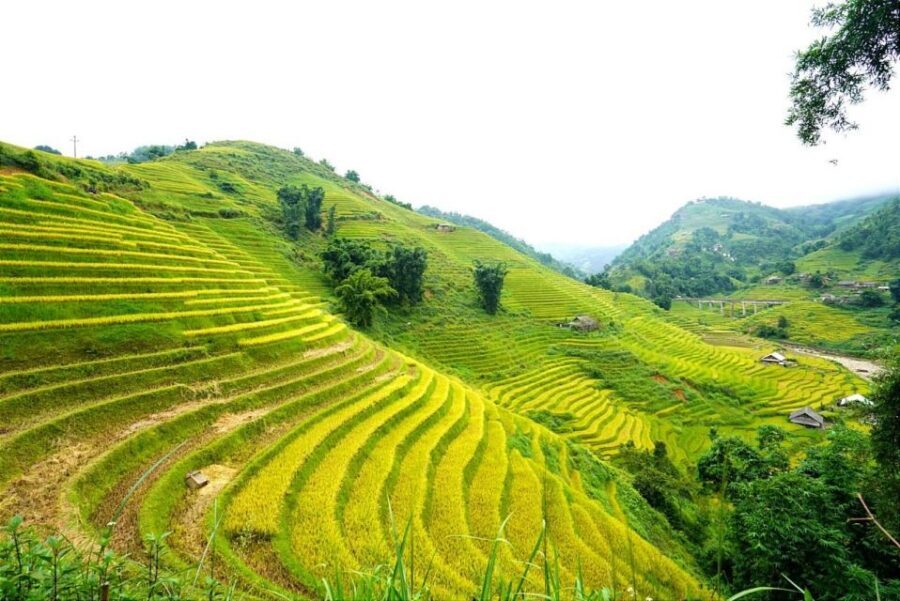
- Muong Hoa Valley rice-terrace walking with panoramic views over the Hoang Lien Son area
- Two village stops with different cultures on one route: Lao Chai (Black Hmong) and Ta Van (Dzay)
- Cat Cat Village in a deep valley with time near the waterfall and the French-built hydraulic power station
- A guide who keeps the route moving while explaining daily life and traditions
- Lunch included, so you’re not scrambling for food mid-trek
- Easy transport structure: air-conditioned bus plus short transfer walks between sections
Morning pickup in Sapa: setting you up for the trek
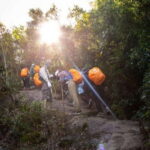
Your day starts early. Between 7:45 and 8:00, you’ll be picked up at Sapa Charm Hotel and get ready with a light pack for the hike.
After pickup, there’s a short drive to Y Linh Ho around 8:00, and then the walking begins. This “drive then walk” setup matters because it gets you into the rice-terrace scenery quickly, without wasting energy on long transfers before your first climb.
The pace also helps you settle. You start with a trek route that follows terrace paths and stream-side sections, then gradually layers in village life rather than hitting everything at once.
You can also read our reviews of more hiking tours in Sa Pa


Y Linh Ho to Lao Chai: rice terraces, stream views, and Black Hmong daily life
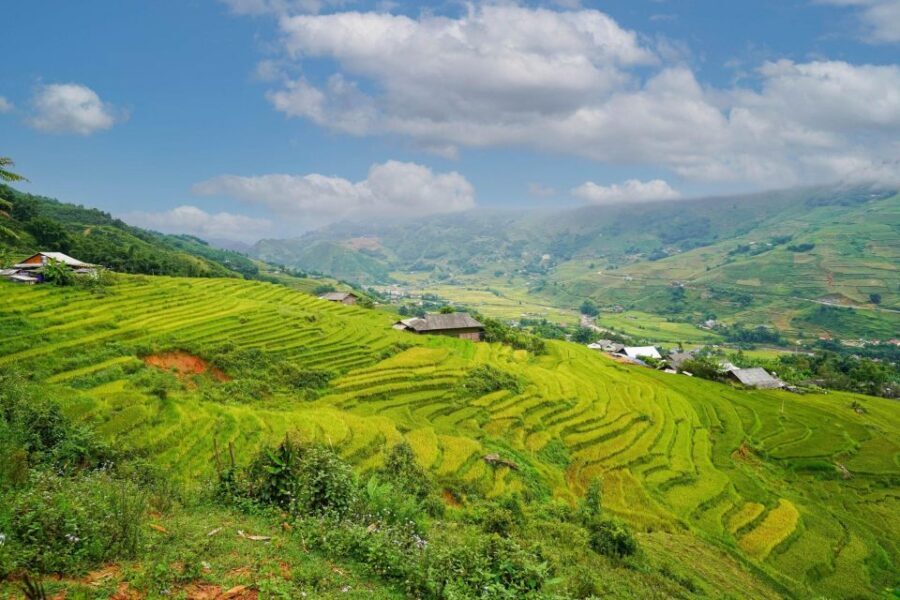
Once you reach Y Linh Ho, you trek through the Muong Hoa Valley, including a photo stop and guided walking along the way. A stream section along Muong Hoa Stream is part of the route, so you’re not just staring at terraces—you get that sense of water, greenery, and movement that comes with valley walking.
You’ll work your way toward Lao Chai, described as a Black Hmong village. This is where the experience shifts from scenery to culture. Your guide leads you along the path and talks through traditions and everyday activities you can observe along the way.
Expect plenty of stops for photos and short breaks. The route is set up as a “walk and look” trek, not a race, which is exactly what you want for villages and terrace viewpoints.
Lao Chai to Ta Van: Dzay village atmosphere and more valley views
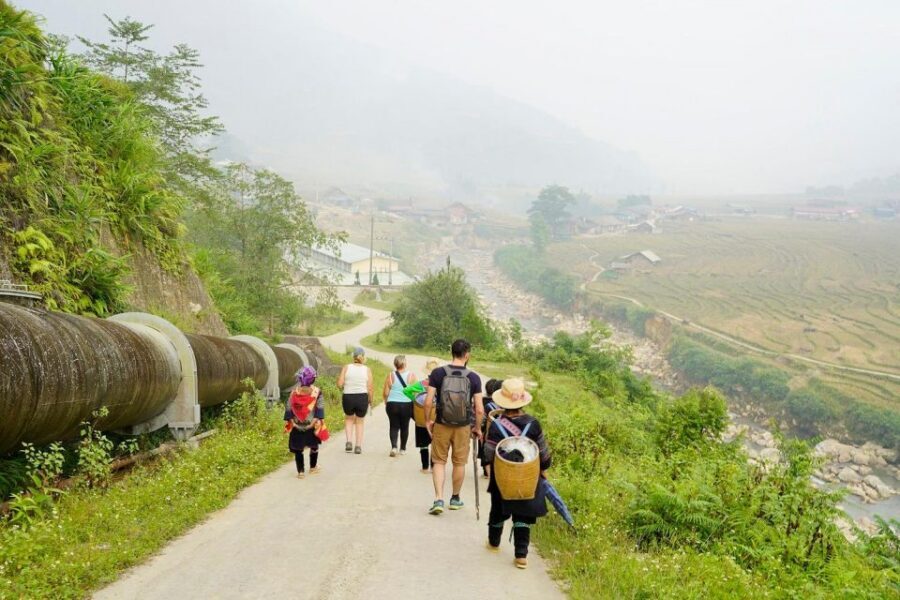
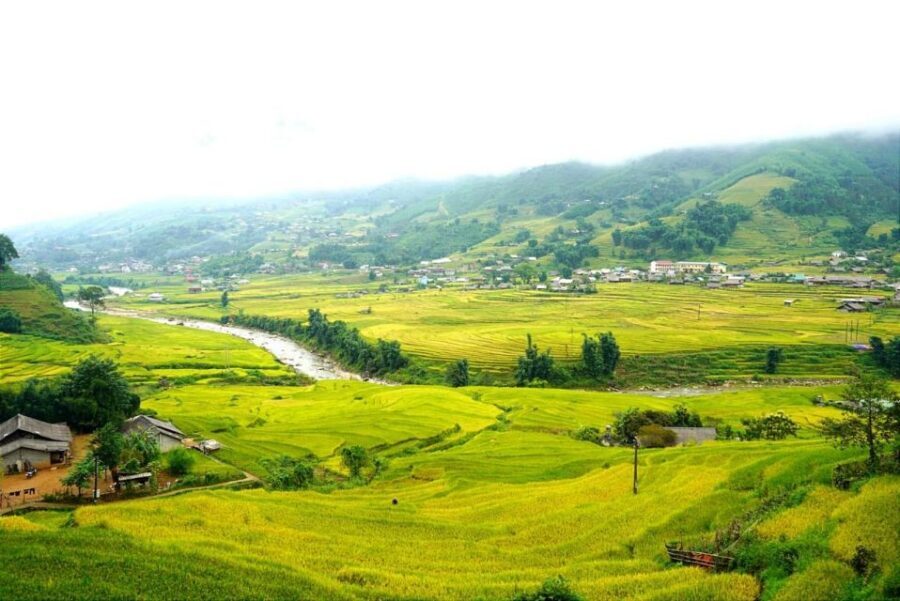
After Lao Chai, the day continues to Ta Van Village, home of the Dzay ethnic group. This section is part of the morning trekking block, with the total morning distance listed as about 9 km and lasting around 4 hours.
Along the way, you keep getting that valley-with-mountains feeling from the Hoang Lien Son area. Even when you’re not at a big lookout, the route keeps your eyes moving between terraces, village edges, and the changing angles of the valley.
This stop-to-stop structure is valuable for first-timers in the area. You don’t just see one community and leave; you get a chance to compare how different groups live and organize daily life in the same broader valley region.
The Ta Van Bridge transfer and why timing feels tight but works
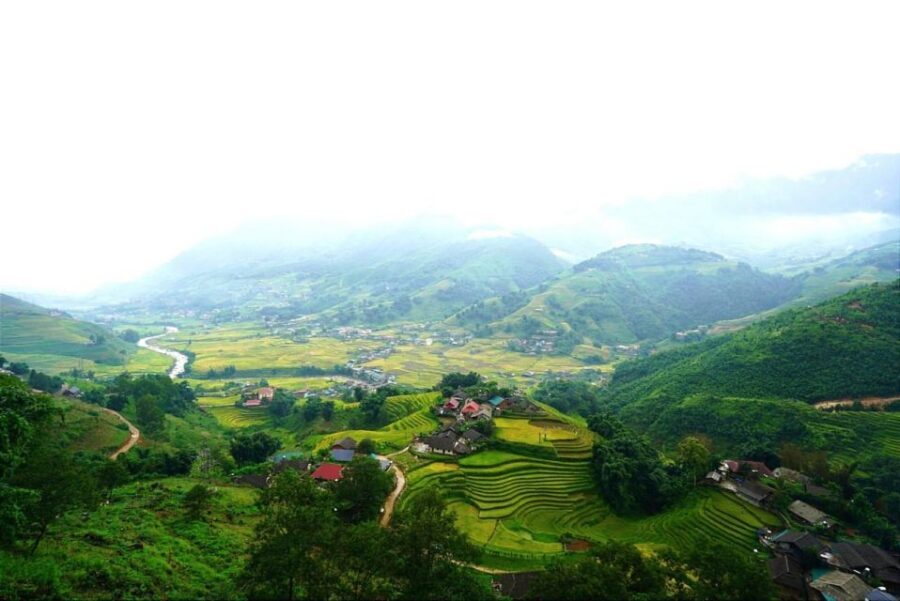
Around 11:30, you’ll be picked up by bus at Ta Van Bridge and returned toward Sapa for lunch. That timing is smart. You’ve already done the longer morning walk, and it gives you a controlled break before the Cat Cat segment later in the afternoon.
There’s a bit of a rhythm here: walking, then transport, then lunch, then walking again. If you like structured days with clear handoffs, this schedule is reassuring.
One caution: once you’re back in the Sapa area, don’t over-plan your personal plans for the next few hours. The afternoon pickup for Cat Cat runs on a set timeline, and the tour is designed around those transitions.
Lunch in Sapa: good fuel, with a small trade-off
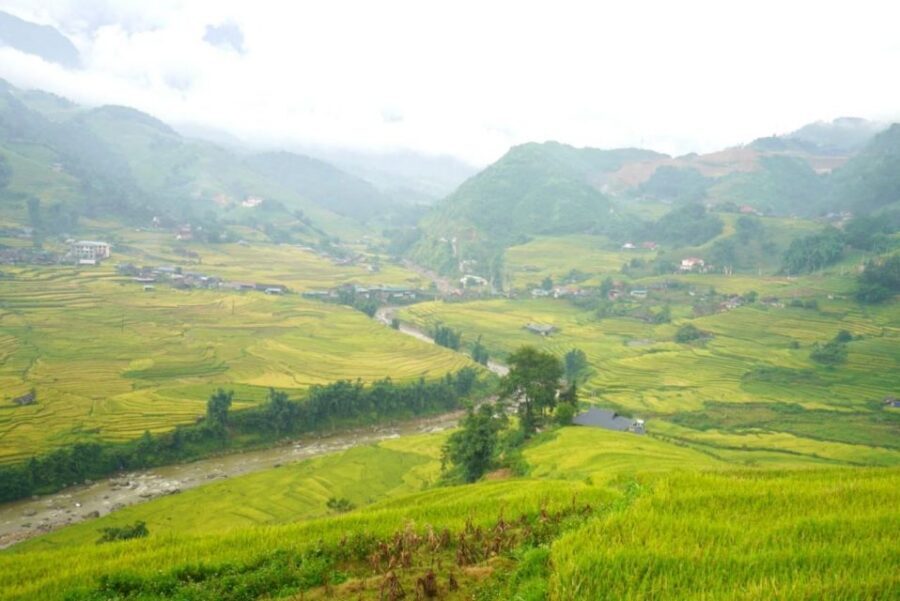
Lunch is included, and it’s described as lunch at a local restaurant. The intent is obvious: you should eat well without worrying about searching while you’re tired.
That said, lunch quality can vary. One strong signal from the experience format is that you may end up eating at a restaurant setting that feels less characterful than the village stops. If you care a lot about the atmosphere of your meal, treat lunch as practical fuel more than the emotional highlight of the day.
Still, it matters that lunch is scheduled. After a 4-hour trek, having a confirmed meal is the difference between a calm afternoon and a stressful scramble.
You can also read our reviews of more tours and experiences in Sa Pa

Cat Cat Village at 14:30: the deep-valley vibe and the short second hike
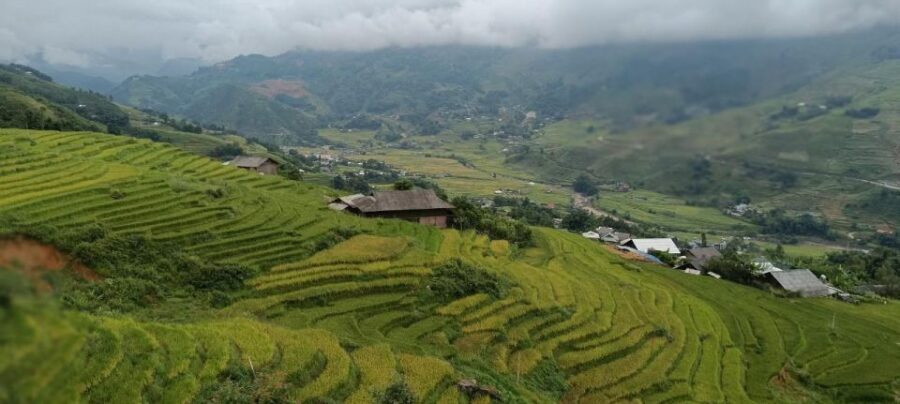
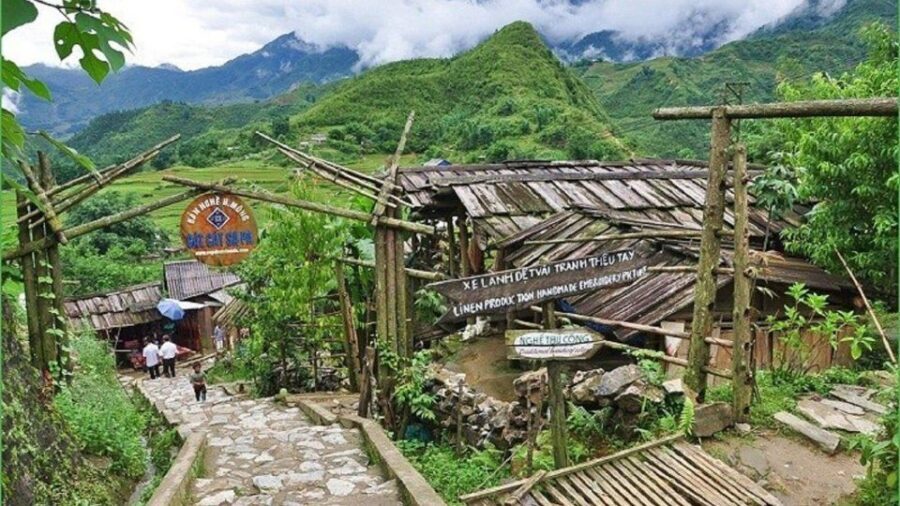
In the afternoon, you head out again at about 14:30 with a short walking transfer toward Cat Cat Village. Cat Cat is described as being near the bottom of a deep valley at the foot of Fansipan Peak, which is why it feels cooler and more enclosed than the higher terrace zones.
The total Cat Cat trekking distance is about 2.5 km, lasting about 2 hours. That’s shorter than the morning walk, and it’s paced like a scenic circuit: move into the valley area, see the waterfall zone, then trek back up toward Sapa as the afternoon light changes.
If you’ve been waiting for the “wow” part of this tour, this section is the likely payoff. The valley setting pulls your attention down and then up, so the experience feels like you’re traveling through a physical story, not just circling around stalls and viewpoints.
The waterfall stop and the French-built hydraulic power station
A key moment on the Cat Cat side is the walk down toward a waterfall area, where a French-built hydraulic power station is tied into what you can see around the site.
This is more than a random photo stop. It gives you a historical lens on why water mattered in the region. The valley’s shape and the presence of water aren’t just pretty—they shaped how people built infrastructure.
You’ll also get short photo time with a bridge near the waterfall area. Then the route turns into the uphill return segment, with scenery that can look very different from the earlier terrace angles.
Village visiting and shopping: what to do with your camera and cash
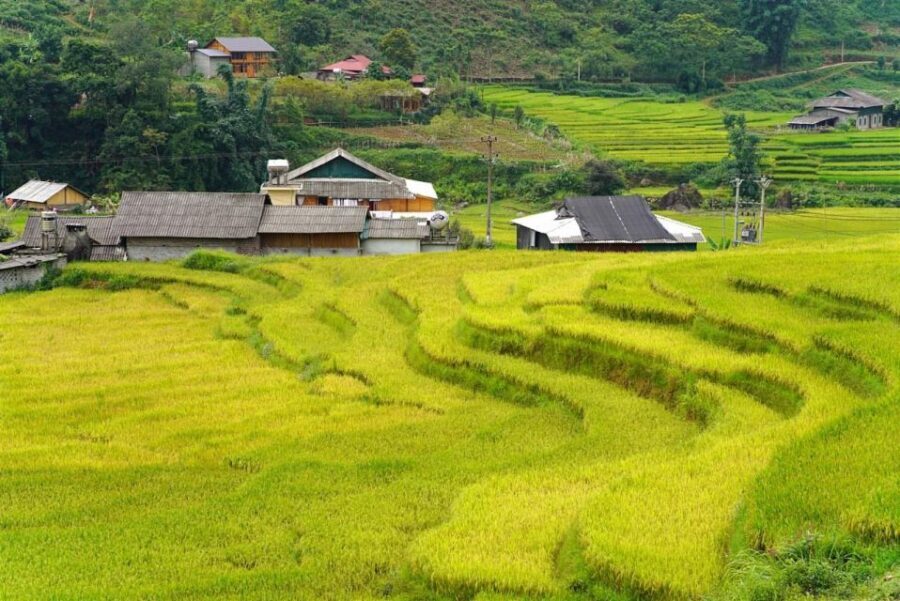
You’re not just passing through villages. The itinerary explicitly includes guided touring and free time elements, and Cat Cat Village includes time for coffee and browsing.
A practical tip: if you want to buy Hmong items, the best places for value tend to be during the trek with the local women or the village-side selling areas on the route, rather than only shopping once you’re back in town. The idea is simple—crafts quality and selection can feel more interesting right where the makers and sellers are part of daily village life.
For your camera, treat villages like a conversation. You’ll likely get better photos when you pause, watch what’s happening, and ask your guide what you’re looking at. Also, keep your cash reachable. Village stops are timed, so you don’t want to dig through a bag when the moment is gone.
How hard is it, really: timing, shoes, and pacing cues
This is a full-day trek, so “hard” is more about endurance and footing than about athletic extremes.
Here’s the practical breakdown from the plan:
- Morning: about 9 km over roughly 4 hours
- Afternoon: about 2.5 km over roughly 2 hours
- Plus shorter transfer walks and village time blocks
In other words, your total walking is about 11.5 km, split into two chunks. That’s often a good structure for people who want a workout but don’t want a single long slog.
Your shoes matter more than your ambition. If you bring hiking shoes, you’re already making the right choice. Sunscreen and sunglasses also matter because the itinerary includes open valley walking and photo stops where you’ll be exposed.
If weather shifts, the tour is still designed to keep moving. One guide support detail worth noting is that your guide can adjust the pacing so you stay comfortable, even if conditions aren’t perfect.
Price and value: what $46 buys you in Sapa
At $46 per person, you’re paying for a package, not just a trek. The included items are the main value drivers:
- Air-conditioned bus transfers (Sapa – Y Linh Ho – Sapa) with experienced drivers
- An English-speaking local guide (English and Vietnamese tour language options are stated)
- Lunch (meal included)
- All entrance tickets to indicated sites
Not included: beverages, travel insurance, VAT, and personal expenses. So plan on buying your own drinks and any snacks beyond lunch.
Here’s how I judge value for a day trek like this: you’re paying for coordination and interpretation. When a tour includes a guide for village sections plus transport for both trailheads, it saves you from piecing together separate rides and unclear route details on your own.
If you’re traveling with limited time in Sapa and want both the terrace walk and Cat Cat Village in one day, this price point usually makes sense.
Best fit: who this trek suits (and who should reconsider)
This tour is best for you if you:
- Enjoy guided walking and want explanations tied to the places you visit
- Want to see two villages plus Cat Cat without planning transport between them
- Prefer a structured day with a clear morning trek and an afternoon follow-up
It may be less ideal if you:
- Want a totally relaxed day with minimal walking
- Need wheelchair access (it’s not suitable for wheelchair users)
- Hate having fixed schedule transitions (it runs on set pickup times)
The small-group feel can be a plus when you want attention from your guide during village stops and when you’re trying to keep the pace comfortable.
Practical packing checklist for this route
The tour’s “bring” list is solid, and you’ll feel the difference if you follow it:
- Hiking shoes (best for uneven paths and terrace steps)
- Sunscreen and sunglasses
- Camera (this route gives you chances for photos in both morning and afternoon)
- Outdoor clothing plus hiking pants if you run cold on valley shifts
- Cash for personal needs during village time
For comfort, think in layers. Even with daytime warmth, valley walking and late afternoon in the deep valley area can change how the weather feels.
If you want an extra-smooth day, keep your first aid kit simple and personal. Also carry water when possible, since beverages aren’t included.
Should you book this Lao Chai–Ta Van and Cat Cat full-day trek?
I’d book this if you want a day in Sapa that mixes big views with villages that feel tied to daily life. The combination of the Muong Hoa Valley morning walk, the Lao Chai and Ta Van village sequence, and the Cat Cat afternoon valley hike gives you variety without turning the day into chaos.
Choose it especially if you care about a guide-led route with an interpretation layer, and if you appreciate that lunch and transport are handled for you. Just be honest about the walking: it’s a long day on foot, so plan your pace, wear the right shoes, and show up ready for a real trek.
If you want an easy, mostly seated tour, this one isn’t that. If you want a full day outdoors with culture stops and waterfall scenery, it fits the bill nicely.
FAQ
How long is the full-day trek?
The experience is listed as 1 day, with set starting times that you can check for availability.
Where does the tour pick up you?
Pickup is from Sapa Charm Hotel between 7:45 and 8:00.
What is the trekking distance in the morning?
The morning trek is about 9 km and lasts around 4 hours.
What village areas do you visit in the morning?
You trek to Lao Chai (Black Hmong) and Ta Van (Dzay).
How is lunch handled during the day?
Lunch is included, and it happens after you return toward Sapa in time for the midday break at a local restaurant.
What is the trekking distance in the afternoon?
The afternoon trek to Cat Cat Village includes about 2.5 km of walking over roughly 2 hours.
What is Cat Cat Village like and what do you do there?
Cat Cat Village is at the foot of Fansipan Peak in a deep valley. You walk toward a waterfall area tied to a French-built hydraulic power station and have time for photos, visiting, coffee, and free time.
What’s included in the price?
Included items are: air-conditioned bus transfers, an English-speaking local guide, lunch, and entrance tickets to indicated sites.
What should I bring for the trek?
Bring sunglasses, a camera, hiking shoes, sunscreen, outdoor clothing, hiking pants, cash, and a first aid kit.
Is it wheelchair accessible and what about cancellation?
It’s not suitable for wheelchair users. There is free cancellation up to 24 hours in advance for a full refund.