REVIEW · SA PA
From Hanoi: 2-day Sapa Homestay & Cooking class with locals
Book on GetYourGuide →Operated by Vietnam Nomadtrails · Bookable on GetYourGuide
Two days in Sapa feels like a week. You’ll sleep in the Muong Hoa Valley at Nomadtrails Lodge, eat with a local family, and get hands-on with a Vietnamese cooking class using fresh ingredients. The big thing to watch is timing: if your Hanoi-to-Sapa bus is late, your Day 1 plans (especially optional Fansipan) can get squeezed.
This tour also gets practical value from the way it’s paced. Day 1 mixes free time in Sapa town with a dinner you actually help create, and the evening can include a traditional Red Dao herbal foot bath. Day 2 focuses on real village time in the Y Linh Ho, Lao Chai, and Ta Van area, not just quick photo stops.
You should go in with realistic expectations about walking. There’s a lot of uneven ground, cool mountain temperatures, and no wheelchair access. Bring proper shoes, plan for cold evenings, and you’ll have a much better time.
In This Review
- Key highlights worth your attention
- Why Nomadtrails Lodge in Muong Hoa Valley beats a standard hotel
- The Hanoi to Sapa sleeping bus: efficient, but timing is everything
- Day 1 in Sapa: market time, Catcat options, and a real cooking class
- Cooking class and dinner with a local family
- Red Dao herbal foot bath: small tradition, big comfort
- Day 2 village walking: Y Linh Ho, Lao Chai, and Ta Van in one day
- Fansipan on Day 1: what the option really means for your plans
- Food and drink: what’s covered and what you’ll pay for
- Group size and guide support: small group, real conversations
- Price and value: why $56 can make sense (and when it won’t)
- Who this trip suits best (and who should skip)
- Should you book it? A practical decision
- FAQ
- FAQ
- What’s included in the price?
- How long is the tour?
- Is the cooking class vegan-friendly?
- Do you visit Fansipan?
- What should I bring for this trip?
- Is this suitable for wheelchair users or limited mobility?
- Can I cancel for a full refund?
Key highlights worth your attention
- Nomadtrails Lodge in Muong Hoa Valley: valley and Fansipan-area views from your homestay base
- Cooking class with local ingredients: you learn dishes with what the homestay grows, and vegan options are possible
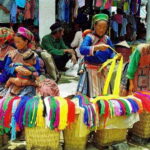
- Sapa town + market time: shopping for colorful textiles and handicrafts with multiple ethnic groups
- Ethnic village experiences: Hmong-focused time in Catcat village, plus village visits around Y Linh Ho, Lao Chai, and Ta Van
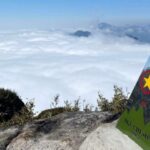
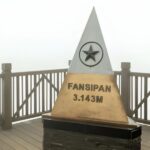
- Fansipan option on Day 1: cable car up to about 2,800 m, then trekking steps to the summit area
- Evening recovery ritual: herbal foot bath with Red Dao tradition (if you choose it)
Why Nomadtrails Lodge in Muong Hoa Valley beats a standard hotel
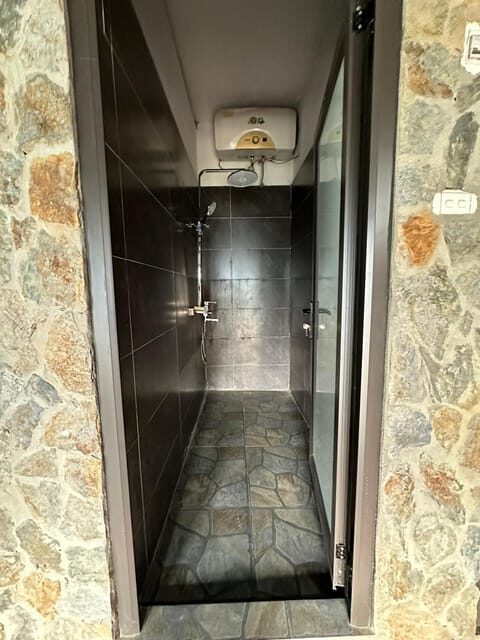
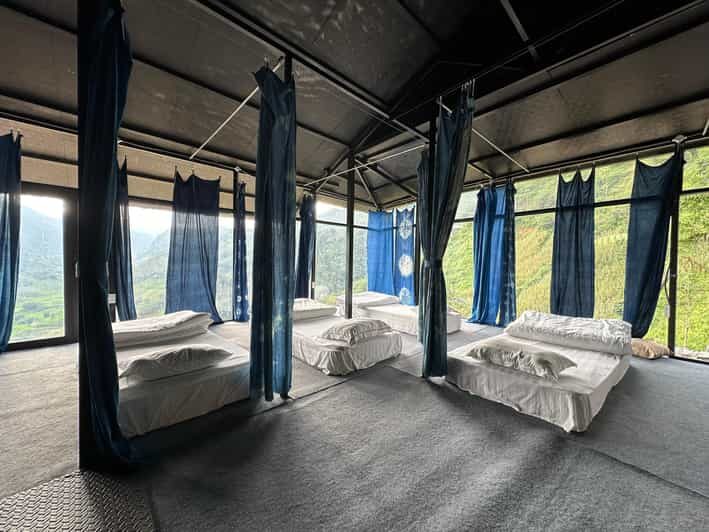
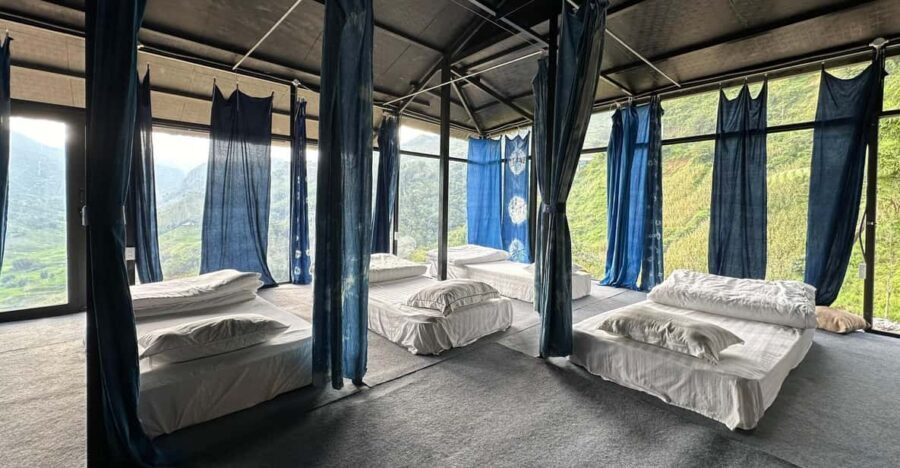
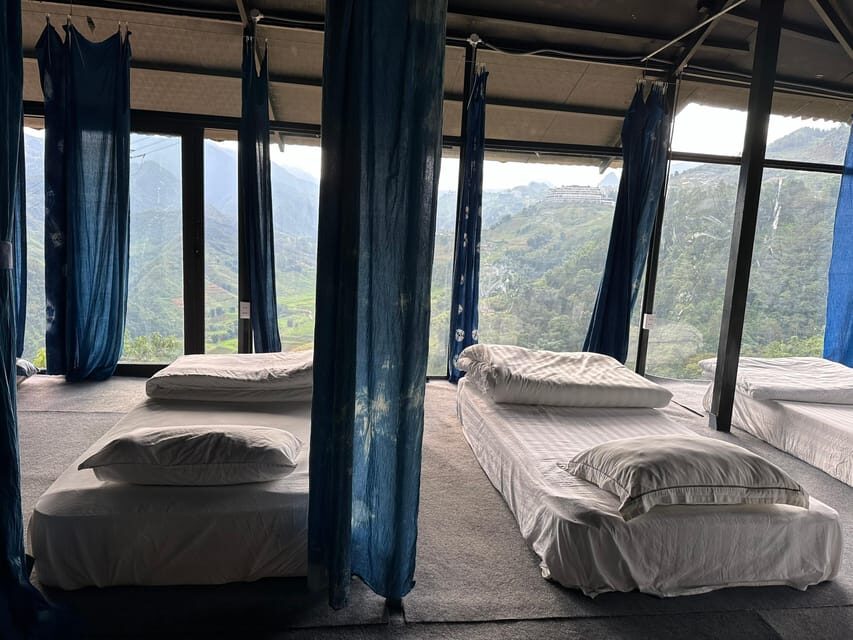
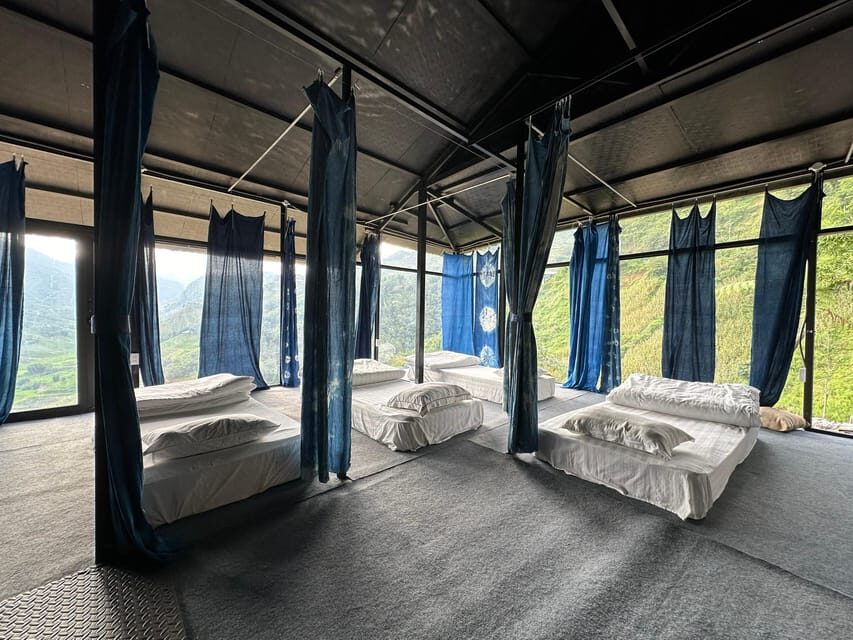
The homestay side of this trip is the whole point. Nomadtrails Lodge is in Amazing Muong Hoa Valley, with views over the valley and the Fansipan mountain range. In Sapa, those views matter because they set the mood for everything that follows. After a long overnight bus, you’re not dropped into a loud street. You check in and you can actually breathe.
Another small but important detail: this isn’t a “show up for dinner” situation. You get breakfast at the homestay, and Day 1 ends with a cooking class followed by a meal with your host family. That rhythm makes the cultural part feel daily, not decorative.
If you care about comfort and warmth, plan for the mountain weather. Even when the day feels mild, evenings can get cool fast. Having the homestay as your return point also means you can recharge before the Day 2 village walk.
You can also read our reviews of more tours and experiences in Sa Pa.
The Hanoi to Sapa sleeping bus: efficient, but timing is everything
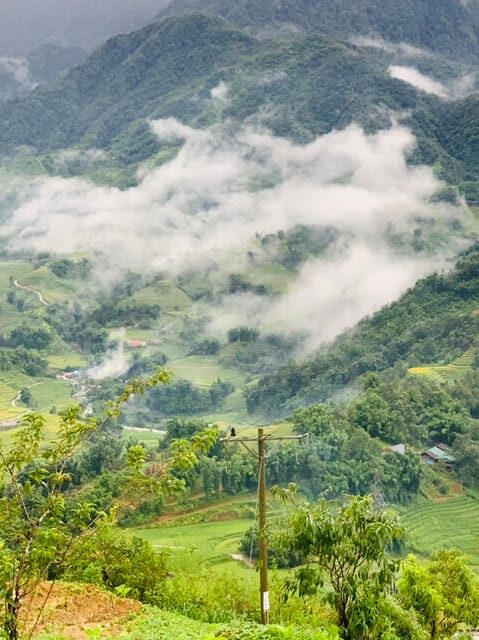
This tour includes pickup from your accommodation in Hanoi Old Quarter, then a round-trip sleeping bus to Sapa. The Day 1 window is set early: pick-up around 6:30 to 6:50 AM, then you ride up while watching the scenery change outside the window.
Sleeping buses are great value when they replace a hotel night, but the schedule can be fragile. One key planning note: if your pickup or the bus arrives later than expected, you can lose time for optional activities on Day 1. In this itinerary, Fansipan is listed as a possible add-on during Day 1 free time—so lateness can push that to Day 2 or require an extra arrangement.
If you’re the type who wants zero surprises, you’ll sleep better if you treat Day 1 as the “first day in the mountains” and keep your expectations flexible for optional extras.
Day 1 in Sapa: market time, Catcat options, and a real cooking class
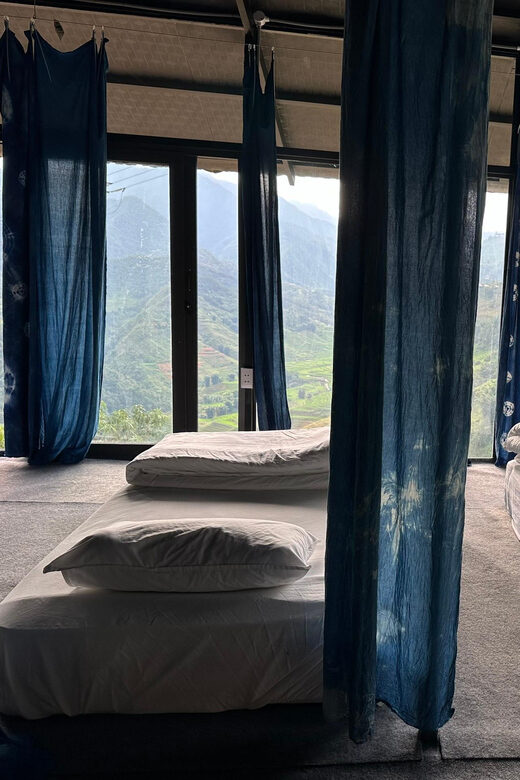
Day 1 starts with an arrival in Sapa around 13:00 to 13:30, so you land with cool mountain air and time to settle in. Check-in is at Nomadtrails Lodge, then you’re released into a mix of guided and free moments.
Here’s how Day 1 usually feels:
- Explore Sapa town and the market: you’ll have time for the active market scene and to look at textiles and handicrafts. This is where you can get a sense of the different ethnic cultures through clothing, patterns, and local products.
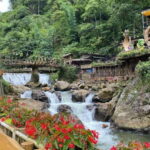
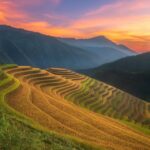
- Catcat village and rice terraces (optional during free time): the itinerary mentions a walk through rice terraces and time around Catcat village, known for handicrafts and a waterfall. It’s a classic Sapa pairing—walk, look, and chat if the moment feels right.
- Fansipan by cable car (optional): cable car access to roughly 2,800 m, plus trekking up to 600 steps to reach the peak area and viewpoints, along with a pagoda stop.
Even if you skip one of these, Day 1 still has strong payoff because the evening activity is structured and hands-on.
Cooking class and dinner with a local family
The cooking class is where this tour earns serious praise. The ingredients come from fresh, local sources, and at least one vegan request can be handled. You cook alongside your host, learn steps for traditional Vietnamese dishes, and then you eat what you make with the family.
This is more memorable than a cooking class where everything is prepped and you just “watch then stir.” If you enjoy food as culture, you’ll likely feel like you got a story with each dish—not just a recipe.
Red Dao herbal foot bath: small tradition, big comfort
After dinner, the evening includes a choice: you can join a special herbal foot bath associated with the Red Dao ethnic tradition. Even if you don’t go in for the story, it can be genuinely useful. Mountain days mean lots of walking and cold feet.
If you’d rather keep things casual, you can also do a slow stroll and check out the Sapa night market. That’s a good option when your body wants movement but not another hike.
Either way, plan to return to the homestay and rest. Day 2 is when you start stacking those views and village moments.


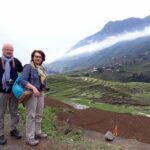
Day 2 village walking: Y Linh Ho, Lao Chai, and Ta Van in one day
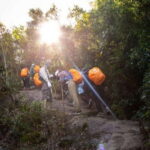
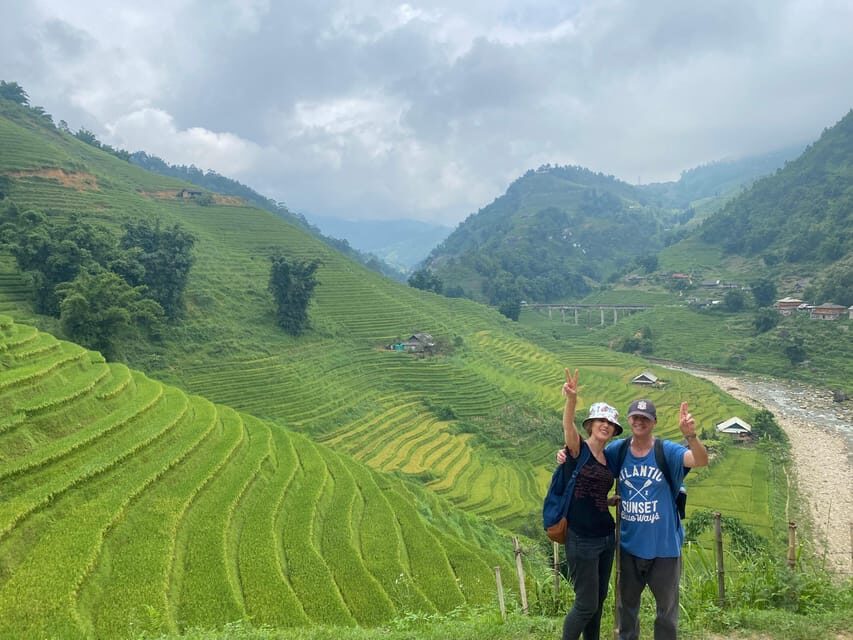
Day 2 is the main trekking day. After breakfast around 9:15 to 9:30, you head out on a full-day guided tour through the Y Linh Ho, Lao Chai, and Ta Van villages in the Amazing Muong Hoa Valley region.
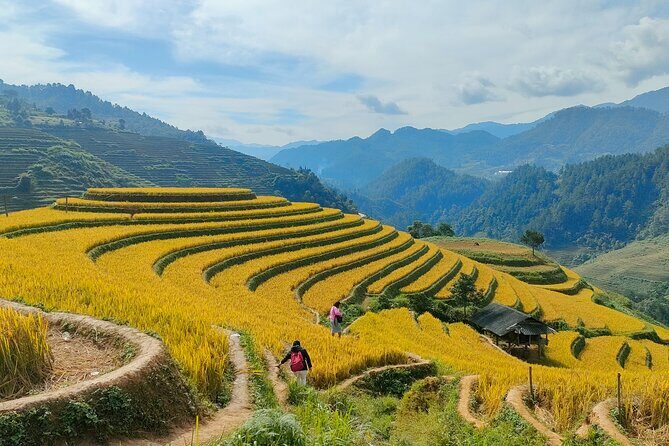
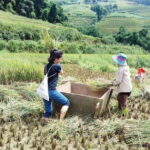
What makes this meaningful is how it connects people to the terrain. You’re not just passing by rice fields. You’re learning how local life fits into the terraced scenery—often the “how” is explained through what families do, what they grow, and how the villages function day to day.
You can expect:
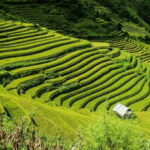
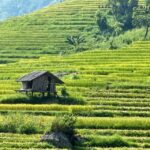
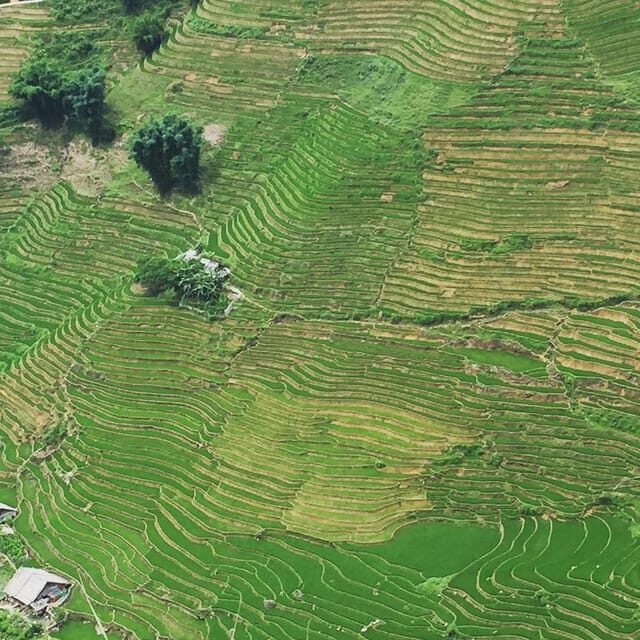
- Rice terraces and valley views along the route
- Village time in Lao Chai and Ta Van, including interaction with local families
- Lunch at a local eatery or as a picnic, depending on what your guide arranges
- A return to Sapa afterward, with time to shower and regroup before the overnight bus back to Hanoi
A quick reality check: the walking is on uneven, uneven-ish mountain ground. Good shoes aren’t optional. Also, bring insect repellent and expect you might need a light layer even if the sun is out.
Fansipan on Day 1: what the option really means for your plans
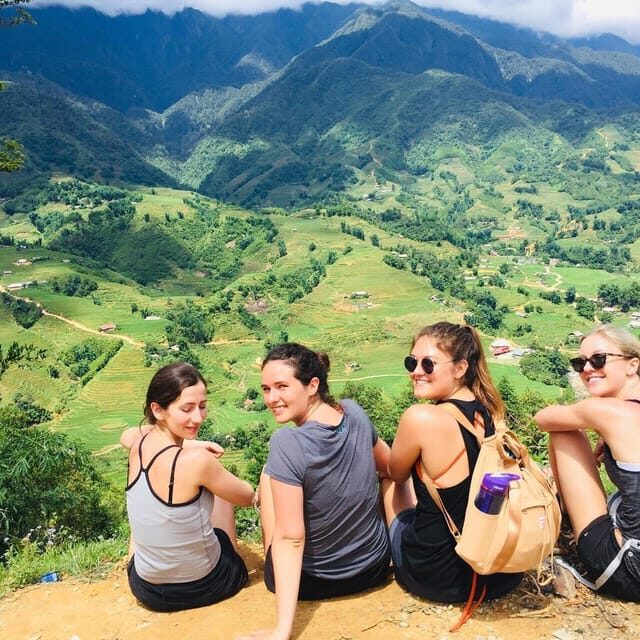
Fansipan is described as an option during Day 1 free time, using a cable car up to around 2,800 meters, then trekking to the summit area via 600 steps, with a pagoda visit along the way.
That’s a big commitment. It can be amazing if you have enough daylight and energy. But it’s also the part most vulnerable to schedule changes.
If your bus arrival is delayed on Day 1, you may not have the time to do Fansipan the same day. Because that can happen, I’d treat Fansipan like a bonus, not a guarantee. If doing Fansipan is your top priority, ask before you go how much buffer your specific departure build includes, and whether shifting it requires any extra payment.
The good news: the tour still has strong value even without Fansipan. The village day on Day 2 is the core experience, and it’s packed.
Food and drink: what’s covered and what you’ll pay for
This is a meal-included trip, and that matters at Sapa prices where convenience can cost extra.
Included meals and water:
- Breakfast (1x) at the homestay
- Lunch (1x) during the village day
- Dinner (1x) after your cooking class
- 1 liter of water per person
Not included:
- soft drinks
- VAT
If you want extra beverages, snacks, or coffee runs, you’ll be buying those separately. Also, the tour rules mention no alcohol/drugs in the vehicle, and no alcoholic drinks in transit, so keep that in mind if you’re traveling with a party vibe.
One more food detail that boosts the experience: the cooking class can adjust for vegan needs. If you have dietary restrictions, mention them when you book.
Group size and guide support: small group, real conversations
This is limited to 15 participants, which usually makes a difference in the mountains. With a smaller group, you can ask questions, get help with pacing, and have a better chance to interact with locals beyond the “photo and go” rhythm.
The guide is available in English, French, or Vietnamese, and that language support can really change the trip. In Sapa, small cultural explanations can be the difference between a walk and a story.
Also, the homestay hosting matters here. The tour design includes your host family for meals and the cooking class, so you’re not stuck with distant staff who never talk to you.
Price and value: why $56 can make sense (and when it won’t)
At $56 per person for a 2-day package, you’re paying for multiple things at once:
- homestay one night
- three included meals (breakfast, lunch, dinner)
- a local cooking class
- round-trip sleeping bus between Hanoi and Sapa
- an English-speaking guide
- guided sightseeing time plus village visits
- 1 liter of water
That’s solid value if you were planning to do at least the homestay night and one guided day anyway.
Where the cost can rise:
- Surcharges may apply for a single cabin on the sleeping bus or upgraded private rooms
- a Lunar New Year surcharge is specified for specific dates
- VAT isn’t included
So my value advice is simple: if you’re flexible on cabin type and can handle basic mountain conditions, this package looks like a good deal for the time you get. If you need a private room or single cabin, budget the extras early.
Who this trip suits best (and who should skip)
This works best for you if:
- you want a homestay experience, not a hotel tour
- you like food as part of culture
- you enjoy walking at a moderate pace and can handle uneven ground
- you want a guided day through famous village areas like Y Linh Ho, Lao Chai, and Ta Van
It’s not a great fit if:
- you have mobility impairments or need wheelchair access
- you’re traveling with a baby under 1 year
- you’re older with concerns about long step-ups and uneven surfaces
If you’re the type who needs everything fully scheduled minute by minute, this tour can also test your patience. The main variable is transport timing, especially on Day 1.
Should you book it? A practical decision
If you want a short Sapa trip that actually uses your time wisely, I’d book this. The combination of homestay night + cooking class + Day 2 village walking is the kind of package that turns two days into something memorable without wasting hours.
Just go in with two smart expectations:
- Fansipan is an option, not a guarantee.
- Comfort depends heavily on your shoes, layers, and willingness to walk.
FAQ
FAQ
What’s included in the price?
The tour includes one night in a homestay, a local cooking class, breakfast, lunch, and dinner, sightseeing fees, 1 liter of water per person, an English-speaking guide, and round-trip sleeping bus transport from Hanoi to Sapa.
How long is the tour?
It’s a 2-day experience. The exact starting times depend on availability.
Is the cooking class vegan-friendly?
The cooking class is designed around your hosts and can adapt to dietary needs, including vegan requests.
Do you visit Fansipan?
The itinerary says there is a possibility to take the cable car to Fansipan during Day 1 free time, reaching about 2,800 meters and trekking up to 600 steps, plus a pagoda visit.
What should I bring for this trip?
Bring comfortable shoes, sunscreen, water, and insect repellent. A reusable water bottle is also a good idea.
Is this suitable for wheelchair users or limited mobility?
No. It is not suitable for people with mobility impairments and is not suitable for wheelchair users.
Can I cancel for a full refund?
Yes. Free cancellation is available up to 24 hours in advance for a full refund.