REVIEW · MU CANG CHAI
Half Day Private Trekking Mu Cang Chai_Morning or Afternoon
Book on Viator →Operated by Indigenous Adventure · Bookable on Viator
Rain or clear skies, you’ll feel it. This half-day private trekking in Mu Cang Chai is built for close-up time with a Hmong guide, plus a real village lunch at an indigenous homestay. You’ll get to choose a route that hits big viewpoint energy like Đồi Mâm Xôi (Raspberry Hill) or the La Pan Tẩn viewpoint, with time to walk through rice-terrace valleys and nearby hamlets.
What I like most is the small group limit—numbers are capped at six—so questions don’t get lost and you can actually talk with your guide. I also like the cultural angle that’s not stuck behind a museum wall: you’ll see how people work in and around the terraces, including sewing at home and caring for buffalo. One thing to keep in mind: this is a weather-dependent trek, so if conditions are rough, expect mud, slick footing, and a plan adjustment.
You’re also looking at moderate walking over 4 to 5 hours, so bring sensible shoes and don’t plan this as a sit-and-snap photo outing. The payoff is that you get a focused route with guided context instead of just being dropped near the terraces and sent on your way.
In This Review
- Key things that make this trek worth your time
- How a half-day Mu Cang Chai trek really fits together
- La Pa Tẩn pickup and transfers: less hassle, more walking
- Two route options: Raspberry Hill or the La Pan Tẩn viewpoint
- Your Hmong guide: the difference between seeing and understanding
- Lunch at an indigenous homestay: why it matters for value
- What you’ll walk past in Mu Cang Chai (and what to look for)
- Price and value: $60 for private time that stays focused
- Weather reality: when rain hits, plan for slick steps
- Who should book this trek (and who might want something else)
- Should you book this half-day private Mu Cang Chai trek?
- FAQ
- FAQ
- Is this a private tour?
- How long is the trekking experience?
- Does it include transportation from La Pa Tẩn?
- Where does the tour start and end?
- What route options are available?
- What language is the guide?
- Is lunch included?
- What’s included in the price besides lunch?
- Are beverages included?
- What’s the cancellation policy if the weather is bad?
Key things that make this trek worth your time
- Capped at six people so your Hmong guide can actually spend time with you
- Hmong guide + English support for village details, daily life, and how the terraces work
- Two route choices that swap viewpoints and rhythm while keeping the same half-day structure
- Lunch included at an indigenous homestay instead of a quick, generic meal stop
- Pickup/round-trip transfer from La Pa Tẩn area so you’re not stuck figuring out logistics
How a half-day Mu Cang Chai trek really fits together
This is a focused 4 to 5 hour experience, designed around walking plus time to learn, not a long full-day push. You’ll start from the Mu Cang Chai Center homestay & Tours area in La Pan Tẩn, then spend your time moving through rice-terrace valleys, villages, and viewpoints before returning to the meeting point.
In practice, that means you’re not trying to cover “everything” in one go. Instead, you get a tight route where your guide can point out what you’re looking at—terrace work, village life, and why particular viewpoints are worth the climb. If you’re short on time in northern Vietnam, this format is a strong way to get the best views without burning your whole day.
Timing depends on whether you booked the morning or afternoon slot. Either way, lunch is included, and it’s served at an indigenous homestay as part of your trek day. That’s a big deal in this region, because the meal is tied to the setting you’re visiting, not just an add-on.
You can also read our reviews of more private tours in Mu Cang Chai

La Pa Tẩn pickup and transfers: less hassle, more walking
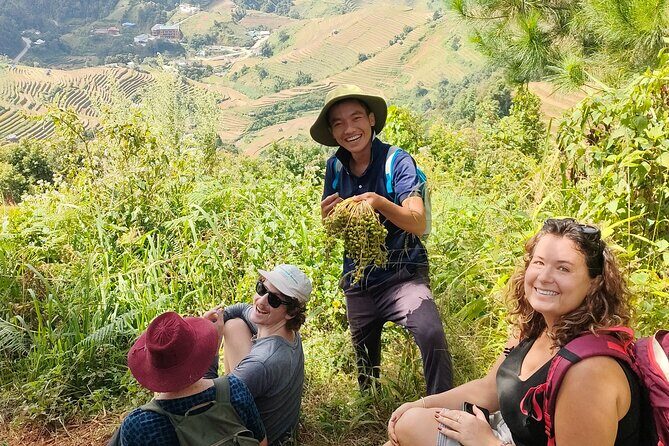
The biggest practical win here is the easy round-trip transfer from your La Pa Tẩn-area accommodation (homestays and hotels). That matters because Mu Cang Chai can be logistically tricky if you’re trying to coordinate rides on your own.
You’re not just buying a guide and a viewpoint; you’re also buying time. When transport is handled, you’re more likely to show up ready—without losing your energy to back-and-forth bargaining, finding the right vehicle, or waiting around.
The activity ends back at the meeting point, so you’re also not stuck navigating your way home after a few hours on uneven paths.
Two route options: Raspberry Hill or the La Pan Tẩn viewpoint
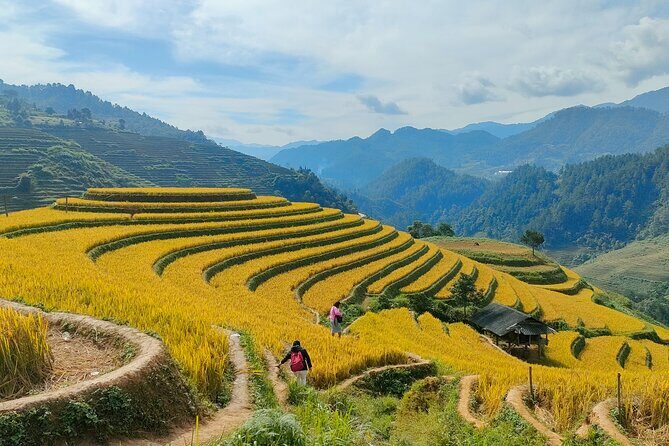
You’ll choose between two walking routes, both built around standout vantage points:
- One option routes through Đồi Mâm Xôi (Raspberry Hill), known for the dramatic look of the terraces.
- The other option goes via the La Pan Tẩn viewpoint, which tends to blend terrace views with village proximity.
The “route choice” isn’t just marketing. It changes the feel of your half-day. One route leans more toward the famous terrace silhouette, while the other keeps you closer to the rhythm of local life. If you’re the type who likes strong viewpoints, Raspberry Hill is a clear draw. If you prefer a more village-forward walk with big terrace moments, the La Pan Tẩn viewpoint option is a good match.
Either way, the guide uses the route to connect what you see with how people live: rice-field work, home routines, and the way the terraces shape daily schedules.
Your Hmong guide: the difference between seeing and understanding
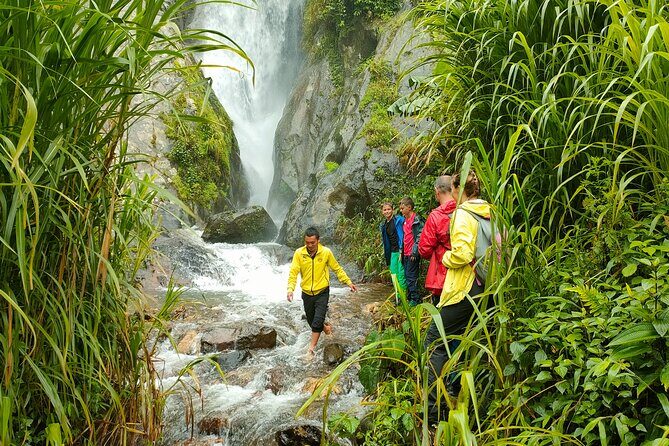
This trek is led by a Hmong guide who speaks English, and that’s where the experience becomes more than scenery. A good guide doesn’t just point out a hill and say “view.” They explain what you’re looking at—how terrace work is organized, what certain areas are used for, and how seasons change what life looks like.
You’ll walk through traditional Hmong villages and you may get a chance to observe everyday tasks around the homes and rice fields. Based on the guide-led style of the trek, expect things like:
- People working in rice terraces
- Sewing clothes at home
- Buffalo care and related farm routines
One name that comes up in guidance here is Yien, described as someone born and raised in the La Pan Tẩn area. Even if your guide is someone else, the key point is the same: you’re getting an indigenous guide, not a generic tour escort. That tends to be why people rate this so highly—because the walk turns into real conversation.
Lunch at an indigenous homestay: why it matters for value
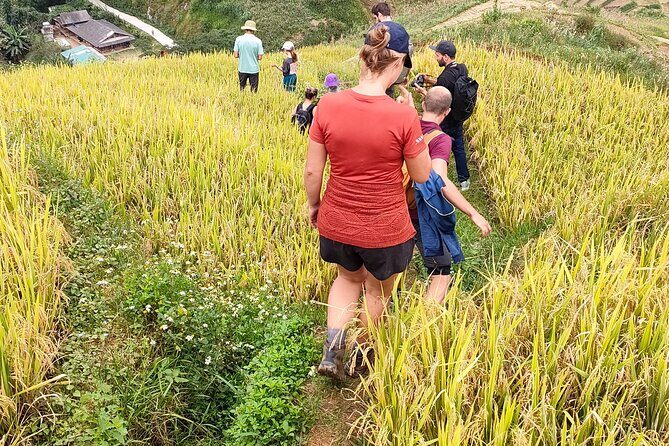
Lunch is included, and it’s part of an indigenous homestay stop. That changes the economics of the day in a good way. At $60 per person for a private half-day with transfers, a guide, entry tickets, and lunch, you’re not just paying for “time in the mountains.” You’re also paying for access—local knowledge and a meal in context.
What to expect is a sit-down break after walking. The exact menu isn’t specified in the details you provided, and that’s fine—you’re mostly here for the setting and the chance to connect the food stop to the community you just walked through.
Still, there’s one practical note: beverages are not included. So if you’re thirsty after the hike, plan on buying drinks separately or bring what you can within local rules and your comfort.
What you’ll walk past in Mu Cang Chai (and what to look for)
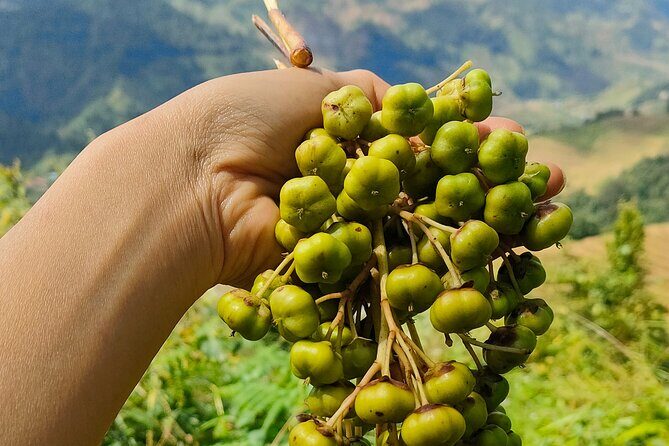
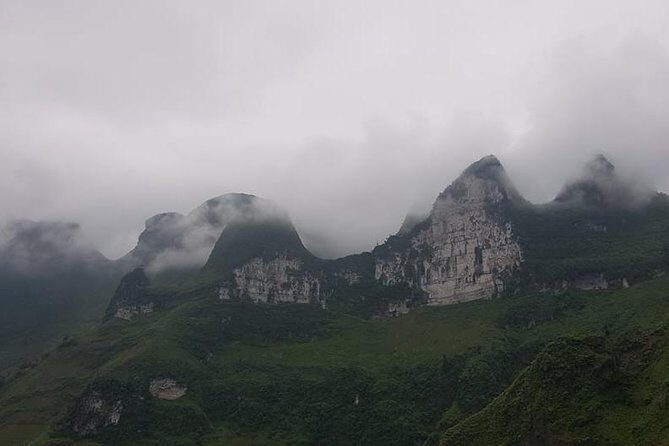
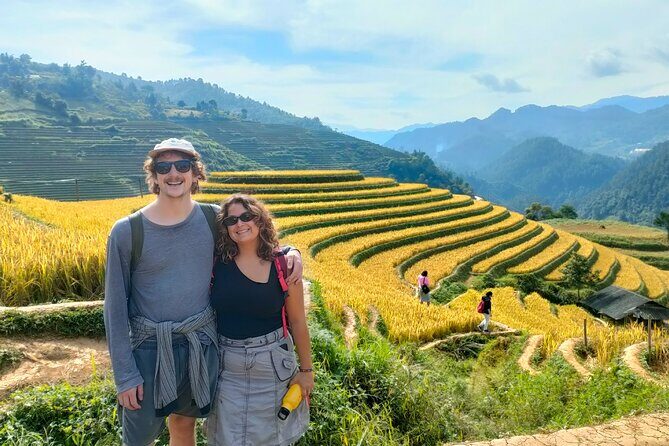
Mu Cang Chai’s big draw is the rice-terrace scenery, but the real value is that this trek adds interpretation while you’re moving. As you walk, watch for patterns your guide brings up: how terraces step down the valleys, where village paths intersect fields, and how homes and work areas connect.
You’ll likely see villagers doing farm and household tasks—sewing and tending animals are specifically mentioned—so look beyond just the view. If the weather is cloudy or rainy, focus on texture: water in the fields, wet soil color, and the way steps change when you’re looking at them from different angles.
One of the most useful things you can do is ask your guide simple, human questions as you walk. Questions like how the terraces are maintained, what the daily routine looks like, or how the area feels for families in different seasons will land better than asking only about landmarks.
Price and value: $60 for private time that stays focused
At $60 per person, the headline number is easy to understand. The more important question is what’s included—and how that affects your day.
Here’s the value logic that makes this work:
- Private trekking experience (your group only)
- Hmong guide with English
- Lunch included at an indigenous homestay
- Bottled water included
- Entry tickets included
- Round-trip transfers from the La Pa Tẩn area
- Two route options, so you can pick the vibe that fits your taste
If you’ve done northern Vietnam trips where you pay for a “driver + photo stop” day, you’ll recognize the difference. This is structured for walking time plus guided context. And the small group cap matters too—because it keeps the experience from turning into a lecture with no conversation.
So, while $60 isn’t a bargain-basement price, it does fit the category of “worth it” if you care about local connection and not just views.
Weather reality: when rain hits, plan for slick steps

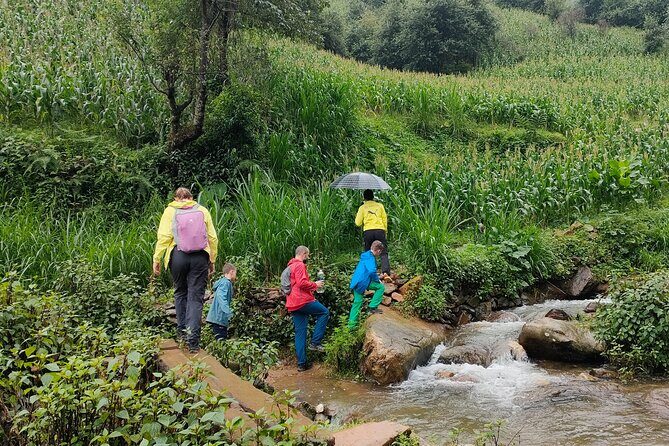
This trek needs good weather. That’s not a scolding—it’s just the truth with terrace paths. Rain can mean muddy trails and slippery ground. There’s also an important flexibility element: if poor weather causes cancellation, you’re offered a different date or a full refund.
Even if you go ahead in wet conditions, it helps to think like a local trekker:
- Wear shoes with grip
- Keep a small towel or cloth handy
- Expect slower steps
One recent example included heavy rain, but the trip still sounds like it delivered a memorable walk through terraced areas and a Hmong village setting. The takeaway is simple: if you’re prepared for wet conditions, you can still enjoy the route—just go slower and keep your footing.
Who should book this trek (and who might want something else)
This works well if you:
- Want a short Mu Cang Chai experience that’s still guided and meaningful
- Like asking questions and learning daily life details
- Prefer small groups (numbers capped at six)
- Want lunch included without hunting for food on your own
You might want a different option if you:
- Are looking for an easy stroll with zero walking effort
- Have no flexibility if the weather turns
- Need fully guaranteed comfort in muddy conditions
Because it’s described as a moderate-fitness trek, I’d recommend it for most healthy travelers who can handle uneven ground for a few hours. If you’re unsure, choose shoes first, not optimism.
Should you book this half-day private Mu Cang Chai trek?
If your goal is Mu Cang Chai views plus real human context, I’d say yes. The combination of small-group size, an English-speaking Hmong guide, route choice between Raspberry Hill and La Pan Tẩn viewpoints, and a lunch at an indigenous homestay is a strong recipe for a half-day that feels worth the money.
Book it if you want a guided walk that explains what you’re seeing and shows you daily life beyond the terraces. Skip it (or look for an alternative) if you’re mainly after an ultra-easy photo outing or you can’t adjust plans if weather forces changes.
FAQ
FAQ
Is this a private tour?
Yes. It’s listed as a private tour/activity, and only your group participates.
How long is the trekking experience?
It runs about 4 to 5 hours.
Does it include transportation from La Pa Tẩn?
Yes. Hassle-free 2-way transfers are offered from the La Pa Tẩn area, including homestays and hotels.
Where does the tour start and end?
It starts at Mu Cang Chai Center homestay & Tours La Pán Tẩn, Mù Cang Chải District, Yên Bái, Vietnam, and ends back at the meeting point.
What route options are available?
You’ll have a choice between a route via Đồi Mâm Xôi (Raspberry Hill) or a route via the La Pan Tẩn viewpoint.
What language is the guide?
The guide is Hmong and speaks English.
Is lunch included?
Yes. Lunch is included, and it’s served at an indigenous homestay during the trek.
What’s included in the price besides lunch?
Included items are lunch, bottled water, and entry tickets.
Are beverages included?
No. Beverages aren’t included.
What’s the cancellation policy if the weather is bad?
You can cancel for a full refund up to 24 hours in advance. If the experience is canceled due to poor weather, you’ll be offered a different date or a full refund.