REVIEW · MU CANG CHAI
Full Day Private Trekking Mu Cang Chai
Book on Viator →Operated by Indigenous Adventure · Bookable on Viator
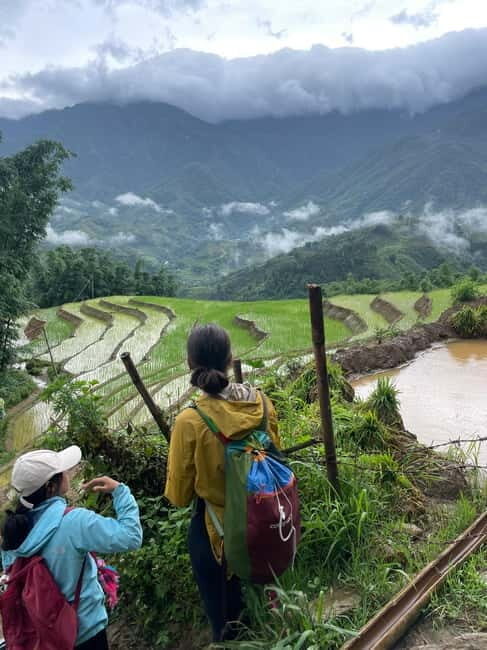
Rice terraces here feel almost unreal. This full-day private-style trekking day in Northern Vietnam pairs Mu Cang Chai rice terraces with Hmong village life, so you’re not just walking to photos—you’re learning how people farm and live at high altitude. You’ll hit classic viewpoints like Đồi Mâm Xôi (Raspberry Hill), plus a waterfall and headwater along the way, all with an English-speaking guide to keep the day meaningful.
I especially like the way the tour keeps group size tight—numbers are capped at 12 travelers—so you get real back-and-forth with your Hmong guide rather than drifting into a crowd. I also like the practical inclusions: an authentic local lunch plus bottled water, so your energy doesn’t crash halfway through the hike.
One consideration: this is a trekking-focused day, and it’s best for people with moderate physical fitness. Also, Mu Cang Chai depends on weather, so cloudy or rainy conditions can affect what you experience on the day.
In This Review
- Key things that make this trek worth your time
- Mu Cang Chai rice terraces: more than a photo stop
- The Hmong guide is the difference-maker
- What 7–8 hours of terrace trekking really means
- Raspberry Hill (Đồi Mâm Xôi): the viewpoint you plan for
- Villages, hands-on work, and seeing how life fits the mountain
- Lunch in the high mountains: simple, filling, local
- Transfers from La Pan Tẩn / Mu Cang Chai: less stress, more time
- Price and value: what $80 gets you in Mu Cang Chai
- Who this trek suits best
- Should you book the Full Day Private Trekking Mu Cang Chai?
- FAQ
- How long is the Full Day Private Trekking Mu Cang Chai?
- How much does it cost?
- What’s the group size?
- Do I get pickup and drop-off?
- What does the tour include?
- Do I need to buy tickets separately?
- Is the trek suitable for everyone?
- Are there English-speaking guides?
- What if the weather is bad?
- Can I cancel for a full refund?
Key things that make this trek worth your time
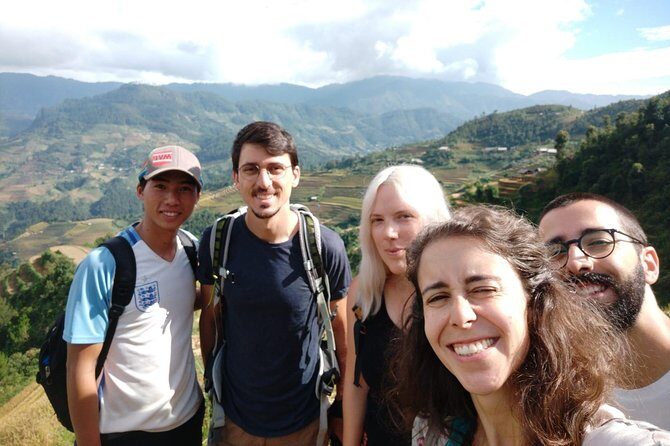
- Small group cap (12 max) for better guide conversations and less waiting
- English-speaking Hmong guide who connects rice terraces to daily life
- Raspberry Hill (Đồi Mâm Xôi) viewpoint plus multiple terrace perspectives
- Local lunch and bottled water included so you can focus on the hike
- Transfers in and out from La Pán Tẩn / Mu Cang Chai homestays and hotels
Mu Cang Chai rice terraces: more than a photo stop
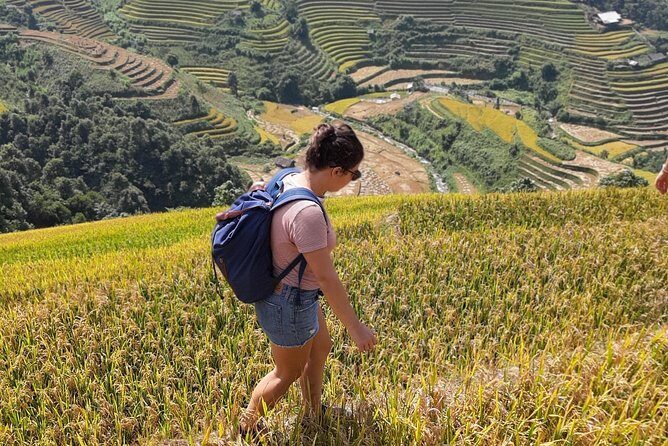
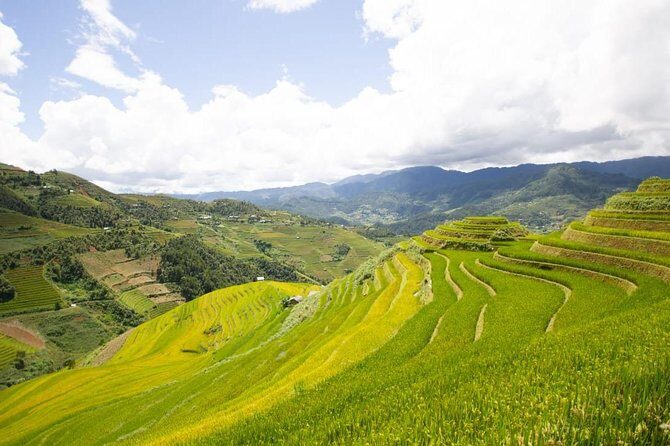
Mu Cang Chai is famous for rice terraces, but the real magic is how the terraces shape everything around you. The slopes are stepped, the views keep opening as you walk, and—most importantly—the terraces aren’t just scenery. They’re working farmland, tied to seasonal rhythms and the kinds of skills you only understand after hearing how locals plant, tend, and harvest.
This trek is designed to keep that context front and center. Your Hmong guide doesn’t just point out where to stand; they explain what you’re seeing as part of daily life in the mountains. That changes the whole vibe. You move through rice fields with a sense of purpose, not just a checklist of viewpoints.
The season matters too. If timing matches, you might even be able to try hands-on farming activities like planting or harvesting rice by hand. Even without hands-on time, you’ll still get close to village routines—people working in the fields, caring for buffalo, and going about practical tasks in the home.
You can also read our reviews of more private tours in Mu Cang Chai
The Hmong guide is the difference-maker
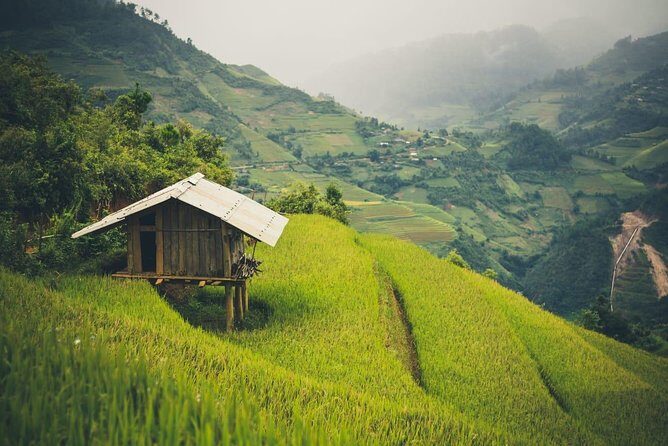
Mu Cang Chai can be hard to navigate, with few roads and limited signage. That’s exactly why a local guide matters here. With the guide leading, you’re not spending your time second-guessing paths or trying to translate what you’re looking at. Instead, you get stories and explanations along the route, in a way that feels natural for the day.
In the best moments, you’ll be walking through Hmong villages while hearing how people live at this altitude—what they eat, how they manage work, and what traditions show up across the seasons. The day is also built for interaction: you’ll pause to look, ask questions, and listen to the guide’s rhythm of explanations.
One name that comes up in the tour experience is Yien (Indigenous Adventures). The tone from past guests is consistent: Yien helps turn the day into more than exercise and views. You’ll likely remember the casual, human parts—chatting while passing homes, seeing sewing and fieldwork, and hearing the background behind the terraces.
What 7–8 hours of terrace trekking really means
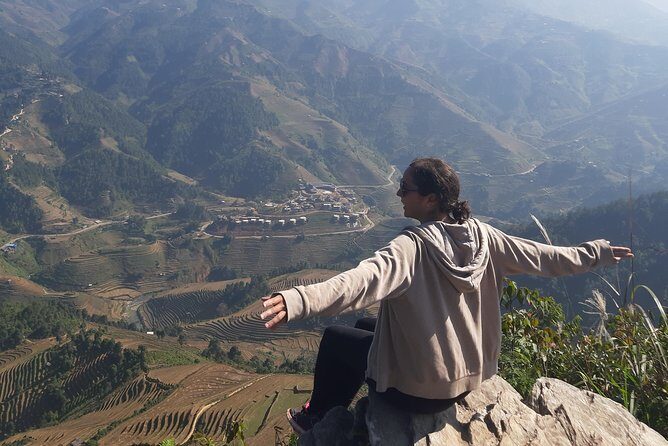
Plan for a full day outdoors. The activity runs about 7 to 8 hours, and it’s paced as a moderate trekking experience. That usually means you should expect uneven, stepped paths and some uphill walking, especially as you move between viewpoints and terrace zones.
You’re also not “just walking.” The schedule has built-in moments to slow down: viewpoint stops, village passes, and time for the guide to share context. Those pauses are important because Mu Cang Chai’s scenery isn’t a single view—it’s a sequence. One bend gives you a new angle on stacked paddies. Another stop brings a wider panorama. It’s the variety that makes the day feel full, not rushed.
The trek also includes classic natural features beyond terraces. You’ll spend time around the headwater area and visit a waterfall, which gives the day a different kind of scenery—cooler, wetter, and more shaded than the open terrace areas.
If you’re the type who likes to enjoy the scenery without constantly stopping to figure out logistics, this kind of guided day fits well. If you prefer short walks and frequent breaks with minimal effort, you may find this one more active than you expect.
Raspberry Hill (Đồi Mâm Xôi): the viewpoint you plan for
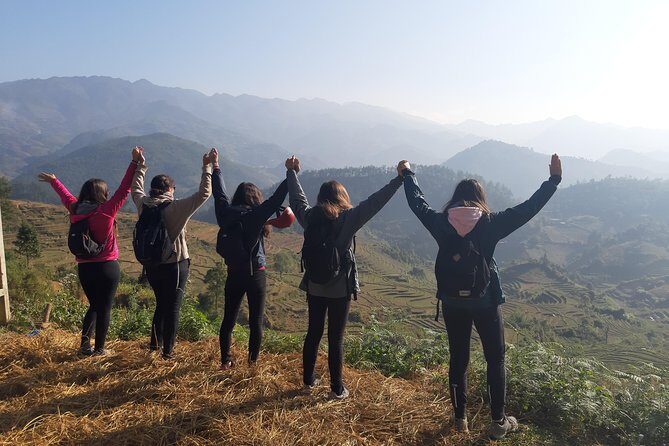
Đồi Mâm Xôi, known as Raspberry Hill, is one of the iconic stops for good reason. It’s the kind of viewpoint that makes you stop talking for a second and just look—layers of terraces stretching out in a way that feels almost engineered, even though it’s clearly living farmland.
Why it works on this trek: you’re not seeing Raspberry Hill in isolation. You’re approaching it through walking routes that pass working paddies and Hmong villages. So when you reach the viewpoint, it feels earned. You’ve already spent time learning what the terraces look like at close range. From the viewpoint, the whole system clicks into place visually.
The timing of light can make a huge difference in how the terraces look. Past guests have described the scenery as looking like a fairy tale on sunny days. Even if your day isn’t perfectly sunny, the terraces still hold shape and texture because of how they’re stacked. A cloudy sky can also soften contrast—often better for comfort, even if it changes the dramatic look.
Villages, hands-on work, and seeing how life fits the mountain
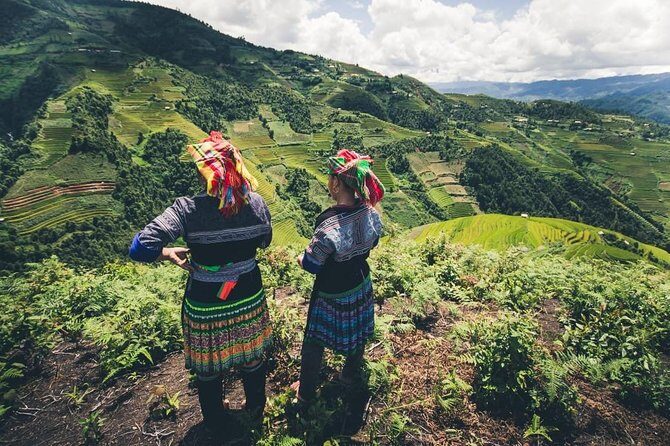
A big part of this experience is that you walk through places where people actually live and work. Expect to pass Hmong villages and see daily tasks going on: working in the fields, buffalo care, and everyday home activities like sewing.
This is also where your guide’s explanations really pay off. You’ll likely learn how seasonal work affects what you see on the terraces—when planting and harvesting are happening, and how local knowledge shapes farming decisions in a tough environment. When the season lines up, you might even have a chance to try small farming activities by hand, which is a memorable way to turn observation into understanding.
Just keep your expectations realistic. You’re visiting homes and working areas, not a museum set. Being respectful matters: stay aware of your surroundings, follow your guide’s cues, and keep things low-key.
If you enjoy cultural contact that feels practical and grounded—work, food, conversation—this portion is one of the strongest reasons to book.
Lunch in the high mountains: simple, filling, local
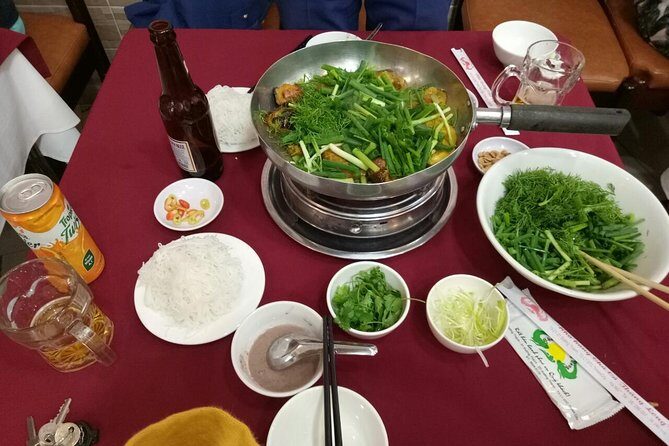
A hiking day lives or dies by lunch. Here, lunch is included and described as authentic local food, along with bottled water. That matters because you’re dealing with a long stretch outdoors. If you have to find food on your own, it can turn into a hassle fast—especially in areas where options may be limited.
I like that the tour builds lunch into the day so you don’t end up “rushing” the best parts of Mu Cang Chai just to beat hunger. The lunch is also part of the cultural experience, since it’s not packaged tourism food.
What to do before you go: come prepared with an appetite, and plan to pace your drinking. Mountains can feel less dehydrating than hot cities, but you’ll still want to drink water during breaks—especially if you’re walking uphill.
Transfers from La Pan Tẩn / Mu Cang Chai: less stress, more time
Logistics can make or break a day like this. This experience includes stress-free 2-way transfers from La Pán Tẩn hotels and homestays, which is a huge quality-of-life upgrade in a rural area.
The meeting point is listed as Mu Cang Chai Center homestay & Tours in La Pán Tẩn, Mù Cang Chải District, Yên Bái. The tour ends back at the meeting point, so you’re not stuck figuring out return transport after your hike.
In practical terms, this means you spend less time coordinating and more time in the field. If you’re visiting from outside the area, it also reduces the chance of a mismatch between your schedule and local transport availability. In a place where roads and signage aren’t your friends, having a planned route matters.
Price and value: what $80 gets you in Mu Cang Chai
At $80 per person, this is not a bargain “walk around a town” kind of tour. But it also isn’t overpriced for what you get here. You’re paying for:
- A guided trek with an English-speaking Hmong guide
- A capped group size (12 max), which supports better interaction
- Lunch plus bottled water
- Entry/admission included
- Pickup/transfer support from the local area
If you were to replicate those pieces on your own—especially the guide and the coordinated route—you’d likely spend more time and money. The guide portion is the biggest value lever. In Mu Cang Chai, a local guide doesn’t just make things easier; it helps you understand what you’re seeing so your photos become a story, not just a memory of terraces.
Also, the private tour format matters for comfort. Even if it’s effectively a small-group day, being grouped with a limited number of people changes the feel of the hike—less waiting at stops, and more chances for questions.
Who this trek suits best
This is a great fit if you want Mu Cang Chai’s rice terraces with context and conversation. I’d especially recommend it if you:
- Care about culture and daily life, not just scenic stops
- Prefer small groups (12 max)
- Want an English-speaking Hmong guide to explain what you’re seeing
- Are comfortable with a moderate trekking day (7–8 hours)
It’s also a solid option if you’re staying in/near La Pán Tẩn or Mu Cang Chai and want smooth transfers without extra planning.
If your ideal day is mostly flat walking, very flexible timing, or minimal time outdoors, you might find the trekking emphasis challenging. In that case, you could still enjoy Mu Cang Chai, but you’d want a less hike-heavy format.
Should you book the Full Day Private Trekking Mu Cang Chai?
I’d book this if you’re planning to see Mu Cang Chai for more than just a view. The best part isn’t only the terraces—it’s how the Hmong guide turns the day into a connected experience: terrace farming, village life, and viewpoints like Raspberry Hill, plus a headwater and waterfall.
I’d also book it for the practical reasons. Lunch is included, water is included, entry is handled, and transfers reduce stress. And with a 12-person cap, the guide time feels personal rather than rushed.
Just go in with the right mindset: dress for hiking, plan for a full day, and understand that weather can affect conditions. If you do that, you’ll get a memorable, grounded day in one of Northern Vietnam’s most iconic terrace regions.
FAQ
How long is the Full Day Private Trekking Mu Cang Chai?
The tour runs about 7 to 8 hours.
How much does it cost?
It costs $80.00 per person.
What’s the group size?
The experience caps group size at 12 travelers.
Do I get pickup and drop-off?
Yes. Two-way transfers are offered from La Pán Tẩn hotels and homestays, and the activity ends back at the meeting point.
What does the tour include?
It includes lunch, bottled water, entry/admission, and a local guide who speaks English.
Do I need to buy tickets separately?
Entry/admission is listed as included, and mobile tickets are available.
Is the trek suitable for everyone?
It’s described as requiring moderate physical fitness.
Are there English-speaking guides?
Yes, the local tour guide speaks English.
What if the weather is bad?
The experience requires good weather. If it’s canceled due to poor weather, you’ll be offered a different date or a full refund.
Can I cancel for a full refund?
Yes, you can cancel up to 24 hours in advance for a full refund.