REVIEW · SAPA
2 Days Homestay: Great Tour with Various Options
Book on Viator →Operated by Trekking Like A Boss · Bookable on Viator
Two days can feel like a real change of pace. This Sapa homestay tour takes you out of town for village life, not just viewpoints. You hike through the Muong Hoa Valley area, visit several ethnic villages, then sleep in a homestay outside Sapa for a night.
I like the small group size (up to 15), because it keeps the pace human and the guide more reachable. I also like how the itinerary mixes scenery with actual village stops, including Ta Van, Shin Chai terraced fields, and two Day 2 communities.
The main thing to think about: you do get short stop times (around 30 minutes at each village/feature), and homestay conditions can be simple depending on where you’re placed. If you want long walks and lots of downtime, this may feel a bit tight.
In This Review
- Key highlights at a glance
- Why this 2-day Sapa homestay trip feels local (and not just scenic)
- Price and what $55 really buys you
- Hanoi night train upgrade: how it helps (and what you should expect)
- Day 1: Muong Hoa Valley, Ta Van, and Shin Chai terraces
- Muong Hoa Valley
- Ta Van Village
- Shin Chai terraced rice fields
- Fansipan area: passing by the mountain
- Day 1 homestay night: the real reason to book
- Day 2: Y Linh Ho and Giang Ta Chai villages
- Y Linh Ho village
- Giang Ta Chai village
- Meals and timing: what’s included, and how it affects your day
- Guides, transport, and small comforts that matter
- Who this tour suits best (and who might want a different pace)
- Should you book this Sapa homestay tour?
- FAQ
- FAQ
- How long is the Sapa homestay tour?
- What does the price include?
- Are meals included, and how many do I get from Hanoi vs Sapa?
- What villages and areas do you visit?
- Is the group small?
- Do I need a night train from Hanoi?
- Are entrance fees included?
- Can I cancel for a full refund?
- Is there a mobile ticket?
Key highlights at a glance
- Homestay night outside Sapa: sleep where daily life is the main event
- Up to 15 people: easier questions, less crowding on hikes
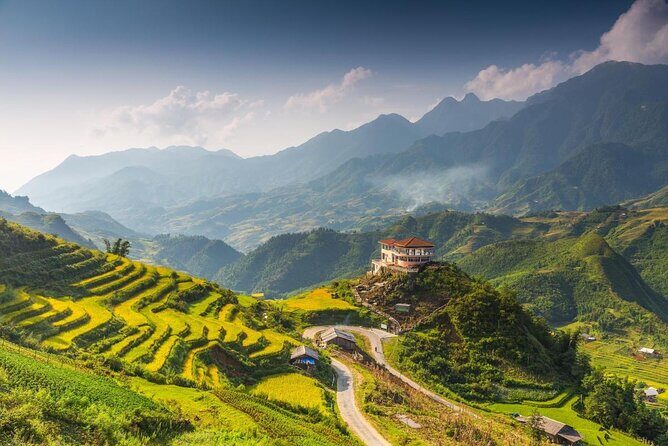
- Muong Hoa Valley + multiple villages: Lao Chai, Ta Van, Shin Chai, Y Linh Ho, Giang Ta Chai, and more
- Terraced rice fields stop: Shin Chai includes a dedicated photo-and-walk window
- Optional door-to-door Hanoi night train upgrade: round-trip transfers can simplify everything
- English-speaking guide + AC transport: practical comfort on the move
Why this 2-day Sapa homestay trip feels local (and not just scenic)
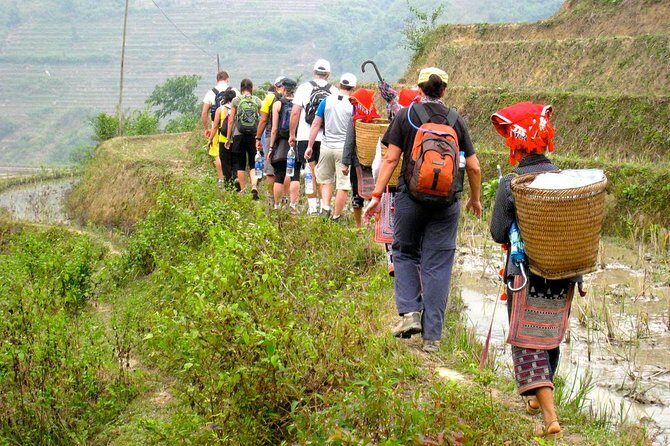
Sapa can turn into a checklist fast. This tour aims for something steadier: you spend time in the village corridor around Sapa, then you stay overnight in a homestay outside town. That one choice changes the whole mood of the trip. Daytime walking gives you a sense of place, but the night is what makes it stick.
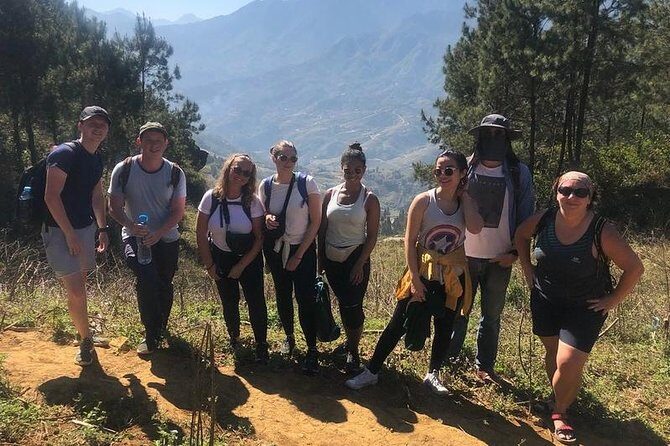
One of the best parts is that you’re not stuck with a huge crowd. A group capped at 15 travelers means you’re more likely to hear explanations clearly, ask questions without waiting forever, and move at a pace that matches a real trek. It also tends to reduce the rush factor at village stops.
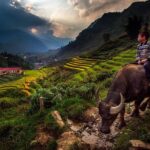
Another plus is the mix of cultural access and nature. You get valley scenery and terraced rice fields, but you also visit villages like Ta Van and Y Linh Ho where you’re not just looking from far away. The goal is to see how people live here, not only how the mountains look.
You can also read our reviews of more tours and experiences in Sapa

Price and what $55 really buys you
At around $55 for 2 days, this is the kind of price that usually raises an eyebrow. So here’s the practical breakdown of why it can make sense for your budget:
You’re not just paying for guiding. The package includes a homestay night, an English-speaking guide, and multiple meals as listed in the itinerary. It also includes air-conditioned transfer vehicles for the transportation portions, plus pick-up and drop-off at major train stations (Hanoi Station and Lao Cai station).
It’s also structured in a way that limits extra expenses on the day. You’re told upfront that entrance tickets are included for the stops listed with admission, while personal expenses and other meals/drinks are not.
Balanced view: because the stop windows are relatively short (often about 30 minutes), you’re paying for coverage and access more than for time deep inside one village. If you want slow, unstructured hanging-out time, you may feel a bit guided. If you want a strong sampler that still includes a homestay, the value is solid.
Hanoi night train upgrade: how it helps (and what you should expect)
If you’re coming from Hanoi, the optional upgrade can be a big deal. You can add door-to-door 2-way night train transfers from Hanoi. That means you’re not left figuring out how to get yourself to Lao Cai, or how to get back from Sapa at the end.
The tour is built around station logistics too. The package includes pick up/drop off at train station (Lao Cai and Hanoi). So even when you’re not using the upgrade, you’re still supported on the big transfer points.
A quick reality check from real-world comfort: night trains aren’t luxury. One person noted the ride can be bumpy and warm. The good news is that once you arrive in the Sapa area, your schedule is set up so you can reset. In at least one described case, the arrival included breakfast and a warm shower at the start of the Sapa portion, which makes the next day’s walking feel much more doable.
What you should do: pack for that warm-bumpy possibility. Bring something for comfort in the seat, and keep a small layer for nighttime.
Day 1: Muong Hoa Valley, Ta Van, and Shin Chai terraces
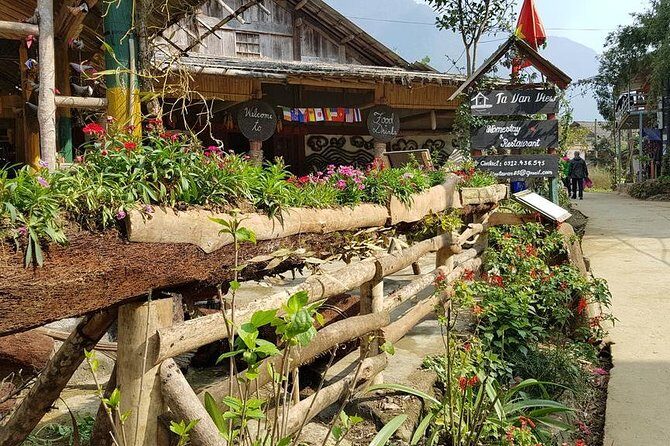
Day 1 is about getting you into the right scenery zone fast. You start with stops that are designed to show the valley layout and the village pattern along the slopes.
Muong Hoa Valley
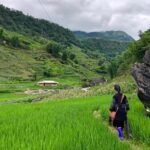
The Muong Hoa Valley stop is your first taste of what people come to Sapa for. Expect open views and a strong sense of the region’s elevation and farms. The stop is around 30 minutes, so it’s not a long hike here. It’s a view-and-walk window to get your bearings.
Possible drawback: because it’s short, this is more about first impressions than deep exploration. If you’re hoping for a long nature stroll right away, plan for the fact that the full trekking may feel spread across the rest of the day.



Ta Van Village
Next up is Ta Van Village for about 30 minutes. This is the kind of stop where you get a real village vibe quickly: people moving through everyday routines, homes set into the hillside, and a clearer sense that agriculture and community are the local backbone.
Practical tip: wear shoes that handle uneven ground. Even if the village stop isn’t a full trek section, you’re still walking on real village paths.
Shin Chai terraced rice fields
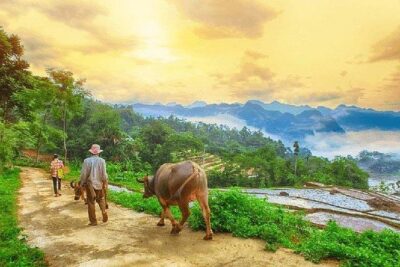
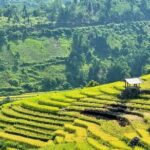
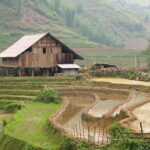
Then comes the highlight for many photo lovers: terraced rice fields in Shin Chai. You get a dedicated visit window (about 30 minutes) aimed at showing those stepped fields up close. Even when you’re not there during peak season, the terraces and shapes are visually strong.
Consideration: terraces can mean slippery footing in wet weather. You don’t need mountaineering gear, but you do want grippy soles and a steady pace.
Fansipan area: passing by the mountain
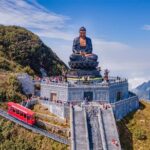
Fansipan is part of the day, but in a different way. You’ll be passing by Fansipan mountain rather than doing a summit hike within this tour structure. That means you get the mountain presence, without committing your energy to the full climb.
This is a good compromise if you want the iconic context of Fansipan while still focusing on villages and valley walking. It’s not the choice if your top priority is reaching the summit.
Day 1 homestay night: the real reason to book
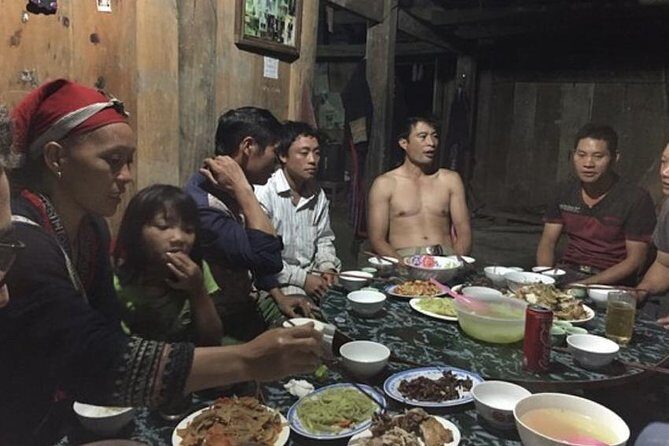
The heart of this experience is the one-night homestay outside Sapa. This is where the trip shifts from guided sightseeing to daily-life contact. You’re staying in a local village community, and the tour is framed around that immersion-by-participation idea: you eat local meals, you live on the village rhythm for the night, and you get a firsthand look at how people manage village life.
What you should know (and how to manage expectations): the tour data confirms one night homestay at a local village, but it doesn’t promise luxury. Homestays can vary. So if you’re the type who expects a hotel setup, you might feel underwhelmed. If you’re curious and flexible, you’ll likely enjoy the simplicity.
One review detail worth taking seriously: after a night train ride, some people were pleased to have a shower and breakfast arranged when they reached Sapa, which helps you start the homestay night without feeling totally travel-scratched. If that’s included in your exact schedule, it can make a big difference.
And you do have support. The guide is part of the plan, and the whole day is organized so the homestay night doesn’t feel like you’re dropped into uncertainty.
Day 2: Y Linh Ho and Giang Ta Chai villages
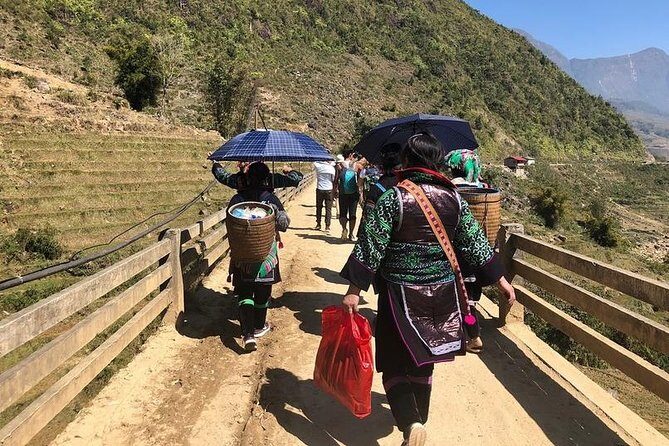
Day 2 continues the village rhythm with two more community stops, each about 30 minutes.
Y Linh Ho village
Y Linh Ho is your first stop on Day 2. This one tends to work well as a second-day contrast: after the valley and terraces of Day 1, you’re back into a more people-and-street-scene type of visit. Expect village layouts that show how daily life connects to the surrounding terrain.
If you’re feeling tired from Day 1 walking, keep your pace easy. The stop time is short by design, so you’ll want to spend it asking questions, not rushing photos.
Giang Ta Chai village
Then you head to Giang Ta Chai village. This is another community stop that rounds out your village coverage. The goal is to give you variety across the ethnic village network around Sapa, so you don’t end up seeing only one “style” of settlement.
Practical note: the tour is built to finish within the 2-day timeframe. That’s great for efficiency, but it’s not designed for slow meandering. If you want more time in any one village, you may want to add a separate day later in your trip.
Meals and timing: what’s included, and how it affects your day
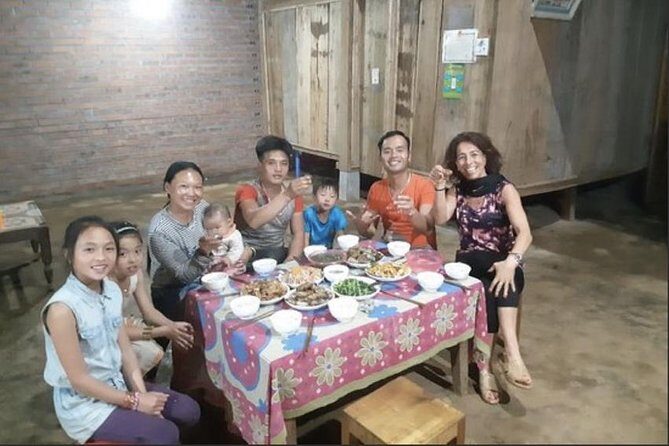
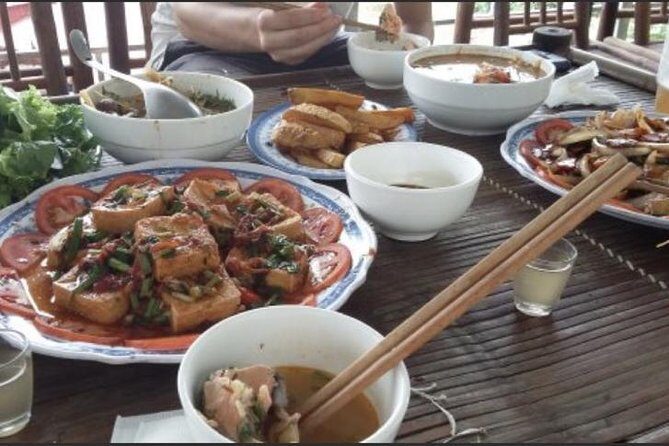
The tour includes meals as listed: 2 breakfasts, 2 lunches, and 2 dinners. That’s six meals total in the schedule. There’s also a mention that if you travel from Hanoi you may get six meals, while starting from Sapa may include five meals depending on the package structure tied to your travel day.
Either way, the useful part for you is this: you’re not left figuring out where to eat between transport legs and short village visits. Meals are built into the flow, and that reduces planning stress.
You should still budget for other meals and drinks that aren’t part of the listed schedule, since those are explicitly not included.
Timing-wise, most of the “site” windows are around 30 minutes. That means you’ll be moving often. The tour helps by providing air-conditioned transport between stops, which makes the in-between time less exhausting.
Guides, transport, and small comforts that matter
A big part of whether a homestay trip feels smooth is the guide and the handoffs.
This tour runs with an English-speaking tour guide. In examples tied to this experience, guides such as James, Anne, Alex, and Jeny were mentioned as helpful and responsive. The practical takeaway: when questions come up about train timing, transfers, or what to expect, having a guide who answers quickly makes the whole schedule feel safer.
Transport is another comfort factor. The tour includes transfer and transportation vehicles with air conditioning. That’s not glam, but on a humid or rainy day, it’s the difference between grumpy and okay.
Also: you’ll have mobile ticket access and confirmation at booking time, which reduces last-minute chaos.
Who this tour suits best (and who might want a different pace)
This tour is a good match if you want:
- A homestay night without having to organize it yourself
- Village coverage around Sapa in a tight 2-day window
- A small group experience with up to 15 travelers
- Enough structure to connect transport, meals, and hiking segments
It may feel less ideal if you:
- Want lots of unstructured free time in one village
- Are extremely sensitive to basic homestay accommodations
- Are expecting a long, all-day trek every day (this itinerary is more stop-and-walk than marathon-hike)
The good news is the tour notes that most travelers can participate, which suggests there’s a reasonable fit across typical fitness levels. Still, if you have mobility issues, you should think about uneven paths and hillside walking.
Should you book this Sapa homestay tour?
I’d book it if you want a first Sapa experience that goes beyond town photos. The combination of valley scenery, multiple village visits, and a real homestay night gives you more than a one-day tour usually can. And the group cap at 15 helps it feel personal rather than like a production line.
I’d hesitate if you’re chasing a summit-style adventure or you’re strongly hotel-comfort focused. This is village-life access with structured stop times, not a slow, deep community residency.
If you’re coming from Hanoi, the optional night train upgrade can be worth it because it’s built around station transfers and door-to-door movement. It reduces planning stress, even if the train ride itself may be less comfortable than a flight.
FAQ
FAQ
How long is the Sapa homestay tour?
The tour runs for about 2 days.
What does the price include?
It includes one night homestay, an English-speaking guide, AC transportation, transfer support to and from train stations, and the meals listed in the itinerary (2 breakfasts, 2 lunches, 2 dinners).
Are meals included, and how many do I get from Hanoi vs Sapa?
The itinerary includes 2 breakfasts, 2 lunches, and 2 dinners. The tour also notes six meals if you travel from Hanoi, or five meals if booking from Sapa, depending on the package.
What villages and areas do you visit?
You visit Muong Hoa Valley, Ta Van Village, Shin Chai terraced rice fields, and on Day 2 Y Linh Ho and Giang Ta Chai. You also pass by Fansipan mountain.
Is the group small?
Yes. The tour has a maximum of 15 travelers.
Do I need a night train from Hanoi?
You can book with an upgrade that adds door-to-door 2-way night train transfers from Hanoi. The tour also supports pick up/drop off at Lao Cai station and Hanoi station.
Are entrance fees included?
For the listed stops that include tickets, admission tickets are included.
Can I cancel for a full refund?
Yes. Free cancellation is available if you cancel at least 24 hours in advance for a full refund.
Is there a mobile ticket?
Yes, the experience uses a mobile ticket and you receive confirmation at booking time.