REVIEW · SA PA
Sapa3D2N TrekkingAdventures,Valleys,Bambooforest,Waterfall
Book on GetYourGuide →Operated by Dinh Sapa Trekking Adventures · Bookable on GetYourGuide
Three days in Sapa can feel nonstop.
This one mixes mountain viewpoints with village life, guided by Dinh and her family, plus a real trek schedule that links rice terraces, valleys, and waterfall country.
I really like two things here: you get big views like Dragon Mountain and the Muong Hoa river bridge, and you also get a homestay that feels like you’re staying with people, not checking boxes. When Mama May and the family are involved, the evenings can turn into singing and dancing, with the famous happy water making an appearance.
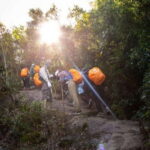
The one drawback to plan around is simple: you’re hiking hours each day, on uneven paths and up-and-down terrain, and this is not the kind of tour where you can skip the work. Bring the right sun gear, and don’t count on lots of bottled drinks since the tour includes limited water.
In This Review
- Key highlights that make this trek worth your time
- Why Sapa with Dinh feels more local than staged
- Day 1: Dragon Mountain (1,900m) into Black Hmong villages, then a warm homestay
- Day 2: Ta Van, Su Pan views, Giang Ta Chai waterfall, and Red Dao culture
- Day 3: Lao Chai and Y Linh Ho rice terraces, Muong Hoa bridge, and views of Hoang Lien Son
- Price and value: what $80 covers, and where you’ll spend extra
- What to pack and how to handle the pace on steep Sapa trails
- Who should book this trek, and who should skip it
- Should you book Dinh Sapa Trekking Adventures?
- FAQ
- What time does the tour start in Sapa?
- How long is the trek and how many nights are included?
- What are the typical walking distances and durations each day?
- What’s included in the $80 price?
- What’s not included?
- What languages do the guides speak?
- Can I cancel for a refund?
- What should I bring?
Key highlights that make this trek worth your time
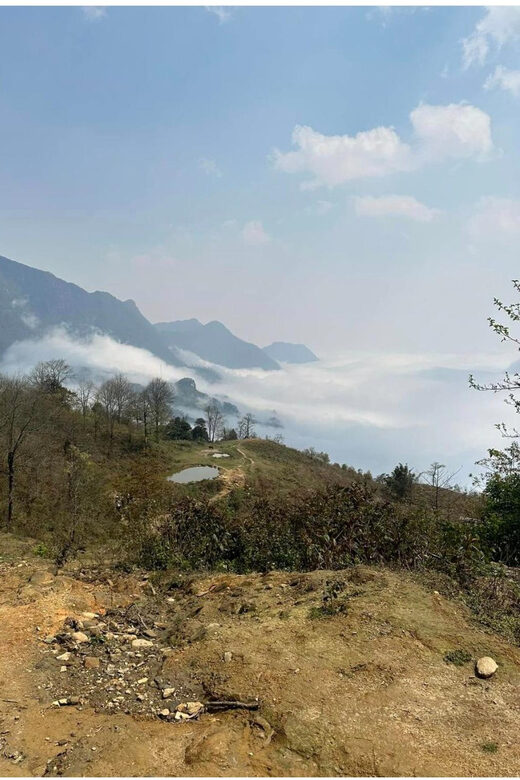
- Dragon Mountain (1,900m) for classic Sapa town and Fansipan (3,143m) sightlines
- Muong Hoa Valley rice terraces plus river-and-valley panoramas along the way
- Black Hmong and Red Dao village stops where daily work shows up in real time
- Giang Ta Chai waterfall trekking with an alternate trail and a second hanging bridge
- Homestay evenings with Dinh’s family (hot shower time, family meals, and happy water)
Why Sapa with Dinh feels more local than staged
Dinh Sapa Trekking Adventures is built around people first. You meet Dinh (and often her sister) at 9am at your hotel or in front of Sapa’s main church, then you start moving right away, rather than waiting around for buses and more buses. That matters in Sapa, where the best moments happen early, before the day crowds get thick.
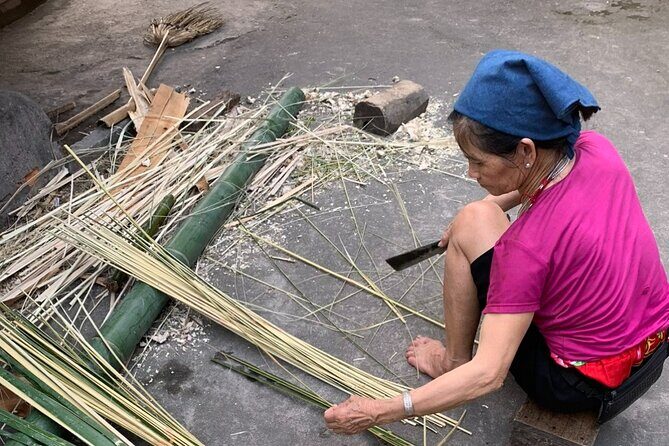
The other big reason it feels human is the structure of the days. Instead of doing only viewpoints, you also step into village routines: fields, homes, small-group conversations, and the slow rhythm of daily life. You’ll see practical details like where people work in the fields and how community life fits around the landscape’s steep edges.
One more thing I appreciate: the tour is guided in English and Vietnamese, so communication doesn’t feel like a gamble. And because you’re with local guides tied to the communities you visit, you tend to get explanations that match what you’re seeing, not just generic talk.
You can also read our reviews of more tours and experiences in Sa Pa.
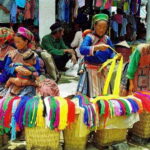
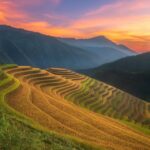
Day 1: Dragon Mountain (1,900m) into Black Hmong villages, then a warm homestay
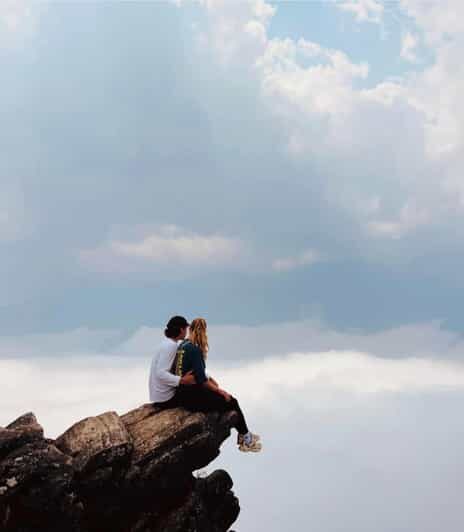
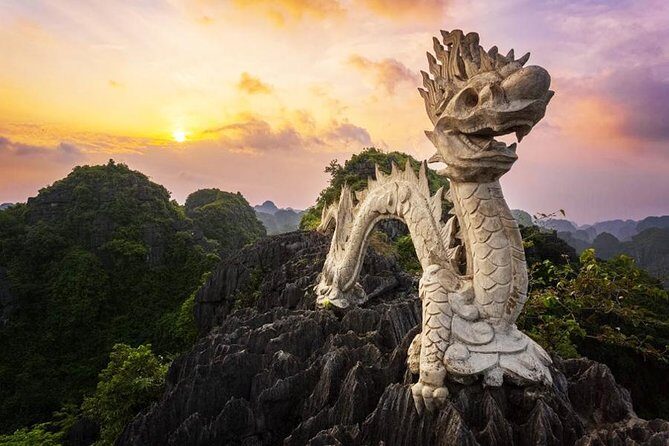
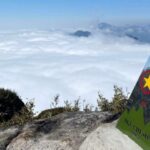
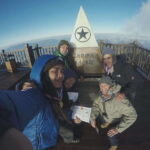
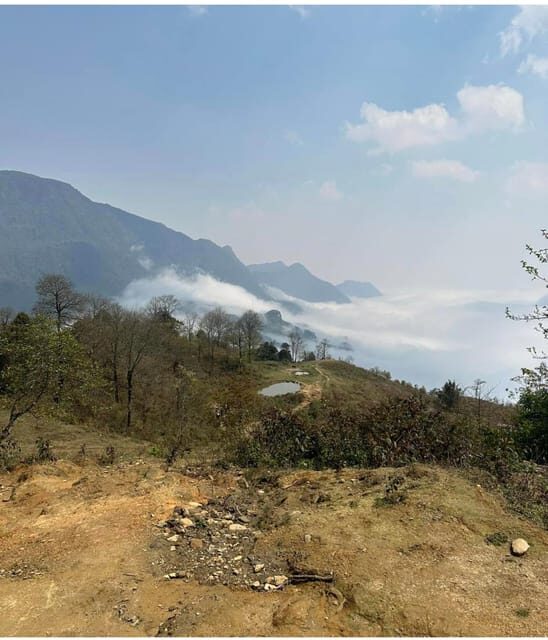
Day one starts with a short intro and then a climb of about 1km uphill on a small trail toward Dragon Mountain. This is where Sapa really puts on its show. From the viewpoint, you can take in sweeping sights of Sapa town and the big-name peak: Fansipan, at 3,143m, the highest mountain in Indochina.
From there, you keep traveling along mountainside paths down toward Hang Da, a village of the Black Hmong minority. This part is good for two reasons. First, it’s not just scenic walking; you’re moving through working rural space. Second, it gives you glimpses of animals like buffalos, cows, and pigs, which helps the whole area feel less like a postcard.
Lunch happens at a small local family-run spot, which keeps the pace steady rather than turning the day into a stop-and-wait routine. After lunch, you continue by road down to Hau Thao, another Black Hmong village, where you’ll see daily life if timing lines up with fieldwork like planting or harvesting rice.
Then comes the homestay experience. You’re welcomed by Dinh’s family and stay for two nights, with time to rest, take a hot shower, and wait for dinner. In at least one shared experience, Mama May helped keep the vibe bright with teaching, jokes, and a fun family atmosphere that included dancing and singing. If you like learning by living alongside people for a night or two, this is the part you’ll remember most.
Practical note: the day is listed at roughly 10–15km and about 6 hours, so it’s a full day even without counting any extra photo stops.
Day 2: Ta Van, Su Pan views, Giang Ta Chai waterfall, and Red Dao culture
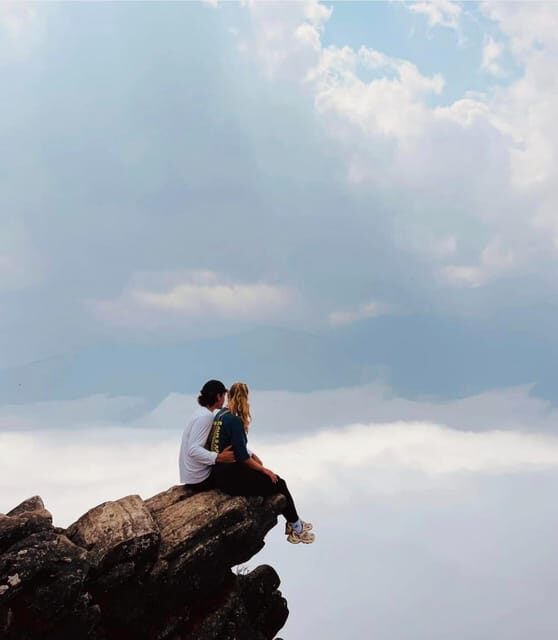
After breakfast at the homestay, day two begins with a trek that starts by going down and moving between villages. The route takes you from the homestay down toward Hau Thao, then onward to Su Pan. Su Pan is a photo-friendly spot because you can look out toward panorama views of rice fields, and the village setting includes traditional houses close to the slopes.
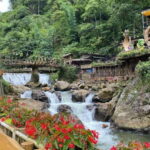
Then the walking turns more uphill again. You head toward the waterfalls of Giang Ta Chai, and once you’re there, the experience shifts from “look at the valley” to “walk beside the valley’s energy.” The waterfall area is also where you get a culture connection: you enter the Red Dao area, where your local guide helps explain culture and daily life.
A visit to a Red Dao family is included, and that’s usually when you get the most concrete understanding of how people adapt to the mountains. You’re seeing home life and routine, not just standing in front of a building for a quick photo.
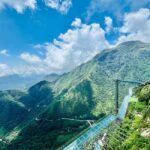
From the waterfall, you return via an alternative trail and cross another hanging bridge. In other parts of Sapa, hanging bridges can feel like a novelty. Here they help reinforce the real geography: rivers cut through the valleys, and paths thread around the steep terrain.
Lunch is at a local restaurant in Giang Ta Chai village, run by a Hmong family. After the break, you continue to Ta Van village and spend the second night homestay.
One small detail worth keeping in mind: bamboo shows up along the hiking experience for at least some routes. It might be part of the path’s vegetation rather than a formal “bamboo forest stop,” but you can still expect shaded sections and that cool, damp mountain feel near water.
Day two is listed around 9–11km and about 5.5 hours. It’s long enough to feel like trekking, but not so long that you’ll be wiped out if you pace yourself.
Day 3: Lao Chai and Y Linh Ho rice terraces, Muong Hoa bridge, and views of Hoang Lien Son
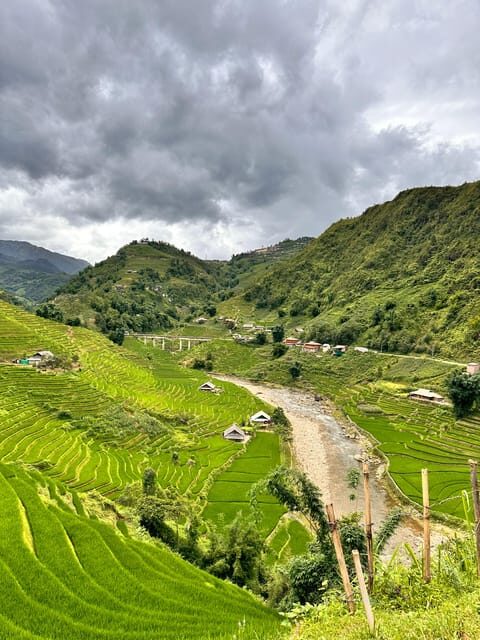
Day three starts with breakfast and then shifts your focus to terrace country. The trek heads toward Lao Chai and Y Linh Ho. As you approach Lao Chai, you reach the hanging bridge of the Muong Hoa river, which is one of those moments where the engineering is part of the view and the river is part of the sound.
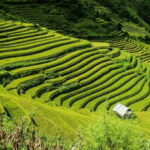
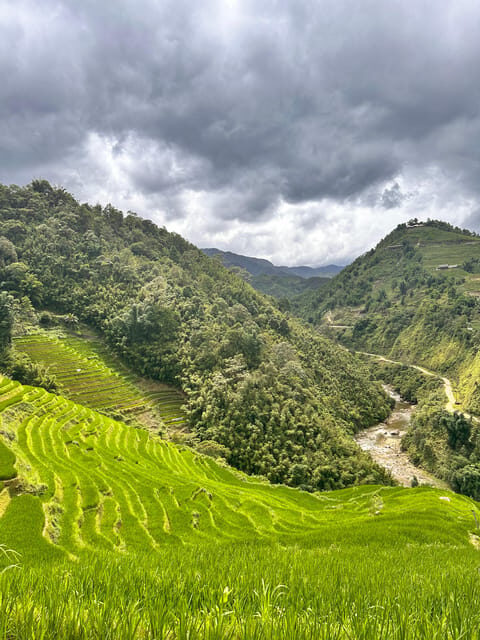
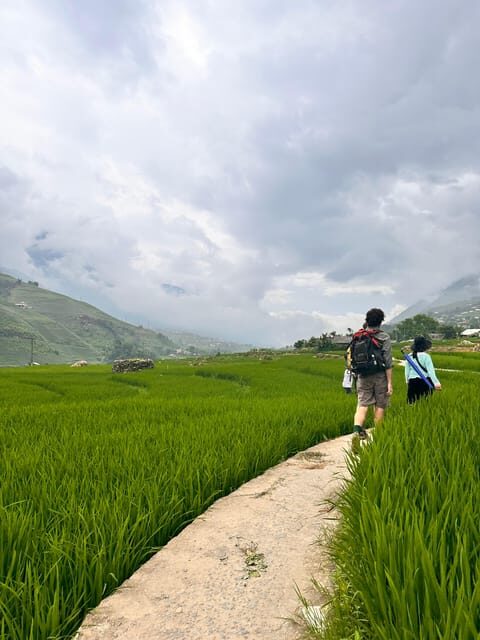
After crossing, you continue uphill into the mountains. This is where you’ll have chances to admire some of the biggest and most beautiful rice terraces in Vietnam, plus mountain views related to Hoang Lien Son. The terrace views are especially strong when the lighting is clean, so try to keep your best-photo timing by moving steadily and not stopping too long in the middle of big climbs.
At the end, you go ahead back to Sapa. The tour also helps with the logistics of big bags: they drive your larger belongings to Dinh’s house where you stay. That’s a smart convenience in a trek like this, because it reduces the amount of stuff you have to carry while your legs are already doing enough work.
Day three is about 9–13km and around 5.5 hours. If you’ve survived days one and two, day three is more about stamina and enjoying the payoff views than it is about starting from scratch.
Price and value: what $80 covers, and where you’ll spend extra
At $80 per person for 3 days and 2 nights, the big value is that this price covers the “hard parts” of travel planning. You get a local English guide across the whole trek, village entry fees for 8 villages, and a steady set of meals: 3 lunches, 2 breakfasts, and 2 dinners.
Add in 2 nights homestay, plus one water per person per day and transportation back to Sapa after the tour ends in the village area, and the package starts to make sense. A trek guide alone can cost a lot more in many places, and homestay pricing with meals included can be hit-or-miss unless it’s organized by someone who knows the families.
What’s not included is also clear, and it’s where you should budget. You’ll need personal travel insurance, and extra drinks during hiking aren’t covered beyond the included water. Bottled water and beer can add up fast on long walk days, so plan to bring what you need or expect to buy some locally.
Also consider that the price likely assumes you’re comfortable with the walking pace and the basic comfort level of homestay nights. This tour is built for the cultural-and-nature experience first, not luxury comfort.

What to pack and how to handle the pace on steep Sapa trails
This is a trekking tour, so your comfort depends on the basics. The tour suggests bringing sunglasses, a sun hat, sunscreen, comfortable clothes, and a change of clothes. It also lists swimwear, which might come in handy if your route timing or waterfall conditions allow for a dip, but even if you skip that, it’s still not a bad idea to have the option.
I’d also treat water as a priority. Since you only get 1 water per day included, you should bring a plan for how you’ll stay hydrated during longer stretches. Even in cooler Sapa weather, the sun can surprise you once you’re higher up and walking.
Expect uneven ground and altitude-style exertion even if you don’t feel “mountain sick.” The hike distances are roughly 10–15km on day one and 9–11km on day two, with day three running up to 13km depending on the exact path conditions.
One more practical detail: the experience is marked as not suitable for people over 95 years. If you’re on the older side or have mobility limits, check with your provider about whether an easier variation is possible, because the itinerary depends on walking time.
Who should book this trek, and who should skip it
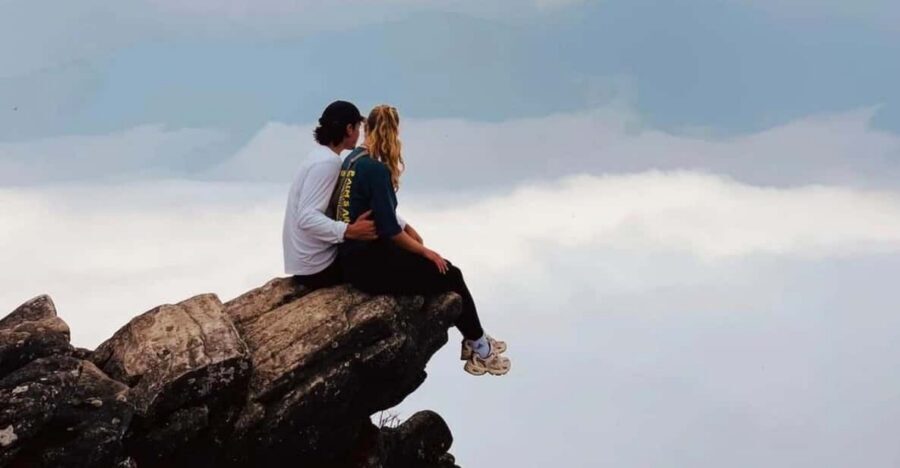
This is a great fit if you want Sapa the way it actually works: village stops, valley views, terrace panoramas, and a homestay that brings you into daily life. If you’re the type who loves asking questions and learning how people farm and live on steep ground, you’ll likely enjoy every day more than just the big viewpoints.
It also suits hikers who want a moderate challenge. The days are long enough to feel like a real trek, but the time is structured around village meals and rest points.
It might not be ideal if you want only scenic walking with minimal village interaction, or if you’re hoping for a fully cushy comfort level every night. Homestays can be simple by nature, even with a hot shower mentioned as available, and the walking schedule is part of the deal.
Should you book Dinh Sapa Trekking Adventures?
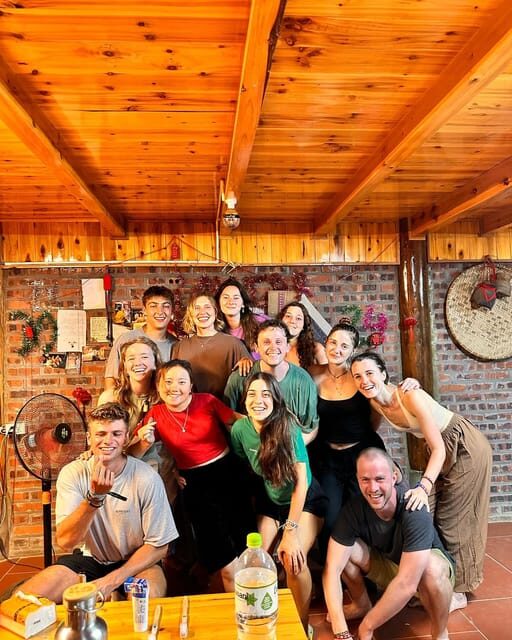
If you want a trek that balances famous views with genuine village encounters, I think this one is a strong choice. Dinh’s family involvement (with Mama May highlighted in shared experiences) turns the homestay into a real cultural moment, and the route includes the headline experiences you came for: Dragon Mountain, Muong Hoa rice terraces, Giang Ta Chai waterfall, and multiple hanging bridges.
If you’re sensitive to walking time and steep uneven paths, then this might feel like too much. But if you can handle a full day of hiking twice and a third day with terraces, this $80 package looks like solid value because it includes guiding, meals, village fees, and homestay nights.
Go for it if you want Sapa with local people at the center of the story. Skip it if your main goal is a short, easy nature stroll with minimal effort.
FAQ
What time does the tour start in Sapa?
You’ll meet at 9am, either at your hotel in Sapa or in front of Sapa’s main church.
How long is the trek and how many nights are included?
It’s a 3-day experience with 2 nights in a homestay.
What are the typical walking distances and durations each day?
Day 1 is about 10–15km (around 6 hours). Day 2 is about 9–11km (around 5.5 hours). Day 3 is about 9–13km (around 5.5 hours).
What’s included in the $80 price?
Included are a local English guide (3 days), village entry fees for 8 villages, 3 lunches, 2 dinners, 2 breakfasts, 2 nights homestay, 1 water per person per day, and transportation back to Sapa after ending in the village.
What’s not included?
Personal travel insurance and extra drinks during hiking (for example bottled water or beer) are not included.
What languages do the guides speak?
The tour includes a live guide in English and Vietnamese.
Can I cancel for a refund?
Yes. The tour offers free cancellation up to 24 hours in advance for a full refund.
What should I bring?
You should bring sunglasses, a sun hat, swimwear, change of clothes, sunscreen, and comfortable clothes.