REVIEW · SA PA
Sapa: Ta Phin Village Trek & Red Dao Herbal Bath
Book on GetYourGuide →Operated by ASu Sa Pa Trekking Tour · Bookable on GetYourGuide
A day in Sapa can be either a lot of buses… or a real village walk. This Ta Phin Village Trek & Red Dao Herbal Bath puts your time in the hills with Black H’mong and Red Dao communities, then ends with a traditional hot soak in a wooden tub.
I like the structure here: you get a proper village route across Suoi Ho, Ma Tra, and Ta Phin, plus time to stop, ask questions, and eat with local people. I also like the finish—the Red Dao herbal bath is the kind of payoff that actually changes how your body feels after trekking.
One thing to consider: it’s not a gentle stroll the whole way. You’ll cover about 12–14 km at an easy-to-moderate pace, and the trip isn’t suitable for kids under 6 or for people with mobility impairments.
In This Review
- Key highlights you’ll feel right away
- The real value: walking between cultures, not just around them
- From Nhà Thờ Đá Sapa to Suoi Ho with the Black H’mong rhythm
- Ma Tra Village: school visits, crafts, and the everyday side of Sapa
- Ta Phin Village: Red Dao embroidery and herbal medicine traditions
- Lunch in the hills: picnic views or a homestay meal
- The Red Dao herbal bath: wooden tub soak, hot herbs, and sore-leg relief
- The pace and your packing list (so the day stays fun)
- Time and logistics: what 6 hours feels like
- Price and value: why $26 can work (if you want culture + recovery)
- Who should book this trek (and who might skip it)
- Should you book the Ta Phin Village trek and herbal bath?
- FAQ
- What’s the duration of the Sapa Ta Phin Village trek and Red Dao herbal bath?
- Where does the tour start?
- How far do you trek?
- Is the walk easy or hard?
- What’s included in the price?
- What do I need to bring?
- Who isn’t this tour suitable for?
Key highlights you’ll feel right away
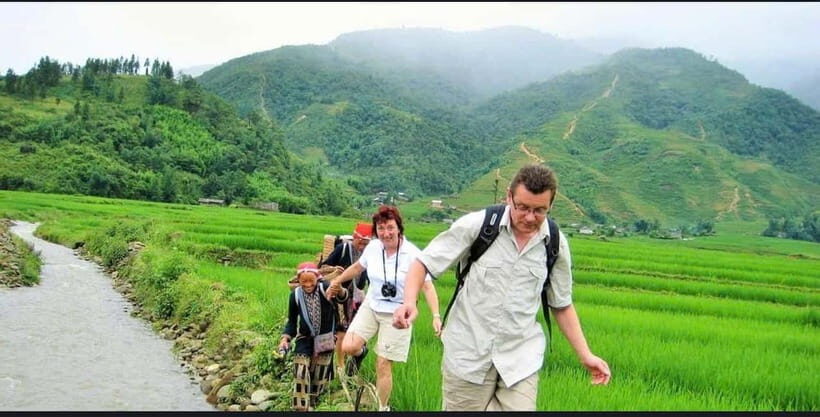
- Small-group trekking (up to 10 people), so guide time and conversation stay personal
- Suoi Ho and Ma Tra village visits that focus on daily life, farming, and local school/crafts
- A Red Dao Ta Phin stop with a closer look at embroidery and herbal medicine traditions
- Picnic lunch or a homestay meal with traditional dishes and mountain views
- A traditional Red Dao herbal bath in a wooden tub to end sore legs
The real value: walking between cultures, not just around them
This is the kind of Sapa day trip where the best moments aren’t the photo stops—they’re the quiet conversations and the small glimpses of how people live. The route is designed to move you through Black H’mong and Red Dao village communities in a single day, which is efficient if you only have one full day in the area.
It also keeps the day balanced. You get walking time, village time, and then recovery time. That herbal bath isn’t just a novelty—it’s built for the tired-muscle reality of trekking in the hills.
You can also read our reviews of more hiking tours in Sa Pa

From Nhà Thờ Đá Sapa to Suoi Ho with the Black H’mong rhythm
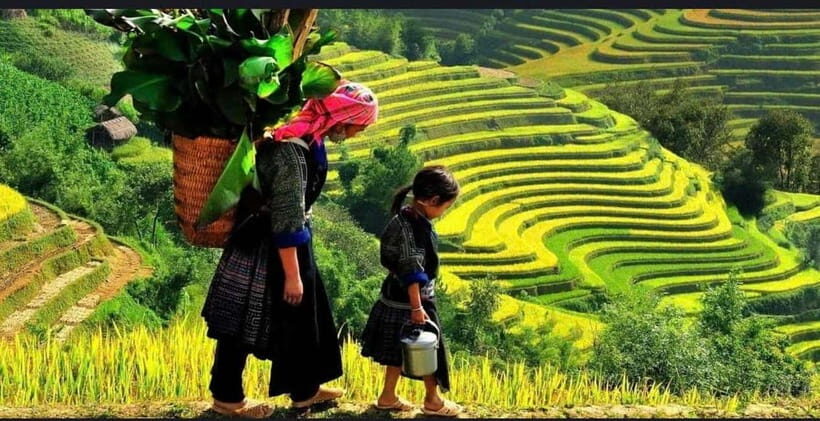
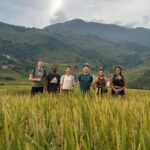
The day starts at Nhà Thờ Đá Sapa (Sapa Main Church) around 9:00. From there, you head toward Suoi Ho Village, where you’ll meet the Black H’mong community and learn how daily routines connect to the land.
What makes Suoi Ho special on this trip is the focus on real work: you’ll get explanations around traditional farming and animal husbandry, not just general sightseeing. You’ll likely see crops and understand how planting and harvesting shape village life.
This start also tends to set the tone. Early in the walk, the group is usually still fresh, so it’s easier to stay present and ask questions when your guide offers context about what you’re seeing.
Ma Tra Village: school visits, crafts, and the everyday side of Sapa
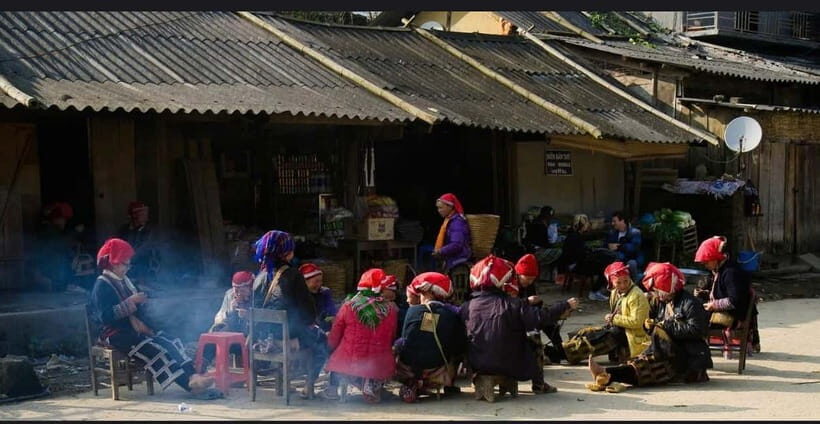
Next comes Ma Tra Village. Here, the trip slows down just enough to feel less like a checklist and more like a guided visit.
You’ll typically visit a local school or chat with villagers about customs and crafts. That school/crafts angle matters because it connects culture to people—kids, learning, daily chores, and skills that keep traditions going.
It’s also a good spot for questions about daily life. Guides like Su and Gao have been praised for explaining culture and answering questions clearly, so you can turn this into a genuinely informative stop rather than a quick look-and-go.
Ta Phin Village: Red Dao embroidery and herbal medicine traditions
After lunch, the day shifts toward Ta Phin Village, home to the Red Dao ethnic group. This is where you start to see the Red Dao identity more directly—especially through embroidery techniques and herbal medicine traditions.
In plain terms: embroidery here isn’t just a souvenir craft. It’s part of how knowledge and culture are passed along, and it helps you understand why certain patterns and materials matter. Herbal medicine traditions also fit naturally with the next stop, since you’ll learn about the roots and herbs behind the bath.
If you like moments where the “why” is explained—not just the “what”—Ta Phin is often the best part of the day. It’s also commonly described as less touristic than some other Sapa routes, which helps your visit feel calmer.
Lunch in the hills: picnic views or a homestay meal
You’ll eat around midday, after the morning village walk. The trip offers a picnic lunch or a meal at a local homestay, and the emphasis is on traditional dishes rather than Western-style convenience.
A couple of helpful details from real-world experiences: one group mentioned a hotpot made with fresh sturgeon, and another noted that lunch options included vegetarian choices. So if you eat vegetarian, it’s worth telling your guide in advance when you’re meeting the group.
Food can be simple out here, but it’s usually tied to the place you’re in. The meal also acts like a pacing reset—after walking, you sit down, eat, and then continue with less fatigue before the herbal bath.

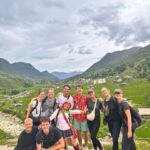

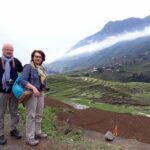
The Red Dao herbal bath: wooden tub soak, hot herbs, and sore-leg relief
Around mid-afternoon, you’ll get to the centerpiece: a traditional Red Dao herbal bath. This happens in a wooden tub filled with aromatic medicinal herbs, and the soak is believed to relieve muscle pain and improve circulation.
Practically, think of this as the day trip version of a recovery ritual. Trekking covers about 12–14 km, so it’s smart to build the day around something that helps your legs feel better rather than just another sightseeing stop.
From what people describe, the bath is hot, and that’s usually exactly what you want at the end of a long walk. You’re also not rushed through it—the bath is the time to slow your breathing, let your muscles cool down, and enjoy the comfort after the hills.
The pace and your packing list (so the day stays fun)
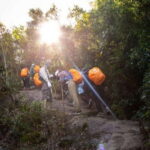
This trip is labeled easy to moderate, and for most visitors it works well if you’re comfortable walking for hours. Still, don’t treat it like a half-hour walk in the park.
A few practical points:
- Trekking distance is about 12–14 km
- You’ll be outside for much of the day, so wear comfortable shoes
- Bring water, and use insect repellent
- Dress for weather—Sapa can change quickly, and you’ll want layers in a day trek
Also bring a daypack. You’ll want space for your water bottle, an extra layer, and anything you need if the light or temperature shifts while you’re moving between villages.
Time and logistics: what 6 hours feels like
The full day tour runs about 6 hours, with a typical end time around 3:30pm when you return by car to Sapa. The actual pace feels like “walk, stop, learn, eat, walk again, soak, done.”
Because it’s a small group (up to 10), the schedule feels more flexible than mass tourism. Small-group tours are often where you get the best outcomes: more time to talk, fewer people blocking your view at the same moment, and fewer interruptions when you ask questions.
Two languages are available—English and Vietnamese—so you can expect clear guiding throughout. If you have questions about daily life, guide ability matters, and multiple guides (including Su and Gao) are described as very strong with English.
Price and value: why $26 can work (if you want culture + recovery)
At $26 per person for a roughly 6-hour guided experience, the price is surprisingly reasonable—especially because you’re getting four core elements bundled together: guide support, lunch, transport back to Sapa, and the herbal bath.
Here’s how I’d frame the value:
- If you only want a viewpoint and a quick photo, this might feel like it takes more effort than you expected.
- If you want a guided village route plus a real end-of-day ritual, the price lines up well with what you get.
You’re also not stuck managing logistics yourself. The transportation back to Sapa and the guide-led flow through multiple villages are part of what you’re paying for, and those details are exactly what keep the day from turning into a stressful scavenger hunt.
Who should book this trek (and who might skip it)
This experience fits best if you:
- Like walking with a purpose (village life, not just scenery)
- Want a cultural day that includes hands-on context like embroidery and herbal medicine knowledge
- Appreciate an organized plan that still leaves room for conversation
- Are interested in a relaxing recovery stop at the end
You might skip it if you:
- Need a fully flat, very short route (the trek is 12–14 km)
- Have mobility limitations (not suitable for people with mobility impairments)
- Are traveling with children under 6 (not suitable)
Should you book the Ta Phin Village trek and herbal bath?
If you have one day in Sapa and you want it to feel grounded in real village life, I’d say book it. The combination of multiple village visits plus a traditional Red Dao herbal bath makes the day feel complete, not just busy.
I’d especially recommend it if you’ll enjoy learning from guides like Su or Gao who are known for clear explanations and for answering questions about food, culture, and everyday family life. And if your legs get sore easily, this is one of the few Sapa day tours where the ending is designed to help you feel better, not worse.
FAQ
What’s the duration of the Sapa Ta Phin Village trek and Red Dao herbal bath?
The tour runs for about 6 hours, with a return to Sapa around 3:30pm.
Where does the tour start?
Pickup is at Nhà Thờ Đá Sapa (Sapa Main Church).
How far do you trek?
The trekking distance is about 12–14 km.
Is the walk easy or hard?
It’s described as easy to moderate, suitable for most fitness levels, though you will still be walking for hours.
What’s included in the price?
Included items are a local guide, picnic lunch or a meal at a local homestay, a traditional Red Dao herbal bath, and transportation back to Sapa.
What do I need to bring?
Bring comfortable shoes, water, insect repellent, weather-appropriate clothing, and a daypack.
Who isn’t this tour suitable for?
It’s not suitable for children under 6 years and people with mobility impairments.