REVIEW · SA PA
Sapa: Half Day Treck To Visit Y Linh Ho , Lao Chai, Ta Van
Book on GetYourGuide →Operated by Vietnam Vacations Travel · Bookable on GetYourGuide
Terraces and villages, in one day. This half-day trek in Sapa is built for real views and real conversations, not just photo stops. I love walking the terraced fields through a route that feels more local than the usual crowded paths, and I love how your guide shares daily life, customs, and habits as you move between communities. One thing to consider: the route is moderate to challenging with uneven ground, and rainy weather can make sections slippery.
You’ll get a full 6 hours with a small group (up to 10), hotel pickup, a local lunch, and a shuttle back. That mix is what makes it good value for a day in Sapa when you want exercise and culture without burning your whole schedule.
In This Review
- Key things I’d pay attention to
- The core idea: why this trek works in Sapa
- Meeting in Sa Pa and how the timing really feels
- Leaving town: daily life before the terraces
- Terraced rice, corn, and potato fields: what you’re really hiking through
- Village visits to Y Linh Ho, Lao Chai, Ta Van, and Lai Chai
- The waterfall pause: photos, rest, and regrouping
- Lunch in a local restaurant: what’s included and why it matters
- Price and value: is $21 a fair deal?
- Group size and guide support: why small feels better here
- What to bring so you’re not miserable
- Who this trek suits best (and who should skip it)
- Should you book this Sapa trek to Y Linh Ho, Lao Chai, and Ta Van?
- FAQ
- How long is the trek?
- What does the price include?
- How many people are in the group?
- What villages and areas does the trek focus on?
- Is lunch vegetarian-friendly?
- What languages will the guide speak?
- What should I bring for the hike?
- Who should not join this tour?
Key things I’d pay attention to
- Non-touristy trekking route that shifts you from Sapa town into the fields
- Local English-speaking guide who explains culture while you hike
- Village visits around Y Linh Ho, Lao Chai, and Ta Van, with a key stop at Lai Chai
- Waterfall and photo breaks to reset your energy
- Lunch at a local restaurant included, so you’re not hunting for food halfway through
The core idea: why this trek works in Sapa
Sapa is famous for mountain scenery, sure. But the reason this trek feels special is the way it strings together three things you actually want from Northern Vietnam: walking through terraced fields, meeting people in working villages, and learning what day-to-day life looks like up close.
This is also a half-day format, so you get a solid outdoors block without turning your whole trip into a climbing expedition. The duration is about 6 hours, which means you can still have energy left for an evening stroll in Sapa town (or a relaxed meal afterward).
I also like that it’s not sold as a lecture. You don’t just stand around for a few minutes and move on. The guide walks with you through town, then into the fields, then through village areas, explaining what you’re seeing as you go. That makes the story stick, because it’s attached to real scenes: rice, corn, and potato terraces; hillside homes; footpaths; and the rhythm of daily work.
You can also read our reviews of more tours and experiences in Sa Pa.

Meeting in Sa Pa and how the timing really feels
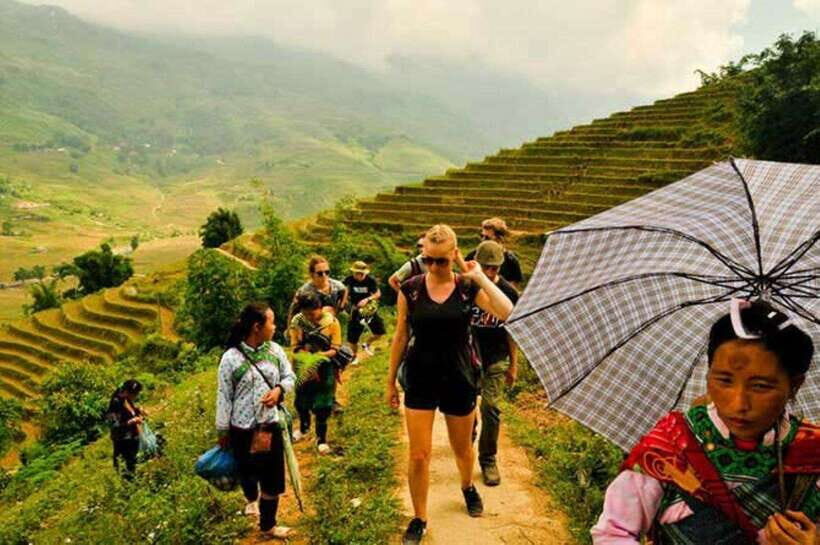
The day starts with pickup from your hotel in Sa Pa. That detail matters because it saves you from figuring out local transport when you’re already adjusting to the altitude and getting ready for a hike.
Once you’re with your guide, expect a mix of time for walking plus short breaks. The plan includes a photo stop, time to visit areas along the route, and scenic pauses on the way. On paper it’s 6 hours, but in practice it feels like a steady walking day with frequent “small resets,” especially when weather turns or paths get muddy.
If you want to set yourself up for success, plan to arrive with good energy and keep your pace consistent. A moderate to challenging trek means you’ll benefit from steady footwork more than speed. Your guide’s role is not just explanation. On tougher footing days, the guide helps keep the group safe and moving.
Leaving town: daily life before the terraces
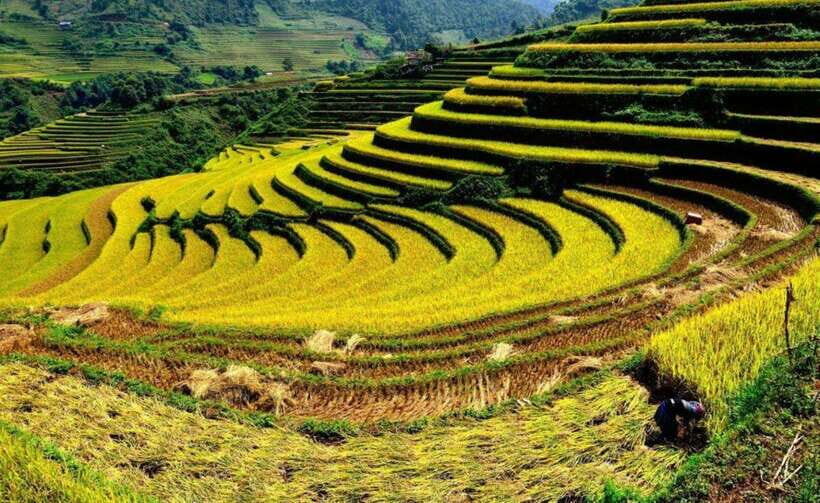
One of my favorite parts of this kind of trek is the transition. Here, you start by trekking through Sapa town to see daily life at work. That early stretch is valuable because it gives you context before you go “all the way rural.”
You’ll get a feel for how busy daily routines connect to the bigger landscape of terraces and hillside villages. Even before you reach the rice fields, you’re noticing how people move, where paths lead, and how the town connects to the countryside.
It also helps you warm up mentally. Starting in town means you’re not suddenly dropped into a hill climb with no build-up. You get oriented, and you’re with your guide from the start.
Terraced rice, corn, and potato fields: what you’re really hiking through
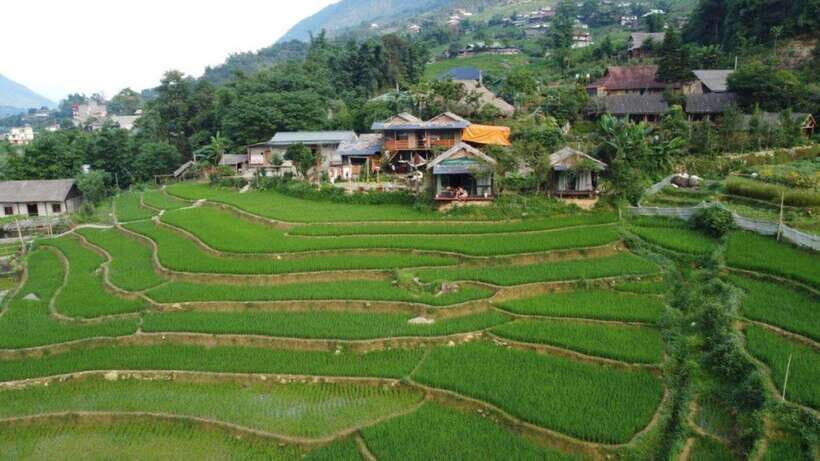
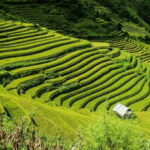
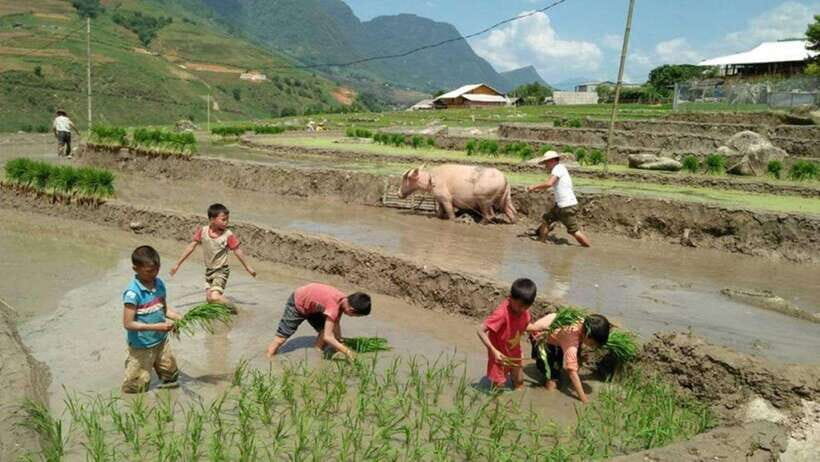
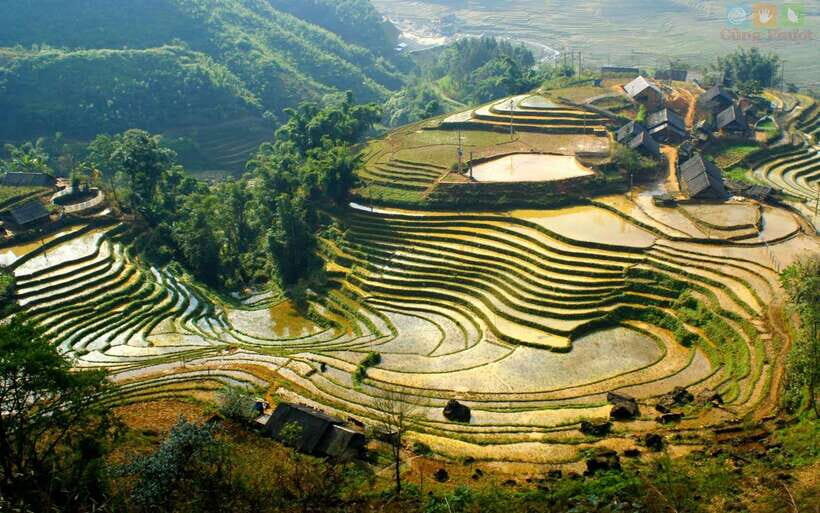
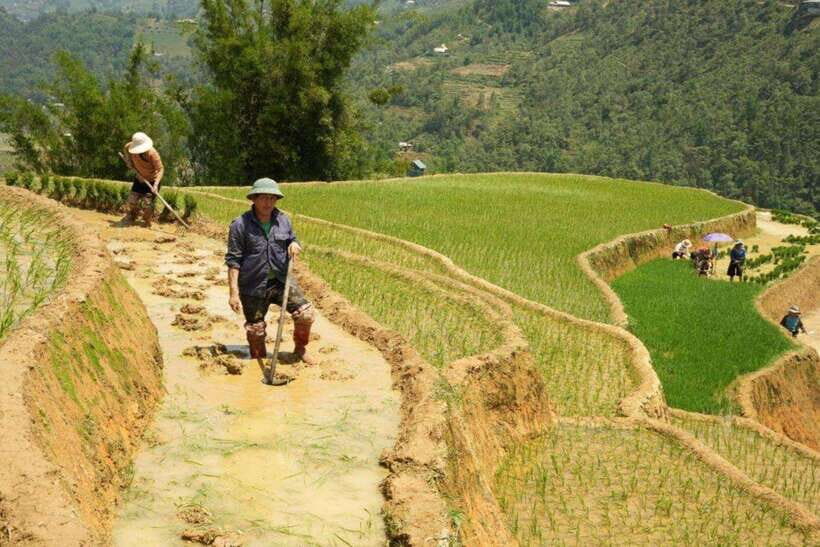
The trek’s main visual payoff is the terraced fields. This route includes terraced rice fields, plus areas with corn and potatoes. That matters because it’s not just one “Instagram green.” You’ll notice different crops and how they shape the look of the hills.
A key word here is non-touristy route. When a trek doesn’t rely on a single crowded track, you often get better pacing and fewer bottlenecks. The views feel more open because you’re not stopping constantly behind other groups.
Do expect real outdoor conditions. Even with a guide, you’ll walk on uneven terrain. That’s why comfortable shoes are non-negotiable. Add in rainy weather and the ground can get slick—one of the best pieces of advice from the experience is to be ready for that. If it’s raining, go slower than your ego wants you to.
Practical tip: when you’re offered a “quick shortcut” by your own feet, take the safer footing instead. On terraces and footpaths, a careful step beats a fast step almost every time.
Village visits to Y Linh Ho, Lao Chai, Ta Van, and Lai Chai
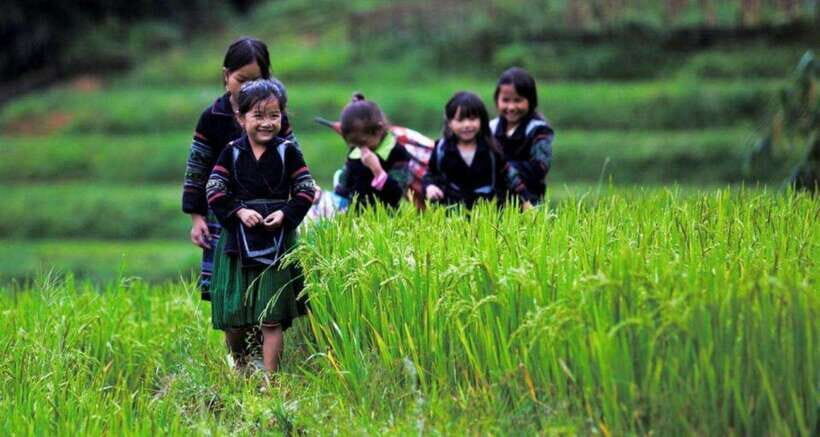
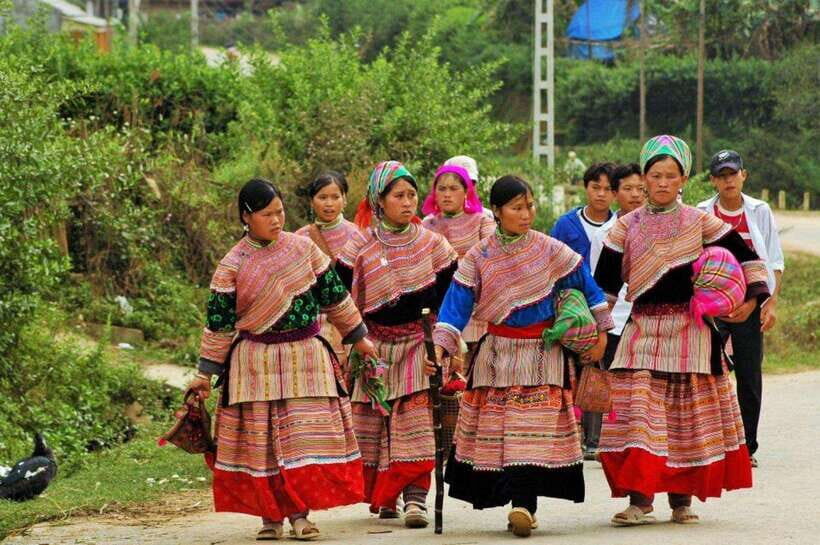
This trek is designed to visit the Sapa village circuit: Y Linh Ho, Lao Chai, and Ta Van. Along the way, you’ll also make a key stop in Lai Chai, described as a small village on the tribal hill.
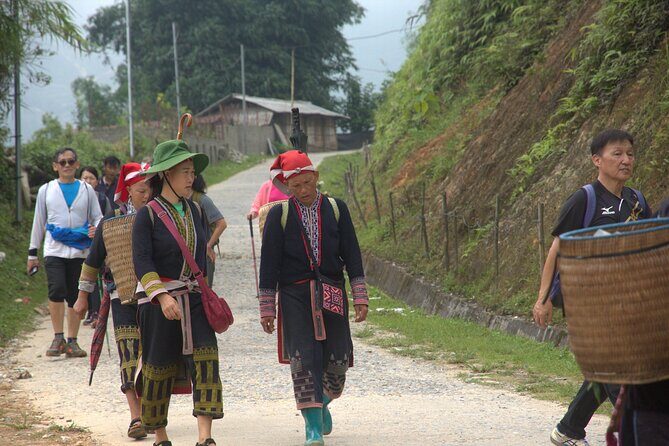
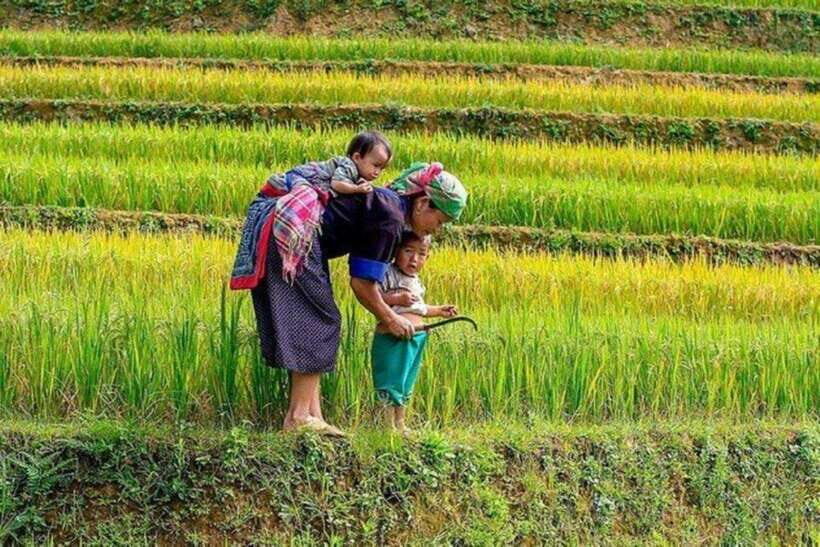
What makes these stops worth it isn’t just the scenery. It’s the way the guide explains local culture, customs, and habits as you walk. You’re not relying on a printed sign. You’re hearing it in the moment, tied to what people do and where they do it.
In particular, you’ll get a better understanding of ethnic minority life in the region. That’s the value of the village-to-village movement. You see differences in settings and daily rhythms, rather than getting one snapshot.
One more thing to keep in mind: village areas can include small-scale selling of items. It’s part of how communities make money, but the experience can feel uncomfortable if sellers are pushy. The best approach is to decide your comfort level early. If you’re not buying, be polite, firm, and consistent. Your guide can also help you navigate the situation respectfully.


The waterfall pause: photos, rest, and regrouping
There’s a stop at a lovely waterfall where you can relax and take photos. This is one of the smartest “built-in breaks” on a trek like this.
Why it helps: after walking through fields and uneven paths, your legs want a reset. The waterfall stop gives you a moment where you’re not focusing on footing or pacing. It’s also a natural photo moment, so it doesn’t feel like a random detour.
If you’re traveling in cooler months, this is also when you’ll feel the weather most. Bring your sunscreen anyway—mountain sun can still be strong—but also expect cool air and damp ground if it rained earlier.
Lunch in a local restaurant: what’s included and why it matters
Lunch is included at a local restaurant. That’s a big quality-of-life win because you’re already committing energy to the hike. You don’t want to spend that last stretch trying to find food while you’re hungry.
Expect varied local flavors. The tour is set up to let you taste what’s on offer locally rather than defaulting to a tourist menu. Vegetarian meal options are available upon request, so if you need that, flag it ahead of time.
I like that lunch is placed after the main trekking work. You’re not eating too early, so you’re ready to enjoy food instead of just surviving. And because it’s included, it’s one less variable in your budget for the day.
What to do: if you drink water slowly during the hike, you’ll feel better at lunch. The trek doesn’t include drinks, so you should plan your water supply before you set off.
Price and value: is $21 a fair deal?
At about $21 per person for roughly 6 hours, this trek is priced to be accessible, especially because it includes several things that add cost on other tours: a local English-speaking guide, lunch at a local restaurant, and shuttle transport back to your hotel.
You’re also not paying extra for a long day. This isn’t a full-day grind. It’s a well-chunked outdoor experience with a cultural focus, in a small group of up to 10 participants.
Where value can shift for you: if you care a lot about comfort, you’ll want good shoes and you’ll want to come prepared for uneven ground. If you come underprepared, the trek can feel tougher than it sounds, and that reduces the value you get from the price.
But if you show up ready to walk and you’re genuinely interested in village life and terrace farming, $21 can feel like a bargain for the mix of viewpoints, culture, and included meals.
Group size and guide support: why small feels better here
This trek caps at 10 participants, which is part of why it’s easier to have meaningful interaction with your guide. In bigger groups, the conversation gets rushed and the walking pace becomes rigid. Here, a smaller group helps keep the day flexible.
The guides are described as local and English-speaking (also Vietnamese). That means you can ask questions and actually get answers while you’re walking, not only at a stop.
On rainy or slippery days, guide support becomes even more important. One of the strongest lessons from real experience is that the guide can help during tricky footing. So even if you’re an okay hiker, don’t treat this as something you can do “on your own” without the local lead.
What to bring so you’re not miserable
The essentials are simple, but don’t skip them:
- Comfortable shoes with grip (think uneven paths and possible wet ground)
- Hat
- Camera
- Sunscreen
- Water
Also, since drinks are not included, plan your water and any other basic needs like a light snack if you know you get hungry. The tour does include lunch, but the morning walking can still make you thirsty.
And yes, follow the rules: no smoking and no littering. The note about not touching plants is about respecting the area and not damaging crops.
Who this trek suits best (and who should skip it)
This trek is best for people with good physical condition. It’s described as moderate to challenging, with altitude and uneven terrain factors. If you get winded easily on hills, you might find it tough.
It’s also not recommended for:
- children under 8
- pregnant women
- people with mobility impairments
- people with heart problems
If you fall into any of those categories, it’s worth choosing a different Sapa activity that keeps you on flatter ground and reduces physical risk.
For the right person, though, it’s a strong mix of hiking and cultural learning. It’s ideal if you want a guided day outdoors, you enjoy learning from locals, and you’re okay with a bit of uneven footing.
Should you book this Sapa trek to Y Linh Ho, Lao Chai, and Ta Van?
Book it if you want a structured 6-hour day that combines terrace farming views, village culture, and a real included lunch—without the stress of planning transport and timing yourself. The small group size and local guide support make it feel manageable, even when conditions get wet.
Think twice if you hate slippery paths, you’re not comfortable with moderate hill walking, or you’re sensitive to altitude. The route is built for walking and it can be demanding when weather turns.
If you’re a practical traveler who wants a genuine sense of how people live around Sapa—rice terraces, hillside villages, and conversations with your guide—this is a solid choice for your day.
FAQ
How long is the trek?
The duration is about 6 hours.
What does the price include?
It includes a local English-speaking guide, trekking through non-touristy routes, a visit to Lai Chai village, lunch at a local restaurant, and a shuttle bus back to your hotel. Drinks are not included.
How many people are in the group?
The group is small, limited to 10 participants.
What villages and areas does the trek focus on?
The trek is to visit Y Linh Ho, Lao Chai, and Ta Van, with a main stop at Lai Chai village.
Is lunch vegetarian-friendly?
Vegetarian meal options are available upon request.
What languages will the guide speak?
The guide is listed as English and Vietnamese.
What should I bring for the hike?
Bring comfortable shoes, a hat, a camera, sunscreen, and water.
Who should not join this tour?
It’s not suitable for children under 8, pregnant women, people with mobility impairments, or people with heart problems. It’s also described as moderate to challenging, so it’s best if you have a good physical condition.