REVIEW · SA PA
Sapa: Discover the Secrets of the Red Dao: A Healing Journey
Book on GetYourGuide →Operated by LALA SAPA TREKKING & HOMESTAY. · Bookable on GetYourGuide
This Sapa trek teaches by showing. I like the way you walk through rice paddies with real village context, not just photos. I also like the Red Dao stop at Ta Phin, where you learn about herbal medicine and can try the herbal bath if you want. The main trade-off is the walking: expect uneven ground and a moderate pace, so it’s not a great match for back problems or mobility limits.
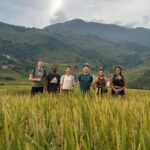
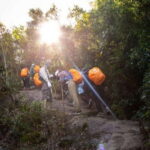
You meet your English-speaking guide at 9:00AM in front of Sapa Church, and you’ll head out with the group for a loop of several villages. Guides like Su (praised in past trips) tend to keep things practical, explaining how people live, farm, and care for health in this mountain corner of Northern Vietnam.
In This Review
- Key moments to look forward to
- Where Sapa and the Red Dao fit together
- Meeting in front of Sapa Church at 9:00AM
- Suoi Ho: rice paddies, stream views, and an easy start
- Ma Tra: the Black H’mong village walk and how farming works
- Cang Ngai lunch break: food and a scenic reset
- Ta Phin and the Red Dao herbal bath tradition
- How much walking is really involved
- What’s included, what costs extra, and why $24 makes sense
- What to bring so the day feels easy
- Who should book this Red Dao healing trek
- LALA SAPA TREKKING & HOMESTAY: what the operator experience looks like
- Should you book this Sapa Red Dao healing journey?
Key moments to look forward to
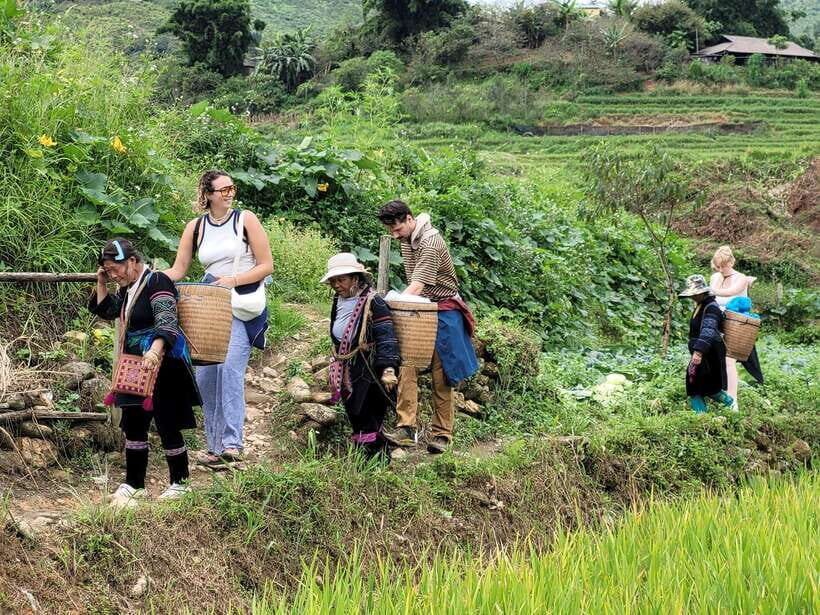
- Rice-field walking with village-level context across Suoi Ho and the surrounding farms
- Black H’mong cultural stops in Ma Tra and Cang Ngai, with daily life woven into the walk
- Lunch in Cang Ngai at a local restaurant during the route
- Ta Phin Red Dao village visit with herbal medicine talk and the optional herbal bath
- A full 6-hour loop that balances hiking time with breaks and photos
Where Sapa and the Red Dao fit together
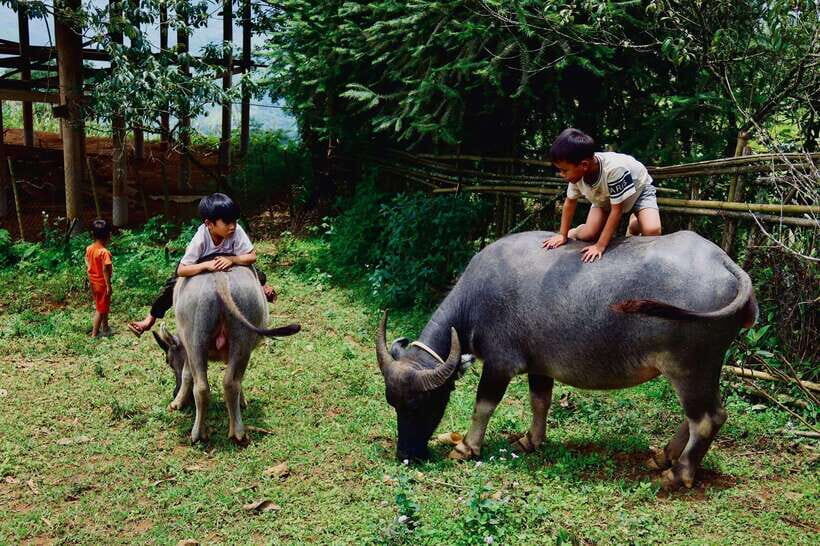
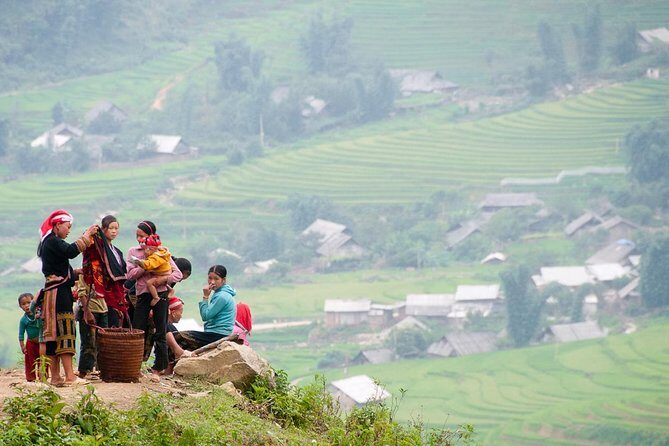
Sapa is famous for scenery, but what makes this trip worth your time is the human scale. You’re not just looking at mountains. You’re moving through working villages where agriculture, family routines, and traditional knowledge all show up as you walk.
This is also a good way to understand the ethnic landscape of the region. You’ll visit places tied to the Black H’mong and Red Dao communities, and the guide’s explanations help you connect what you see—fields, paths, daily work—with why people organize their lives the way they do.
The pace is built for a short circuit: enough time to feel the countryside, without turning the day into a full-day grind.
You can also read our reviews of more tours and experiences in Sa Pa.

Meeting in front of Sapa Church at 9:00AM
The tour starts at 9:00AM at the front of Sapa Church. Your guide will find you with your name, so arrive a few minutes early and get your bearings around the church area.
Because this is a group tour, you’ll follow the guide’s timing and regroup points. That’s a plus if you prefer structure, especially on uneven paths where it’s easy to wander in the wrong direction.
English is available with a live guide, which matters here. The value isn’t only the walk; it’s the stories and practical explanations you get along the way.
Suoi Ho: rice paddies, stream views, and an easy start
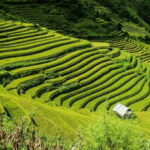
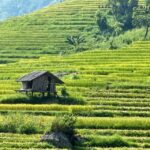
The first stretch heads to Suoi Ho village, where you begin with scenic walking through rice paddies. You’ll also see a small stream running through the village area, which adds a calmer feel right after you leave Sapa town.
This opening part is a smart warm-up. You ease into the terrain, get your camera ready for field scenes, and start learning the rhythm of how local farming shapes the landscape around you.
One practical tip: keep your shoes in mind here. Even in the “easy” sections, the ground can be uneven, and shoes with grip make the day more comfortable.
Ma Tra: the Black H’mong village walk and how farming works
Next comes Ma Tra, a Black H’mong village. This stop is less about a single landmark and more about seeing how people live alongside agriculture.
What you’ll appreciate is how the guide connects everyday tasks to what you’re walking through—fields, plots, and the practical setup of village life. It helps you read the scenery instead of just admiring it.
If you like trekking days that feel educational without turning into a classroom, this is a strong match. You’re learning through movement.
Cang Ngai lunch break: food and a scenic reset
Lunch happens in Cang Ngai, another Black H’mong village, at a local restaurant. The timing matters: it breaks up the hike and gives your legs a chance to reset.
In past experiences like this, people have described the lunch as good and enjoyed with a view. That’s the kind of detail that turns a meal into a moment you remember, not just a line on the schedule.
After lunch, you’ll continue on toward Ta Phin. Use the break well: drink water, cool down in shade if you can, and take a few photos that aren’t rushed.


Ta Phin and the Red Dao herbal bath tradition
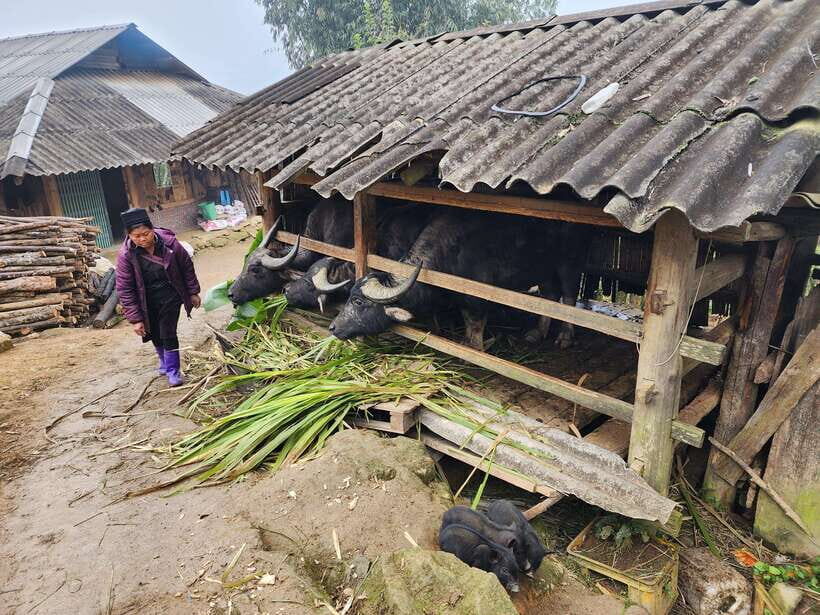
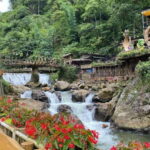
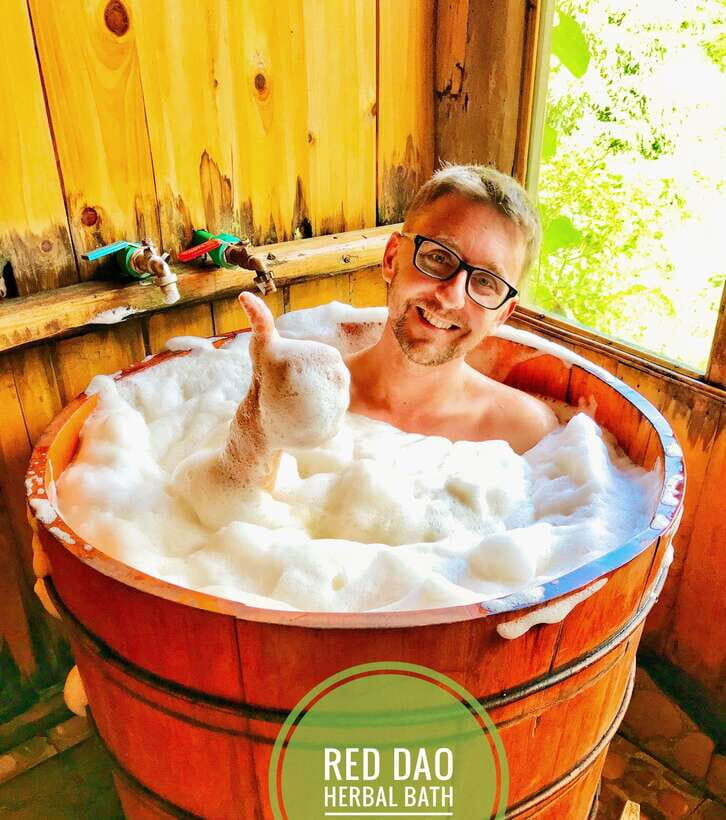
The day’s standout stop is Ta Phin village, home to the Red Dao community. This is where the tour shifts from scenery and villages to a health-focused tradition.
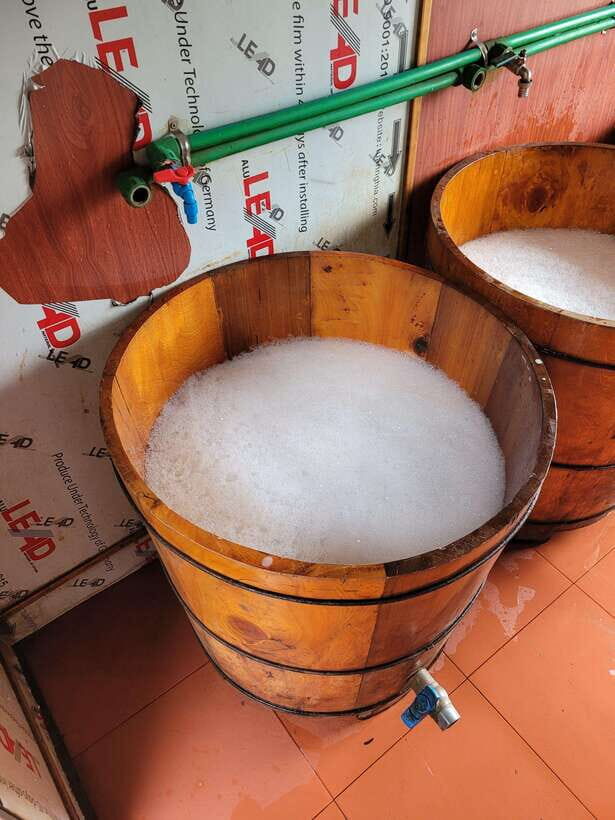
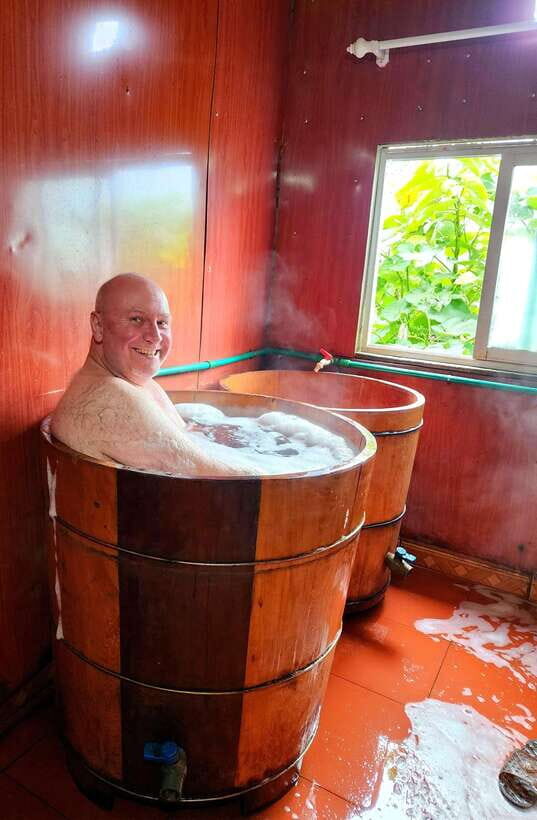
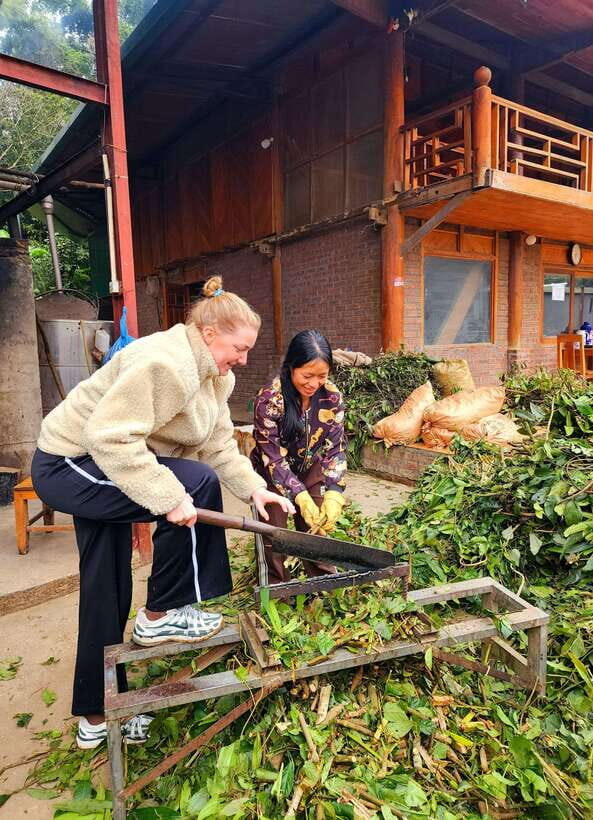
You’ll learn about Red Dao culture and their knowledge of herbal medicines. Then you’ll reach the optional herbal bath. If you choose it, you’ll get time in the bath after the learning portion, which many people find to be a truly relaxing counterpoint to the hike.
One traveler shared that they enjoyed the herbal bath for around 30 minutes, then returned by taxi. Even if you don’t take the bath, you’ll still leave with a clearer sense of how herbs fit into everyday Red Dao life.
Practical note: the herbal bath is an extra cost, so decide your comfort level and budget before you’re standing there ready to go. If you’re heat-sensitive or worried about hygiene concerns, you can still enjoy the cultural talk without booking the bath.
How much walking is really involved
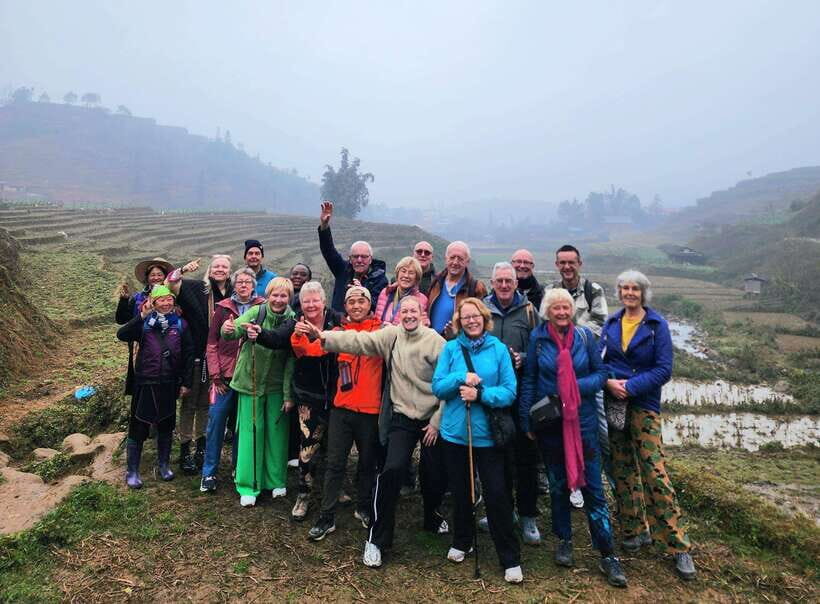
This is a 6-hour route with several walking segments and photo stops. The walk includes uneven surfaces, and you should treat it like a real trek, not a stroll.
In past groups, people reported distances around 12 km and 15 km. That range makes sense for a loop like this with multiple villages and breaks.
So here’s the honest approach: if you’re in decent hiking shape and you wear supportive shoes, you’ll likely enjoy it. If you have back issues or limited mobility, it can feel like too much.
What’s included, what costs extra, and why $24 makes sense

At $24 per person, this tour is priced in the “value territory” for Sapa. You’re getting a local guide, lunch, and transportation as part of the deal.
The optional herbal bath is not included, which is common for activities where supplies and time are added. If your heart is set on the bath, expect to budget a little extra. If not, you can still get the full village and learning experience.
The best value here is that lunch and guidance are wrapped into a route across multiple villages. You don’t have to organize separate rides and guides to hit Suoi Ho, Ma Tra, Cang Ngai, and Ta Phin.
What to bring so the day feels easy
This tour gives you the classic Sapa checklist for a reason. You’ll be outside most of the day, walking on varied ground, and dealing with sun and bugs.
Bring:
- Comfortable, grippy walking shoes
- A hat and sunscreen
- Water (bring a bottle you’ll actually finish)
- Camera for rice paddies and village scenes
- Insect repellent
Also consider a light layer for comfort. Mountain air can change during the day, and you’ll be in and out of shade as you walk.
Who should book this Red Dao healing trek
This tour fits best if you want:
- A group format with guidance and clear timing
- A Sapa day that connects ethnic village life with real walking routes
- The Red Dao herbal medicine angle, with the option to try the herbal bath
It may feel less ideal if:
- You have back problems
- You need mobility assistance
- You’re pregnant and prefer to avoid uneven trekking surfaces
If you’re traveling solo or as a couple, the group structure can be comforting. If you like a little social energy with your sightseeing, this also works well.
LALA SAPA TREKKING & HOMESTAY: what the operator experience looks like
This experience is run by LALA SAPA TREKKING & HOMESTAY. The day is organized around a local guide and included transportation, which keeps it straightforward for first-timers in the area.
One thing that stands out from guidance in this style is how much your guide’s tone affects the day. When people mention their guide was informative and friendly, that usually translates into you understanding what you’re seeing instead of just following the route.
If your guide is someone like Su, you can expect a focus on how local life works, not just where the villages are.
Should you book this Sapa Red Dao healing journey?
Book it if you want a hands-on Sapa experience: rice-field walking, Black H’mong village stops, a solid lunch break, and a Red Dao cultural segment centered on herbal medicine. The optional herbal bath is a nice upgrade if you’re curious and comfortable trying it.
Skip (or choose something gentler) if you’re worried about uneven terrain or you’re traveling with mobility or back limitations. This is built as a trekking day, and it won’t feel like a light half-day.
If you’re on a Sapa schedule and want one trip that mixes scenery with culture and a health tradition, this is a strong pick—especially at $24 with lunch and guidance included.