REVIEW · HANOI
2-day Sapa Trekking & Fansipan Cable Car & Bus from Hanoi
Book on Viator →Operated by BCFamilyTour.com · Bookable on Viator
Sapa feels like a whole different planet after a long bus ride. This 2-day group tour takes you from central Hanoi into the Sapa hills, adds a real Fansipan viewpoint day, and wraps it all in bus transport, a guide, and included meals. I like the “no planning needed” setup: bus, guide, entrance fees, and meals are handled, and you can choose the Fansipan cable car option if you want the big views without extra hiking. I also like that the itinerary builds in free time in town so you’re not in a van every minute. One possible drawback: Day 1 trekking can be uphill under strong sun, and guide communication quality can vary, so go in with basic expectations and ready questions.
If you’re the type who wants a weekend reset with a real taste of northern Vietnam, this fits. The group keeps things simple (max 20), and the tour uses mobile tickets and hotel pickup for convenience. In one highlight from the field, the guide Mrs Su was especially attentive when someone in the group had limited walking time, which matters if you’re traveling with a parent or slower pace.
In This Review
- Key things to know before you go
- Why this 2-day Sapa trip is a smart use of a short weekend
- Day 1: Hanoi departure, comfort breaks, and the Sapa village trek
- The 2:00 p.m. trek window in Sapa
- Overnight choice: hotel or homestay
- How the guide can shape Day 1
- Day 2: Fansipan up to 2,800m, then town time and return to Hanoi
- Cable car option is convenient, but check the extra charge
- What happens after Fansipan
- Price and value: what $128.90 includes (and what can add up)
- Group size, pacing, and guide communication on the trek
- Logistics that make the trip feel easy (especially from Hanoi)
- What to pack for Sapa hiking and Fansipan photos
- Who this tour is best for
- Should you book this 2-day Sapa Trekking & Fansipan tour?
- FAQ
- How long is the 2-day Sapa Trekking & Fansipan tour?
- Is hotel pickup included from Hanoi?
- Are meals included?
- Does the tour include the Fansipan cable car?
- How much trekking is on Day 1?
- What is the latest time I can cancel for a full refund?
Key things to know before you go
- Day 1 trekking is about 3 hours to Sapa village, with uphill sections that feel more intense in midday heat
- Fansipan is timed for the 2,800m viewpoint, and the cable car option includes the related ride up and back down
- Hotel pickup + round-trip luxury bus means you spend more time outdoors, less time figuring out transport
- Meals are included (breakfast + 2 lunches), which helps you avoid price surprises in Sapa
- Cable car has an onsite extra charge listed as 110,000 VND per adult when using the cable car
Why this 2-day Sapa trip is a smart use of a short weekend
This tour is built for people who want the classic Sapa experience without turning the weekend into logistics homework. You’re picked up in Hanoi, moved by bus to the Lao Cai / Sapa area, guided during the key parts, and returned the same way.
What makes it especially practical is how much is bundled. You’re not just buying a view day—you’re getting the overnight in Sapa, the trek portion, and included meals. That’s the core value: less decision fatigue, more time outdoors.
It’s also a good “first contact” trip. Even if you later return to Sapa for longer hikes or a homestay-focused stay, this gives you the rhythm: morning travel, trekking in the afternoon, then a big elevation day at Fansipan.
You can also read our reviews of more hiking tours in Hanoi



Day 1: Hanoi departure, comfort breaks, and the Sapa village trek
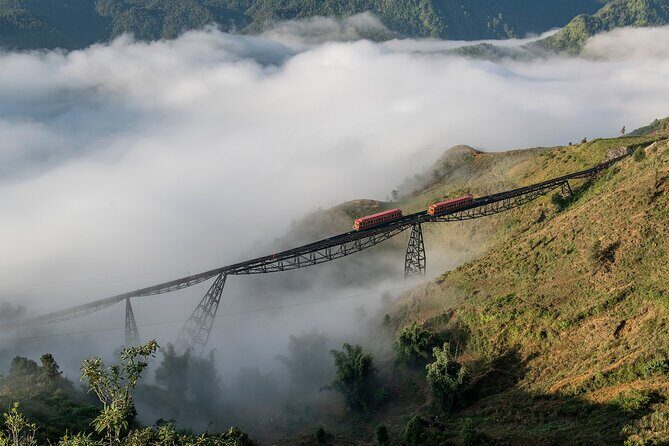
You start early. The meeting point is at 160 Đ. Trần Quang Khải, Lý Thái Tổ, Hoàn Kiếm, Hà Nội 100000, and you board the bus at 6:30. The ride includes comfort breaks: around 9:30 in Phu Tho Province, and again around 11:00 in Lao Cai City before approaching Sapa. Arrival is around 12:30.
Why this matters: long-distance travel in Vietnam is easier when the plan already includes breaks. You get a chance to stretch, grab water, and reset before the trekking day.
The 2:00 p.m. trek window in Sapa
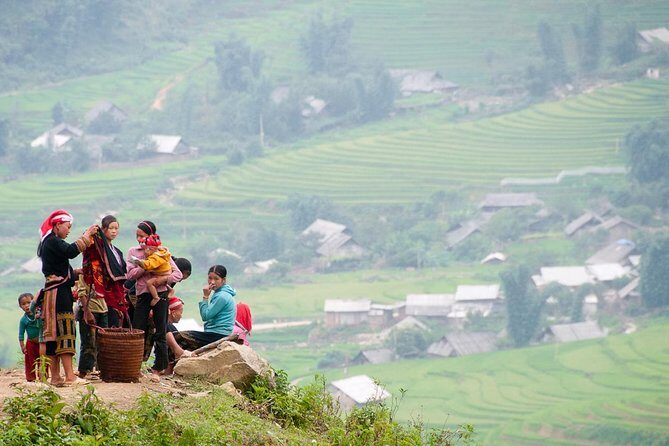
At about 14:00, you begin trekking to a Sapa village tied to ethnic communities. The trek time is listed as about 3 hours. The idea is simple: you get walking time that feels “local,” without needing multi-day planning.
Here’s the honest part. One of the negative experiences connected to this kind of trek is how it can feel like a lot of uphill walking under hot sun. Even if the route is not extremely long in distance, it can be tough in terms of effort. If you’re heat-sensitive, bring:
- water you can actually carry
- sunscreen and a hat
- shoes with grip for uneven ground
Overnight choice: hotel or homestay
In the 17:00 timeframe, you pivot to the overnight plan. You can stay in a hotel in Sapa (then go back to town for relaxing and night activities), or you may have an option for a homestay.
This flexibility is useful because Sapa has two different vibes. A hotel keeps things easy—cleaner, simpler, easier schedules. A homestay can feel more “life-on-the-ground,” but it’s still a different style of staying and you should confirm the details you’re getting.
How the guide can shape Day 1
The guide is an English-speaking guide on the tour. Still, clarity can vary. In one experience, a guide was friendly but language was a struggle, which meant less understanding of what was happening on the walk. In a more positive case, guide Mrs Su was attentive and made pacing work better for someone in the group who couldn’t walk long.
Practical takeaway: if you want lots of explanation during the hike, ask your guide to slow down for key points, and use simple questions. If you’re mostly there for views and the walk, you’ll likely feel fine even if narration is lighter.
You can also read our reviews of more tours and experiences in Hanoi
- Doris Cruise 5 star cruise 2 days visiting Halong Bay Lan Ha Bay private balcony
★ 5.0 · 2,338 reviews





Day 2: Fansipan up to 2,800m, then town time and return to Hanoi
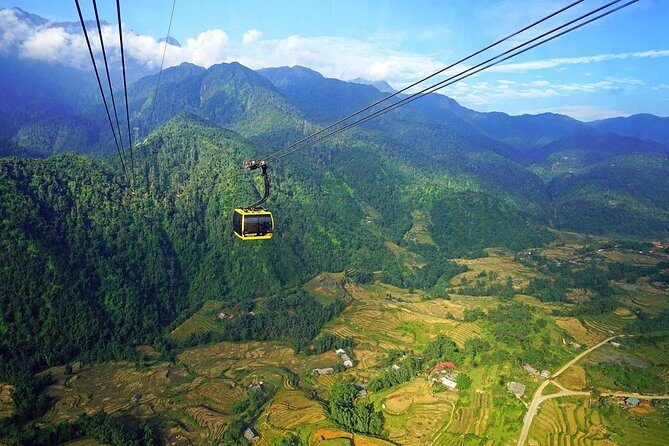
After breakfast, you start the Fansipan day early. At 8:00, you head to Fansipan, with the itinerary explicitly offering the Fansipan cable car option.
By around 9:00, you reach about 2,800 meters. That’s the big “wow” moment: time for photos and a visit to a pagoda/spiritual stop at the top area. The total time on this part is about 4 hours.
Cable car option is convenient, but check the extra charge
If you choose cable car, the included items note the cable car ticket and the mono train connection to Fansipan. But there’s also an important line about an extra onsite cost: 110,000 VND per adult when using the cable car, paid directly at the site.
I treat this as part of the real price of the cable car option, even though it’s not included in the base cost. If you’re traveling with cash-light plans, bring a plan to pay that onsite fee without stress.
What happens after Fansipan
After the summit time, the tour shifts to personal time and coordination. The itinerary includes a stop listing Lake of the Restored Sword (Hoan Kiem Lake) and also mentions time to relax and explore with souvenir shopping before meeting the group again to prepare for the return.
Then you leave Sapa for Hanoi. From 13:30–14:00, you board the bus back with two comfort breaks along the way. You’re dropped back around 20:30–21:00.
Why I like this structure: it gives you a clean “end cap.” You’re not stuck rushing to catch a bus right after the hard part. You also get a proper dinner window in Hanoi after returning.
Price and value: what $128.90 includes (and what can add up)
The price is $128.90 per person. For a 2-day trip from Hanoi with an overnight in Sapa, round-trip transport, a guide, and multiple meals, that’s usually in the workable-to-good category for group tours.
Here’s what the tour lists as included:
- Luxury bus Hanoi–Sapa–Hanoi (2 ways)
- Breakfast and 2 lunches
- Entrance fees and environment fees
- English-speaking tour guide
- Cable car ticket & mono train to Fansipan (when using the cable car option)
- Hotel pickup (included for convenience)
- Mobile ticket
So where does value come from?
- You’re paying to avoid the headache of coordinating transport plus timed tickets.
- Meals are included, which matters because Sapa can get pricier in tourist zones.
- Entrance/environment fees are covered, which means fewer pay-on-arrival moments.
What might add costs:
- Tips and drinks/personal expenses
- Holiday surcharges (listed for specific busy dates)
- A key one: 110,000 VND per adult extra for the cable car option, paid onsite
If you choose the cable car, treat the onsite fee as the trade-off for convenience: you’re saving effort and time compared with a purely hiking approach, but you’ll still pay that extra amount once you’re there.
Group size, pacing, and guide communication on the trek

This is a small group—max 20 travelers. That’s big enough to feel social, small enough that you’re not swallowed by a crowd.
Pacing is the main variable. Day 1 includes trekking to Sapa village for around 3 hours. If the group’s pace is set for the fittest walkers, you can end up working harder than you expected—especially in direct sun.
Also, guide communication can be the difference between a fun day and a confusing one. One negative experience involved limited explanation and difficulty understanding the guide’s language. Another positive experience showed strong care when the group included an older traveler who couldn’t walk long.
How you can protect yourself:
- Ask the guide about the walk difficulty level before you start Day 1
- Carry water and expect uphill stretches
- If you need adjustments, speak up early (the tour guide being willing to adapt seems possible based on how at least one guide handled a slower traveler)
This tour will work for most travelers, but “most” doesn’t mean “no challenge.” The trek is short, but not always gentle.
Logistics that make the trip feel easy (especially from Hanoi)
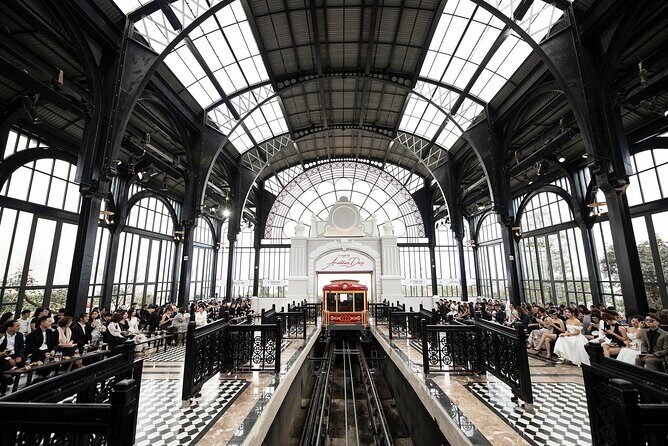
A big selling point here is how smooth transport is. You’re picked up from a central Hanoi meeting point, then transported in a luxury bus with comfort breaks. That’s not just comfort—it’s energy management. You arrive in Sapa with more readiness for the trek.
You also get mobile ticket delivery. In Vietnam, that can save time at check-in and reduce the “where is my ticket?” scramble.
Another practical detail: hotel pickup is included, which is helpful in a city like Hanoi where getting across traffic can eat time. You’re also dropped back at the same meeting point at the end, so you don’t need extra planning for your return.
If you’re booking for a weekend, plan ahead. The tour is commonly booked about 33 days in advance on average, which tells you it’s not the sort of thing you want to leave to the last minute when Sapa weekends fill up.
What to pack for Sapa hiking and Fansipan photos

You’ll do walking on Day 1 and spend a big chunk of time outdoors at altitude on Day 2. Even without knowing the exact weather, I’d pack like this:
- Comfy grip shoes (hills + uneven paths)
- Light rain layer (northern Vietnam can change fast)
- Sunscreen + hat
- Small daypack + water
- A layer for Fansipan: you’re going up to 2,800m, where conditions can feel different
Also consider your camera strategy. The cable car portion is timed around the morning climb, so bring something ready to shoot right when you arrive.
Who this tour is best for

This tour fits best if:
- you want a 2-day Sapa itinerary from Hanoi with minimal planning
- you’re okay with a group pace and a short hike
- you like the idea of Fansipan views and want a cable car option
- you’re traveling solo or as a couple and appreciate organized tickets and transport
It might be less ideal if:
- you need very detailed explanations every step of the trek
- you strongly dislike uphill walking in heat
- you’re sensitive to language barriers during guided time (even with an English-speaking guide, clarity can vary)
Should you book this 2-day Sapa Trekking & Fansipan tour?
I’d book it if you want a clean, weekend-friendly taste of Sapa: a guided village trek, an overnight in Sapa, and Fansipan up to the top viewpoint zone with time to photograph and visit the pagoda area. The value is strongest when you care about the convenience bundle—bus, guide, meals, and key tickets handled.
I’d think twice if your hiking tolerance is low or if you expect constant, detailed cultural commentary. In that case, you can still do the trip, but go in prepared: hydrate, protect yourself from sun, and don’t assume every explanation will land perfectly.
If the cable car is the main goal, budget for the 110,000 VND onsite per adult fee and bring enough cash/plan for payment when you arrive.
FAQ
How long is the 2-day Sapa Trekking & Fansipan tour?
It runs for about 2 days. Day 1 includes the Hanoi to Sapa journey plus trekking in the afternoon and an overnight in Sapa. Day 2 includes Fansipan, then return transport to Hanoi in the afternoon.
Is hotel pickup included from Hanoi?
Yes. Hotel pickup is included for added convenience, and the tour departs from a meeting point in central Hanoi.
Are meals included?
Yes. Breakfast is included, and lunch is included twice (2 lunches total).
Does the tour include the Fansipan cable car?
Cable car is offered as an option. If you use it, the cable car ticket and the mono train to Fansipan are included, but there is also an extra charge of 110,000 VND per adult paid onsite.
How much trekking is on Day 1?
Day 1 includes trekking to a Sapa village for about 3 hours, starting around 14:00.
What is the latest time I can cancel for a full refund?
You can cancel up to 6 days in advance for a full refund. Changes made less than 6 full days before the experience start time won’t be accepted, and a partial refund may apply if you cancel 2–6 days before.



More 2-Day Experiences in Hanoi
- Doris Cruise 5 star cruise 2 days visiting Halong Bay Lan Ha Bay private balcony
★ 5.0 · 2,338 reviews