REVIEW · SAPA
Muong Hoa Valley Trek & Homestay Experience – 4D3N
Book on Viator →Operated by Trekking Tour Sapa · Bookable on Viator
Your daypack turns into a classroom.
This 4D3N trek in Sapa focuses on Muong Hoa Valley views plus real interaction with the Hmong, Giay, and Red Dao communities across five villages. You get rice terraces, a big river valley to walk through, and a guided look at daily life—far beyond the photo stops.
I especially like two parts: first, the itinerary’s village-to-village flow, which keeps you moving while still having time to learn customs and routines. Second, I like that meals and the homestay experience are built into the plan, so you’re not constantly guessing what to eat or where to go. The tour team includes local guides (for example, Sinh is mentioned in a guest response), and that local touch shows in how the stops are framed.
One drawback to weigh: the trekking is for people with moderate fitness, and conditions can swing. If you go in late June, expect it can feel much hotter in the valley during the walk than in town, even if Sapa isn’t scorching.
In This Review
- Key Highlights to Know Before You Go
- Starting at Sapa Church: 9:00am, pickup, and a small-group pace
- Day 1: Y Linh Ho and Ta Van Village rice terraces (the first big visual hit)
- Day 2 at Giang Ta Chai Waterfalls: uphill effort plus Red Dao learning time
- Day 3 from Ban Ho to Nam Toong: a focused look at Red Dzao life
- Day 4 down the Muong Hoa River toward Ban Ho: easy finish with the biggest river payoff
- Homestay night: meals included, and the real value is the connection
- The guide’s role: more than a walking buddy
- Price and value: is $190 a smart deal or a tourist shortcut?
- Season reality: warm valley walks and weather dependence
- Who this Muong Hoa Valley trek fits best (and who should rethink it)
- Should you book: my take for value-minded hikers
- FAQ
- What villages will I visit on this 4D3N trek?
- How long is the Muong Hoa Valley Trek & Homestay experience?
- What time does the tour start, and where do I meet?
- Is pickup included?
- What’s included in the price?
- What isn’t included?
- What fitness level do I need?
Key Highlights to Know Before You Go
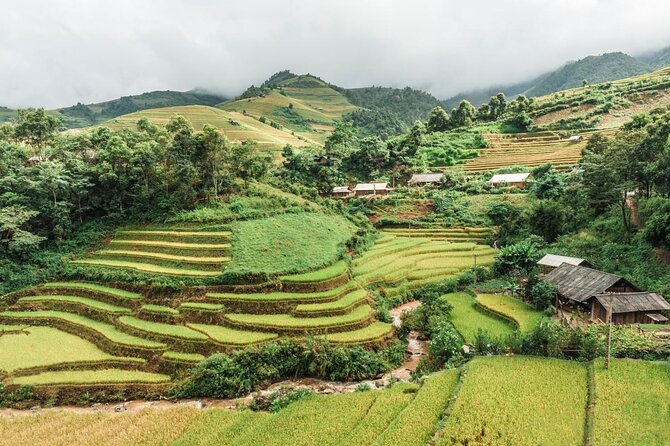
- Five village visits across Hmong, Giay, and Red Dao areas, with local explanations at each stop
- Ta Van rice terraces and mountain views, with time to see the fields from above
- Giang Ta Chai waterfalls day that mixes uphill walking with a payoff view and Red Dao context
- Ban Ho to Nam Toong learning time, focused on Red Dzao community life
- Day 4 along the Muong Hoa River, an easier-feeling finish after a few longer days
Starting at Sapa Church: 9:00am, pickup, and a small-group pace
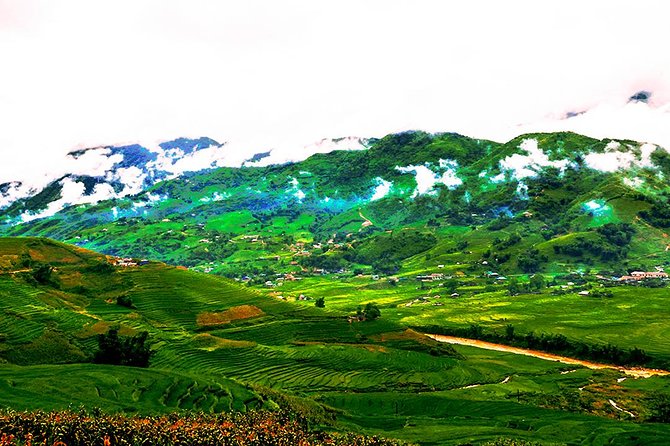
The day starts at 9:00am at Sapa Church. If you’re staying in Sapa Town, pickup may be offered, but either way you’ll meet the group right in the town center area so you can get organized fast and be walking while the daylight is still fresh.
This is a small group (max 15) tour. That matters more than it sounds. With fewer people, your guide can actually answer questions during village time, not just rush you between stops. It also tends to make the trek feel more personal, especially when you’re learning about traditions like household work, farming, and marriage customs.
One more practical note: you’ll use a mobile ticket and you’ll have village entry fees included. That’s one less thing to deal with in the field, and it keeps your focus on walking and conversations.
You can also read our reviews of more tours and experiences in Sapa.

Day 1: Y Linh Ho and Ta Van Village rice terraces (the first big visual hit)
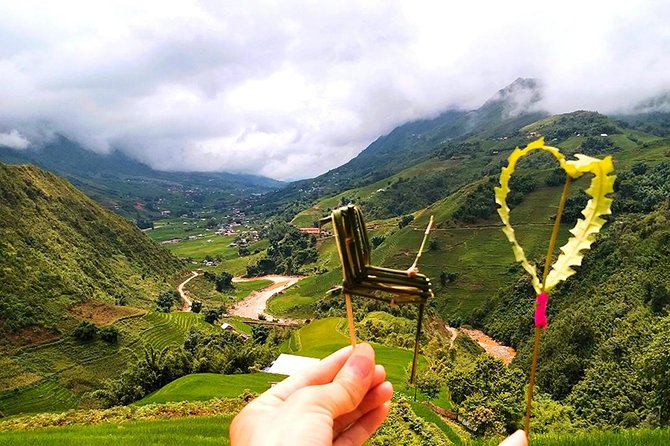
Day 1 begins with a short town briefing and then a move down toward the Cat Cat road area after meeting your guide. The plan includes Y Linh Ho as your first stop. In practical terms, it’s a good opening day because you ease into the walking rhythm and get your bearings before you spend more time at higher elevations.
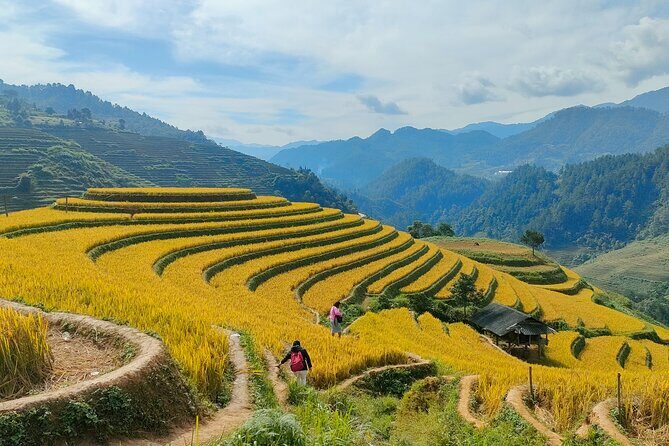
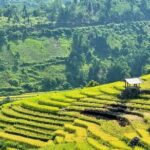
After that, you shift toward Ta Van Village, where you’ll get a chance to enjoy some of the largest and most beautiful rice terraces in the region. The view from the terraces and ridgelines is the kind of payoff that makes the earlier steps worth it. You also get majestic mountain views that help you understand how Sapa’s valleys work: terraces aren’t just scenery here; they’re part of the farming system that shapes daily life.
A potential drawback on Day 1 is that the first day can set your expectations for the rest of the trek. If you’re hoping for a totally flat first day, this isn’t that kind of route. It’s still very doable, just don’t expect an effortless stroll.
Day 2 at Giang Ta Chai Waterfalls: uphill effort plus Red Dao learning time
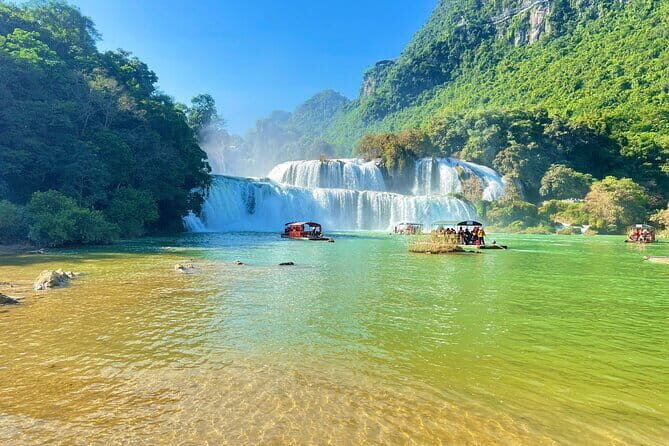
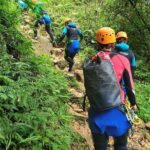
After breakfast, Day 2 starts with an uphill trek until you reach the waterfalls of Giang Ta Chai. That climb is your “legs test,” and it’s a good place to find your pace—steady steps, short breaths, and don’t rush the uphill. Once you get to the waterfall area, you’ll have a reason to slow down, take photos, and let the effort pay off.
Then you enter the Red Dao area. This is where the tour becomes more than scenery. Your local guide will explain traditions and customs, including cultural details tied to how people live in the mountains. You’ll also learn about aspects of community life and the way work and farming show up in daily routines.
If you’re sensitive to heat, Day 2 might feel tougher in warmer months because you’re combining uphill walking with time in a valley region that can get warmer than you’d expect from Sapa Town. A tip: plan to drink steadily, not only when you feel thirsty.
Day 3 from Ban Ho to Nam Toong: a focused look at Red Dzao life
Day 3 starts with breakfast at Ban Ho Village, then you walk toward Nam Toong (about 3km from Ban Ho). Nam Toong is where the tour shifts into a deeper look at the Red Dzao (Red Dao / Red Dzao area) community. The emphasis here is on learning—how people live, what they do, and how their traditions show up in real day-to-day choices.
What I like about this day is that it isn’t just “walk, look, leave.” The guide’s role is front and center. You’ll learn about culture, customs, and traditions rather than only passing through village views. That makes the trek feel grounded, because you’re hearing the “why” behind what you see.
A drawback worth considering: by Day 3, your body is more aware of effort. Even if each section isn’t extreme, you’re stacking days. If you’re the type who starts tiring early, pack a little mental buffer: take breaks where the guide stops, and use the pauses to drink and reset.
Day 4 down the Muong Hoa River toward Ban Ho: easy finish with the biggest river payoff
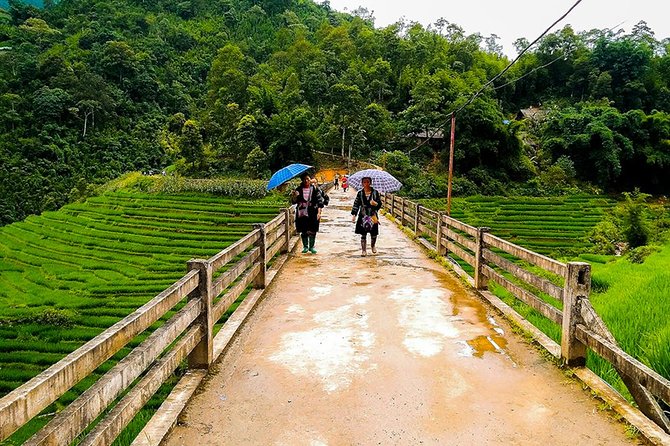
Day 4 starts with a filling breakfast. Then you walk from Thanh Phu back to Ban Ho by a different route, following the Muong Hoa River. This is described as an easy but beautiful route, which is exactly what you want after three trekking days.
Following a river usually makes navigation easier because you’re walking a natural corridor. It also gives you lots of changing views without the stress of constant uphill climbs. The Muong Hoa River setting is one reason this trek is so popular: it lets you see Sapa’s biggest river and valley in motion, not just from the roadside.
If you’re thinking about doing laundry, buying extra snacks, or swapping cash before you return to town, Day 4 is also your last “village time.” Keep that in mind so you’re not scrambling at the end.
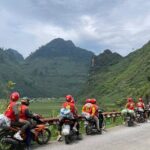


Homestay night: meals included, and the real value is the connection
You get 1 night in a homestay (accommodation included). The homestay is paired with a meal plan: 3 dinners, 4 lunches, and 3 breakfasts are included. On paper, that just looks like a food list. In practice, it’s what makes the trek feel smooth—no hunting for restaurants, no wondering if you can find a meal that fits your schedule.
This also matters for cultural learning. When you share a homestay meal, you’re more likely to have casual conversation with the family and hear small details about daily routines. You might not get a scripted lecture; you’ll get lived-in explanations.
Two practical cautions:
- Extra drinks like beer or bottled water at the homestay aren’t included, so plan to budget a bit for that.
- Tips aren’t included. Even if tipping isn’t your default style, it’s worth having small cash ready so you can reward good guide energy.
The guide’s role: more than a walking buddy
The tour description makes it clear your guide doesn’t just lead you from point A to B. You’ll hear about things like Hmong marriage traditions, rice fields, house building techniques, and how people work. That’s the kind of information that turns a trek into a story you can actually tell later.
In a small-group setup, your questions land better. You can ask what you don’t understand—how farming works, why certain patterns show up in houses or clothing, or what daily life looks like during different seasons. Even if you don’t ask much, the guide’s explanations tend to give you a framework for what you’re seeing.
And yes, local guide names can vary by date. But since the team is local (and guides like Sinh are referenced directly in guest replies), you’ll likely feel that the emphasis is on showing Sapa as it functions, not just Sapa as it’s photographed.
Price and value: is $190 a smart deal or a tourist shortcut?
At $190 per person for roughly 4 days, the value is mostly about what you don’t have to pay separately. The tour includes:
- Village entry fees
- Homestay accommodation (1 night)
- Local guide
- Transport back to Sapa after the trek ends in the villages
- 1 big bottle of water per person
- Meals across the days (breakfasts, lunches, dinners)
If you’ve tried to piece together a similar trek yourself in Sapa, you know how quickly costs add up—guides, permits, village fees, and then the homestay arrangement. Here, those pieces are bundled, which makes planning simpler and reduces the chances of last-minute surprises.
The flip side is that this price assumes you’re comfortable with a guided experience. If you want full freedom to wander, choose your own pacing, and skip parts of village time, this isn’t built for that. Think of it as guided learning with a trekking backbone.
Season reality: warm valley walks and weather dependence
The trek “requires good weather.” If conditions are poor, you’ll be offered another date or a full refund. That’s good news if you hate gambling with rain.
But weather isn’t only about cold rain. In late June, for example, conditions can be warm—one end-of-June experience shared that around 23°C in Sapa can still feel like 31–32°C in the valley during walking. That’s a big reason to pack for heat as much as for rain.
My practical advice:
- Wear breathable layers you can adjust on climbs.
- Bring a rain layer, even if forecasts look fine.
- Treat hydration as part of the walking, not an optional step.
Who this Muong Hoa Valley trek fits best (and who should rethink it)
This tour suits you if you want a guided cultural trek where the villages aren’t just photo stops. You’ll enjoy it most if you like asking questions, noticing farming details, and learning how people build houses and organize work.
It’s also a good fit for people who want a structure that includes meals and a homestay plan. The included dinners and lunches reduce decision fatigue, especially on the trail.
You might rethink it if you:
- Expect a mostly flat route.
- Have very low tolerance for multi-day walking.
- Need strict flexibility to change the route on the fly.
The good news: the descriptions suggest Day 4 is an easier finish, which helps if you’re managing energy levels.
Should you book: my take for value-minded hikers
I’d book this trek if your priority is authentic village learning tied to a real valley walk. The combination of five village stops, guided explanations of traditions and daily life, and a homestay with meals included makes it feel like more than just exercise.
If you’re price-sensitive, the $190 works best because so many costs are bundled: guide, entry fees, homestay, and transport back to Sapa. If you’d otherwise hire a guide and then pay separately for everything, this is easier math.
Final check before you commit: make sure you’re comfortable with moderate fitness and multi-day walking, and plan for seasonal heat in the valley. If you match that, you’ll come away with stories that go beyond the view.
FAQ
What villages will I visit on this 4D3N trek?
You’ll visit five villages around Sapa’s ethnic communities, including areas linked to Hmong, Giay, and Red Dao groups. The itinerary includes stops such as Y Linh Ho, Ta Van Village, Giang Ta Chai Village/area, Ban Ho Village, and Nam Toong.
How long is the Muong Hoa Valley Trek & Homestay experience?
It’s listed as 4 days (approximately) with a 1-night homestay.
What time does the tour start, and where do I meet?
The tour starts at 9:00am at Sapa Church in Sapa.
Is pickup included?
The tour summary says pickup offered, though the exact pickup details depend on your start location. You can meet at the church area if pickup isn’t used.
What’s included in the price?
Included are village entry fees, homestay accommodation (1 night), local guide, meals (3 breakfasts, 4 lunches, 3 dinners), transport back to Sapa after the tour ends, and 1 big bottle of water per person.
What isn’t included?
Not included are personal travel insurance, extra drinks at the homestay, and tips.
What fitness level do I need?
The tour states you should have a moderate physical fitness level. The route includes walking days with uphill sections, and Day 4 is described as an easy but beautiful river follow-back.