REVIEW · SA PA
Journey Through Sapa Terraces & Traditions
Book on GetYourGuide →Operated by BAE Travel Company · Bookable on GetYourGuide
Sapa can feel like a postcard. This day trek turns it into a working, lived-in place with rice terraces, river crossings, and village meals. You start with a gentle descent, then shift into steeper walking through bamboo and terrace paths with big mountain views.
I especially like the mix of scenery and people-focused stops. The lunch with a Hmong family around Y Linh Ho village feels like you’re eating with locals, not rushing through a photo stop. And the route takes you past the Muong Hoa River and iconic hanging bridge, then keeps pushing toward Ta Van and the Giay community.
One thing to plan for: the walking can be slippery and steep, especially in rain. I’ve seen how a rainy day can throw off timing and gear (like gumboots), so wear proper shoes and be ready for a more physical outing than a casual stroll.
In This Review
- Key highlights you’ll feel on the trek
- Rice terraces, river bends, and a real village lunch
- Starting at 61 Mường Hoa: the day begins before the hills
- Cat Cat Road descent: a gentle start that sets your rhythm
- The hanging bridge over Muong Hoa: where the scenery snaps into focus
- Bamboo forest and first terrace hits: calm walking with steep payoffs
- Y Linh Ho village lunch with a Hmong family
- Lao Chai and the Black Hmong: culture stops that matter
- Ta Van village and meeting the Giay minority
- Price, group size, and what $20 really buys
- Weather reality: slippery trails and gear that can save your day
- Who this trek is for (and who should skip it)
- Quick practical tips to make the day smoother
- Should you book Journey Through Sapa Terraces & Traditions?
- FAQ
- How long is the trek?
- Where does the tour start and how do I get picked up?
- What’s included in the price?
- How much does it cost?
- What languages are the guides available in?
- What should I bring for the day?
- Are sandals or flip flops allowed?
- Is it okay for children or people with mobility needs?
Key highlights you’ll feel on the trek
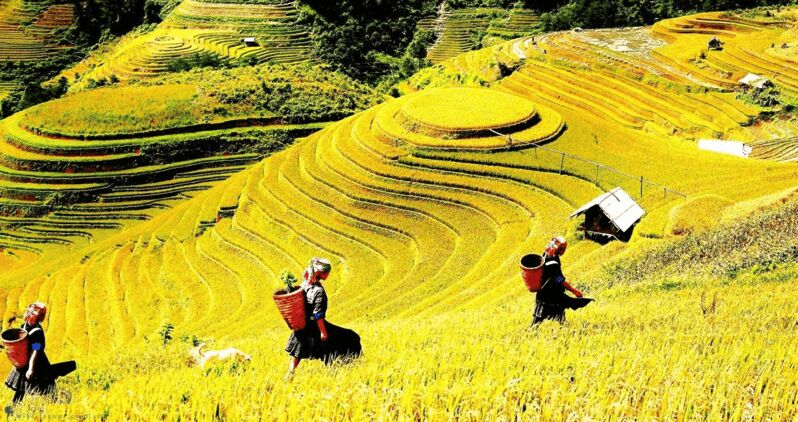
- Big rice-terrace views of Sapa’s stepped paddies with Hoang Lien Son in the background
- Muong Hoa River and a hanging bridge that changes the vibe from road to “on-the-trail”
- Bamboo forest walking before the terraces really open up
- Lunch in Y Linh Ho with a local Hmong family (included, and actually filling)
- Ethnic village variety from Black Hmong at Lao Chai to Giay at Ta Van
Rice terraces, river bends, and a real village lunch
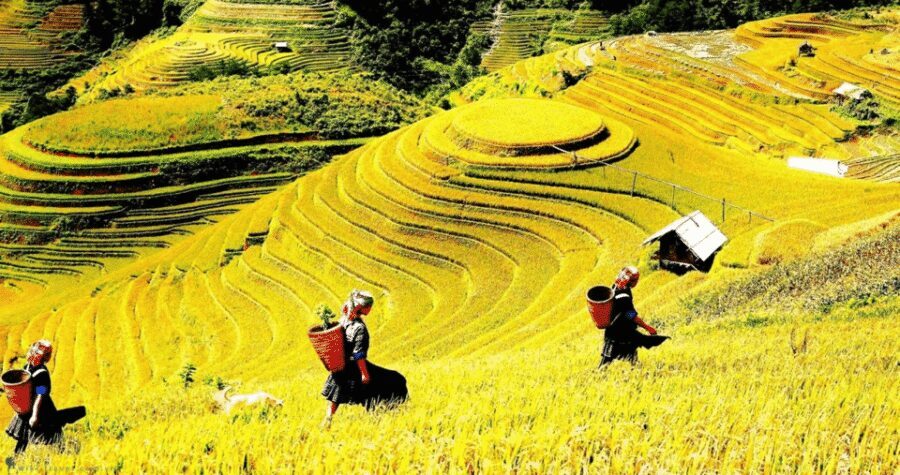
This one-day outing is built around the Sapa you came for: terraces, mountain backdrops, and ethnic communities you meet up close. It’s not a museum tour. You’re walking paths that connect villages, crossing a river and heading into bamboo and paddies where the scenery changes by the minute.
The small group size (limited to 10 people) matters. It keeps the pace more human and helps the guide manage uneven ground when conditions aren’t perfect. In a place like Sapa—where rain can turn trails into slick ribbons—that kind of control feels worth the money.
And speaking of money: at $20 per person for about 7 hours, you’re paying for guide time, pickup, and a traditional lunch included with local communities. That’s strong value if you’re planning to walk anyway, because you’d likely spend similar cash on transport plus a meal on your own.
You can also read our reviews of more tours and experiences in Sa Pa.
Starting at 61 Mường Hoa: the day begins before the hills
Your morning starts with pickup from Sapa center (or your stay). The day kicks off around 8:00 AM, so you avoid the late-morning crowd and give yourself daylight for the walking.
There’s a practical detail to keep in mind. If pickup timing ever feels off, don’t just wait silently in your room. One traveler described a bumpy start where they waited in the lobby for a while before confirming. Your best move is to be ready at pickup time and check in if you don’t see the van show up quickly.
Once everyone’s together, you’ll begin with a 2 km descent along Cat Cat Road. The point of this first stretch is to loosen up your legs and ease you into the terrain without starting at maximum effort.
Cat Cat Road descent: a gentle start that sets your rhythm
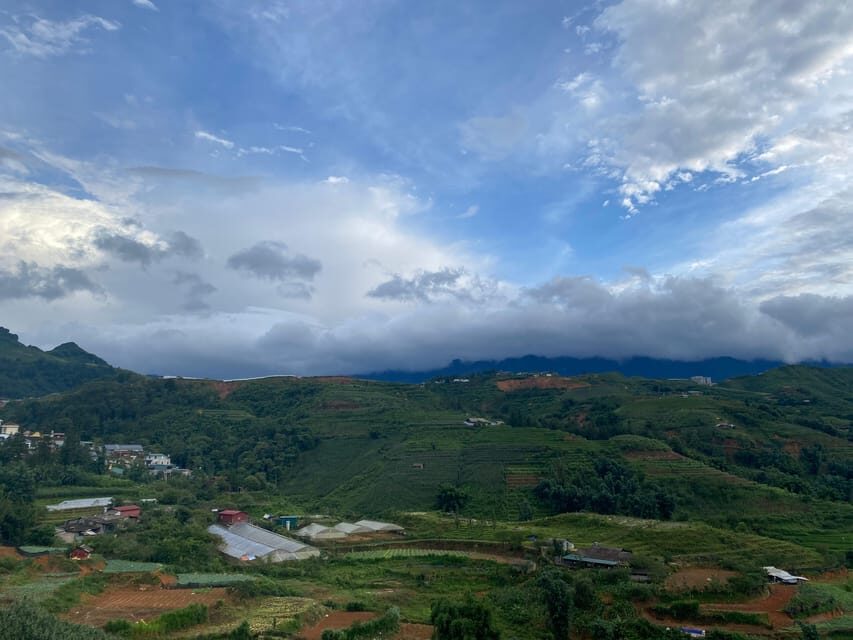
That 2 km downhill is a good warm-up for the day’s work. You’ll feel the shift from paved or vehicle-adjacent areas into village-road walking, with Sapa’s atmosphere settling in around you.
It’s also where you start earning those views later. Downhills tend to make you notice the river and valley shapes, even before you’re deep into terrace country. Then you’ll transition toward the first big “photo moment” and first real trail element.
If you’re the type who gets cold early, bring a light layer. Morning air in northern Vietnam can feel sharper, and you’ll be moving for hours.
The hanging bridge over Muong Hoa: where the scenery snaps into focus
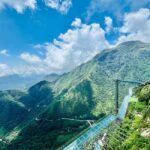
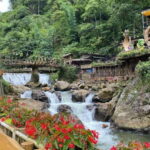
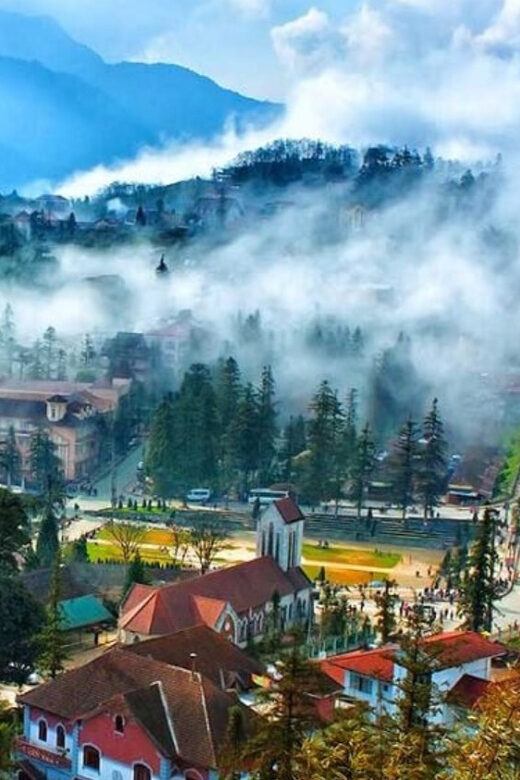
Next comes one of the signature moments: crossing the Muong Hoa River on an iconic hanging bridge. It’s the kind of crossing that slows your brain for a second. You’re not just taking in scenery—you’re paying attention to footing, balance, and how the day’s route is laid out.
This is also the point where the trek’s “story” becomes clear. You’re moving from road to trail, from viewpoint to village connections. The river crossing is a natural marker that separates the easy start from the more concentrated walking ahead.
It’s a great spot to pause, look back, and get your bearings fast—because soon you’ll be stepping into the bamboo forest and climbing toward the rice terraces.
Bamboo forest and first terrace hits: calm walking with steep payoffs
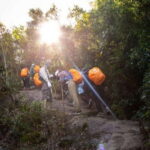
After the bridge, you’ll ascend through a bamboo forest. This part cools the senses a bit. Bamboo makes the air feel different—shadier, quieter, and less exposed than open terrace areas.
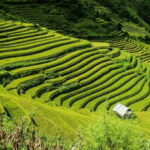
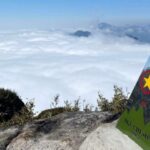
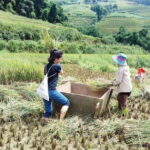
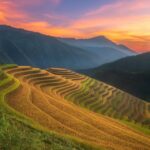
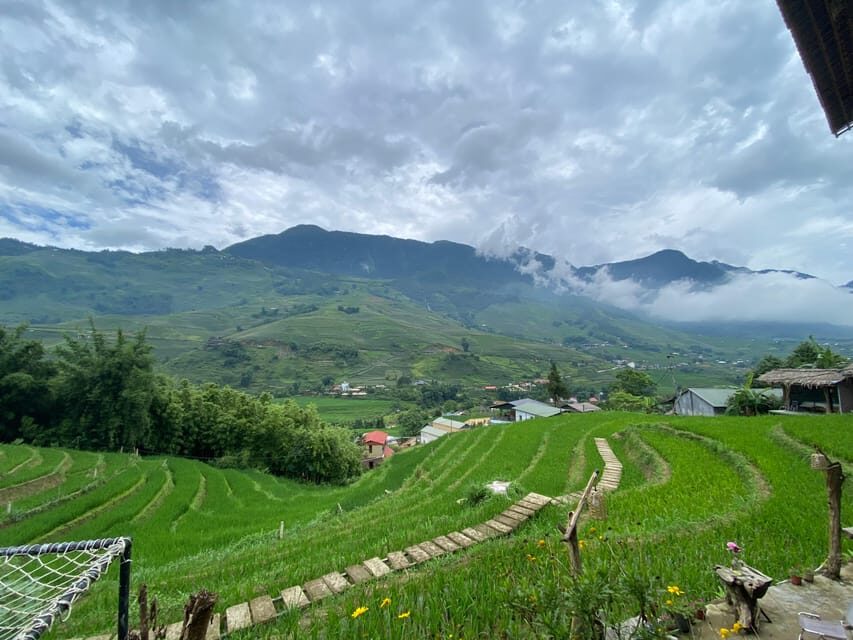
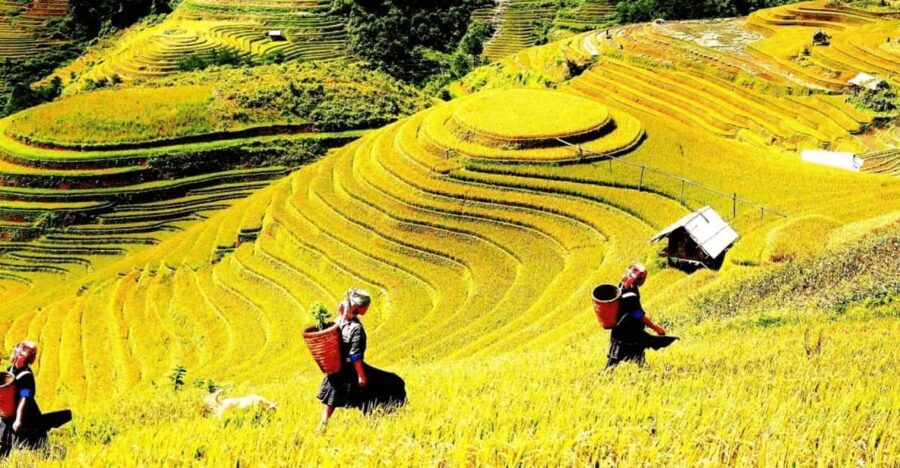
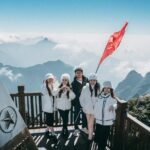
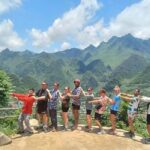
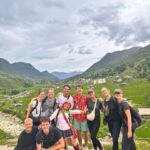
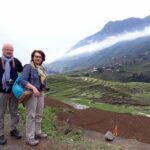
Then you reach what most people really came for: the largest and most beautiful rice terraces in Vietnam, framed by views of Hoang Lien Son Mountain. The terraces are not just a backdrop. They’re the environment you’re walking alongside, so you can see how people live around the land rather than just looking at it from a single overlook.
This is where pacing matters. Don’t sprint for each viewpoint. The terraces stretch and the perspective changes every few turns. If you rush, you miss the “layer cake” effect that makes Sapa feel so iconic.

Y Linh Ho village lunch with a Hmong family
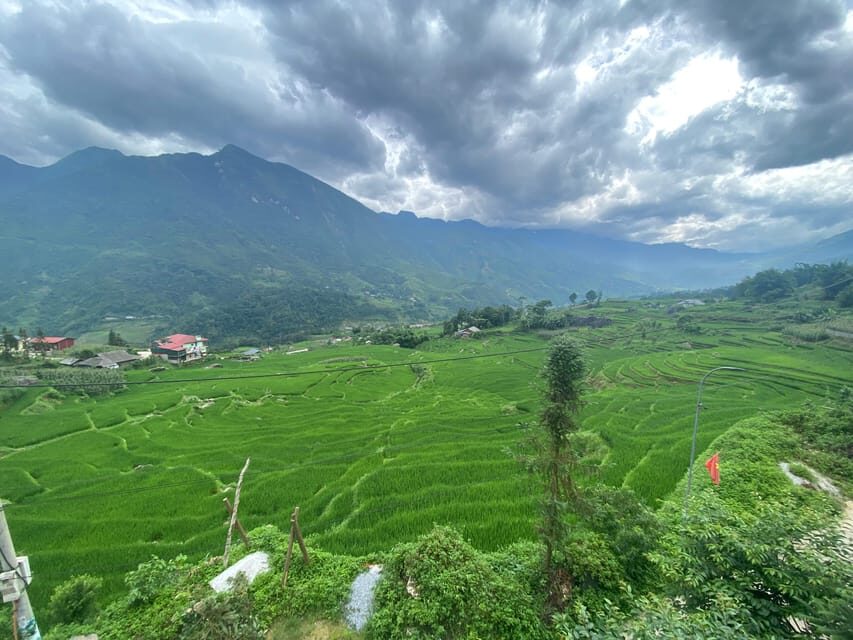
The lunch stop in Y Linh Ho village is one of the most valuable parts of the day. You’ll eat at a small traditional restaurant run by a local Hmong family, and the meal is included. The experience here is practical and cultural at the same time: it’s food you can trust to be filling after hours of walking, and it’s tied to a community you’ve already met during the trek.
One traveler called out that the lunch was abundant and in a really nice spot. That matches how I’d plan for this part of the day. You don’t want a tiny plate that leaves you hungry for the rest of the hike, and you also don’t want a meal that feels disconnected from daily life.
Tip: after lunch, give yourself a minute to rest your legs and check your shoes for any mud or moisture. The ground often gets more irregular after this stage.
Lao Chai and the Black Hmong: culture stops that matter
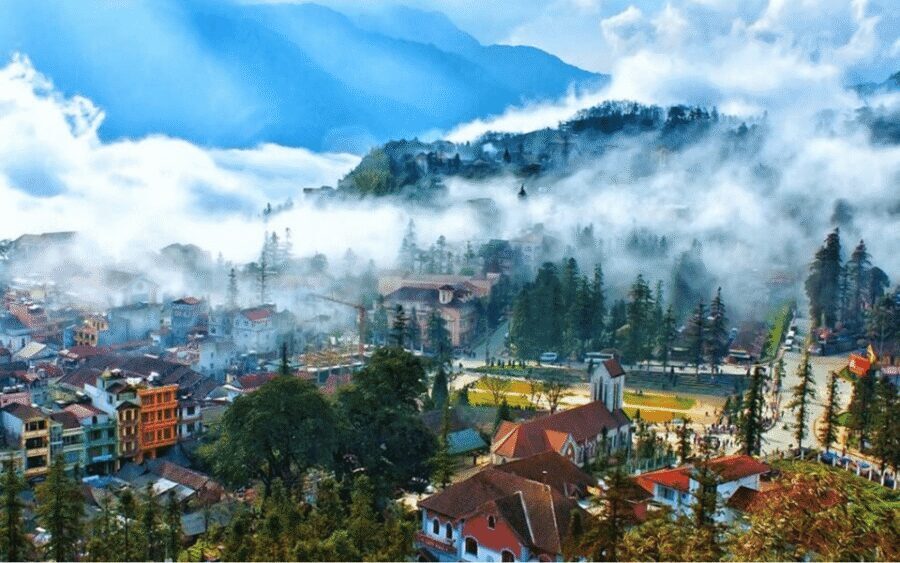
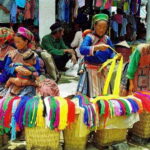
After lunch, the trek heads to Lao Chai, where you’ll spend time in the area associated with the Black Hmong. This is less about ticking off a checkbox and more about learning how different groups shape daily routines around terraces, weather, and village routes.
The guide plays a big role here. A good local guide can translate what you’re seeing—clothing styles, household patterns, and how the terrain influences village life—into something you can actually understand. One reviewer specifically praised the guide’s ability to handle challenging terrain and keep everyone safe, including on rainy ground.
Even if you’re not a “culture lecture” person, village walking works best when the guide points out small details you’d otherwise miss.
Ta Van village and meeting the Giay minority
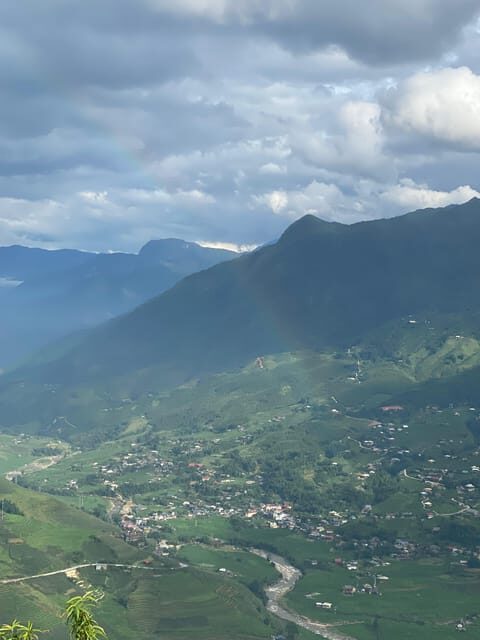
Finally you reach Ta Van village, with the chance to meet the Giay minority. This stop gives the day its last cultural contrast: different language and traditions, different ways of interacting with the land, and another perspective on Sapa beyond the main scenic viewpoints.
You’ll likely do some walking within the area and get time to observe how daily life fits into the hills. The key value here is not just photos—it’s the feeling that each village is part of a network, connected by these paths you’ve been walking all day.
When the day is done, you’ll return to the van and arrive back in Sapa town around 3:30 PM. That early-ish finish is a big plus. It leaves you energy to relax, shower, and still do a quick night plan in town.
Price, group size, and what $20 really buys
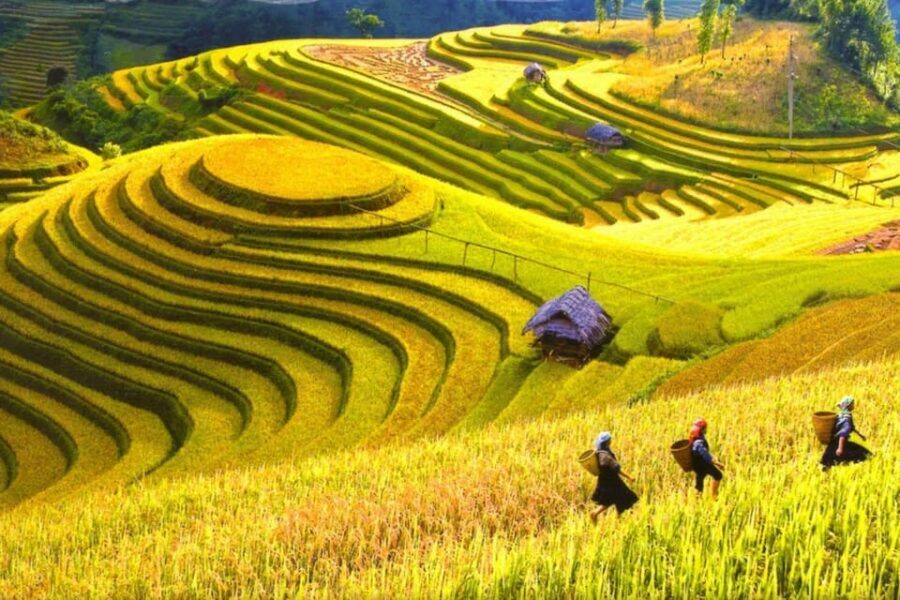
At $20 for the day, the value depends on two things: you want a guided trek and you want lunch included. If you’re okay walking 7 hours and you prefer small-group structure, this is a bargain compared to piecing together a similar route with private transport and separate meals.
The small group of up to 10 also reduces friction. You’re not constantly waiting for a crowd. Plus, the guide (with 10+ years experience) is there to manage timing, route choices, and safety on uneven ground.
One more thing: the tour includes pickup and a skip-the-line style entry (via a separate entrance). Even if that doesn’t sound dramatic on paper, it can save real time on busy days.
So the trade-off is physical effort. You’re paying to walk and to connect with communities. If you want a low-effort sightseeing day, choose a gentler option.
Weather reality: slippery trails and gear that can save your day
Sapa weather can change fast, and the trails are the truth-tellers. A reviewer described a rainy day with a delay at the start and noted that other participants received gumboots while they did not. Whether that was a one-off or a simple oversight, it signals a useful lesson:
Bring the right gear for wet conditions even if the morning looks fine.
What you should bring (from the tour guidance):
- Hiking shoes (not just sneakers you love)
- Sun hat
- Clothes that can get dirty
- Sports shoes only if they’re genuinely comfortable for mud and grip
Not allowed:
- Sandals or flip flops
My practical suggestion: if you don’t have waterproof boots, at least make sure your shoes have good traction and plan for socks to get wet. You’ll thank yourself on the downhill stretches and when the ground looks harmless but isn’t.
Who this trek is for (and who should skip it)
This is best for people who enjoy a good workout plus cultural stops. If you like scenery, you’ll get it. If you like walking between villages, you’ll get that too.
It’s not a fit if:
- You’re traveling with a very young child (not suitable for children under 4)
- You’re pregnant
- You use a wheelchair
- You’re over 95 years
- You’re prone to seasickness (the tour notes this, so take it seriously)
And even if you’re within those limits, consider your personal comfort with steep, slippery terrain. One reviewer described the trek as very sporty and challenging. That’s not a reason to avoid it—it’s a reason to prepare.
Quick practical tips to make the day smoother
A few small choices can make a big difference on a 7-hour trek:
- Wear shoes you trust on wet ground. No exceptions.
- Bring a sun hat even if you expect clouds. Light bounces off terraces.
- Keep a small energy stash. The day has a lunch break, but walking takes more fuel than you think.
- If your pickup feels delayed, confirm quickly. Don’t wait in silence for hours.
Also, keep your expectations realistic about timing if it rains. One traveler noted a delayed start when rain hit, and that can happen in the mountains. A flexible mindset makes it feel like part of the experience instead of a problem.
Should you book Journey Through Sapa Terraces & Traditions?
Book it if you want a one-day trek that balances big Sapa views with real human stops and a proper included lunch. The route covers rice terraces, the Muong Hoa River and bridge, bamboo forest walking, and villages linked to the Hmong (including Black Hmong at Lao Chai) and the Giay at Ta Van.
Skip it if you want an easy, flat day or you’re not comfortable with potentially slippery, uneven paths. Also think twice if you’re sensitive to changing weather plans.
If you’re a “walk, see, eat, learn” kind of traveler, this is the kind of day you remember because it feels active and grounded—terraces you can walk beside, people you can meet, and a mountain view you get in motion.
FAQ
How long is the trek?
It runs for about 7 hours.
Where does the tour start and how do I get picked up?
It includes pickup from Sapa center town (or your accommodation). The meeting point listed is 61 Mường Hoa.
What’s included in the price?
Pickup, a traditional lunch with local communities, and a local guide with 10+ years experience are included.
How much does it cost?
The price is $20 per person.
What languages are the guides available in?
The live tour guide is available in English and Vietnamese.
What should I bring for the day?
Bring a sun hat, hiking shoes (or sports shoes), and clothes that can get dirty.
Are sandals or flip flops allowed?
No. Sandals or flip flops are not allowed.
Is it okay for children or people with mobility needs?
It’s not suitable for children under 4 years old, wheelchair users, pregnant women, or people over 95 years old.