REVIEW · SA PA
Easy Trek in Sapa mountain : Y Linh Ho – Lao Chai – Ta Van
Book on GetYourGuide →Operated by HELEN · Bookable on GetYourGuide
Sapa can feel far from real Vietnam. This trek makes it close. You walk through big Sapa rice terraces and small ethnic villages, guided in English, with a lunch with a local Hmong family that feels like a reset from tourist routine.
Two things I really like: the route gives you classic photo spots (rice paddies, bridge, mountain views) without turning the day into a marathon, and the guide helps you understand what you’re seeing across the Hmong and other minority groups.
One drawback to consider: even if it’s called easy, the walking includes hills and steps that can feel tougher on a slick day, especially if you’re not used to uneven terrain.
In This Review
- Quick highlights you’ll care about
- Sapa in 7 hours: what this easy trek really feels like
- From Hoàng Văn Thụ to the Muong Hoa hanging bridge
- Y Linh Hồ rice terraces and Hoàng Liên Sơn views
- Lunch with a Hmong family in a small traditional setting
- Lao Chai Black Hmong village: seeing ethnic life up close
- Ta Van Giay village and the group-learning moment
- How to prep: shoes, sun, and the real talk about “easy”
- Price and logistics: why $20 can feel like a steal
- Who this trek suits (and who should skip it)
- Should you book this easy trek in Sapa?
- FAQ
- Where does the tour start?
- How long is the trek?
- What time does it end in Sapa?
- Is there an English-speaking guide?
- What’s included in the price?
- What should I bring for the trek?
- Is the trek suitable for children or older adults?
- What extra benefit do I get after the trip?
Quick highlights you’ll care about
- Rice terraces plus mountain views along the Hoàng Liên Sơn area
- Muong Hoa river hanging bridge for dramatic photos and fresh mountain air
- Lunch with a local Hmong family in a small traditional spot
- Village visits in Lao Chai (Black Hmong) and Ta Van (Giay)
- Small group size (up to 10 people) with an English-speaking guide
- 20% massage discount after the trek at Massage Lits, 01 Hoàng Văn Thụ
Sapa in 7 hours: what this easy trek really feels like
This is a full-day loop timed to keep you back in Sapa town by around 15:30. You start in the morning, then mix short vehicle transfers with walking that stays “friendly” in length but still hits the hills. It’s listed as easy trekking, yet the terrain isn’t flat, so you’ll want to treat it as a proper hike day, not a casual stroll.
The group is small, capped at 10 participants, which matters here. With fewer people, the guide can manage the pace on narrow paths and take time at viewpoints without feeling rushed. Also, your English-speaking guide isn’t just translating signs. They’re actively explaining what you’re looking at—especially when you reach the village areas and start comparing ethnic minority life.
Price-wise, $20 per person is what makes this feel like strong value. You’re paying for transport, a guided route, and lunch—then getting village context that you can’t easily piece together on your own without local help.
You can also read our reviews of more hiking tours in Sa Pa
From Hoàng Văn Thụ to the Muong Hoa hanging bridge
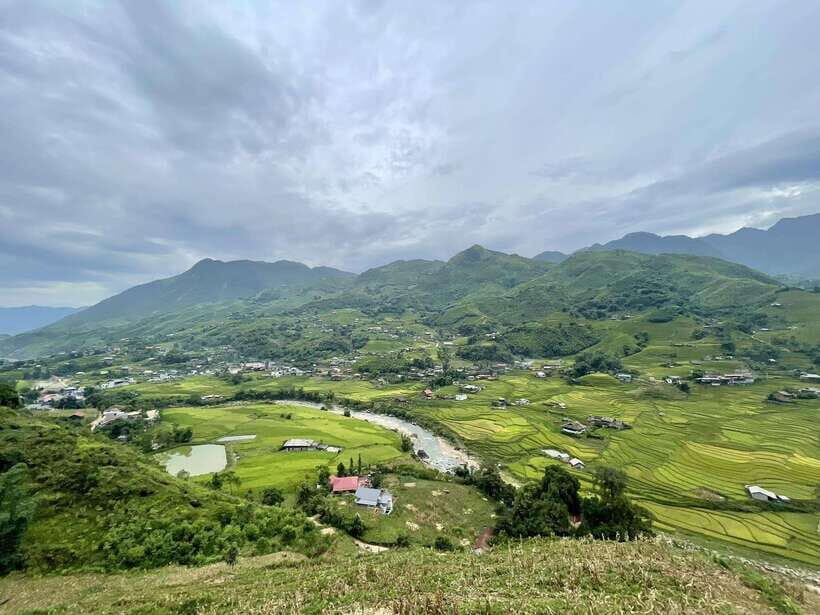
Your day begins at 01 Hoàng Văn Thụ St., right by Massage Lits (that’s also your meeting point). After pickup at your accommodation, you drive briefly, then you’ll go down about 2 km toward the Hmong village area on Cat Cát road. From the start, you’re not stuck in a single “cultural stop.” You’re gradually moving into the mountain environment.
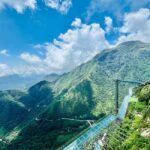
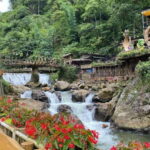
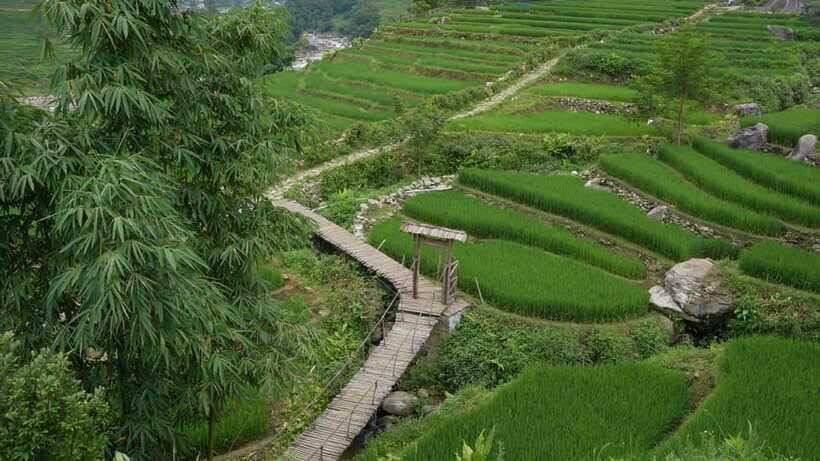
A key moment early on is reaching the hanging bridge over the Muong Hoa river. Even if you’re not afraid of heights, this is one of those spots where you’ll naturally slow down—wind off the river, the valley stretching out, and the sense that the route is real countryside, not just a scenic overlook.
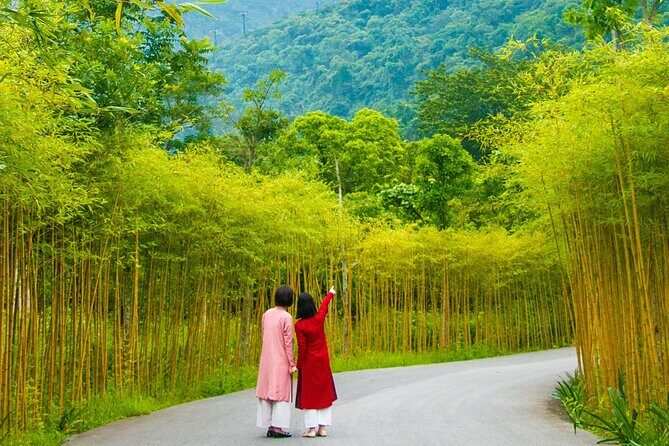
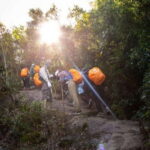
After the bridge, the trek continues uphill through a bamboo forest, which is both beautiful and practical. Bamboo shade can cool you off, and the forest section gives you a change of scenery before the more open rice-terrace views begin.
Y Linh Hồ rice terraces and Hoàng Liên Sơn views
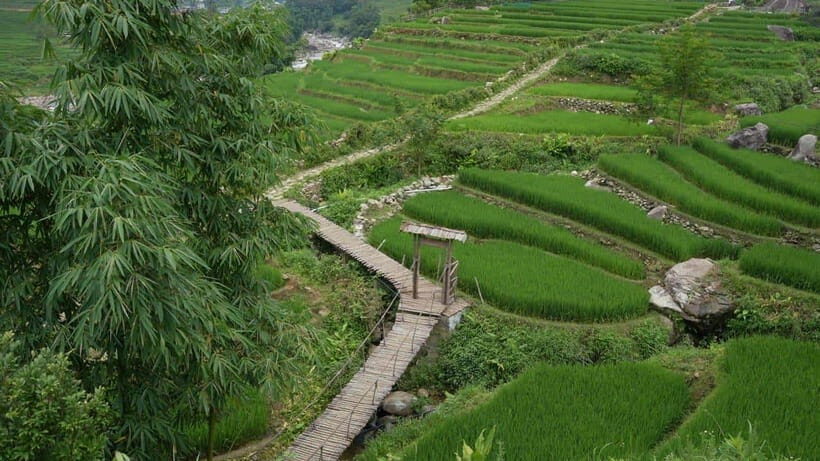
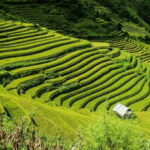
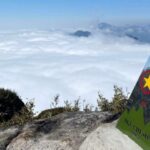
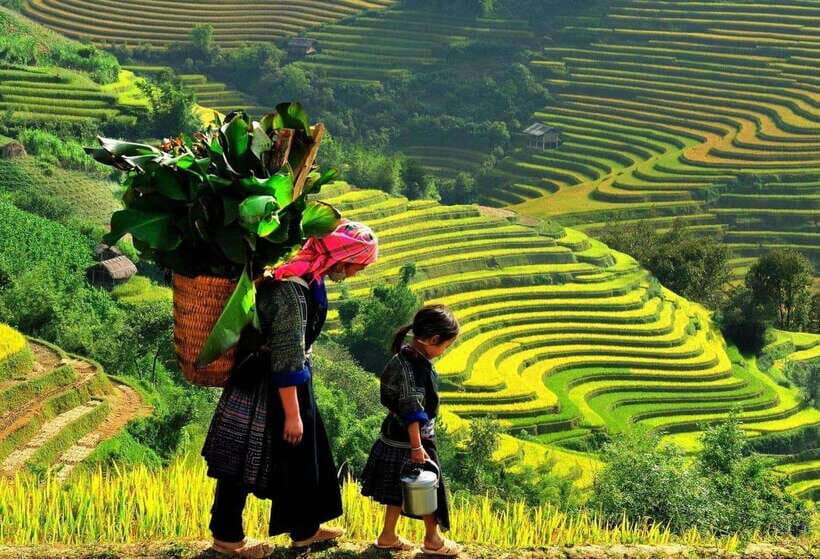
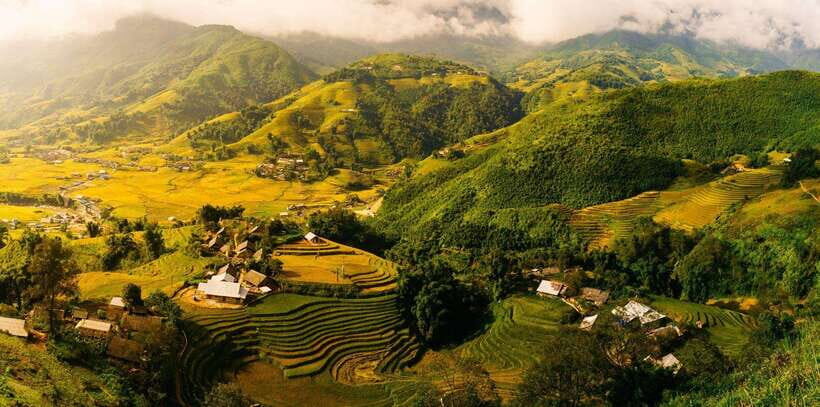
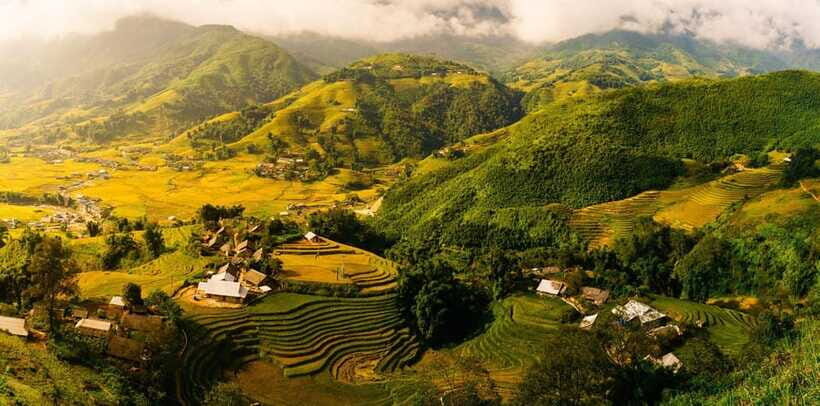
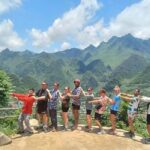
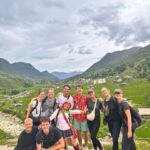
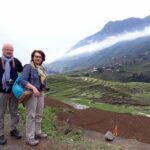
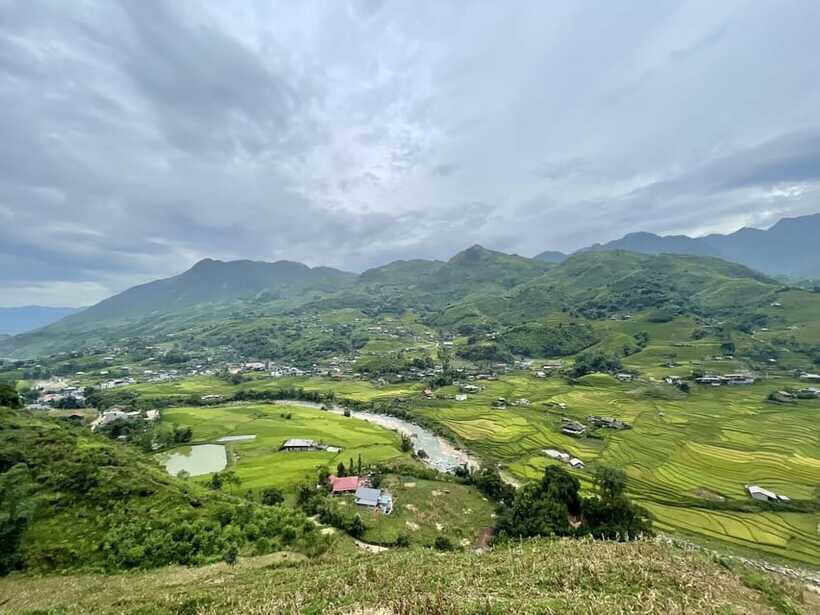
The main visual payoff starts when you reach the higher parts around Y Linh Hồ and the surrounding terrace areas. This is where you see the kind of rice terraces people come to Sapa for—layer after layer of paddies carved into mountain slopes. You’ll also get majestic mountain views on the Hoàng Liên Sơn side, which helps the walking feel worth it even when the path is uneven.
What makes this section work is pacing. You’re not just sprinting from one photo spot to the next. You get chances to stop, look, and take photos while the guide points out what’s going on in the scenery—how the terraces sit against the mountains and how the villages relate to the landscape.
Practical tip: if you’re visiting on a bright day, sunscreen and a hat are not optional. You’ll have sun exposure during open terrace sections, and the walking is constant enough that you’ll feel it in your legs even when the route is labeled easy.
Lunch with a Hmong family in a small traditional setting
Then comes the meal, and it’s one of the smartest parts of the day. Lunch is served at a small, traditional restaurant run by a local Hmong family in the Y Linh Hồ area. This is one of those inclusions that changes the feel of a trek: you’re not just passing through villages to check boxes, you’re slowing down and eating in the place where daily life happens.
The benefit isn’t only the food (which is consistently described as good). It’s the rhythm. A family-run lunch gives you a natural break from the walking, and it’s usually where the guide’s explanations land more naturally. When you’ve already seen village life nearby, the conversation at the table makes the day click.
If you’re picky about timing, note that lunch is built into the flow. It’s not late and it’s not rushed out of a lunch box. You’ll eat, rest your feet, and then continue to the next villages with more energy.
Lao Chai Black Hmong village: seeing ethnic life up close
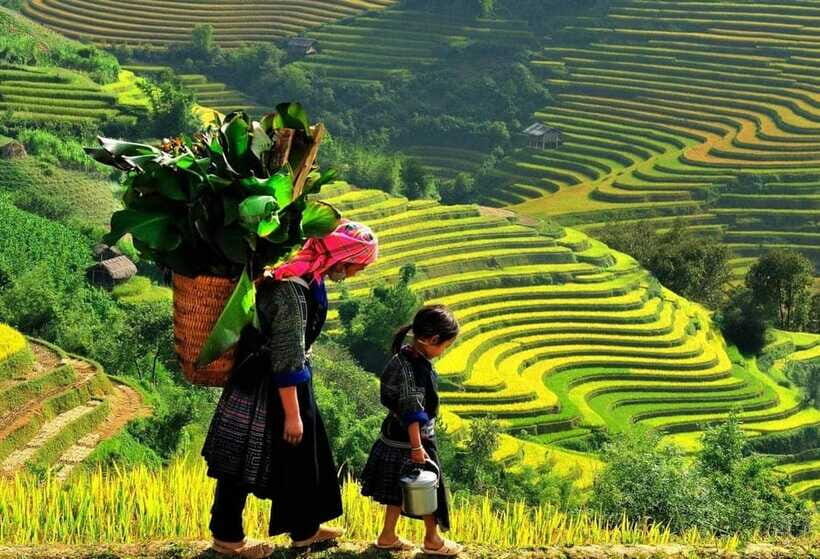
After lunch and a break, you’ll head to Lao Chai, known as a village of the Black Hmong. This is the part where the trek shifts from scenery-heavy to people-and-culture heavy. You’ll have a guided visit with time to walk around and take in what’s around you.
This is also where having an English-speaking guide matters most. The guide helps you understand the differences between the ethnic minority groups you meet during the day. That doesn’t mean you’ll memorize a textbook by the end. It means you’ll actually recognize why the villages feel different—how traditions and lifestyles show up in daily life and community patterns.
Photo tip: don’t spend all your time aiming your camera at outfits. Look for the rhythm of work and movement around the village areas—paths, small fields, how people interact with the setting. That’s usually what makes your photos look less like a snapshot and more like a story.
Ta Van Giay village and the group-learning moment
Next up is Ta Van, where you meet the Giay minority community. Like Lao Chai, this is a guided section with time to explore and pause. The day is set up so you’re comparing communities while your legs and eyes are still fresh—so the differences feel real instead of abstract.
One of the most praised aspects of this trek is the way guides bring these village visits to life. In past groups, guides like Mao and Su have been noted for friendly explanations, strong English, and patience on the trail. That kind of guidance helps you understand what you’re seeing without making it feel like a lecture.
If your goal is cultural understanding, keep your expectations grounded: you’re not living there overnight on this specific day format. But you are getting face-to-face contact and explanation in a short timeframe, which is a solid way to start when you only have a day in Sapa.
How to prep: shoes, sun, and the real talk about “easy”
Bring comfortable shoes first. The route includes hills and uneven ground, and at least one recent guest flagged that the trek can be more demanding than the easy label suggests. If it rains, paths can turn slippery, and you’ll want stable footing more than stylish footwear.
Next: sun protection. You’ll want a hat and sunscreen, plus water. You’re walking for hours, you’ll have open terrace exposure, and mountain sun can be stronger than you expect even when the air feels cool.
Also, be mindful of the small rules that keep the day smooth. No smoking and no alcoholic drinks in the vehicle. These are included in the activity notes for a reason: it keeps the group comfortable and the ride pleasant.
And yes, this is a “walking day,” so charge your smartphone for photos and to stay oriented. You’ll likely do plenty of stop-and-go photo time, especially near terraces and bridge viewpoints.
Price and logistics: why $20 can feel like a steal
Let’s talk value in plain terms. At $20 per person, you get:
- transportation to support the route
- an English-speaking guide
- lunch with a local family
What you don’t get is also clear: drinks aren’t included (so bring cash or plan accordingly). A visa isn’t covered either—though that’s not surprising for tours.
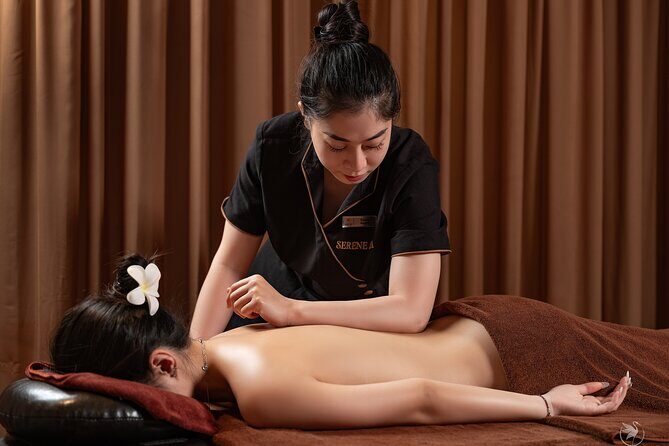
Then there’s a nice bonus built around the meeting point: after the trek, you receive a 20% discount for massage at Massage Lits, 01 Hoàng Văn Thụ. That’s smart value if your legs feel it—because after terrace walking, you usually want recovery, not another long evening plan.
The small-group format helps you get more attention from the guide too. With fewer people, you’re less likely to get lost in the shuffle at viewpoints or while crossing narrow village paths.
Who this trek suits (and who should skip it)
This is best for adults who can handle steady walking with some incline. It’s not suitable for:
- children under 10
- pregnant women
- people with back problems
- wheelchair users
- people over 80
- people with recent surgeries
- babies under 1 year
- people over 70 (also listed as not suitable)
If you’re between “fine walking” and “I get sore easily,” you can still do this—just be honest with yourself about your pace. The route is planned for a shorter day, but it still asks your feet and legs to work.
Also, if you’re heading into this expecting perfectly flat paths, you may feel surprised. The trail includes stairs, slopes, and changing ground. If that’s no problem for you, you’ll enjoy how varied the day feels—from bridge to bamboo forest to terrace views to village visits.
Should you book this easy trek in Sapa?
Book it if you want a day that mixes classic Sapa views with real village context, without spending days planning logistics. The $20 price is hard to beat when you factor in transport, English guidance, and a family-run lunch. I’d also book it if you like guided explanations—this route is set up so you learn as you go, not after the fact.
Skip it if you’re dealing with mobility limits, recent injury, or if you know you can’t handle uneven terrain. Also skip if “easy” in your mind means minimal climbing—because the slope factor is real, even when the tour is designed for comfort.
If you want, tell me your travel dates and your fitness level (and whether it’s been rainy lately), and I’ll help you decide if this day trek is the right match or if you should look for an easier alternative.
FAQ
Where does the tour start?
The meeting point is 01 Hoàng Văn Thụ St., at Massage Lits.
How long is the trek?
The total duration is about 7 hours.
What time does it end in Sapa?
The tour ends around 15:30 in Sapa town.
Is there an English-speaking guide?
Yes, the tour includes a live English-speaking guide.
What’s included in the price?
Transportation, an English-speaking guide, and lunch with locals are included.
What should I bring for the trek?
Bring comfortable shoes, a hat, comfortable breathable clothing, and a charged smartphone. It’s also smart to bring water and sunscreen.
Is the trek suitable for children or older adults?
It’s not suitable for children under 10 and it lists people over 70 (and over 80) as not suitable, along with several other health and mobility limits.
What extra benefit do I get after the trip?
You receive a 20% discount for massage at Massage Lits, 01 Hoàng Văn Thụ, after the trek.