REVIEW · SAPA
Highland Harmony Trek in Sapa
Book on Viator →Operated by Green Sapa Trekking · Bookable on Viator
That first downhill feels like exhale time.
The Highland Harmony Trek in Sapa strings together peaceful valley walks with real village encounters—from a start in Muong Hoa Valley to visits at Y Linh Ho, Lao Chai, and the quieter Ta Van village. I especially like the varied walking (river sections, terraced views, forest paths, and bamboo trails) and the way the day builds toward a calm ending. The one thing to weigh is the moderate fitness level for dirt paths, steep terrain, and some river crossings, so bring sensible shoes and don’t expect flat pavement.
If you want a day that feels thoughtful instead of rushed, this trek does that well.
You’re in a small group (max 10), led by local guides, and the route is built around slower moments: narrow paths above terraced fields, chats with Black H’mong and Giay villagers in their home environment, and a lunch that’s locally prepared rather than a show. My main caution: this experience depends on good weather, so if Sapa fog or rain rolls in, the plan can change.
In This Review
- Key Things I’d Book This For
- Where Highland Harmony Trek Fits in Your Sapa Day
- Your Walking Route: Muong Hoa Valley to Ta Van
- Stop 1: Muong Hoa Valley (gentle start, terraced drama)
- Stop 2: Y Linh Ho (Black H’mong village time)
- Stop 3: Lao Chai (bigger village, real farming life, lunch)
- Stop 4: Ta Van (Giay village, stilt houses, slower pace)
- Why the Village Interactions Matter More Than the Views
- Lunch in Lao Chai: When You Eat Changes the Day
- Pace, Timing, and Group Size (and What That Means for You)
- Price and Value: Is $29 a Good Deal?
- What to Expect at Each Stage (So You’re Not Guessing)
- Practical Tips That Make the Difference
- Who This Trek Suits Best
- Should You Book Highland Harmony Trek?
- FAQ
- Where does the trek start, and where do you return?
- What time does the trek begin?
- How long is the Highland Harmony Trek?
- What parts of the valley and villages are included?
- Is lunch included, and where do you eat?
- Do I need a certain fitness level or weather conditions?
Key Things I’d Book This For
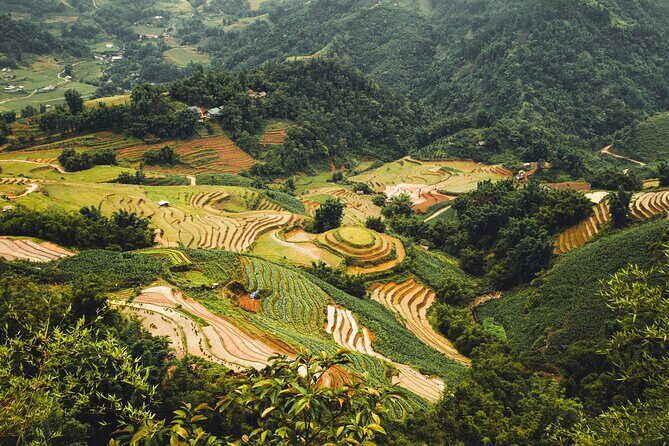
- Muong Hoa Valley views with gentle pacing: river walking in the morning, then terraced viewpoints and village paths.
- Story-heavy local guiding: H’mong language and traditions come with real examples, including indigo-blue dyeing.
- Lunch where people actually live: a locally prepared meal in Lao Chai with Black H’mong hospitality.
- Two ethnic communities, two different rhythms: Black H’mong villages (Y Linh Ho and Lao Chai) followed by Giay life in Ta Van.
- Small group size (up to 10): enough people for energy, small enough for questions.
- A calm finish in Ta Van: you end in a quieter valley village with stilt houses and fields all around.
Where Highland Harmony Trek Fits in Your Sapa Day
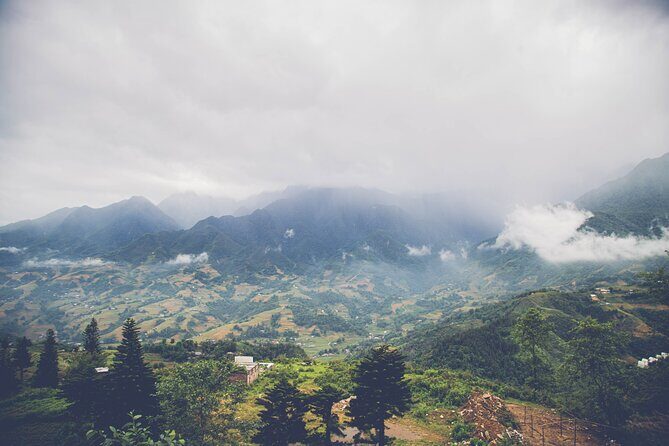
Sapa is famous for mountain views, but most people miss what makes the valley feel human: the farms, the paths, and the daily routines that sit right beside the scenery. This trek is built for that. You’re not just walking from viewpoint to viewpoint—you’re moving through the places where people grow rice, manage terraces, and maintain village traditions.
The route also has a nice rhythm: it starts with a gentle downhill into Muong Hoa Valley, then rises and folds through villages and field edges, and finally settles into Ta Van’s quieter mood. That means you’ll feel like you had a full day without it turning into a slog.
And because it’s run by Green Sapa Trekking with small groups, you’re likely to get more conversation and fewer “follow the leader” moments. That difference matters when you actually want to understand what you’re seeing.
You can also read our reviews of more hiking tours in Sapa


Your Walking Route: Muong Hoa Valley to Ta Van
This is a full-day trek of about 6 to 9 hours, starting at 8:30 am. You’ll meet at Green Sapa Homestay (3-1 Nguyễn Chí Thanh, TT. Sa Pa, Sa Pa, Lào Cai 31752). After the trek, you’ll hop back into a vehicle and return to the same meeting point, so you don’t have to solve the “how do we get home” puzzle while tired.
Stop 1: Muong Hoa Valley (gentle start, terraced drama)
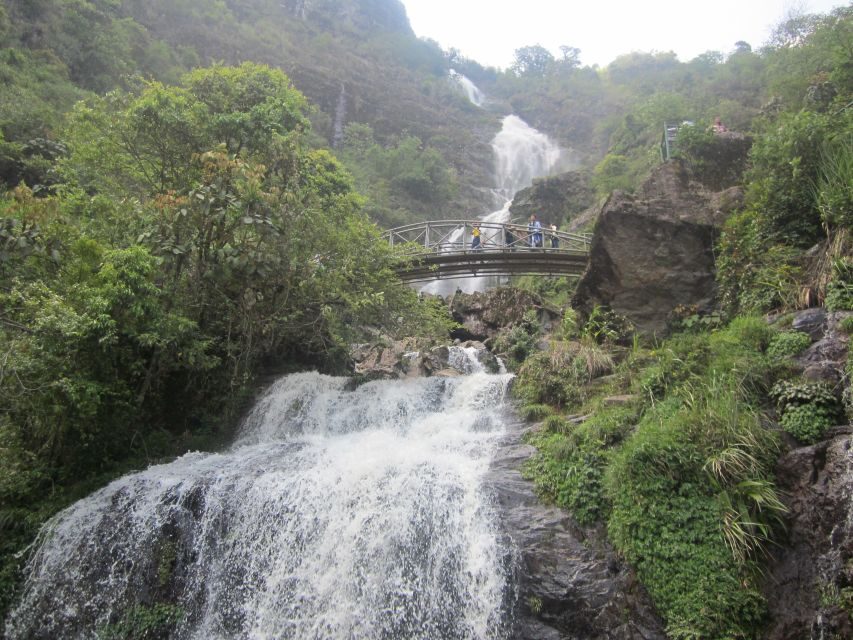
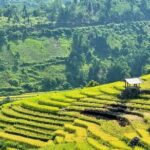
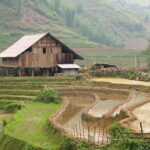
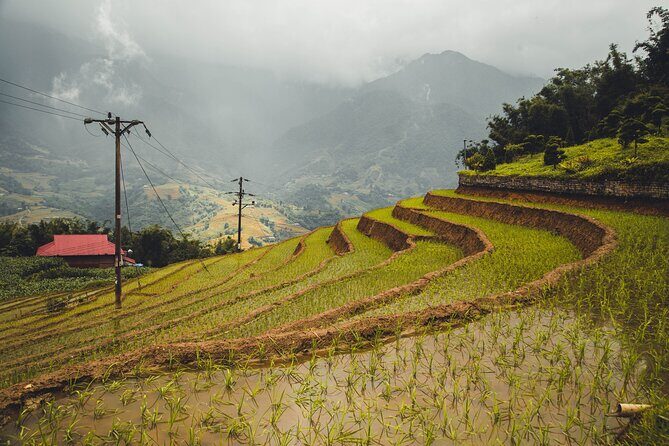
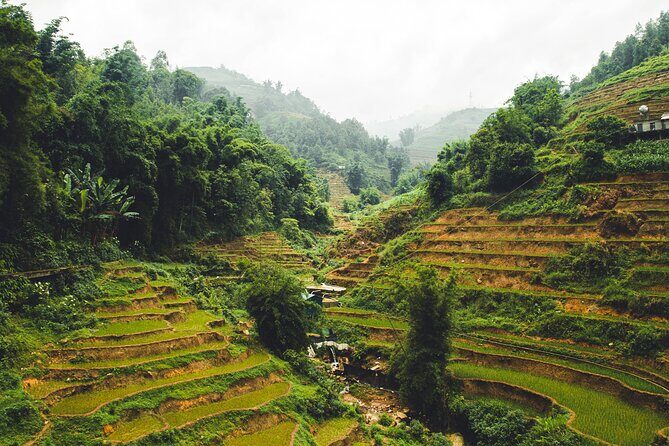
You begin with about an hour descending into Muong Hoa Valley. This part is designed to get your legs working without hitting you with maximum effort right away. Stone paths wind through steep terraced hills, and you’ll spot quiet Black H’mong villages tucked into the folds of the valley.
Look for the way the terraces step down the slopes. It’s not just pretty—those rice fields are the reason these villages feel “layered” from every angle. If you like photos, this section gives you plenty. If you prefer calm, it also has that peaceful, early-day feeling where you can slow down and watch daily life.
Stop 2: Y Linh Ho (Black H’mong village time)
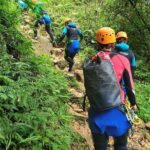
Next you head to Y Linh Ho, a small Black H’mong village above Muong Hoa Valley. Here, you’ll walk narrow dirt paths along steep terrain, which can feel a bit airy when you look down at the terraces.
This is a great stop if you enjoy meeting people where they actually live. You’ll get authentic interactions in the village environment, not a staged performance. The good guides in this area tend to explain the everyday meaning behind what you see—clothing details, village routines, and how people live with the land.
Stop 3: Lao Chai (bigger village, real farming life, lunch)
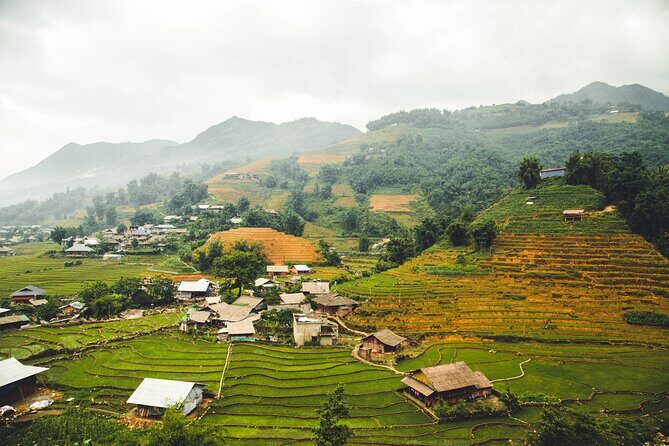
Then comes Lao Chai, a larger Black H’mong village in the heart of the valley. As you arrive, you’re greeted by sweeping views of terraced fields plus the hum of village daily life.
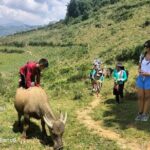
This is also where the day turns into a more “human scale” experience. You’ll spend time on the village trail, and the walk opens up opportunities for conversation with local guides and villagers. Many visitors remember Lao Chai as a highlight because it feels lived-in, not curated for tourists.
And yes—this is lunch territory. You’ll enjoy a locally prepared meal in Lao Chai, often described as delicious and warm in tone. It’s the kind of lunch that makes you feel like you paused your sightseeing and started joining the day.

Stop 4: Ta Van (Giay village, stilt houses, slower pace)
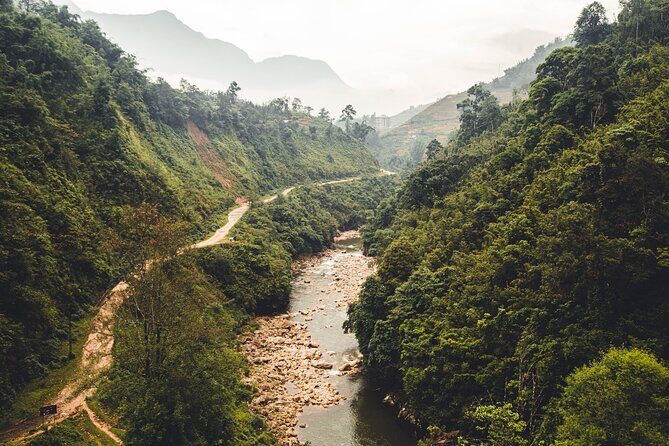
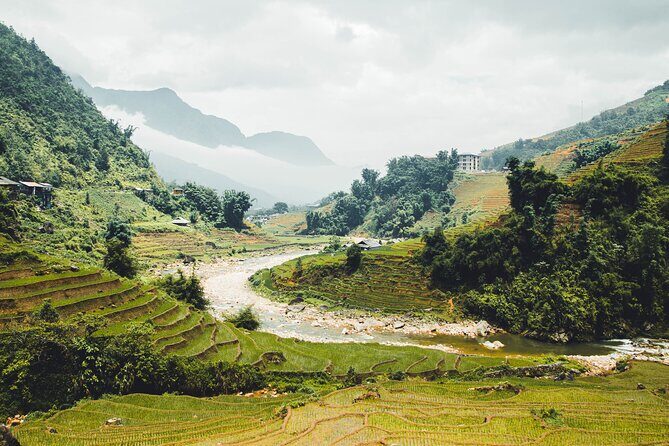
After trekking through terraced landscapes and doing some river crossings, you reach Ta Van Village, home to the Giay ethnic group. Ta Van tends to feel calmer and more open, with stilt houses lining the valley floor and lush fields stretching out around you.
This last stop is important because it changes the mood. If the earlier parts feel energetic—walking, viewpoints, village explanations—Ta Van slows things down. It’s a nice finish for people who want the day to end quietly, not with one last sprint to see more.
Why the Village Interactions Matter More Than the Views
Sapa’s scenery is famous for a reason, but the value here is what sits next to it: culture you can ask about, not just look at.
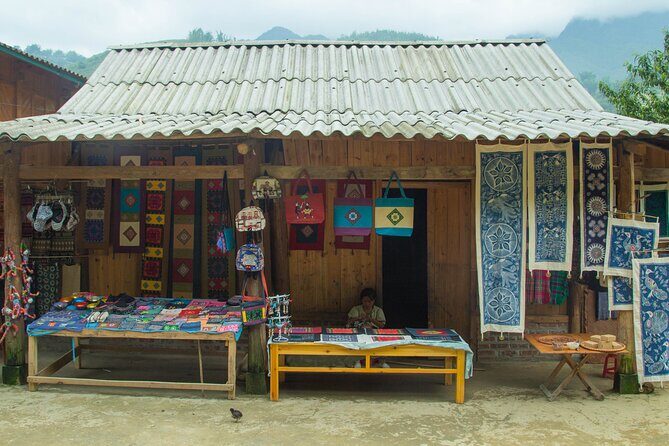
In particular, the most praised moments in this trek tend to come from the guide’s stories about H’mong life—how people communicate, what traditions look like day to day, and how farming fits the terrace system. One very specific detail people talk about is the indigo-blue dyeing process, including clothing dye techniques. That kind of explanation makes the visuals click. Suddenly, what looked like just color and pattern becomes a set of choices, labor, and meaning.
You’ll also feel the difference between villages. Y Linh Ho and Lao Chai are Black H’mong communities, while Ta Van is Giay. Even if you don’t memorize every term, you can still sense different rhythms—where people build, how families use space, and how daily routines play out around fields and paths.
Just remember: this is an interaction-focused day, so be respectful. Keep your questions kind. Ask before taking close photos. And assume villagers are busy unless someone tells you otherwise.
Lunch in Lao Chai: When You Eat Changes the Day
Lunch is one of those travel details that can either be an afterthought or a real part of the experience. Here, it’s the second option.
You’ll eat a locally prepared lunch in Lao Chai, with a Black H’mong family. The way people describe it is simple: it tastes good, it feels authentic, and it doesn’t come off as a tourist setup. Several visitors highlight how warm the hosts were—like you’re being treated as a guest, not a ticket number.
For you, that means you’ll get a break that also adds context. After walking past terraces and seeing daily life, you sit down and taste something made for that setting. It’s one of the easiest ways to turn a “pretty walk” into a “real day.”
Pace, Timing, and Group Size (and What That Means for You)
The trek runs about 6 to 9 hours, which is long enough for a true full-day effect but not so long that you’ll spend the whole time thinking about your feet.
The walk is described as easy to follow with a moderate fitness level. In practice, that usually translates to: you’ll be fine if you’re comfortable walking on dirt paths and you don’t mind some steep sections. Reviews also suggest it can work for beginners, especially because the route direction is clear and the pace is relaxed.
Group size matters. With a maximum of 10 travelers, you’re less likely to feel like a moving crowd. You’ll also have better odds of asking questions during village stops and getting answers in plain terms from your local guide.
The start time—8:30 am—is also a practical detail. It means you’ll be out early while the valley is calmer, and you’re less likely to get hit with the mid-day heat (or the late-morning fog that can swallow views).
Price and Value: Is $29 a Good Deal?
At $29 per person, this trek is priced like a budget-friendly Sapa day, but the real question is whether you’re paying for value beyond a scenic walk.
Here’s what you’re actually getting for the money:
- A full-day route across multiple villages (Y Linh Ho, Lao Chai, Ta Van), not one highlight.
- A locally prepared lunch in Lao Chai.
- A small group experience (up to 10) with local guiding.
- A mobile ticket for convenience.
- A pickup/return loop to Green Sapa Homestay, so you’re not stitching together transport mid-trek.
If your goal is only to see one area and then go back, you might find cheaper tours. But if you want the blend of walking + culture + a real meal, $29 starts to look like a fair price. It also helps that reviews consistently rate it highly, with people calling out the authenticity and the guide stories.
What to Expect at Each Stage (So You’re Not Guessing)
Sapa treks are rarely “mystery meat,” but you still need a few expectations set.
You can expect:
- Early valley walking with terraces and village views in Muong Hoa Valley.
- Narrow paths and steep terrain during village transitions, especially around Y Linh Ho.
- More open moments and village time in Lao Chai.
- A calmer finish in Ta Van with stilt houses and field views.
- Some river crossings, so you’ll want shoes with traction and socks you won’t mind getting damp.
You might also hear explanations about H’mong customs and daily life on the go. The best guides make these walks feel like a lesson you can walk through, not a lecture you endure.
Practical Tips That Make the Difference
A few small choices can turn a good trek into a smoother one.
- Wear solid shoes with grip. Dirt paths plus river crossings are not the time for smooth soles.
- Bring a light rain layer even if the morning looks okay. The experience depends on good weather, so conditions can change fast.
- Pack smart for village stops: keep hands free and avoid fumbling around with big bags on narrow paths.
- Ask about what you’re seeing. If your guide mentions indigo-blue dyeing or farming techniques, it’s a great cue to ask how the process works.
- Go easy on expectations for speed. The route is built to feel un-rushed, and that’s part of why people love it.
Who This Trek Suits Best
This trek is a strong match if you want:
- A culture-forward day in Sapa, not just photos.
- A walk that feels gentle-to-moderate rather than extreme.
- Time to talk with locals and learn why terrace life looks the way it does.
- A day that ends quietly in Ta Van, instead of rushing through one last stop.
It may be less ideal if you’re chasing a very intense workout, or if you have limitations that make uneven dirt paths and moderate steps hard.
Should You Book Highland Harmony Trek?
I’d book it if your ideal Sapa day is a mix of walking, learning, and a real meal with local people. The best thing about this trek is that it doesn’t feel like a checklist. The pacing gives you time to notice details—terraces, dye traditions, village life—without feeling yanked along.
Also, at $29 with a max of 10 people and lunch included, it’s one of those deals where the value comes from how the day is structured, not just the price tag. Just go in with realistic expectations: bring good shoes, be ready for moderate terrain, and keep an eye on the weather.
If that sounds like your kind of day in Sapa, Highland Harmony Trek is an easy yes.
FAQ
Where does the trek start, and where do you return?
The tour starts at Green Sapa Homestay (3-1 Nguyễn Chí Thanh, TT. Sa Pa, Sa Pa, Lào Cai 31752, Vietnam). It ends back at the same meeting point, with a vehicle picking you up for the return.
What time does the trek begin?
The start time is 8:30 am.
How long is the Highland Harmony Trek?
The duration is listed as 6 to 9 hours (approximately).
What parts of the valley and villages are included?
You’ll walk through Muong Hoa Valley, visit Y Linh Ho, continue to Lao Chai, and finish at Ta Van Village. A vehicle then returns you back to Sapa.
Is lunch included, and where do you eat?
Yes. You’ll have a locally prepared lunch in Lao Chai.
Do I need a certain fitness level or weather conditions?
You should have moderate physical fitness for the trek. The experience also requires good weather; if it’s canceled due to poor weather, you’ll be offered a different date or a full refund.