REVIEW · SAPA
Daily Tour: Sapa Trekking in Muong Hoa valley, Bamboo forest
Book on Viator →Operated by Vietnam Nomad Trails · Bookable on Viator
Muong Hoa Valley rewards effort fast. This 5-hour trek is a smart way to see Sapa beyond town, with a guided route through local villages and some of the best scenery the area has to offer. I especially liked the mix of big views and real village life you pass through, not just a walk for photos. The main catch is the trail can get muddy and slippery after rain, so you’ll want proper shoes and you should be ready for a bit of a challenge.
Two things really make this tour work: the small group size (up to 14) and the guide’s ability to point out what’s around you—people, plants, and daily life. One possible drawback: it’s not a flat stroll. You should have a moderate fitness level and be comfortable walking on uneven paths for a few hours.
In This Review
- Key things that make this trek worth it
- Muong Hoa Valley: Why This Trek Feels Like a Shortcut to the Scenery
- Pickup, Pace, and the Small-Group Advantage (Up to 14)
- Lao Chai to Ta Van: What You’ll Actually Do on the First Stretch
- Ta Van Lunch: The Meal Stop That Often Becomes the Memory
- Giang Ta Chai and the Return: Turning View Time into a Smooth Finish
- What to Pack for Sa Pa Trekking When the Weather Turns
- Price and Value: $29.90 for a Guided Half-Day with Lunch
- Who This Tour Fits Best (and Who Might Feel It’s Too Much)
- Final Take: Should You Book This Muong Hoa Trek?
- FAQ
- How long is the Sapa trekking tour in Muong Hoa Valley?
- What’s the starting point and start time?
- Is hotel pickup included?
- What’s included in the price?
- What should I bring for the trek?
- Is the trek suitable for beginners?
Key things that make this trek worth it
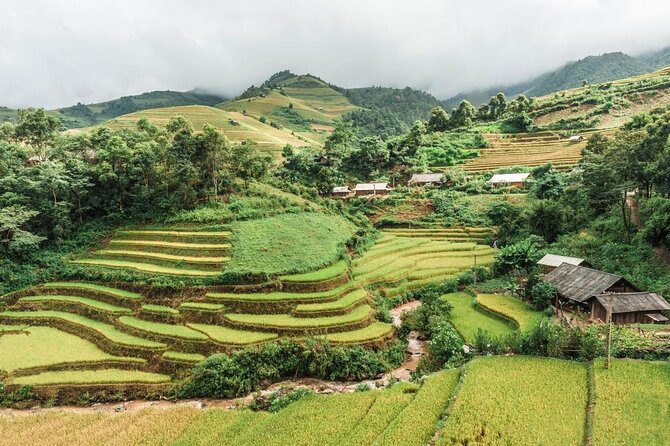
- Muong Hoa Valley views you get along the walk, not only at the end
- Small-group format (max 14) so the guide can actually help and keep things organized
- English-speaking guide who shares practical local context as you go
- Lunch in Ta Van included, with a meal that’s often the highlight of the day
- Hotel pickup and drop-off that keeps the morning low-stress
Muong Hoa Valley: Why This Trek Feels Like a Shortcut to the Scenery
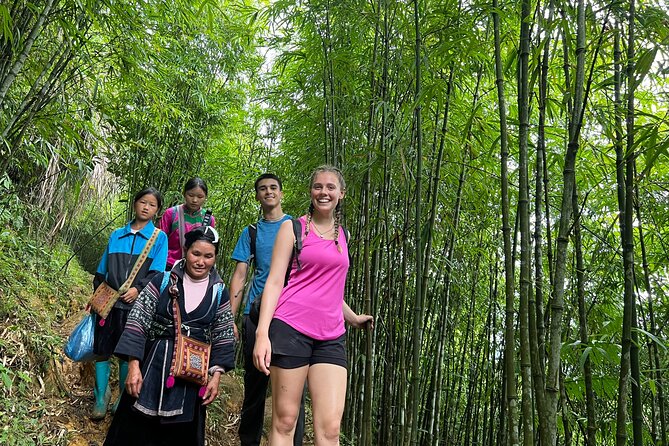
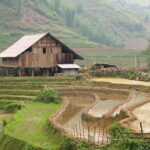
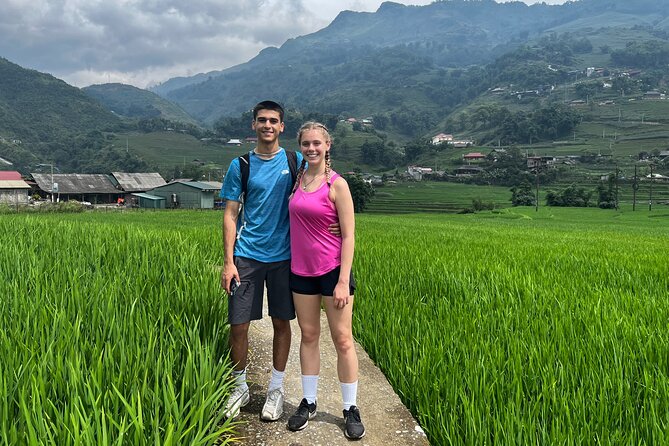
Sapa is famous for views, but you still have to earn them. This trek gives you that classic Muong Hoa Valley look while you’re moving through the region’s village areas. You’re not stuck in one spot waiting for perfect light. You’re walking through the same kind of terrain locals navigate, and that makes the whole day feel more grounded.
The route is also a good “first exposure” option. If you’re new to Sapa and want to understand what people mean when they talk about Muong Hoa Valley, you get a quick sense of how the villages sit in the hills and how the valley shapes daily life.
The overall vibe is active but not extreme. You should think steady walking, occasional viewpoints, and lots of chances to ask questions.
You can also read our reviews of more tours and experiences in Sapa.


Pickup, Pace, and the Small-Group Advantage (Up to 14)
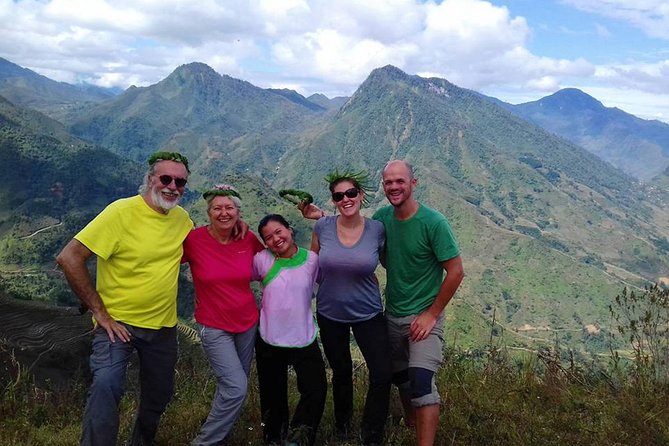
The morning is designed to run clean. You start at 9:00 am, and you’ll meet at Sapa Church in central Sapa (P. Hàm Rồng, TT. Sa Pa). You should arrive about 15 minutes early so the group can check in and roll out on time.
Pickup is offered, either from the Sapa center area or from the operator’s office at 013 Tue Tinh str. At the end, you return by bus back to Sapa, and the tour finishes back at the meeting point.
Why this matters: a lot of Sapa experiences start with a scramble—finding transport, negotiating routes, trying to match timing. Here, the day is handled for you. That means you can focus on the trek, the villages, and the views.
The small group limit (14 people max) also changes the feel. With fewer people, it’s easier to keep together, and the guide can slow down for questions or help when the trail gets rough.
Lao Chai to Ta Van: What You’ll Actually Do on the First Stretch
After pickup, you set out trekking toward Lao Chai village. This is the part where the day starts paying off. You’re moving away from town and into the valley’s rural rhythm, and you’ll notice how quickly the scenery expands as elevation changes.
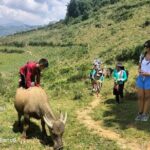
From what you’ll experience on the ground, this is also where the guide’s explanations can make a big difference. People often remember the walk, but the better moments are the ones you understand: how locals live in hillside areas, what different village settings are like, and the practical details behind daily routines. Expect the guide to share information about plants and culture along the way.
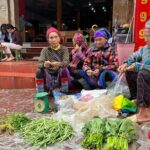
Then you reach Ta Van for lunch. Ta Van is a key stop because it breaks up the trek with a real, human pace. You’re not just eating somewhere scenic—you’re spending time in a village setting where life is part of the experience, not an attraction set up for tourists.
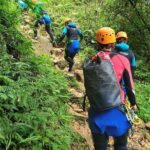
Practical note: your pace will be steady and guided. If it has rained the night before, expect muddy sections. That’s not a deal-breaker, but it is a reason to bring shoes with real grip.
Ta Van Lunch: The Meal Stop That Often Becomes the Memory
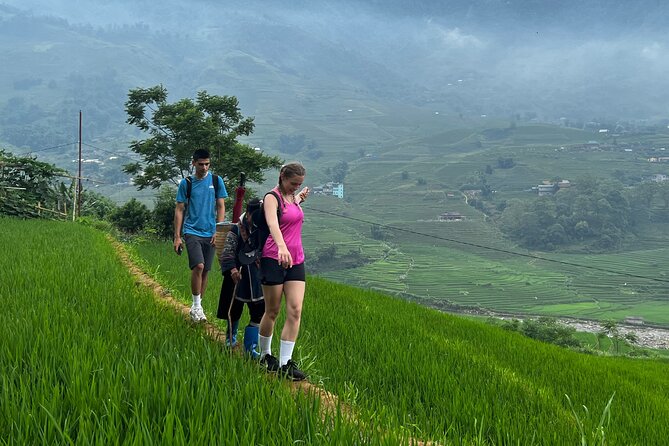
Lunch is included, and it’s served while you’re in Ta Van village. For a half-day tour, this is a surprisingly meaningful inclusion. You get a proper break, and you also get a chance to see village hospitality firsthand.
One strong point from experience reports is that the lunch can be delicious—often described as a meal at a homestay. I’d treat lunch here as more than fuel. It’s part of the cultural exchange and a pause that makes the rest of the trek feel easier.
If you have dietary requirements, tell the operator when you book. That’s specifically requested, and it’s smart to handle it early rather than hoping for changes on the day.
Also, remember beverages aren’t included. You’ll have mineral water and bottled water, but if you want soda, tea, or other drinks, plan to pay for those separately.
Giang Ta Chai and the Return: Turning View Time into a Smooth Finish
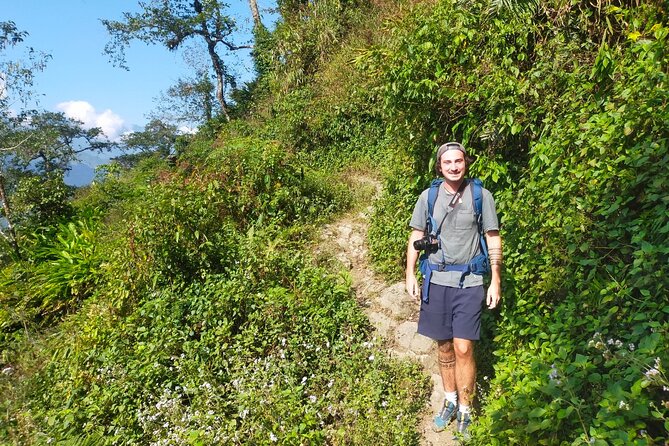
After lunch, the route continues toward Giang Ta Chai. This stretch is where the valley views tend to stay on your mind. Even if you don’t chase every photo angle, you’ll still be looking out over terraced hills and the valley’s sweeping shapes.
Then comes the practical payoff: pickup and travel back to Sapa. Instead of turning the trek into a long loop on foot, you get back via bus to the city and finish near where you started.
That structure matters because it helps you end the day without exhaustion overload. You get the trek experience, then you get your day back—shower, cold drink, street snacks, whatever you feel like doing next.



What to Pack for Sa Pa Trekking When the Weather Turns
Sa Pa weather can be unpredictable. The tour specifically recommends warm clothes from October to March, so if you’re visiting during the cooler season, dress for chill and wind, not just for daytime sun.
You should also pack for trail conditions:
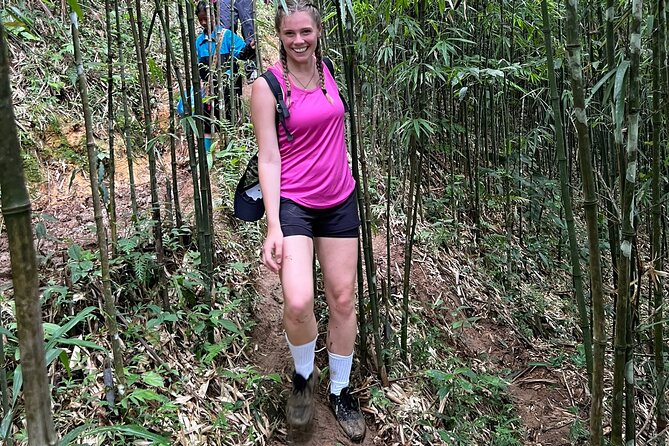
- Trekking shoes with grip (this is your #1 item, especially after rain)
- Sunglasses
- Sunscreen
- Insect repellent
- A mindset that mud can happen, and you just deal with it
I also like to bring a small bag for essentials (sunscreen, repellent, a light layer) so you’re not rummaging during pauses. The trail can involve uneven ground, and small distractions slow you down.
And one more thing: respect local culture. It’s not complicated. Just be mindful, follow your guide’s cues, and remember you’re passing through someone’s home area—not a theme park.
Price and Value: $29.90 for a Guided Half-Day with Lunch
$29.90 per person sounds almost too good for a guided trek with lunch and pickup. The value comes from how many pieces are bundled together:
- English-speaking tour guide
- Lunch
- Mineral water and bottled water
- Pickup and drop-off support plus a bus back to Sa Pa
- Admission ticket included as part of the activity
For a 5-hour outing, that’s a strong package, especially if you’re trying to keep your trip costs predictable.
What’s not included also matters for planning:
- Beverages beyond the provided water
- Travel insurance
- VAT
- Personal expenses
My advice: budget a little extra for drinks and any small purchases you might want in town afterward. If you’re the type who hates last-minute costs, check what you drink during breaks so you aren’t surprised later.
Who This Tour Fits Best (and Who Might Feel It’s Too Much)
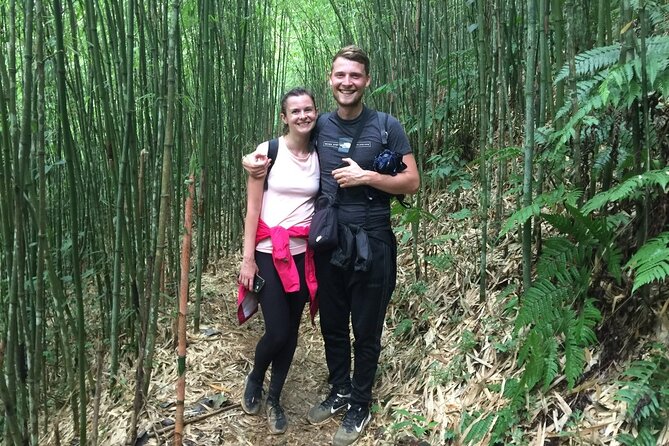
This is a great match for:
- First-time visitors who want an intro route into Muong Hoa Valley
- People who like learning from a guide while walking
- Travelers who prefer small groups and organized pacing
- Anyone who wants village culture plus viewpoints, without planning a route alone
It may be less ideal if you:
- Want an entirely flat, easy stroll
- Have mobility concerns that make uneven ground a problem
- Are going during bad weather and hate mud (rain doesn’t always cancel, but it changes the trail)
The tour asks for moderate physical fitness. That’s a fair label. You don’t need to be a mountain athlete. You do need to be comfortable walking on uneven paths for a few hours.
Final Take: Should You Book This Muong Hoa Trek?
Yes, I think it’s an easy decision if your goal is a guided, beginner-friendly introduction to Muong Hoa Valley. The strongest reasons to book are the combination of views, a real village lunch in Ta Van, and the fact that the day is handled end-to-end with pickup support and a return bus.
A couple smart tips before you confirm:
- Bring the right shoes. Mud is the one thing that can turn a fun walk into a stressful one.
- If your group is small, your pace can feel more personal. Even when it’s not just one group, the limit of 14 helps keep things calm.
- Have a few small notes ready if you want to thank people who helped you along the way—guides and local assistants can make a big difference when footing is tricky.
If you want Sapa to feel organized, learn something real, and still get rewarded with those valley views, this trek is a solid buy.
FAQ
How long is the Sapa trekking tour in Muong Hoa Valley?
The tour runs for about 5 hours.
What’s the starting point and start time?
You’ll start at 9:00 am at Sapa Church (P. Hàm Rồng, TT. Sa Pa, Sa Pa, Lào Cai).
Is hotel pickup included?
Pickup is offered from the Sapa center or from the operator’s office at 013 Tue Tinh str.
What’s included in the price?
The tour includes an English-speaking guide, lunch, mineral water/bottled water, bus back to Sa Pa, and admission tickets.
What should I bring for the trek?
Bring trekking shoes, sunglasses, sun cream, and insect repellent. Warm clothes are recommended for Sa Pa from October to March.
Is the trek suitable for beginners?
It’s described as requiring moderate physical fitness, and it’s designed as an introduction for first-time visitors. If you’re comfortable with uneven walking, you should be fine.