REVIEW · SAPA
The best view and most authentic tour in Sapa (Non Touristy)
Book on Viator →Operated by Sapa Original Trek · Bookable on Viator
Soft sunset, real villages.
This Sapa experience mixes a peaceful valley walk through minority areas with Cai River sunset paddleboarding, so you get both mountain trails and river views in one day. I like that it’s run like a small-group outing (not a cattle-car parade), and the guides named Mo and Toa are praised for making village life click fast with clear, practical explanations.
Two things I especially like: you’re not lugging gear—paddleboards are provided and bottled water is included—plus you get a proper lunch during the day instead of just snacks and vibes. The one drawback to keep in mind is the pace: it’s listed for people with moderate physical fitness, and you’ll be walking on uneven trails for several hours.
In This Review
- Why This Feels Truly Non-Touristy in Sapa
- The Trek Through Hmong Fields: Giang Cha and Indigo Traditions
- What to watch for on this section
- Suoi Thau Village and the Dzao Hill Views Toward Ta Phin
- Cai River Paddleboarding at Sunset: Gear Provided, Calm Vibes
- Price and Logistics: What $52 Gets You (and Why It’s Fair)
- Group Size Feel: Easy Meeting, Local Timing, and Real Pacing
- What You’ll Be Doing, Step by Step (with What Each Part Gives You)
- Who Should Book This Tour—and Who Might Prefer Something Else
- Should You Book This Sapa Paddle-and-Village Day?
- FAQ
- What time does the tour start?
- How long is the tour?
- Where does the tour end?
- Is this a small group tour or private?
- Is a guide included, and what language do they speak?
- What’s included in the price?
- Are paddleboards provided?
- Is bottled water included?
- What isn’t included?
- Can I cancel for free?
- Is there mobile ticketing?
Why This Feels Truly Non-Touristy in Sapa
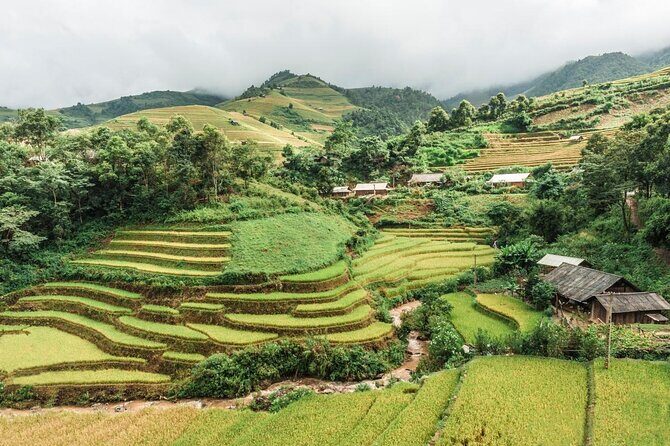
Sapa can be a place where you do the same circuit as everyone else. This tour leans the other way. You start the day early (8:30 am) and then head out by car to the villages and trails that sit beyond the obvious viewpoint stops.
The route is built for variety without being chaotic. You move from rice paddies into terraces, then into bamboo areas, then uphill toward village viewpoints. And later, you switch gears from trekking boots to time on the river.
A key detail that makes it feel authentic is how the day is framed around daily life: hemp and indigo weaving, farming work, homes, and routines. You’re not just passing a spot for a photo and moving on.
The Trek Through Hmong Fields: Giang Cha and Indigo Traditions
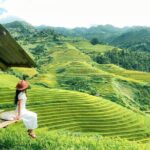
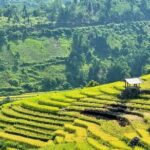
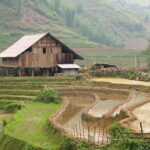
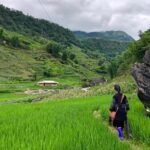
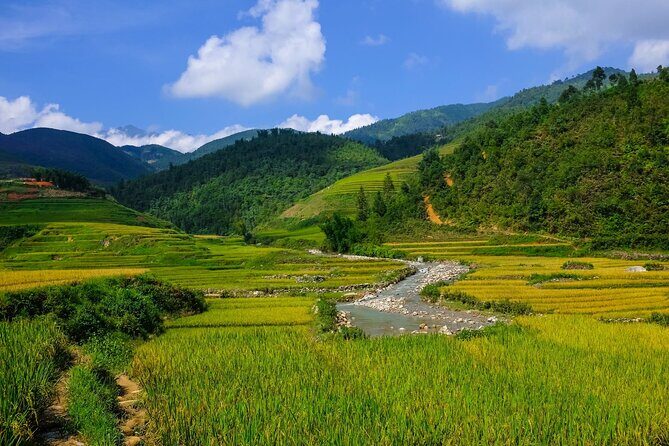
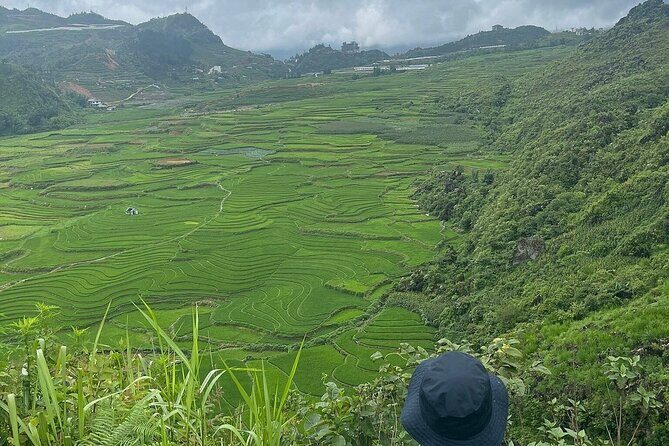
The trek begins with a car ride to Giang Cha village, home to the Hmong ethnic people. Expect rice paddy fields early in the day, with that slow, working-land feeling you get when people are already busy before the big tourist groups arrive.
This stop isn’t just scenery. You learn that local weavers work with hemp and indigo, using traditional techniques to craft tribal costumes. That matters because it gives context for what you see later in the day—clothing isn’t treated like a souvenir. It’s tied to craft, time, and skill.
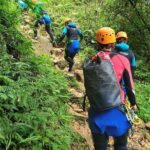
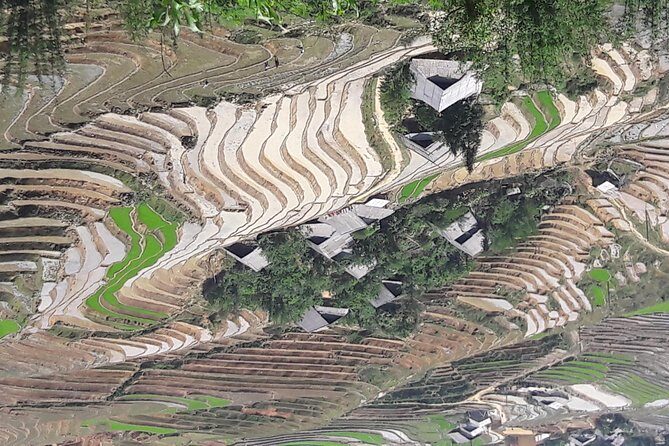
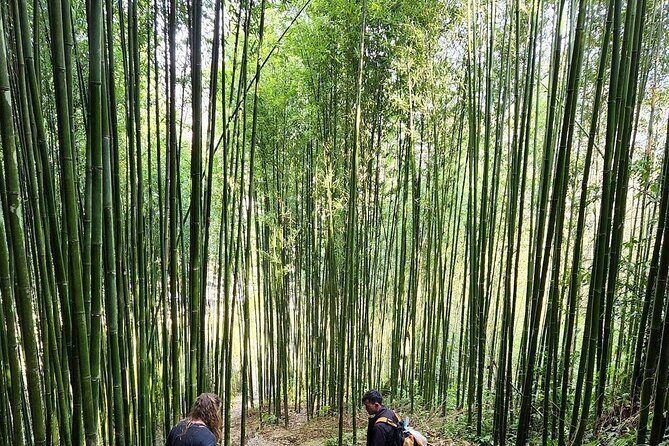
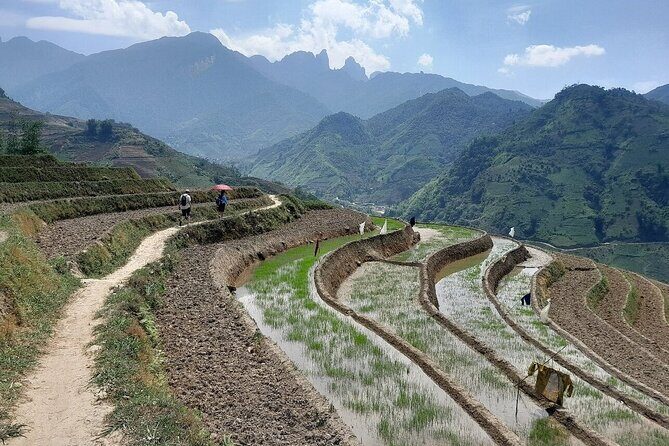
From there, the walking turns into a gentle education in how the valleys are farmed. You’ll cross corn and rice terraces, then move into bamboo jungle with long views back over the valley. The point here isn’t speed. It’s keeping your attention on the trail and what surrounds it.
You can also read our reviews of more tours and experiences in Sapa.

What to watch for on this section
- Terraces and paths can be uneven, so keep your eyes on your footing.
- If you want photos, you’ll still get them, but the best angles tend to come when you pause, not when you rush.
Suoi Thau Village and the Dzao Hill Views Toward Ta Phin
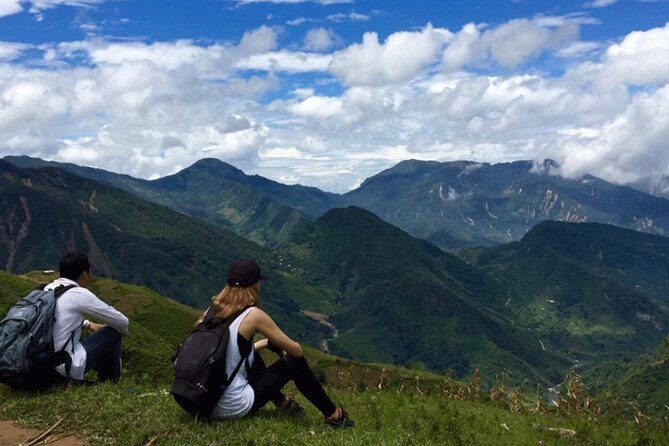
Next comes the uphill part. The trek continues to Suoi Thau village of the Dzao ethnic people. This shift is important: you’re not just changing scenery, you’re changing community and perspective within the same valley area.
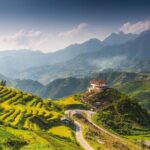
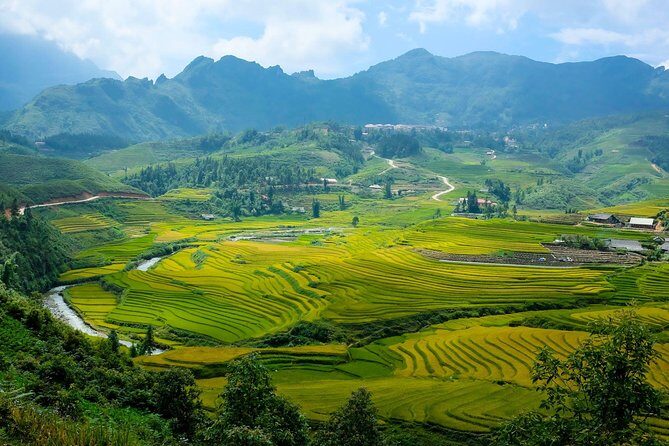
Once you’re up there, the payoff is the panorama toward Ta Phin valley. That viewpoint moment is one of the reasons this tour holds a strong reputation. It’s the kind of view that makes the morning walking feel worth it—no gimmicks, just a wide, open space where you can see how the area is arranged.
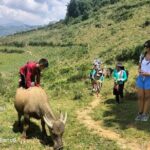
The day also includes visits to local homes and the chance to explore daily life. That’s where guides add real value. In particular, Mo and Toa are both praised for tying small details you notice—how people live, work, and relate to the land—into a bigger picture you can actually understand.
And yes, the tour is described as visiting three minority villages. The names we have here include Giang Cha and Suoi Thau, with additional village stops along the route. The exact third location isn’t detailed in your provided info, but you should expect more than one village encounter, not just one quick stop.
Cai River Paddleboarding at Sunset: Gear Provided, Calm Vibes
After the trekking portion, you shift to the Cai River for paddleboarding. The key phrase here is sunset. It’s not just a nice time of day—it’s when the river light softens, and the whole experience turns slower and easier to enjoy.
Good news: you don’t have to worry about finding and hauling equipment. The tour says paddleboards are provided for you, which keeps costs down and makes this a doable day even if you’re traveling light.
This is also described as friendly for different skill levels. Beginners get a lesson when needed, then once you’re comfortable, you can explore more on your own. That’s a smart way to structure things: you don’t feel trapped in a group lesson the whole time, and you also don’t get thrown into a situation that’s above your comfort level.
Bottled water is included, and the day is designed to help you stay hydrated while you’re out moving and being in the sun.
Price and Logistics: What $52 Gets You (and Why It’s Fair)
The price is $52 per person, and the tour is booked about 57 days in advance on average. That timing detail matters: if you’re traveling in peak season, booking earlier can help you lock in the day you want.
Here’s what makes the pricing feel reasonable based on what’s included:
- Lunch is included.
- You get an English-speaking guide.
- Transport by car is included following the program.
- Entrance fees are included.
- 1 liter of water per person is included, plus bottled water is mentioned in the overview.
- Paddleboards are provided.
That combo is the big value story. Many tours in Sapa will charge you for guiding, transport, and basic meals separately. This one bundles them together. You’re basically paying for an all-day guided experience with food, water, and the main activity gear handled.
What’s not included: tip, insurance, and personal expenses. That’s typical. Just don’t let it surprise you—set aside a little extra for a tip and anything you decide to buy on the day.
Also, the tour ends back at the meeting point. That removes a lot of stress, since you’re not hunting for a ride after you’re tired.


Group Size Feel: Easy Meeting, Local Timing, and Real Pacing
This is described as a small group tour, and it’s also marked as a private tour/activity with only your group participating. In plain terms: you’re not likely to feel swallowed by strangers, and your guide can actually pay attention to questions and comfort levels.
The starting spot is called out as easy to locate and near public transportation. That’s helpful if you’re not staying right in the most tourist-packed streets. You’ll start at 8:30 am, which is early enough to beat crowds on trails and village areas.
Duration is listed as about 6 to 7 hours, which is a good middle ground. It gives time for a meaningful trek and paddleboarding without turning into an all-day marathon where you’re grumpy by hour two.
The pacing is built around comfort and learning: lesson first for beginners on the water, then more independent paddling once you’re comfortable.
What You’ll Be Doing, Step by Step (with What Each Part Gives You)
Here’s the flow you should expect from the information provided:
- Morning start (8:30 am) at an easy-to-find meeting point.
- Car ride to Giang Cha village in rice paddy country.
- Walking through farm country, including corn and rice terraces.
- Bamboo jungle trail time with valley panoramas.
- Village home and daily life visits, including seeing or learning about traditional hemp and indigo weaving.
- Uphill trek to Suoi Thau village (Dzao) with views toward Ta Phin valley.
- Lunch included during the day.
- Afternoon shift to the Cai River for paddleboarding at sunset (with boards provided and beginner-friendly guidance).
If you’re wondering whether this is mostly trekking or mostly paddling: it’s a mix. The trekking portion gives you the cultural and valley context. The river portion gives you the calm, visual payoff in softer evening light.
Who Should Book This Tour—and Who Might Prefer Something Else
This tour suits you if:
- You want Sapa with fewer obvious tourist traps and more real village atmosphere.
- You enjoy walking trails that have purpose—views, homes, and craft details along the way.
- You’re interested in how communities live and work, not just a scenic photo stop.
- You’d like paddleboarding with instruction, not a throw-you-in-the-deep-end approach.
You might choose a different option if:
- You’re very sensitive to hills or uneven ground, since it’s rated for moderate physical fitness.
- You want a purely relaxed day with minimal walking. This one has movement baked in.
If you’re traveling as a couple or friends, it can be a sweet fit because the group experience is described as small, and the activities are varied enough to keep the day from feeling repetitive.
Should You Book This Sapa Paddle-and-Village Day?
If your idea of a great Sapa day is walking trails that connect to village life, and then finishing with a peaceful Cai River sunset session, I’d say this is a strong yes. The value is solid because lunch, guide, car transport, entrance fees, and water are included, and the big-ticket practical piece—paddleboards—is handled for you.
Book it if you can handle a 6 to 7 hour day and you’re comfortable with moderate walking. Skip it if you want something mostly flat and low-effort.
FAQ
What time does the tour start?
It starts at 8:30 am.
How long is the tour?
The duration is approximately 6 to 7 hours.
Where does the tour end?
It ends back at the meeting point.
Is this a small group tour or private?
It’s described as a small group experience, and it also notes that only your group participates.
Is a guide included, and what language do they speak?
Yes. An English-speaking guide is included.
What’s included in the price?
The price includes lunch, an English speaking guide, entrance fee, transport by car following the program, and 1 liter of water per person.
Are paddleboards provided?
Yes. Paddleboards are provided.
Is bottled water included?
Yes. Bottled water is included.
What isn’t included?
Tip, insurance, and personal expenses are not included.
Can I cancel for free?
Yes. You can cancel up to 24 hours in advance for a full refund.
Is there mobile ticketing?
Yes. The tour includes a mobile ticket.