REVIEW · SAPA
Sapa Hmong Family Trekking Adventures
Book on Viator →Operated by Sapa Hmong Family Trekking Adventures · Bookable on Viator
Two days in Sapa, straight from family life.
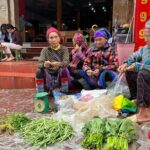
This small, family-run trek takes you beyond town and into the villages around Sapa with a friendly English-speaking guide team led by Chan and Sung, plus family members like Chai. I love that the day walks are timed around village life, so you’re not just taking photos—you’re meeting people and seeing how the mountains shape daily routines.
The big plus is how well looked after you feel on the trail and at the homestay. You get an included meal setup (breakfast, lunch, dinner) and a plan that keeps you moving without rushing, even with a maximum group size of 15. One consideration: you should have moderate fitness, because you’re doing 5–6 hours of walking and there’s uphill terrain, not just a casual stroll.
If you’re craving an authentic Sapa experience with real hosts, this is the kind of trek that feels personal. You’ll also benefit from practical touches like pickup offered and a mobile ticket, which keeps the start from getting messy.
In This Review
- Key Things That Make This Sapa Trek Work
- Entering Sapa Through the Valleys, Not the Main Road
- Day 1: Lao Chai Trail Down the Valley Past Cat Cat to Y Linh Ho
- Day 1 Stops: Why Cat Cat and Y Linh Ho Feel Different
- Day 2: Homestay Breakfast and the Giang Ta Chai Waterfall Trek
- The Homestay Factor: Comfort, Cleanliness, and Family Energy
- Why the Guides Matter More Than the Sights
- Food Plan: What You Actually Get and Why It’s Part of the Value
- Price and Logistics: Is $59 Good Value in Sapa?
- Gear and Body Prep: How to Pack for 5–6 Hours of Hill Walking
- Getting the Timing Right: Start Times and the Flow of the Day
- Who Should Book This Trek (and Who Might Prefer Something Else)
- Weather Changes Everything in the Hills
- Should You Book the Sapa Hmong Family Trek?
- FAQ
- Is pickup included?
- What are the trek durations for the two days?
- How long are the main walks each day?
- What’s included in the price?
- Is a motorbike or van included?
- Do I need a certain fitness level?
- What if the weather is bad?
Key Things That Make This Sapa Trek Work
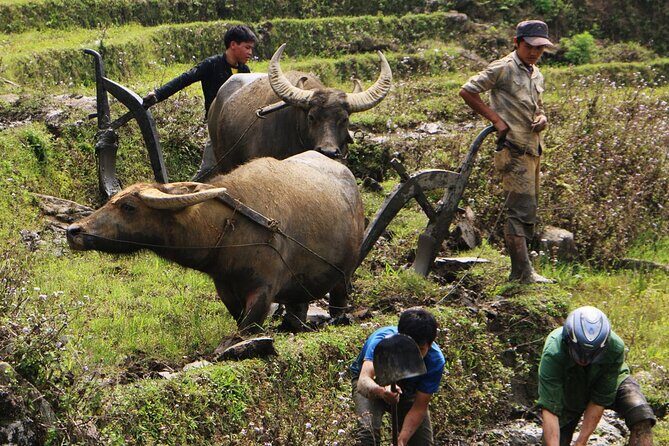
- Small group size (max 15) keeps the pace human and the conversations real
- Guides like Chan and Sung bring clear English and lots of village context
- Village-to-village walking links places like Cat Cat, Y Linh Ho, and Giang Ta Chai
- Homestay meals are built in—breakfast, lunch (2), and dinner
- Day 2 includes an uphill trek to a waterfall area, with time to slow down and look around
Entering Sapa Through the Valleys, Not the Main Road
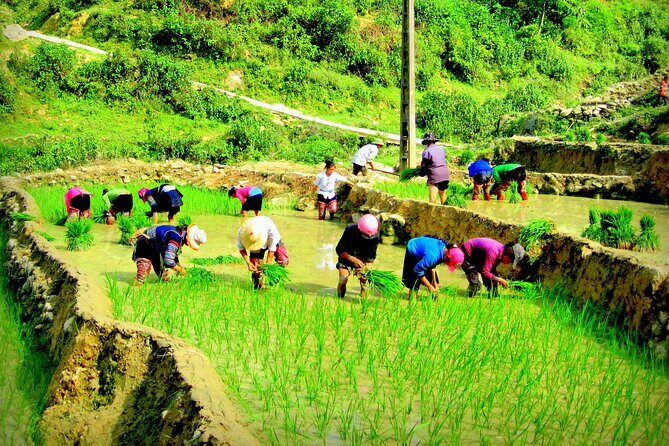
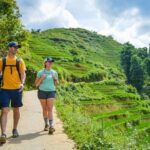
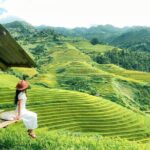
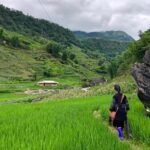
Sapa is famous for its views, but the real magic here is the route you take to get them. This trek is built around walking paths that run through the valleys behind town, past minority villages, and into areas where day-to-day life is still the main event.
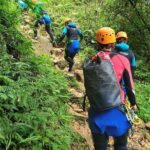
On the schedule, the walking days are long enough to feel like trekking (not a quick “check the box” tour), but they’re also paced so you can keep up and enjoy the scenery. You’re not sitting on a vehicle for most of the experience. You’re moving on foot, which is what makes the places feel closer—air, steps, and timing all matter when you’re in the hills.
You can also read our reviews of more hiking tours in Sapa


Day 1: Lao Chai Trail Down the Valley Past Cat Cat to Y Linh Ho
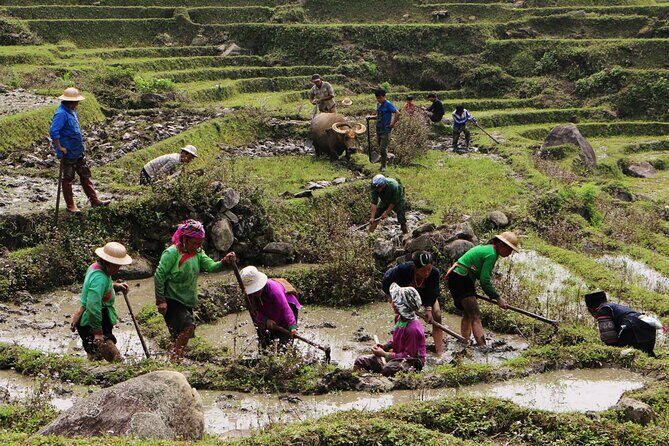
Your day starts with a meet-up at 9:00 AM at the Sapa trekking tour meeting point in town. Then you head out around 9:15 AM for an easy walk down the valley behind Sapa. Early in the trek you pass Cat Cat village, which helps set the tone: you’re not parachuting into a postcard. You’re walking through a lived-in mountain corridor.
The route continues toward Y Linh Ho village. This is the kind of “easy” day that’s still active—think steady walking, lots of chances to stop, and enough time to notice changes in the valley as you go. The timing also matters: you’re not starting too late, so the light and the mood often feel better than a midday rush.
A practical note: the tour lists about 6 hours for this day with an included admission ticket. For you, that means comfy shoes are not optional. You’ll want footwear that handles uneven ground and the slight rhythm changes of valley paths.
Day 1 Stops: Why Cat Cat and Y Linh Ho Feel Different
Cat Cat is often the first village name people hear in Sapa. The reason it works as a first stop is simple: it’s a gentle entry. You get your bearings fast—how the path moves, how locals live alongside the trail, and how the guide plans breaks and explanations.
Then Y Linh Ho adds variety. The bigger value isn’t just reaching it. It’s moving through the valley in a way that lets you see how villages connect. When you walk between places instead of hopping between them, you start noticing what’s consistent—waterways, slope patterns, and how trails shape where people build and farm.
Day 2: Homestay Breakfast and the Giang Ta Chai Waterfall Trek
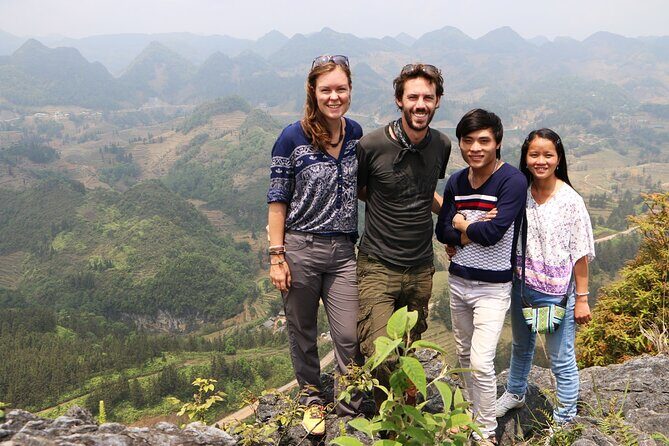
The second day starts at a homestay. You’ll have breakfast with your host family around 9:00 AM, and the group gets ready together before heading out again about 9:30 AM. This part is where the trek shifts from sightseeing to real “shared time.”
Your trek on Day 2 goes uphill toward the Giang Ta Chai village waterfall area. The schedule is about 5 hours for this day, which is shorter than Day 1—but the uphill makes it feel more intense. If Day 1 is your warm-up, Day 2 is where your legs notice you’ve been in the hills.
The payoff is that you’re walking to a specific natural highlight (the waterfall zone) rather than just moving between villages. And because you’re already in the homestay rhythm, the trek feels like part of the same day, not a separate activity tacked on.
The Homestay Factor: Comfort, Cleanliness, and Family Energy
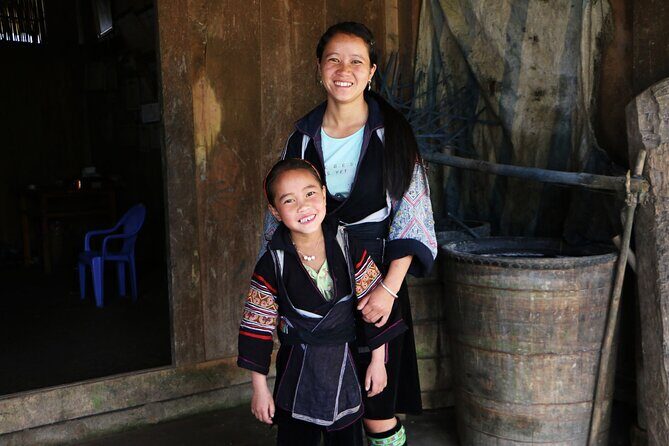
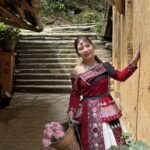
This operator is family-run, and the experience is designed around that. From the guide names and hosting setup, you’ll get the sense that you’re being welcomed into a family routine, not dropped into a staged “cultural show.”
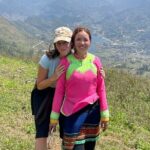
In multiple accounts, Chan and Sung come up as central hosts, and Chai (Chan’s sister) is also mentioned as part of the experience. That matters because you get more than one voice and one teaching style. You also get a stronger sense that the guide is explaining what you’re seeing, not reciting a script.
Homestays on this kind of trek often vary by room and setting, but the overall message from guests is that the stay is comfortable and clean. You’ll still want to treat this as a homestay, not a hotel. Bring the basics you’d want in cooler mountain conditions (more on that below).

Why the Guides Matter More Than the Sights
I’ll be blunt: in Sapa, the sights can look similar on the surface. What makes this trek stand out is who you’re walking with. When your guide is fluent in English and friendly, the whole trip changes.
Here, the guide team includes Chan and Sung, and they’re clearly invested in making the trek fit you. Some visitors specifically mention that the hosts were willing to incorporate personal interests—like traditional textile craft—into the experience. That’s valuable because it turns the homestay from a checklist into a two-way cultural exchange.
Also, the group is capped at 15 travelers, which helps your guide keep track of pace, questions, and energy levels. A smaller group also usually means you’ll spend more time talking instead of waiting.
Food Plan: What You Actually Get and Why It’s Part of the Value
This trek has a clean meal structure:
- Lunch (2)
- Dinner
- Breakfast
That’s not a tiny detail. At this price point, meals included can make the day feel smoother and less stressful, especially when you’re far from town. And because the food comes with the homestay and trekking rhythm, you’re not forced to hunt for snacks or bargain for a late meal after the hike.
One more practical upside: if you’re walking 5–6 hours on mountain paths, having a known meal schedule keeps energy steadier. It also helps you avoid the common travel trap of arriving hungry and then rushing decisions.
Price and Logistics: Is $59 Good Value in Sapa?
At $59 for about 2 days, this is positioned as an affordable way to get real trekking time plus homestay meals. The value comes from the combination:
- Guided walking on established village routes
- Homestay time
- Multiple meals included
- A small group size
What’s not included is also clearly stated: motorbike or van. That means you’ll want to plan how you get to the meeting point in Sa Pa town and how you’ll handle any transfers. Pickup is offered, but if you’re comparing options, don’t assume ground transport is magically included for every route.
There’s also a mobile ticket, which is a small convenience but helps on the day-of. Less paperwork, fewer delays.
Gear and Body Prep: How to Pack for 5–6 Hours of Hill Walking
You’re looking at two active days, including uphill sections on Day 2. That’s why I’d pack like you’re hiking, not just sightseeing.
Keep it simple:
- Good grip shoes for uneven paths
- A light rain layer or weather protection (Sapa can get wet and cool)
- Layers because mornings can feel colder than afternoons in the hills
- A small day bag for water and essentials during the walk
If you have any knee or balance issues, don’t ignore that. Moderate fitness is requested, and the uphill trek to the waterfall area is where you’ll feel it most.
Getting the Timing Right: Start Times and the Flow of the Day
The itinerary uses consistent timing that makes the days easier to follow:
- Day 1: meet at 9:00 AM, depart about 9:15 AM
- Day 2: breakfast around 9:00 AM, trek starting around 9:30 AM
- Both days loop back to the meeting point area at the end of the activity
In plain terms, this schedule is designed to get you on the trail early enough to enjoy the hike without feeling trapped by late-day fog or rain. It also keeps your homestay day organized.
Who Should Book This Trek (and Who Might Prefer Something Else)
This trek suits you if:
- You want walking time through village paths, not a short drive-and-stops tour
- You’re comfortable with moderate hiking
- You like meeting families and learning through conversation
- You want English-speaking guidance (and you value explanations, not just movement)
It might not be your best fit if:
- You’re looking for a totally flat, easy walk
- You need lots of hotel-style amenities and privacy
- You’d rather avoid homestay settings
The small group limit of 15 travelers is also a hint: this isn’t “mass tourism trekking.” It’s meant to be personal.
Weather Changes Everything in the Hills
This experience is listed as requiring good weather. That’s not a formality. In Sapa, rain or low visibility can make trails harder and less pleasant, and it can affect the plan.
The good news is that the operator builds in a way to handle weather problems—either offer an alternative date or a full refund if it’s canceled due to poor conditions. So if you’re flexible with dates, that helps.
Should You Book the Sapa Hmong Family Trek?
I think you should book if you want an experience where the pace, meals, and guide relationships are built together. The standout themes are strong: excellent organization, feeling genuinely cared for, great food, and guides who are kind and fluent—especially Chan and Sung, with family support like Chai.
If you’re willing to walk uphill for part of the trip and you’re okay with homestay life, this looks like solid value for Sapa. The $59 price works best when you treat it as a package: guided trekking plus meals plus family hosting.
If you’re unsure, do this simple test: ask yourself whether you’d rather spend two days walking and learning with hosts—or whether you’d prefer a faster, less physical experience with fewer village connections. This one is for the first type of traveler.
FAQ
Is pickup included?
Pickup is offered. The experience also lists a specific meeting point in Sa Pa, and the activity ends back at the meeting point.
What are the trek durations for the two days?
Day 1 is listed at about 6 hours, and Day 2 is listed at about 5 hours.
How long are the main walks each day?
Day 1 includes a valley walk from behind Sapa toward Y Linh Ho. Day 2 includes an uphill trek to the waterfall area near Giang Ta Chai village.
What’s included in the price?
Meals are included: breakfast, lunch (2), and dinner. Admission tickets are also included for the trekking day(s) as listed.
Is a motorbike or van included?
No. Motorbike or van transport is not included.
Do I need a certain fitness level?
Yes. The tour asks for travelers with moderate physical fitness level, since you’ll be walking for several hours with uphill sections.
What if the weather is bad?
The experience requires good weather. If it’s canceled because of poor weather, you’ll be offered a different date or a full refund.