REVIEW · SAPA
Sapa 1 Day Trekking
Book on Viator →Operated by Asia Travel Legend · Bookable on Viator
A one-day trek with real village life.
This Sapa outing hits Y Linh Ho and three different villages so you get more than a single photo stop. I especially like that lunch is built in at a local restaurant, and you also cover valley access (so you’re not scrambling for tickets mid-day). One heads-up: drinks and anything before/after the tour aren’t included, so you’ll want to plan for your own water breaks and timing around your hotel.
The schedule is straightforward: start around 9:00 AM and end back at the meeting point by about 3:00 PM, with transport back to Sapa Town after the walking. You’ll be in a private group, and that matters in places like Sapa where the pace and path choice can really affect how enjoyable the day feels.
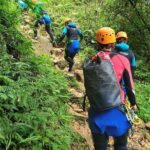
For me, the big value is the guide. People rave about how accommodating and flexible guides like Lily, Cho, Mao, Zao, Lee, Chi, and Cha can be—especially if someone needs to adjust the trail because of knees or general pace. The terrain can still be up-and-down, so wear shoes you trust on uneven ground.
In This Review
- Key things I’d zero in on
- Why this Sapa valley trek makes sense in one day
- Meeting at 9:00 AM: how the day runs and what’s truly included
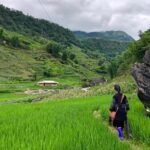
- Entering the Y Linh Ho area: the valley walk that sets the tone
- Ta Van Village: where the walk turns into daily-life time
- Giang Ta Chai and Hang Da: shorter stops, strong impressions
- Lunch in a local restaurant: fuel that keeps you steady
- The real headline: your guide changes the whole day
- Price and value: is $70.84 a fair deal?
- What to bring for a comfortable day on Sapa paths
- Who this trek is best for
- Should you book Sapa 1 Day Trekking?
- FAQ
- How long is the Sapa 1 Day Trekking experience?
- Where does the tour start and end?
- Is pickup included?
- What’s included in the price?
- Are drinks included?
- Is this a private tour?
Key things I’d zero in on
- Full village route, not just a viewpoint: Y Linh Ho, Ta Van, Giang Ta Chai, and Hang Da
- Lunch is included: you eat at a local restaurant during the day
- Valley entrance fee is covered: fewer pay-and-queue moments for you
- Private group experience: only your group participates
- Guides adapt to your needs: you’ll see this in how they plan the right walking pace
- Pick-up isn’t the only help: transport back to Sapa Town is included too
Why this Sapa valley trek makes sense in one day
If you only have a short window in Sapa, this type of day trek is a smart way to get past the “Sapa scenic overlook” version of the trip. The route works because it mixes walking with time in small villages, so you’re not racing from one viewpoint to the next. You’ll move through areas tied to hill-tribe communities, and you’ll spend enough time in each place to notice how daily life shapes the day-to-day rhythm.
Also, Sapa is all about timing. Fog can roll in, and paths can change with weather. This is the kind of tour where your guide’s judgment really matters, and it shows in the way guides are described as flexible—planning a route that fits the group’s schedule and abilities.
The duration is about 8 hours, which is long enough to feel like you did something, yet short enough to still enjoy Sapa afterward. If you’re planning a bigger multi-day plan later, this can be a great warm-up day. If you’re squeezing Sapa into a stopover, this is the “do it properly in one day” option.
You can also read our reviews of more hiking tours in Sapa


Meeting at 9:00 AM: how the day runs and what’s truly included
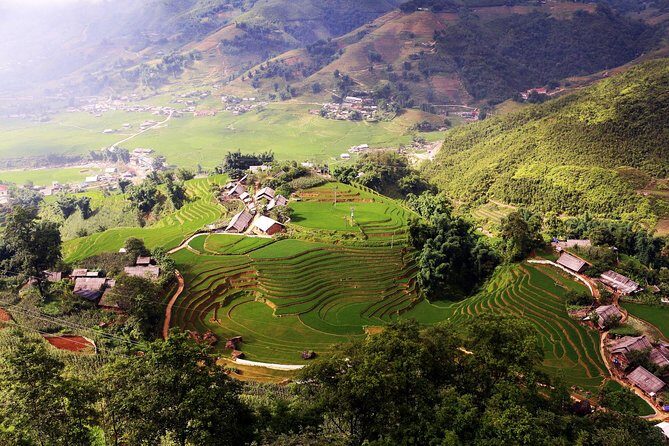
You meet in Sa Pa, Lao Cai, Vietnam with the day starting at 9:00 AM. The tour ends back at the meeting point, and transportation back to Sapa Town is included after the trek. There’s also pickup offered, and the meeting area is noted as being near public transportation.
What’s included:
- Lunch at a local restaurant
- Guide
- Entrance fee for the valley area
- Transportation back to Sapa Town
What’s not included:
- Drinks
- Pre- and post-trip accommodation
- Private expenses
This matters because a “cheap” day trek can feel pricey fast once you add drinks, taxis, and entrance fees that aren’t really optional. Here, the big core items are already handled, which usually makes budgeting easier. You’ll still want to carry some spending money for small personal needs, snacks if you’re the type who runs on extra carbs, or rest-stop purchases where available.
One more practical note: confirmation happens at booking time, and you’ll receive a mobile ticket. That’s handy when you’re juggling phone battery, weather updates, and the general chaos of travel days.
Entering the Y Linh Ho area: the valley walk that sets the tone
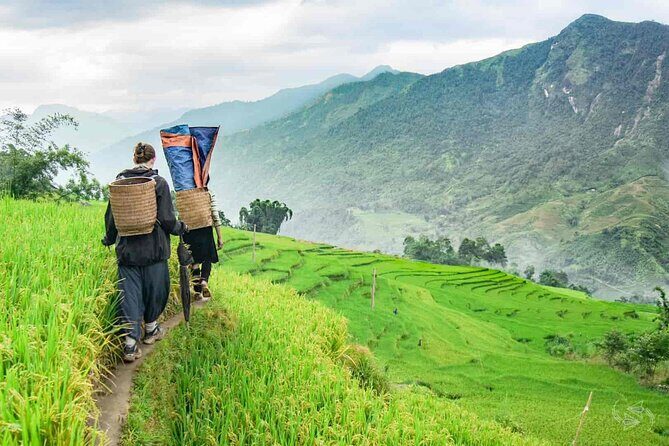
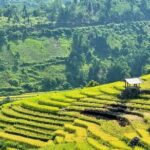
Your first stop is Y Linh Ho, and this segment is designed as your on-ramp. It’s where you start to understand the shape of the day: walking, viewpoints, and village-edge scenery, all before the pace deepens with more village time.
Why this stop matters:
- It gives you early context for where you’re trekking and why the valley route is popular.
- It’s a good moment to settle into the guide’s style—how they pace you, when they pause, and how they explain what you’re seeing.
- It also helps you “gear up” for village conversations later, because you’re not starting those conversations immediately after your morning arrival.
How to make this part feel easier: plan for slow-and-steady steps. Even when you’re not walking for hours back-to-back, Sapa footpaths can be uneven. If you’re comparing your ability level to your group, tell the guide early. In the reviews, there’s a clear pattern of guides adjusting the plan based on needs—like changing trail difficulty when someone had arthritis or a knee issue. That’s exactly the sort of thing you want handled before you get halfway into the day.
Ta Van Village: where the walk turns into daily-life time

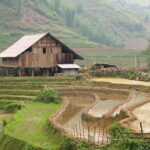
Next up is Ta Van Village with about 2 hours of visiting and walking. This is where the trek stops being only about motion and becomes about observation.
What you can expect from a stop like Ta Van:
- You’ll get time on foot without feeling like you’re sprinting through a checklist.
- You’ll have chances to learn about how people live around farming and the surrounding hillsides.
- It’s long enough to ask questions and still end up with a relaxed pace rather than a “blink and miss it” feeling.
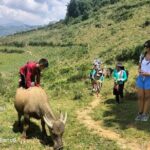
One of the most praised parts of this experience is the guide-led cultural context—people mention learning about the Hmong and how everyday routines connect to the land. That kind of learning is often best when you’re not just standing still. A village stop gives you a chance to put explanations into context while you’re walking through the setting.
Practical tip: bring your “curious mindset.” If you ask simple questions—what you’re looking at, what a typical day feels like, what visitors should be respectful about—you’ll usually get better answers and better memories. The guides mentioned in reviews often have very clear English, so communication tends to be smooth.
Giang Ta Chai and Hang Da: shorter stops, strong impressions

After Ta Van, you head to Giang Ta Chai Village for another 2 hours of visiting and walking. Then you move to Hang Da Village for about 1 hour.
These two stops work well together because they keep the day from getting too repetitive. Ta Van gives you a bigger chunk of time. Giang Ta Chai continues the story with a different village angle, and Hang Da offers a shorter, more focused ending.
What’s likely to stand out for you:
- Different village layouts and how walking routes connect homes, fields, and paths
- Cultural explanations that feel grounded in what you see rather than only words
- The sense that the trek is a chain of communities, not a single “destination photo”
A common theme in the strong reviews is how guides weave together nature and daily life. Some guides also mention building in human moments—like being welcomed into a local home for a meal. That doesn’t mean it’s guaranteed for every group, but it’s a real example of the kind of personal touch good guides can arrange.
If you’re the type who loves the practical travel side too: shorter stops like Hang Da are great when you want time to catch your breath, take photos without rushing, and reset before the day wraps.
You can also read our reviews of more tours and experiences in Sapa

Lunch in a local restaurant: fuel that keeps you steady

Lunch is included, and it’s scheduled during the walking day. This is a big deal in Sapa, where it’s easy to underestimate how much energy a mountain walk costs.
Even when you’re not hiking all day like a trail runner, you’re still:
- Walking downhill and uphill
- Breathing cooler air
- Staying alert for footing
The best-case scenario with included lunch is that you avoid the “hangry spiral” that turns a nice trek into a grumpy march. The practical part: plan your water and snacks around the included meal. Since drinks aren’t included, you may want to carry a bottle so you’re not stuck waiting for the meal to satisfy your thirst.
One more value point: eating in a local restaurant during the trek keeps your day flowing. You’re not hunting for food at the end of a long walk. You get an actual break built into the itinerary rhythm.
The real headline: your guide changes the whole day
This is where the reviews get loud—and for once, it’s not just vague praise. Guides like Lily, Cho, Mao, Sy, Zao, Lee, Chi, and Cha are repeatedly described as friendly, accommodating, and strong in English. People also highlight how guides explain local culture and ways of living, not just name-drop villages and move on.
Why that matters for you:
- A great guide helps you choose the right walking pace and stop timing
- Better explanations make each village feel connected, not random
- If someone has mobility limits or pain (like a knee), guides can suggest adjusting the route or difficulty
One review story stands out because it’s so practical: a guide suggested a medium option instead of an easy one because the easy route was more road-based. That’s exactly the kind of decision you want someone skilled to make—one that affects your experience, not just your distance.
A good guide also makes the day feel human. When a guide can create a comfortable, respectful conversation, it changes how you remember the trek. You’re not just collecting stamps. You’re meeting people and learning how the place works.
Price and value: is $70.84 a fair deal?
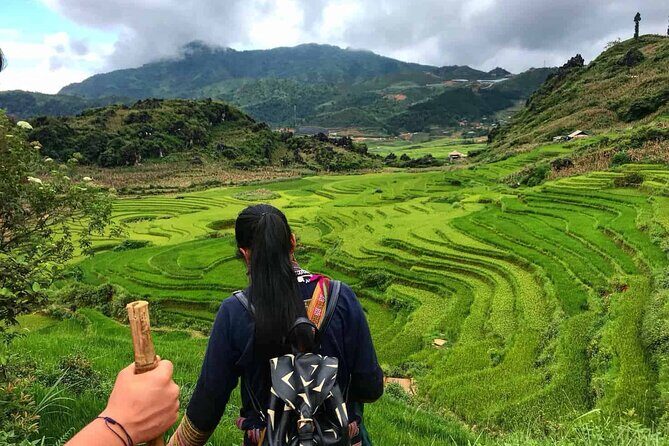
At $70.84 per person for a trek running about 8 hours, this sits in the “reasonable value” zone if you compare what’s included.
You’re getting:
- A guide
- Lunch
- Valley entrance fee
- Transport back to Sapa Town
- Pickup offered (and generally smooth meeting logistics)
You’re not getting:
- Drinks
- Any pre- or post-tour accommodation
- Anything you consider private expenses
So, where is the value really coming from? It’s the combination. Day treks can get expensive when you add separate entrance fees, lunch, and transportation. Here, those big ticket items are grouped, which is usually what you want when you travel.
If you’re traveling solo, the price still has logic because you’re paying for local direction and planned logistics. If you’re traveling as a small group, the private-group setup can feel even better because you’re not sharing the day with strangers who might move at a totally different pace.
What to bring for a comfortable day on Sapa paths
The tour includes what it says it includes, so your job is mostly comfort and readiness.
Pack these basics:
- Comfortable walking shoes with good grip
- A light rain layer if weather is uncertain
- Sunscreen and sunglasses (yes, even on cloudy days)
- A refillable water bottle, since drinks aren’t included
- A small cash backup for personal expenses or small purchases
Bring a calm mindset too. Sapa walking can be slow by necessity. Even “easy” days can involve uneven steps. If you want the smoothest experience, tell your guide your limits early, not halfway through.
One review mentioned paths were fairly dry and the weather was great, which led to an incident-free day. Your goal is to be prepared for the opposite scenario: wetter ground can mean slower footing. Good footwear fixes more problems than people think.
Who this trek is best for
This tour is a strong match if:
- You want a Sapa trek that’s short enough for one day but still village-focused
- You appreciate a guide who talks through culture and life, not just directions
- You’d rather have logistics handled (lunch, entrance, return transport)
- You’re okay with a steady walking day and changing path conditions
It’s also a good fit for mixed groups because the private setup gives the guide flexibility. If you’re traveling with someone who needs a gentler pace, this is the style of tour that can often adjust rather than force everyone down the same line.
Should you book Sapa 1 Day Trekking?
Book it if you want the best value for time: a guided village route with lunch and return transport, starting at 9:00 AM and ending back where you began. It’s especially worth it when you care about cultural context and want a guide who can adapt when the group needs a tweak—something guides on this trek are praised for.
Skip it or consider alternatives if:
- You hate walking on uneven ground
- You’re extremely budget-focused on drinks/snacks and don’t want to plan for them
- You’re looking for an all-flat, low-effort nature day
One more booking reality check: this experience is non-refundable and can’t be changed, so make sure your Sapa dates are firm before you pay.
If your schedule allows, this is a solid choice for getting beyond the surface of Sapa in a single day.
FAQ
How long is the Sapa 1 Day Trekking experience?
It’s about 8 hours (approximately), running from 9:00 AM to around 3:00 PM.
Where does the tour start and end?
It starts in Sa Pa, Lao Cai, Vietnam and ends back at the meeting point.
Is pickup included?
Pickup is offered, and the meeting point is near public transportation.
What’s included in the price?
Lunch, the guide, the valley entrance fee, and transportation back to Sapa Town are included.
Are drinks included?
No. Drinks are not included, so you’ll need to plan for your own.
Is this a private tour?
Yes. It’s a private tour/activity, and only your group participates.