REVIEW · SAPA
Sapa Half-Day Motorbike Tour: Villages & Rice Fields
Book on Viator →Operated by SAIGONESE TREKKING HOUSE · Bookable on Viator
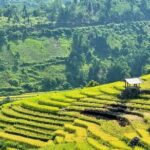
Motorbikes make Sapa rice terraces reachable. This half-day ride is built around village stops and easy-rider driving, so you spend your energy on photos and looking, not long hikes. You’ll pass cascading terrace fields, bamboo-and-stream scenery, and traditional villages in a tight 3 to 4 hour window.
What I like most is the mix of close-up views and real photo time. I also appreciate the safety-first, friendly riders many people highlight, including guides like Mo, and driver teams reported as sisters Dihn and Su.
One thing to consider: this is more of an easy-driver ride with set stops than a deep, long-form walking tour. If you’re expecting lots of guiding on foot, you may find the pacing a bit ride-heavy.
In This Review
- Quick hits: what makes this Sapa motorbike tour special
- Why this Sapa half-day motorbike route works so well
- Start at Saigonese Trekking House: timing, pickup, and how groups work
- Stop 1: Cat Cat Village and the French-era naming story
- Stop 2: Y Linh Ho for bamboo houses, terraces, and rushing water
- Stop 3: Lao Chai in the Muong Hoa valley (and why it feels more open)
- Stop 4: Ta Van Village for a friendly, grounded community stop
- Safety and rider style: what to expect on an easy-rider motorbike tour
- Price and value: is $39 fair for what you get?
- When weather changes, your experience changes too
- Who this tour fits best (and who should skip it)
- Should you book this Sapa motorbike tour?
- FAQ
- FAQ
- How long is the Sapa half-day motorbike tour?
- Which villages are included on the route?
- Is pickup available, and where does the tour start?
- What’s included in the price?
- What is the group size limit?
- What happens if the weather is not good?
Quick hits: what makes this Sapa motorbike tour special
- Short 3–4 hour loop: see four villages without committing to a full day
- Cat Cat’s French-era backstory: a quick history angle while you roam
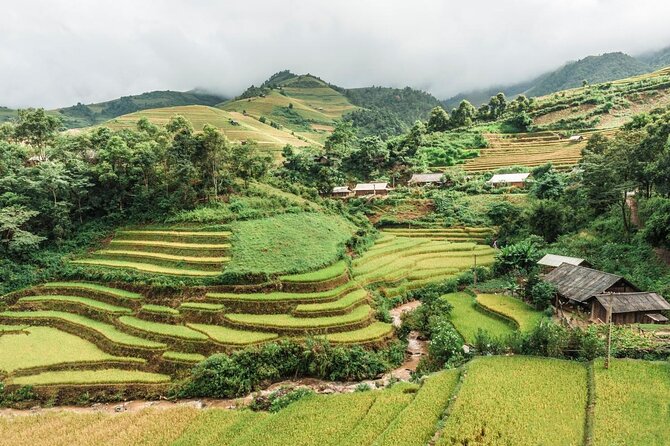
- Y Linh Ho’s terrace-and-stream vibe: bamboo houses and big scenery in a short stop
- Lao Chai in the Muong Hoa valley: mountain ranges framing the fields
- Ta Van’s community feel: friendly, hospitable village atmosphere and easy photo moments
- Safety and comfort focus: paired with an experienced driver, plus bottled water and included entries
Why this Sapa half-day motorbike route works so well
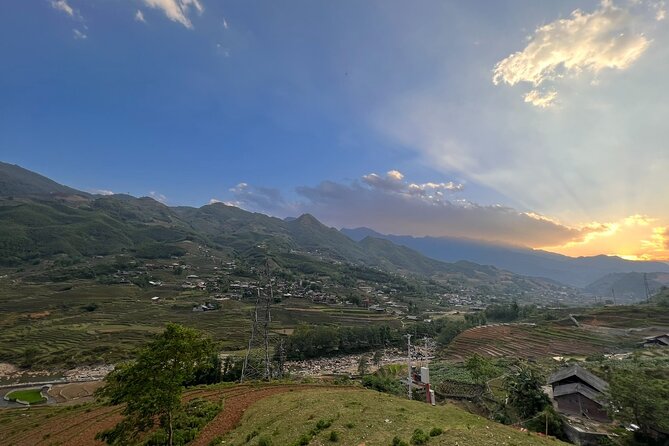
Sapa’s rice terraces are the headline, but getting to the best spots can be the headache—especially if you don’t want a full day on foot. This tour is designed to solve that with a motorbike route that hits multiple villages while keeping you seated and moving through the valley.
The route is also practical: you’re not bouncing all over town. Instead, the driving time is mostly between nearby villages, with the “looking time” spent at the stops. In other words, you get the payoff (fields, houses, bridges, streams, and the view lines) without turning it into a logistics project.
You should also know this is very photo-friendly. The format encourages stopping for photos, and that matters in Sapa, where mist, light, and the shape of terraces can change fast.
You can also read our reviews of more tours and experiences in Sapa

Start at Saigonese Trekking House: timing, pickup, and how groups work
The tour begins at Saigonese Trekking House at 02 Nguyễn Chí Thanh, TT. Sa Pa, Sa Pa, Lào Cai, Vietnam. Pickup is offered, and the activity ends back at the meeting point, so you don’t have to worry about being stranded in the countryside.
Most of the experience runs for about 3 to 4 hours, and the remaining time is for travel between attractions. That’s key for planning: you’re not getting 4 hours of walking, and you’re not being stuck with a long explanation session either. It’s a fast, efficient loop.
Group size is capped at 10 travelers. That usually helps keep the ride smooth and gives the driver a bit more flexibility for quick photo stops. You’ll also get a mobile ticket, and confirmation happens at booking time.
Stop 1: Cat Cat Village and the French-era naming story
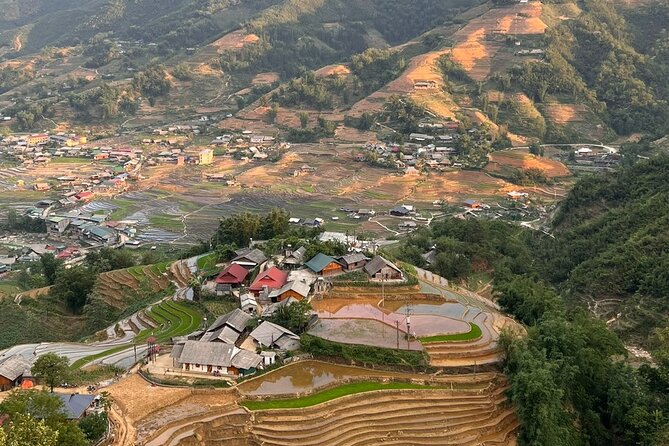
Your longest stop is Cat Cat Village, about 2 hours, with an admission ticket included. This is the village that most visitors connect to the idea of Sapa’s “story,” because the name Cat Cat was given by the French in the early 20th century. They discovered the area’s beauty and chose it as a vacation spot for high-ranking officials.
What that means for you on the ground: you’re not just looking at terraces and houses—you’re walking into a place that has been shaped by outside influence and tourism for a long time. You’ll likely notice more visitor infrastructure here than in the more quietly framed village stops.
Still, Cat Cat holds up visually. The terraces and paths give you lots of angles, and the extra time makes it easier to linger when the light turns good or when you spot a perfect stream-and-terrace backdrop. If you’re someone who likes taking time rather than racing through, this is a good anchor stop.
Potential drawback: because it’s the biggest stop and has a ticket element, it can feel a bit more “touristy” than the others. If you want maximum quiet, you may prefer to save your slower wandering for later villages on the route.
Stop 2: Y Linh Ho for bamboo houses, terraces, and rushing water
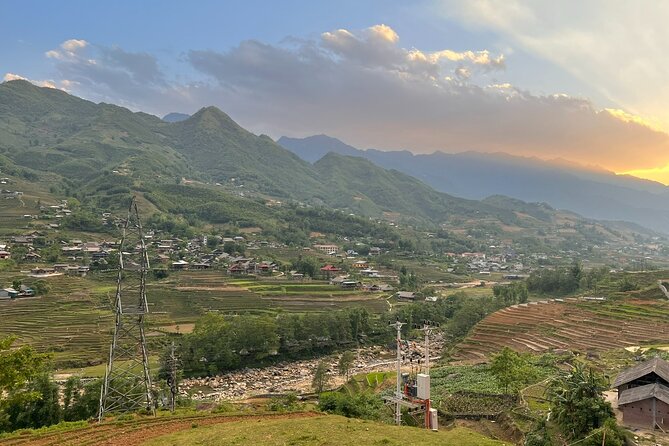
Next up is Y Linh Ho, around 30 minutes with an admission ticket included. This village is described as having poetic and wild beauty, with terraces and streams, plus primitive, simple bamboo houses.
That combo is why Y Linh Ho works even in a short stop. The terraces give you height and depth, the stream adds movement, and the bamboo housing style gives texture beyond just green fields. In Sapa, texture is what makes photos look lived-in rather than generic.
In a time-boxed stop like this, it helps to know your priorities before you arrive. If you want terrace lines, stand a few minutes looking for the best layer of fields fading into the mist. If you want people and everyday details, keep your camera ready when your driver points out small photo opportunities along paths near the houses and water.
Potential drawback: the stop is brief. If you’re hoping for long walking through Y Linh Ho, you might feel rushed. It’s best for a focused photo-and-look session, not a slow exploration day.
Stop 3: Lao Chai in the Muong Hoa valley (and why it feels more open)
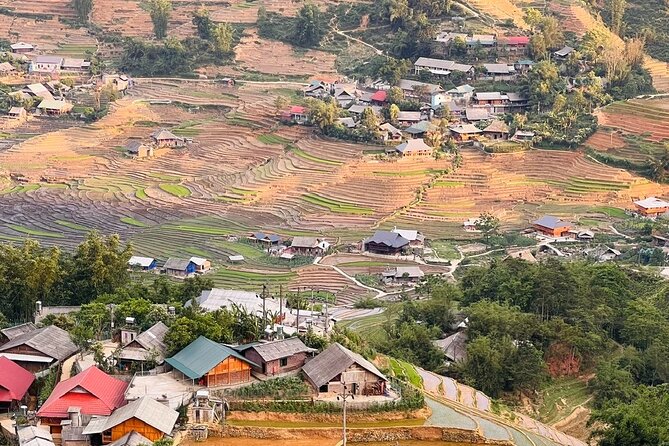
Lao Chai is about 30 minutes and the admission is free. It’s located roughly 7 km southeast of Sapa town’s center, sitting peacefully in the deep valley named Muong Hoa, surrounded by the Hoang Lien Son mountain ranges.
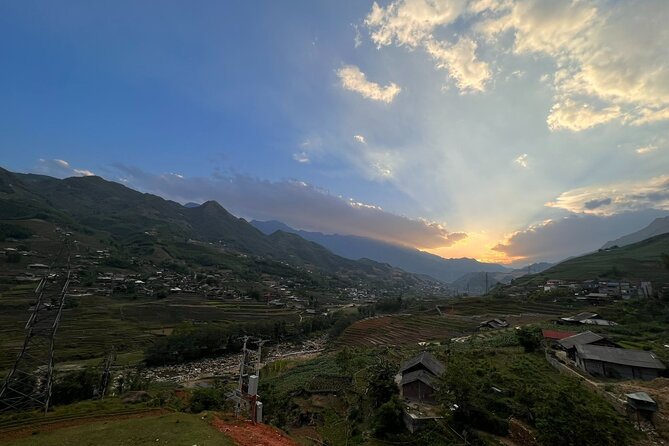
This is one of the stops that often reads as “less cluttered,” simply because it’s positioned in a valley setting and framed by the mountains. You’ll typically get strong views out over terrace fields, and the overall vibe can feel more expansive than a tightly packed tourist village.
Another plus is the contrast in pacing. After Cat Cat’s longer time and Y Linh Ho’s bamboo-house-and-water focus, Lao Chai gives you a different type of scenery: the wider valley picture. If you’re trying to capture Sapa as a place, not just as a sequence of village moments, Lao Chai helps you make that mental map.
The time is still limited, so treat Lao Chai as a view-stop. Move quickly to a viewpoint area, take your pictures, and enjoy the valley atmosphere without trying to cover every path.



Stop 4: Ta Van Village for a friendly, grounded community stop
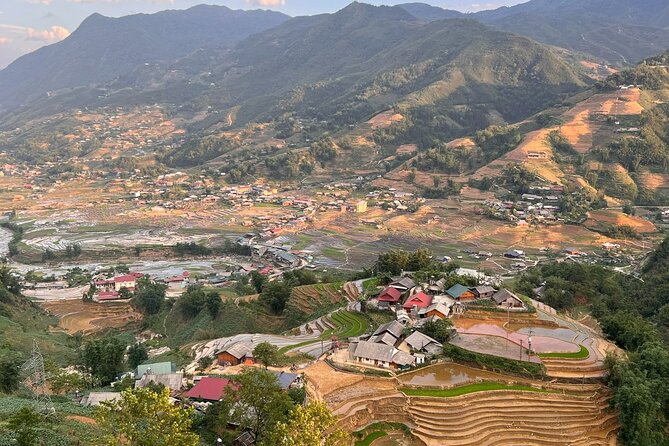
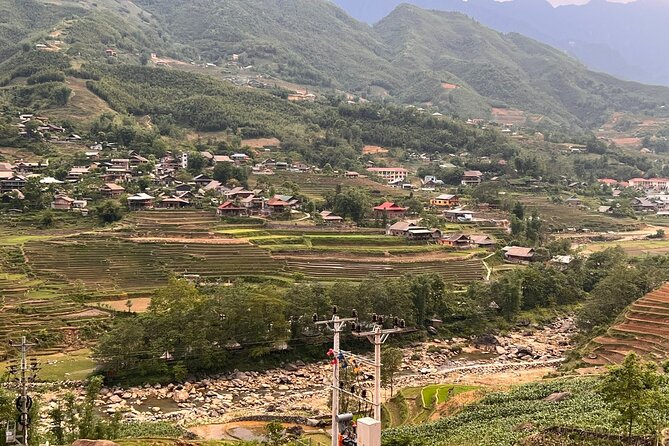
Ta Van Village is another about 30 minutes stop, with an admission ticket included. It’s described as a small community with hospitable, amiable, and friendly people living in peace. The homes spread out along the foot of the mountain, valleys, and streams.
What I like about Ta Van in this format is the “human scale” feel. Even when you’re only there for a short time, you’re likely to notice more everyday routines than staged attractions—people living with the terrain, not just visiting it.
Because the village is spread out, you may want to avoid sprinting from one place to another. Pick a direction, slow down, and let your eyes find the patterns: stream lines, house spacing, terrace edges, and the way paths connect the valley.
Potential drawback: if you’re hoping for a formal cultural performance or a scheduled talk, this stop is more about atmosphere and access than a structured show. It’s still valuable, but it’s the kind of cultural contact that happens through seeing daily life rather than sitting through an extended program.
Safety and rider style: what to expect on an easy-rider motorbike tour
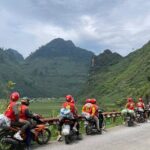
The tour is built around experienced easy riders. Each participant is paired with a driver, and that’s a big deal in Sapa because roads can be narrow and conditions can shift quickly.
Most positive feedback points to riders being helpful, friendly, and safe. You’ll also want to trust the driver’s pace rather than forcing your own schedule. If the road is tight or visibility drops, the driver’s job is to keep you comfortable and moving safely.
Pacing matters too. This route is designed so you’re not trekking for hours. Instead, you’ll ride between scenic anchor points and get brief windows at each village. That’s perfect if you want the “Sapa wow” without the sore legs.
The one clear caution from a critical review: some people feel the experience is more of an easy-driver ride than a full tour. That’s not a disaster if your expectations match the format. Just don’t expect a long walking guide experience built around detailed on-foot storytelling.
Price and value: is $39 fair for what you get?
At $39 per person, this is priced like a budget-friendly way to see multiple Sapa villages in one half-day. The value improves because several key items are included: bottled water, the drivers, and ticket entrances for the stops where tickets apply.
There’s also an honesty factor in the setup: Lao Chai has a free admission, while other stops include ticketed entry. That means you’re not paying for everything at every stop, which makes the pricing feel more balanced than a flat fee that treats every village the same.
One more reality check: you could likely hire an easy driver on your own, and some people argue it may cost less. So the question becomes whether you want the convenience of a planned route and included entries, versus the flexibility of paying less and arranging your own stops. If you’d rather show up with a simple plan and spend time looking instead of negotiating, the $39 makes sense.
When weather changes, your experience changes too
Sapa weather can flip fast. This tour requires good weather, and if conditions are poor you’ll be offered a different date or a full refund.
That matters for two reasons. First, terrace views depend on visibility; mist can be beautiful, but heavy fog or rain can blur the layers that make Sapa look dramatic. Second, road conditions on wet days can slow everything down, so drivers may keep the pace cautious.
If you go on a less-than-perfect day, expect the group to get basic weather support. One review notes ponchos were provided, which is the kind of practical touch that makes the difference between staying comfortable and getting miserable.
Who this tour fits best (and who should skip it)
This is a strong fit if you want a fast, efficient way to see Sapa’s rice-terrace villages and you don’t want to do long treks. It’s also a good choice if you like stopping for photos without needing to plan a route, and if you’re happy with brief village visits that prioritize scenic access.
It can also work well for couples and small groups because the route cap is small and you get a shared pace without crowds taking over every stop.
You might skip it if you want deep, on-foot guiding and extended time in just one village. Also skip it if you already plan to hire a driver independently and prefer total control over your route. In that case, you may prefer the cheaper easy-driver approach—because the tour format does not promise hours of walking time.
Should you book this Sapa motorbike tour?
Book it if you want multiple villages in one half-day, strong terrace views, and a safety-focused easy-rider experience with ticket entrances and water handled for you. It’s especially appealing if your Sapa schedule is tight or you’re trying to balance sightseeing with rest.
Think twice if you’re expecting a structured guided walking tour with lots of long explanations. This ride is about getting you close to the scenery and then letting you take it in—on the road and at the stop points.
FAQ
FAQ
How long is the Sapa half-day motorbike tour?
It runs about 3 to 4 hours in total, including travel time between the village stops.
Which villages are included on the route?
The tour includes Cat Cat village, Y Linh Ho, Lao Chai, and Ta Van.
Is pickup available, and where does the tour start?
Pickup is offered. The meeting point is Saigonese Trekking House at 02 Nguyễn Chí Thanh, TT. Sa Pa, Sa Pa, Lào Cai, Vietnam, and the tour ends back at the meeting point.
What’s included in the price?
The tour includes bottled water, drivers, and ticket entrance for the stops where tickets apply. Tips are not included.
What is the group size limit?
The tour has a maximum of 10 travelers.
What happens if the weather is not good?
The tour requires good weather. If it’s canceled due to poor weather, you’ll be offered a different date or a full refund.