REVIEW · SAPA
Fansipan Summit Challenge
Book on Viator →Operated by Green Sapa Trekking · Bookable on Viator
Summit day in Sapa feels wildly real. This Fansipan Summit Challenge takes you to Mount Fansipan’s 3,143 m top point of Indochina on foot, following rougher trekking paths than the cable car crowd, and threading through Hoàng Liên National Park’s shifting forest and mountain zones.
I love that the day is built around changing ecosystems, not just one long straight climb. If you want your Sapa trip to feel like a genuine adventure, this is the kind that delivers.
Two specific things I like a lot are how the scenery keeps switching—rainforest paths to bamboo groves to higher alpine ridges—and the way the break at 2,800 m turns lunch into a real mountain pause, not a quick snack stop. I also appreciate that the pacing is designed so you’re not sprinting every hour.
One big drawback to consider: this is a physically demanding trek. If your fitness is low, the steep sections and altitude feel will likely be more than you want.
In This Review
- Key highlights worth planning for
- Roof of Indochina on Foot: why this trek feels different
- Tram Ton Pass (1,900 m) and that early-morning rhythm
- From rainforest to bamboo and alpine meadows, without the tourist shortcuts
- The 2,800 m picnic lunch that actually sets you up for success
- Fansipan summit at 3,143 m: clouds, cliffs, and the payoff
- Coming down to Sapa: gentle descent, still with good views
- Price and value check: is $89 fair for a summit challenge?
- Who should book this Fansipan Summit Challenge
- Quick planning notes that matter on summit day
- Should you book this? My go/no-go checklist
- FAQ
- How long is the Fansipan Summit Challenge?
- Where does the tour start and end?
- Is there a mobile ticket?
- How high is the summit?
- Is lunch included?
- How difficult is the trek?
- How many people are in the group?
- What if the weather is poor?
- What is the cancellation policy?
Key highlights worth planning for
- A real summit push to Fansipan’s 3,143 m Roof of Indochina height, not a cable-car day
- Tram Ton Pass start (1,900 m) with a scenic drive into the high mountains
- Hoàng Liên National Park ecosystems you’ll walk through, from rainforest to bamboo and alpine meadows
- Picnic lunch at 2,800 m (included) to recharge before the final climb
- Small group size (max 9), so the day feels manageable and you’re not stuck in a giant line
Roof of Indochina on Foot: why this trek feels different
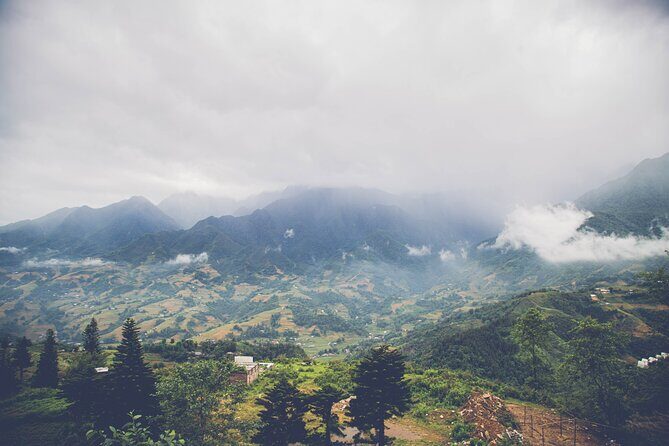
Most Sapa sightseeing is about views from a road or a lift. This is the opposite. You earn the panorama by walking into the Hoàng Liên mountain world, step by step, until the summit makes sense in your body.
The pitch here is simple: you’re climbing to the highest point of Indochina at 3,143 m. You’ll spend the day moving through zones that feel like separate habitats—rainforest, bamboo forest, then higher ridges and open alpine ground. That change is the real magic, because the trek doesn’t stay boring at one altitude or one kind of trail.
If you like the idea of standing where clouds drift past and the view stretches across the wider region, this one is built for that. It’s also “adventure” in the practical sense: a long walking day, real elevation, and trail conditions that ask you to pay attention.
You can also read our reviews of more tours and experiences in Sapa.
Tram Ton Pass (1,900 m) and that early-morning rhythm
You start at Green Sapa Homestay on Nguyễn Chí Thanh, and the plan begins with a drive out of Sapa toward Tram Ton Pass (1,900 m). Tram Ton Pass is described as the highest mountain pass in Vietnam, and reaching it early sets the tone: you’re not easing into the day at sea-level comfort.
The drive is part of the experience. You wind through valleys and big mountain scenery before you even start hiking, so you get “moving” scenery right away, not just once you hit the trail. People also mention an early pickup that’s on time, which matters because a summit trek is all about timing.
Why I think this first stretch is smart: starting higher means less wasted time later and a clearer progression from high-ground hiking to the final summit push. If you’ve got any chance of doing well, it helps to get going while your legs still feel fresh.
From rainforest to bamboo and alpine meadows, without the tourist shortcuts
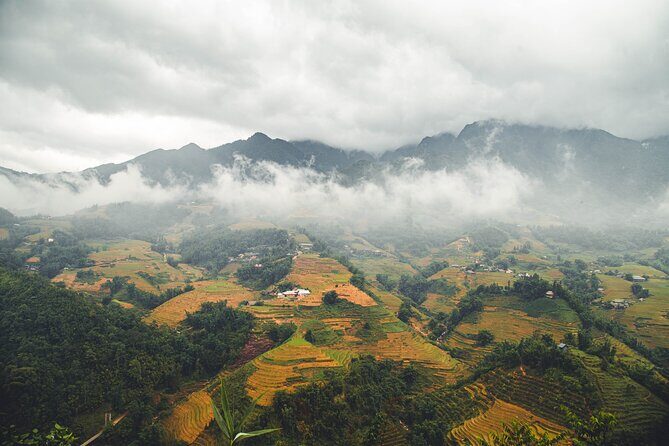
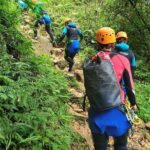
Once you’re on the trek, you’ll walk through a mix of environments that feels like a slow-change movie. The early part of the hike is described as moving into lush rainforest, past bamboo groves, and across calmer alpine meadows as you gain elevation.
A lot of trekking days are just “up, up, up.” This one keeps offering different kinds of terrain. When the trail passes through misty forest, it feels cooler and more enclosed. Higher up, you can get open ridges and bigger sightlines that change how you pace yourself. You’re not only working your legs—you’re reading the terrain, choosing where to place your steps, and staying mentally engaged.
This is also where Hoàng Liên National Park becomes more than a name. The day is framed as a route through the park’s ecosystem, including rare mountain plants and unique wildlife. Even if you’re not trying to identify species, walking that kind of trail helps you notice how nature changes with elevation: different smells, different light, different vegetation density.
One practical note: the hike is scheduled across multiple segments of walking, so you’ll feel the push and then the release. That pacing is often the difference between a day that feels tough but doable and one that turns into a suffer-fest.
The 2,800 m picnic lunch that actually sets you up for success
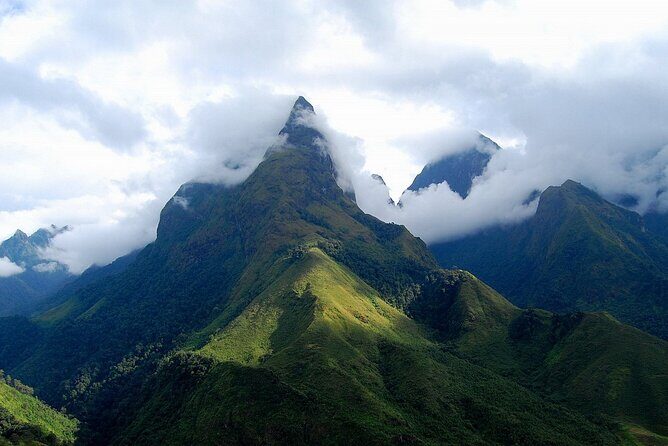
At around 2,800 meters, the plan pauses for a picnic lunch. This is included, and it’s not treated like a random rest stop. The idea is that you take your break where the air feels crisp and the mountain views start to expand for real.
I like this approach because it’s not just about calories. A mid-trek meal at altitude can calm you down, reset your breathing, and keep your brain from turning into a panic calculator about the final climb. If you’re the type who gets nervous as the summit nears, having a planned pause helps.
You also get a rare thing on summit days: you can sit and take in the surroundings without guilt. At 2,800 m, you’re already in the high-mountain zone, so the lunch spot feels like part of the journey, not an interruption to it.
Even better, the schedule keeps this pause to about an hour. That’s long enough to eat and catch your breath, but short enough that you don’t end up cooling down and getting stiff right before the hardest part.
Fansipan summit at 3,143 m: clouds, cliffs, and the payoff
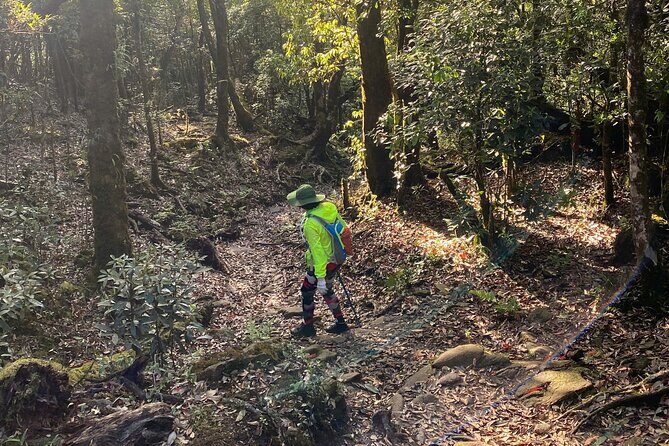
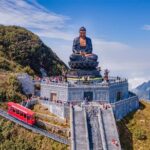
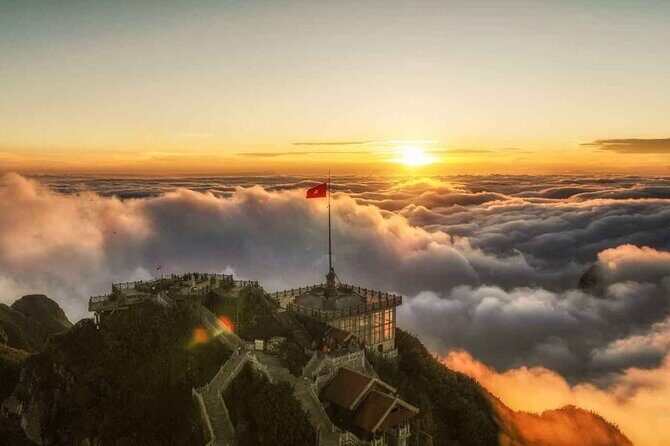
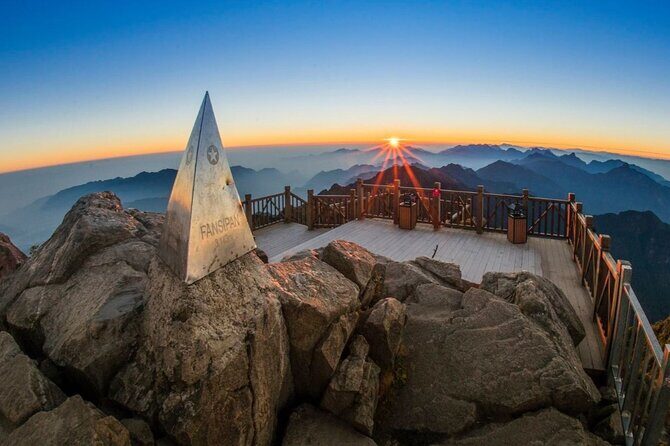
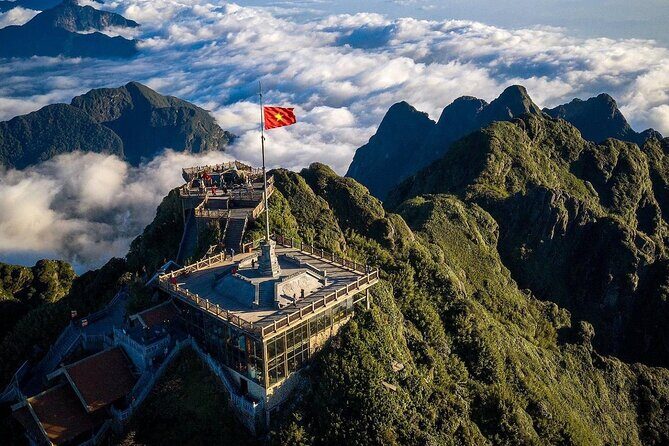
The final climb continues through dense bamboo forests and rugged mountain paths until you reach the Fansipan Summit at 3,143 m, also known as the Roof of Indochina. This is the moment the whole day turns into one clear memory: you’ve crossed the point where the trek stops being a hike and starts being a personal milestone.
From what’s described, the views can feel enormous, and clouds can roll through the scene in a way that makes the summit feel higher than the number on the map. Even when the weather is just partly clear, you still get that high-elevation perspective—layers of valleys and ridges that look almost unreal.
What I appreciate most is that guides are included, and the role isn’t just logistics. People highlight that guides help keep things safe and manageable, and that they share interesting facts along the way. That matters late in the day, because motivation has to come from somewhere once your legs start negotiating with you.
At the summit, the reward is both visual and physical: the satisfaction of reaching the highest point of Indochina after hours of steady work. That’s why this trek is recommended so strongly. When a day is built this clearly around one end point, you don’t come back thinking about “almost.” You come back thinking you made it.

Coming down to Sapa: gentle descent, still with good views
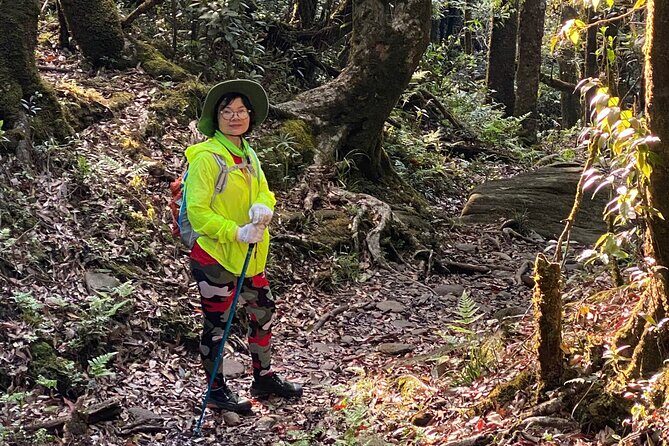
After the summit, the plan shifts into a gentle descent. You’ll move through forest areas and wide-open alpine meadows, and the schedule gives you time to keep the pace more relaxed than the climb.
This part is underrated. Going down can still tire you out, especially if you’re trying to keep your energy up for photos and trail awareness. But the route design gives you some open sections where your mind gets a breather, and it also gives you time to appreciate the ecosystem again from a different angle.
You’ll eventually get a transfer back toward Sapa Center, and the day ends back at the meeting point area. The timing is framed as a full 10-hour experience (approx.), so expect it to feel like a long day even if parts are calmer.
A good summit trek feels like two days stitched together: the intense climb and the slow release. If you manage your effort and don’t sprint early, the descent is where you start enjoying the memories instead of just surviving the next hour.
Price and value check: is $89 fair for a summit challenge?
The price is $89 per person for an approx. 10-hour trek, with a mobile ticket and guide-led experience through the mountain zones of Hoàng Liên National Park. For a summit-day activity, there are two big value signals here:
First, lunch is included at 2,800 m. That’s not a tiny add-on. On a long walking day, having a planned meal helps you stick with the schedule and avoid the “buy snacks in a place with limited options” headache.
Second, the group is capped at max 9. Smaller groups tend to mean smoother pacing and less chaos when people slow down on steeper sections. For a tough trek, crowd control is a real value factor, not just a comfort thing.
Are there any value trade-offs? The trek is demanding, and that’s not something you can “opt out” of. If you want a relaxed stroll and guaranteed comfort, this price won’t magically change the fact that you’re hiking to 3,143 m.
But if you want a real summit experience in Sapa—walking beyond the easy routes—this is priced like an adventure, not a sightseeing bus tour.
Who should book this Fansipan Summit Challenge
This trek fits best if you:
- have strong physical fitness (the tour explicitly expects it)
- want a full-day challenge that ends at a clearly defined summit goal
- like guided trekking where someone keeps you safe and helps explain what you’re seeing
- enjoy changing environments, not just one type of trail
It’s less ideal if you’re looking for a casual day. The route is physically demanding, and the climb plus elevation means you need to feel confident in your legs and your pacing.
Also, because it’s capped at 9, it’s a good match if you prefer a more personal group size. You’ll likely get more attention and guidance than with a massive crowd.
Quick planning notes that matter on summit day
This is a weather-dependent experience. The plan says it requires good weather, and if it can’t run due to poor conditions, you’ll be offered a different date or a full refund.
Confirmation is received at booking time, and the tour uses a mobile ticket. The meeting point is fixed at Green Sapa Homestay, and it ends back there, which helps reduce confusion.
One more practical angle: there’s a lot of walking time built into the day. Even with breaks and lunch, you should plan mentally for a long stretch on your feet.
Should you book this? My go/no-go checklist
Book it if you’re serious about a summit trek and you want Sapa to feel like more than a view stop. The mix of rainforest, bamboo, alpine ridges, and that 2,800 m included picnic lunch makes the day feel intentionally designed, not random.
Skip it if you know you’ll struggle with physical demand. This one asks for strong fitness, and the reward only lands fully if you’re able to keep your pace steady through the tougher segments.
If you like having a guide, appreciate small-group comfort, and want the satisfaction of reaching 3,143 m, then this is a strong choice. The fact that it’s rated highly with a 5-star average and a 100% recommendation rate (from 16 scores) is a useful signal that most people felt they got what they came for.
FAQ
How long is the Fansipan Summit Challenge?
It lasts about 10 hours (approx.), including the drive, trekking segments, lunch, and the return to Sapa.
Where does the tour start and end?
The meeting point is Green Sapa Homestay at 3-1 Nguyễn Chí Thanh, TT. Sa Pa, Sa Pa, Lào Cai, Vietnam. The activity ends back at the meeting point.
Is there a mobile ticket?
Yes, the tour includes a mobile ticket.
How high is the summit?
The summit is Fansipan at 3,143 meters.
Is lunch included?
Yes. There is a picnic lunch around 2,800 meters, and it is listed as included.
How difficult is the trek?
The tour requires a strong physical fitness level. It is described as physically demanding and includes a challenging climb to the summit.
How many people are in the group?
The maximum group size is 9 travelers.
What if the weather is poor?
The experience requires good weather. If it’s canceled due to poor weather, you’ll be offered a different date or a full refund.
What is the cancellation policy?
You can cancel for a full refund up to 24 hours in advance of the experience’s start time. Changes within 24 hours aren’t accepted, and cancellations under 24 hours aren’t refunded.