REVIEW · HANOI
Hanoi: Drum Village or Incense Village & Hat (“SMALL GROUP”)
Book on GetYourGuide →Operated by GREEN VIETNAM TRAVEL · Bookable on GetYourGuide
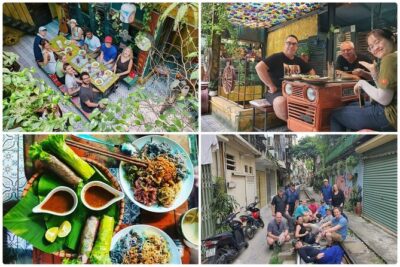
Craft villages, minus the tourist trap.
This small-group Hanoi outing lets you watch real artisans at work, from drum-making traditions to hat painting and incense production. I love the hands-on parts where you’re not just watching, and I love the way the guide connects each craft to Vietnamese life and ceremony. One thing to consider: the day runs on a tight schedule, so if you want extra time in shops, plan for it.
For drum lovers, the Doi Tam stop is the payoff, with jackfruit wood and buffalo leather turning into barrel-shaped drums with a specific sound. For hat-and-incense fans, Chuong and Quang Phu Cau give you practical craft time, including a hat you can decorate and incense you can make. A possible drawback: incense has a strong smell, and train-street timing is quick, so it’s not the kind of day for people who hate crowds or motion.
In This Review
- Key takeaways before you go
- Craft villages in Hanoi: why this beats random shopping stops
- The drum-making option: Doi Tam and the science of a good sound
- Chuong conical hat village: paint a souvenir you actually made
- Quang Phu Cau incense village: from family-scale rolling to a factory view
- The quick Train Street pass: optional, but don’t over-plan it
- How the 6-hour schedule stays workable in real Hanoi
- Price and value: what $14 buys you in craft time
- What to pack and how to behave at craft workshops
- Who should book this Hanoi craft tour (and who might skip)
- Should you book this tour?
- FAQ
- How long is the Hanoi craft tour?
- What villages are visited on the hat and incense version?
- Do I get any souvenirs included?
- Is lunch included?
- What does the tour cost?
- What languages are the guides available in?
- Is free cancellation available?
Key takeaways before you go

- Doi Tam drum craft uses jackfruit timber and buffalo leather, step by step, with craftsmen testing the sound at the end
- Chuong conical hat workshop includes guided viewing and time to paint a hat you can take home
- Quang Phu Cau incense village shows small-scale, family production, plus a factory-level production step nearby
- You get a guide with multiple language options, and small-group format means questions get answered
- Train Street is optional and brief, with drop-off only if you want to get out
- Value is strong for a ~$14, 6-hour day that includes entrances, bottled water, and hands-on crafting
Craft villages in Hanoi: why this beats random shopping stops
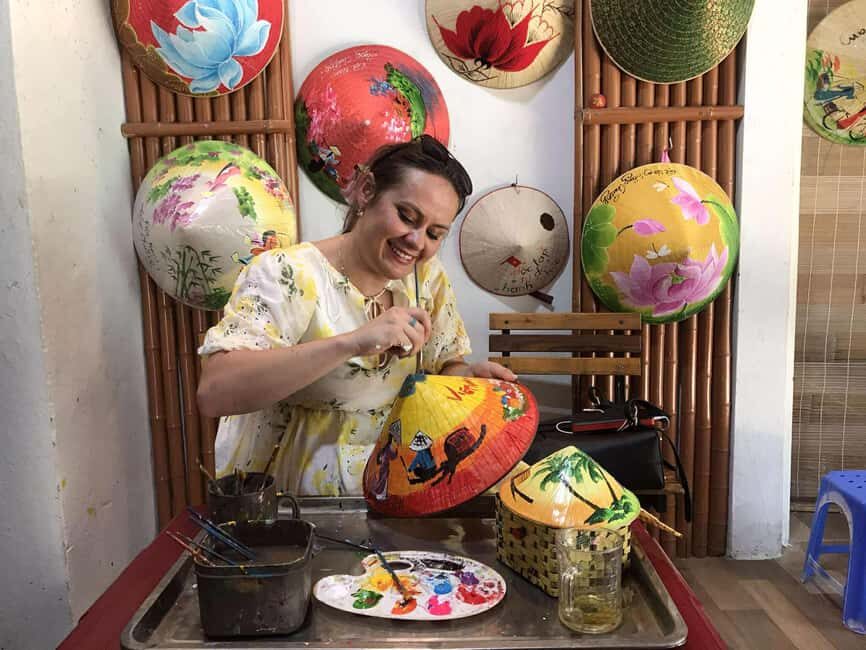
Hanoi can be loud, fast, and full of things you can buy anywhere. This tour is different because you see how Vietnamese crafts actually happen: wood gets shaped, leather gets treated, dyes get prepared, and sticks get rolled and finished.
What I like most is the balance. You get cultural context (why drums mattered, how incense is made, how hats became iconic) and you also get doing-time. Even if you’re not crafty at home, painting a conical hat or making incense sticks turns the experience from a photo mission into something you remember.
It’s also practical. You’re picked up from the Old Quarter area, given bottled water, and guided through the process with a professional local guide. You don’t waste the day figuring out transport between villages that are famous for one thing each.
You can also read our reviews of more tours and experiences in Hanoi.



The drum-making option: Doi Tam and the science of a good sound

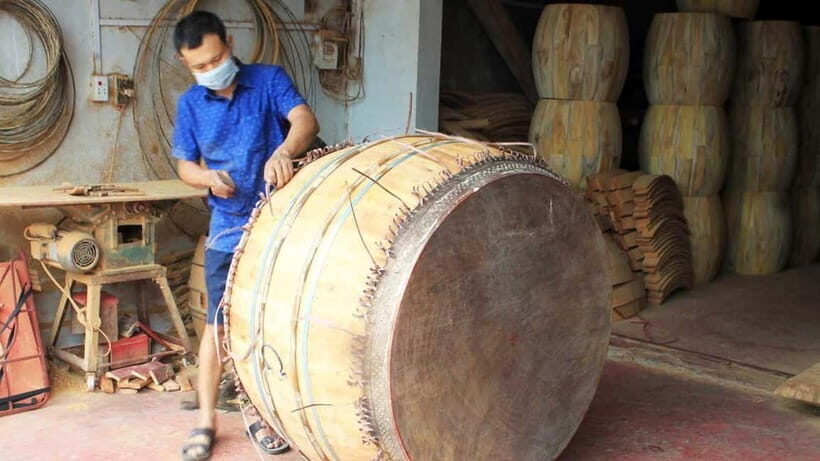
If your goal is drums, Doi Tam is where the story gets interesting. This village is known for producing high-quality drums, and the tour explains why that matters in Vietnamese culture—drums weren’t just instruments for entertainment. They were used as signals and featured in ceremonies and festivals.
Here’s what you can expect to see during the drum-making focus:
- Raw materials first: craftsmen start with jackfruit wood, choosing and preparing timber for the drum body.
- Forming the barrel shape: you’ll watch how the wood gets cut into planks and then curved into the drum’s barrel.
- Making the drumhead: buffalo leather is tanned, then stretched to create the head that will produce the tone.
- Assembly and finishing: the head gets attached to the barrel, and then the craft really shows up—patterns and decorative touches are added.
- Sound testing: the process includes a final sound check to confirm the drum’s pitch and response.
There’s also history in the background, not just workshop details. The tour notes that drum-making in the area traces back to 925 AD, with a legend tied to Nguyen Duc Nang and a giant drum made for King Le Dai Hanh’s visit in 987. The guide also explains how Doi Tam drums were played at royal festivals and ceremonies, which helps you understand why this craft stayed important for centuries.
One practical note: drums involve real materials and real work. If you’re sensitive to strong smells from tanned leather, that’s the one moment you might notice. Otherwise, it’s a clean, straightforward craft demonstration, with plenty of chances to ask questions.
Chuong conical hat village: paint a souvenir you actually made

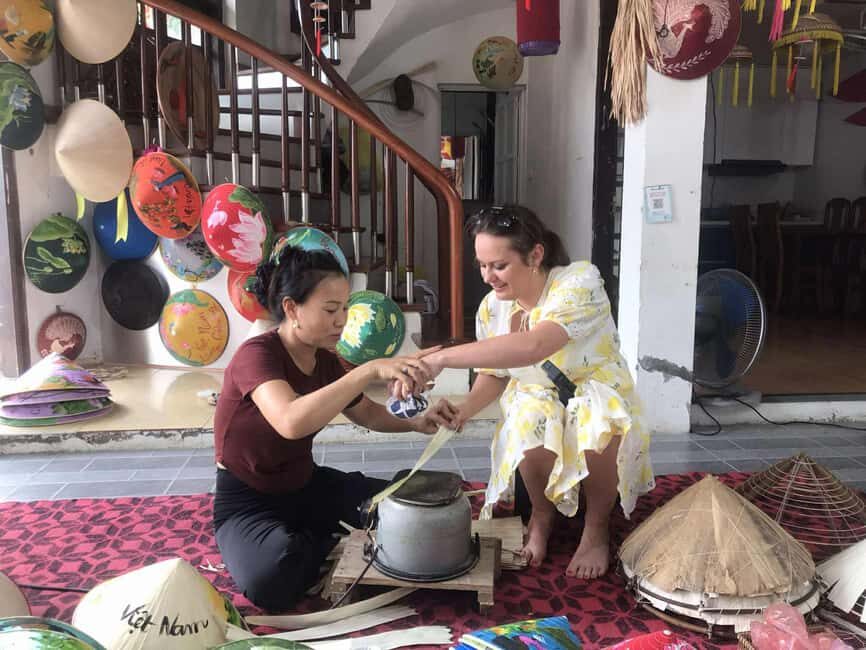
Chuong is the conical hat hub with a long reputation—over 300 years for the craft of hat-making. You’ll usually start with a photo stop and then a guided visit that runs about 100 minutes.
What you’ll see is the craft side of the hat, not a fast factory line. The guide shows how hats get made, then moves you into the fun part: decorating. The tour includes a free conical hat for painting, so you can bring home a souvenir that’s personal instead of generic.
This is a good stop if:
- you like craft activities you can take home,
- you want something visual for photos,
- you’d rather do a small hands-on task than sit through another lecture.
A small realism check: hat painting takes a little focus. Don’t wait until the last five minutes to start. Even simple designs look better when you pace yourself.
Quang Phu Cau incense village: from family-scale rolling to a factory view

Incense in Vietnam is more than “smell good.” It’s part of daily life and worship, and this is why the production process is worth paying attention to.
In Quang Phu Cau, you’ll walk through the village center and see incense made on a family scale. You’ll meet a family specializing in dyeing incense sticks, and you’ll see the colorful bundles that come out of that work.
The tour also includes a hands-on moment: you get some incense sticks after you make incense sticks yourself. That’s the key difference between watching a process and understanding it. Rolling is repetitive, but that repetition teaches you what’s going on.
You’ll also get a step up with a nearby production facility, where the guide explains how incense is made from scratch and shares more about the lives of manual workers. It’s a helpful contrast: small village method vs. larger production. You don’t need to be an industrial-systems person to appreciate the differences.
One drawback for some people: incense smoke and fragrance can be strong. If you’re sensitive, plan to bring a face mask and keep your time near the busiest rolling areas short.
The quick Train Street pass: optional, but don’t over-plan it
If you’re doing the hat-and-incense half-day version, there’s a stop at Hanoi Train Street—usually just a pass by, with a quick two-minute window. The tour notes that if you don’t want to get dropped off there, you can wait in the car.
So treat Train Street like a bonus photo moment, not a main event. It’s better to keep your expectations realistic. This isn’t a long, slow exploration of that area. It’s a quick check-in, and then you’re back to the crafts.



How the 6-hour schedule stays workable in real Hanoi
The tour runs about 6 hours with two common timing options:
- Morning: roughly 7:45 to 13:30
- Afternoon: roughly 11:45 to 17:30
Pickup is from your hotel in the Hanoi Old Quarter area, and the format is set up to be easy: bottled water included, entrance fees handled, and a professional local guide who can work across multiple languages.
Two schedule details I think matter:
- Time blocks per village: the hat visit is listed around 100 minutes, and the incense visit around 118 minutes, which usually gives you room for photos and questions without feeling rushed every two minutes.
- Group pace: the small-group setup is part of the point. In feedback, guides such as Henry were praised for being attentive during hat-and-incense time, and O Han was highlighted as patient and full of useful information. The practical takeaway is simple: when the group is small, you can ask why a step matters instead of just waiting your turn.
If you’re the type who hates being rushed, the small-group format helps. If you hate schedules entirely, this might feel like a “do lots, see lots” day.
Price and value: what $14 buys you in craft time
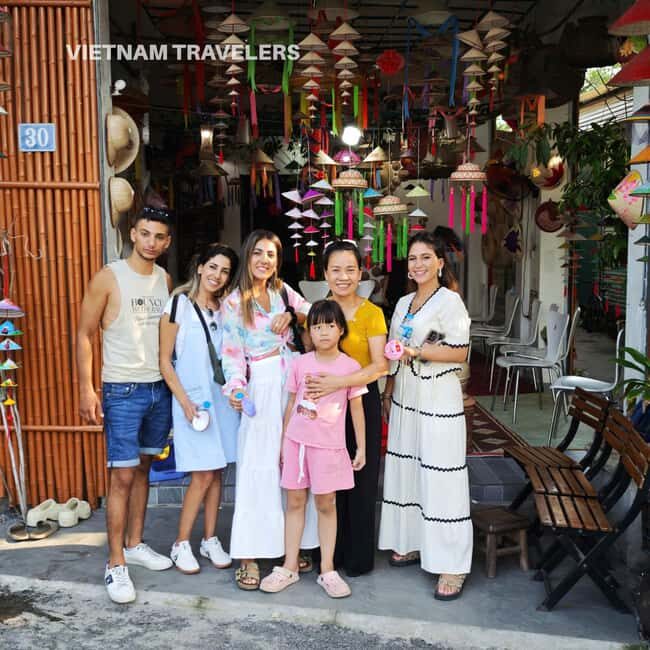
At around $14 per person for a 6-hour day, you’re not paying only for sightseeing. You’re paying for:
- hotel pickup and drop-off in the Old Quarter area
- a professional local guide
- entrance fees
- bottled water
- hands-on craft experiences like hat painting and incense making (depending on the version you choose)
- time with artisans, not just a roadside photo stop
The value jumps even more if you take advantage of the included making parts. A painted hat and incense you made yourself are not the kind of souvenirs that end up stuck in a drawer. They come with a story you can tell later.
Also, this is set up for flexibility: you can usually reserve now and pay later, and cancellations up to 24 hours in advance can be refunded.
What to pack and how to behave at craft workshops
This is a craft day, so pack like it’s a workshop visit.
- Wear something comfortable and breathable. Workshops often involve sitting, walking, and standing in warm areas.
- Bring a light layer if you get cold easily in vehicles, especially in air-conditioned cars.
- Expect incense smell near the incense-making areas, and plan accordingly if you’re sensitive.
- For photos, ask before close-up shots. You’ll be near working people, not actors in costume.
- If you’re painting a hat, keep your hands clean and avoid touching fresh paint areas on your sleeves.
The best way to enjoy this day is to treat it like a classroom without the boredom. Look at each step, ask what changes the final result, and don’t worry if your hat design looks like your own style. That’s the point.
Who should book this Hanoi craft tour (and who might skip)

This tour fits best if you:
- want a real craft experience rather than a quick photo chase,
- like hands-on activities that produce a take-home item,
- enjoy cultural context tied to everyday Vietnamese life and ceremonies,
- prefer small groups so your questions get answered.
You might skip it if you:
- want a full-day, unhurried country escape with zero schedule pressure,
- strongly dislike strong incense fragrance,
- plan to spend hours at Train Street itself. The train stop is brief.
Should you book this tour?
Yes—if you want to understand Hanoi beyond Old Quarter streets and into how Vietnamese artisans work, this is a smart use of time. The price is modest for a 6-hour day that includes guided craft visits and at least one real hands-on moment (hat painting and/or incense making depending on your version).
If your priority is drums, choose the Doi Tam drum-making option and pay attention to the materials and sound-testing parts. If your priority is cultural crafts you can take home, the Chuong hat and Quang Phu Cau incense version is the better match—especially because you get time to create, not just observe.
FAQ
How long is the Hanoi craft tour?
It runs for about 6 hours.
What villages are visited on the hat and incense version?
You’ll visit Chuong Conical Hat Village and Quang Phu Cau Incense Village, with a brief pass by Hanoi Train Street.
Do I get any souvenirs included?
Yes. You get a free conical hat to paint in the hat village, and you also receive some incense sticks after making incense sticks yourself.
Is lunch included?
Lunch is included with the private drum-making village option (home-cooked Vietnamese meal). The group hat-and-incense version does not list lunch as included.
What does the tour cost?
The listed price is $14 per person.
What languages are the guides available in?
Guides can operate in English, Vietnamese, Chinese, French, German, Italian, Spanish, and Japanese.
Is free cancellation available?
Yes. You can cancel up to 24 hours in advance for a full refund.