REVIEW · SAPA
Daily Experience Authentic TaPhin Valley &Traditional Herbal bath
Book on Viator →Operated by Vietnam Nomad Trails · Bookable on Viator
A day in Sapa, with no fluff. This small-group trek links Suoi Ho and Ta Phin through rice fields and forest paths, then finishes with a traditional Red Dao herbal bath. It’s a focused way to learn daily life among two major northern Sapa ethnic groups, not just to grab photos.
What I like most is the sequence: village walking, then rice-terrace hiking, then bamboo forest, then the Ta Phin village visit. You also get a real break in the middle with lunch hosted by a local family, which helps the day feel human instead of rushed. The one thing to think about is the hike: you’ll be on dirt trails for much of the morning and afternoon, so plan for a moderate fitness level and some uneven footing.
If you want an authentic Sapa day that mixes culture and scenery—plus a warm herbal bath at the end—this one makes practical sense for the price.
In This Review
- Key highlights you’ll care about
- Suoi Ho and Ta Phin: the trek that actually connects dots
- Morning logistics: pickup, timing, and keeping your energy
- Suoi Ho village: Black Hmong daily life and working rice terraces
- The included lunch hosted by a local family
- Bamboo forest trek to Ta Phin: moving from fields to village trails
- Ta Phin village visit: strolling with context, not checklists
- Traditional herbal bath in Ta Phin: the soothing payoff
- Price and value: $39 for a full day of transport, guide, lunch, and entry
- Who should book this herbal bath trek, and who might not love it
- Quick practical notes before you go
- Should you book? My take
- FAQ
- How long is the Ta Phin Valley and Herbal Bath tour?
- Is hotel pickup included in Sapa?
- What’s included in the price?
- What ethnic groups will I visit during the day?
- Is lunch included, and is it with locals?
- Do I need to be physically fit?
- What is the group size?
- What if the weather is bad?
Key highlights you’ll care about
- Small group size: maximum of 9 travelers, so questions and pace feel manageable
- Two ethnic-group experiences: Black Hmong at Suoi Ho and Red Dao at Ta Phin
- Rice-terrace timing: if your trek matches rice plantation season, you may join hands-on field activities
- Lunch with a local family: included, and it’s where the day slows down
- Traditional herbal bath: included at Ta Phin, offered by the Red Dao community
Suoi Ho and Ta Phin: the trek that actually connects dots

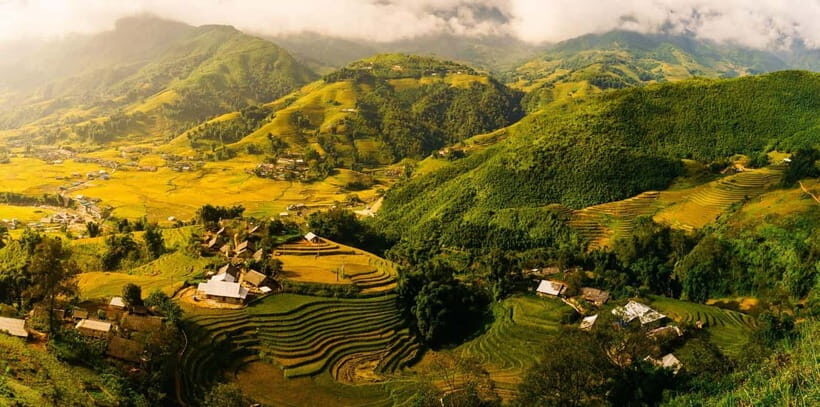
Sapa can feel like a buffet of viewpoints. This tour uses a smarter approach. You move through Suoi Ho (Black Hmong) and then to Ta Phin (Red Dao) in one day, with hiking paths that mirror how people actually travel between villages and working fields.
That connection matters. When you walk the dirt trails and see rice terraces up close, the villages don’t feel like “stops.” They feel like part of one working region where people farm, trade knowledge, and keep traditions alive.
The tour is also built around learning, not performance. A key part of the value is the English-speaking guide, who can explain daily customs and habits and help you notice things most visitors miss—like how village life ties into farming and seasonal work.
You can also read our reviews of more tours and experiences in Sapa.


Morning logistics: pickup, timing, and keeping your energy

You’ll be picked up from your Sapa hotel around 8h30–8h45am. From there, you’re in a comfortable air-conditioned vehicle for the transfer to the trail start.
Why that timing matters: the morning is when the light tends to be best for rice terraces and when village visits feel calmer. You’ll still do plenty of walking, so I’d treat this day like an outdoor half-day, not a casual stroll.
Also note the small group limit: up to 9 travelers. That generally means fewer bottlenecks at narrow paths and more flexibility if the guide needs to slow down for questions.
Bring: comfortable shoes with real grip. Expect uneven dirt trails. Even if you’ve hiked before, Sapa paths can surprise you when they’re wet or muddy.
Suoi Ho village: Black Hmong daily life and working rice terraces
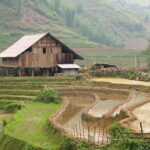
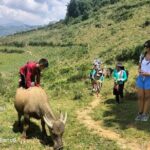
Your day’s first big moment is a hike to Suoi Ho village, home to the Black Hmong. You start with time to explore the village and see daily routines up close, guided by someone who can connect what you’re seeing to how people live.
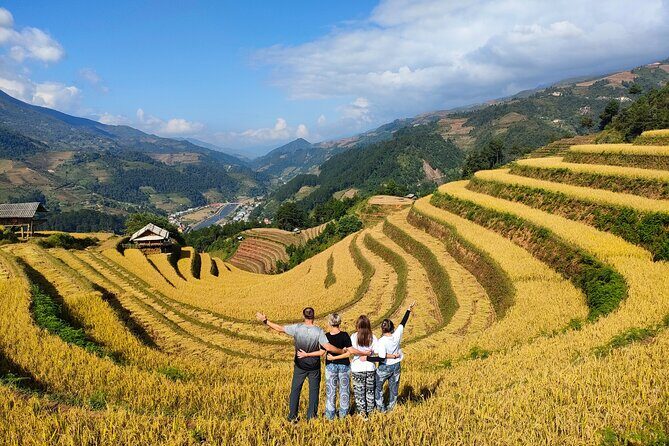
Then the trail shifts into scenery-heavy hiking. You move along a dirt path through the rice terraces. If you’re there during rice plantation, you may have the chance to join activities tied to the season. That’s one of those “small detail, big payoff” parts. Even short participation helps you understand the pace and rhythm of agricultural life in Sapa.
This is also where you’ll benefit most from a good guide. In past group outings, guides such as Nhù, Su, and Niou have been praised for clear explanations and strong communication about local customs and nature—so you’re not just looking at fields, you’re learning how the community thinks about them.
Potential drawback: you may spend longer on your feet than you expect if you’re used to sightseeing with frequent stops. Pace is usually steady, but the day is still a trek.
The included lunch hosted by a local family
After the morning hike, you’ll stop for lunch at a spot hosted by a local family. This is one of the most important value points of the tour, even if the menu details aren’t listed.
Here’s why it matters: lunch is built into the experience, not tacked on as a roadside break. Eating with or near a local family setting makes the rest of the day feel less like a one-direction photo route and more like a shared timeline—farm work, village conversation, then rest.
You’ll also have bottled water (1L per person) included, which is practical in Sapa’s mountain air. I still recommend you pace yourself and drink steadily during the morning walk.
If you’re sensitive about timing, plan to keep the rest of your afternoon flexible. Lunch is your reset button for the bamboo forest and the later village walk.
Bamboo forest trek to Ta Phin: moving from fields to village trails
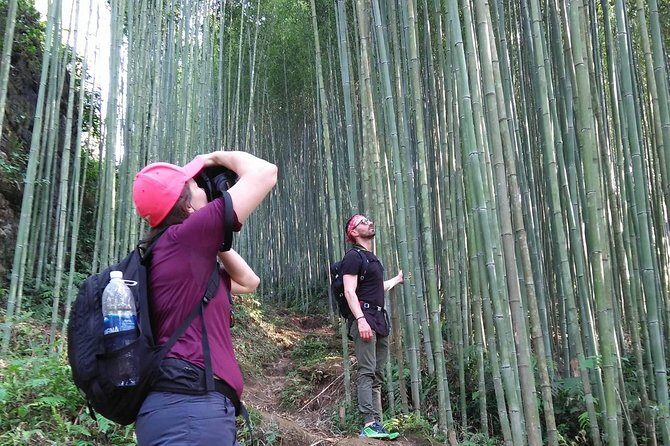
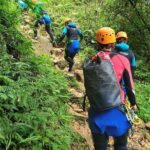
After lunch, the route shifts into a bamboo forest trek. This is where the experience changes texture. Rice terraces are open and airy. The bamboo path can feel more shaded and cooler, which many people find surprisingly soothing after a morning in the sun.
You’ll be walking toward Ta Phin, inhabited by the Red Dao minority. Along the way, your guide can point out how the region’s environment supports daily life—how paths connect communities, and how people use the surrounding natural resources.
What I like here is the contrast. You’re not only stacking “more scenic stops.” You’re moving through different types of local terrain that match how people work and live.
Consideration: if it’s rainy or muddy, bamboo areas can get slippery. Take your time on foot. A good rule is to let the guide set the pace rather than trying to keep up for photos.



Ta Phin village visit: strolling with context, not checklists
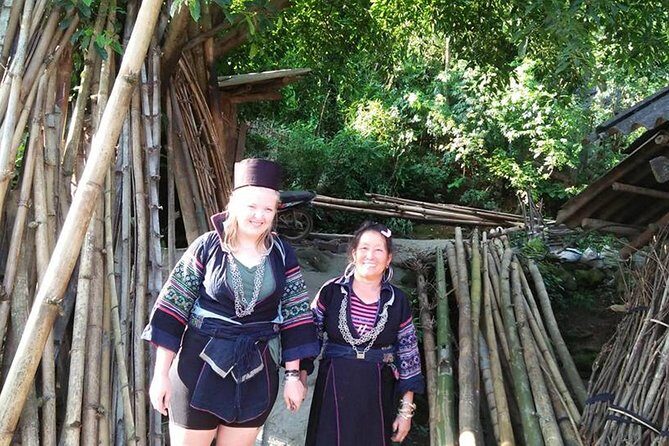
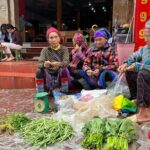
Once you reach Ta Phin, you’ll stroll through the village and learn about the daily life of the Red Dao community. This part of the tour is designed for observation: how people live, how routines show up in the village space, and how tradition continues through normal day-to-day habits.
This is also where the tour’s theme becomes clear. You’re seeing two of the largest ethnic groups in Sapa in a single day:
- Black Hmong at Suoi Ho
- Red Dao at Ta Phin
That pairing is useful because it turns your understanding from “two random villages” into a comparison of lifestyles, customs, and seasonal work patterns across the region.
Guides who explain customs well can make this section feel like a conversation. People have highlighted strong communication and enthusiasm from guides like Su and Niou, which is exactly what you want on a village walk—questions, answers, and time to understand what you’re looking at.
Traditional herbal bath in Ta Phin: the soothing payoff
The day’s final big attraction is the traditional herbal bath. It’s included as part of the Ta Phin experience and tied to the Red Dao community’s traditional medicine approach.
What to expect, practically: you’ll have a dedicated stop for bathing as part of your visit. Think of it as the reward phase after several hours outdoors. Mountain trekking works up the aches, and a warm soak (plus herbs) is a great way to reset.
Because the tour data doesn’t list the exact herbal ingredients or the bath setup, the best assumption is simply this: it’s a customary Red Dao herbal bathing experience included in the program. Use it as a chance to slow down, warm up, and give your legs a break.
Small tip: if you’re sensitive to new scents, be prepared for herbal smells. It’s part of the tradition.
Price and value: $39 for a full day of transport, guide, lunch, and entry
At $39 per person, this tour competes well in Sapa’s market because it bundles the hard-to-source parts:
- English-speaking guide
- Air-conditioned vehicle
- Lunch
- Admission fees
- Traditional herbal bath
- Bottled water (1L)
A lot of cheaper options in Sapa either skip lunch, skip the guided context, or add hidden extras once you’re on the ground. Here, the structure is clear: you’re paying for a day plan that includes guided village time, hiking, lunch, and the bath.
The tradeoff is that it’s still an active trek. You’re not paying for a private car-and-views day. You’re paying for an experience that uses walking as the connection between communities.
Also: it’s set for a maximum of 9 travelers, which usually helps keep the experience from feeling like a moving queue.
Who should book this herbal bath trek, and who might not love it
This tour is a strong fit if you want:
- Culture with walking time, not just short village look-ins
- A day that mixes Black Hmong and Red Dao daily life
- A clear ending point: the herbal bath
- A moderate hiking challenge (not extreme, but real enough)
You might think twice if:
- You dislike dirt trails and uneven footing
- You want lots of lounging time
- You’re traveling with very limited mobility (the tour notes moderate fitness level)
If you’re the type who enjoys asking questions—about customs, daily habits, and how people relate to plants and nature—this is the kind of day where a great guide makes a real difference.
Quick practical notes before you go
- The tour uses a mobile ticket.
- It includes an admission fee and bottled water.
- Pickup is offered near public transportation areas.
- Weather matters: the experience requires good weather and can be rescheduled or refunded if conditions are poor.
- Tips for guide and driver are not included.
Should you book? My take
Yes, I’d book this if your goal is a real Sapa day that connects communities and ends with a meaningful traditional experience. For $39, getting guide time, lunch, entry fees, transportation, and a herbal bath in the same plan is solid value—especially with a max group size of 9.
I’d only skip it if you want an easy, flat itinerary or if you’re unprepared for a moderate trek over dirt trails and potentially slick paths.
If you’re excited to see how Sapa’s Black Hmong and Red Dao communities live and work, then ending the day with a Red Dao herbal bath feels like a satisfying, practical reward.
FAQ
How long is the Ta Phin Valley and Herbal Bath tour?
It lasts about 6 to 7 hours.
Is hotel pickup included in Sapa?
Yes. Pickup is offered from your hotel in Sapa around 8h30am–8h45am.
What’s included in the price?
The tour includes an English-speaking guide, air-conditioned vehicle, lunch, admission fees, traditional herbal bath, and bottled water (1L per person).
What ethnic groups will I visit during the day?
You’ll visit Black Hmong areas at Suoi Ho and Red Dao areas at Ta Phin.
Is lunch included, and is it with locals?
Yes. There is a lunch stop hosted by a local family, and lunch is included.
Do I need to be physically fit?
You should have a moderate physical fitness level. You’ll be trekking on trails, including dirt paths and a bamboo forest section.
What is the group size?
The experience has a maximum of 9 travelers.
What if the weather is bad?
This experience requires good weather. If it’s canceled due to poor weather, you’ll be offered a different date or a full refund.