REVIEW · NORTHERN VIETNAM
Full day motorbike Mu Cang Chai
Book on Viator →Operated by Indigenous Adventure · Bookable on Viator
Mu Cang Chai is best seen in motion. This full-day motorbike ride lets you go from viewpoint to viewpoint quickly, with a guide sharing H’mong culture and stopping at the region’s most photo-worthy rice terraces. You’re not stuck watching scenery from one spot—you get angles as you travel.
I especially love the maximum visibility you get from riding through the valleys. You’ll also get a full included break with local lunch, and the meal has a homestyle feel in line with how guides like Yien’s family cook for visitors during the day.
One thing to consider: this is about an 8-hour motorbike day, so plan for a long stretch of sitting on uneven roads and bring a “layer up” attitude, especially if the weather changes.
In This Review
- Key reasons to pick this Mu Cang Chai motorbike day
- How the full-day motorbike format feels in Mu Cang Chai
- Morning route: Hau De waterfall and raspberry-hill rice views
- Hau De waterfall: cool air and a reset
- Small raspberry hill fields: Wind of Hill
- La Pan Tan viewpoint: a must for big-angle photos
- Big raspberry hill terraces: Doi Mam Xoi La Pan Tan
- Lunch around 12:00 pm, and why it’s not a throwaway
- Afternoon highlights: Dinosaur backbone, bamboo forest, and the horseshoe terraces
- Dinosaur backbone mountain: a signature shape moment
- Mu Cang Chai bamboo forest: quieter, cooler, slower
- Horse shoe rice field: Mong Ngua Mu Cang Chai
- Mu Cang Chai market: local life, not a staged stop
- What to expect from the guide and H’mong culture stops
- Price and value: what $80 buys in a full 8-hour day
- Who should book this Mu Cang Chai motorbike day
- Should you book this full-day Mu Cang Chai motorbike tour
- FAQ
- How long is the Mu Cang Chai full-day motorbike tour?
- Is pickup offered?
- Do I ride the motorbike, or is there driving involved?
- Is lunch included?
- Are entrance fees included?
- What kind of guide will I have?
- What stops are included during the day?
- What happens if the weather is poor?
- Is there a minimum number of travelers?
Key reasons to pick this Mu Cang Chai motorbike day
- English-speaking, local guide experience: you’re guided by locals such as Yien, who’s known for clear communication and sharing daily life
- A ride-first route: you hit waterfall, viewpoints, terrace fields, bamboo forest, and the market without wasting the whole day
- Terrace stops with real access: you can get up close and walk in the rice fields at some stops
- Lunch is part of the deal: local cuisine is included, with bottled water to keep you steady through the day
- Safety comes from the driver: you ride behind an experienced driver, so you can focus on photos and photos only
How the full-day motorbike format feels in Mu Cang Chai
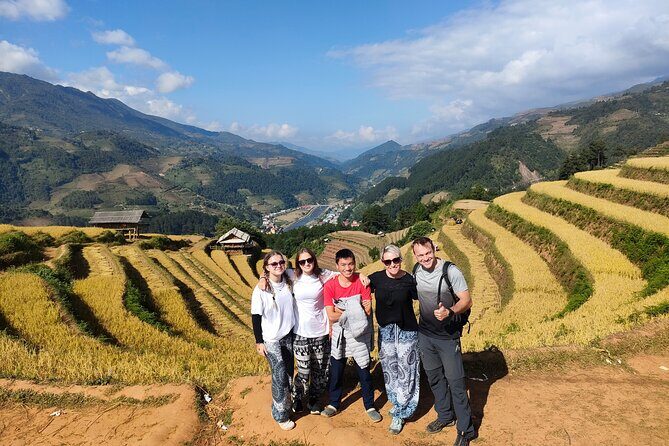
This tour is built for people who want to see a lot of Mu Cang Chai in one day, without doing logistics on your own. You’ll meet in the morning and then follow your guide on their motorbike. The promise is simple: you’ll stop often at the region’s key highlights, so you’re not just passing by.
Timing is straightforward. You start in the morning around 8:00–8:30, and the tour wraps up around 4:00 pm. That means you get daylight for terrace photos, plus enough time for the quieter stops that make the day feel balanced, like the bamboo forest.
You’ll also be riding with an experienced local driver. That matters more than it sounds. On mountain roads, your job becomes staying relaxed, not steering. If you’ve never ridden before, it can feel a little intense at first—but with an experienced driver, you typically settle in fast.
Practical tip: keep your daypack light. You’ll want your hands free for cameras and quick field walks. Wear closed-toe shoes you don’t mind getting dusty, because terrace paths can be… agricultural.
You can also read our reviews of more tours and experiences in Northern Vietnam
Morning route: Hau De waterfall and raspberry-hill rice views
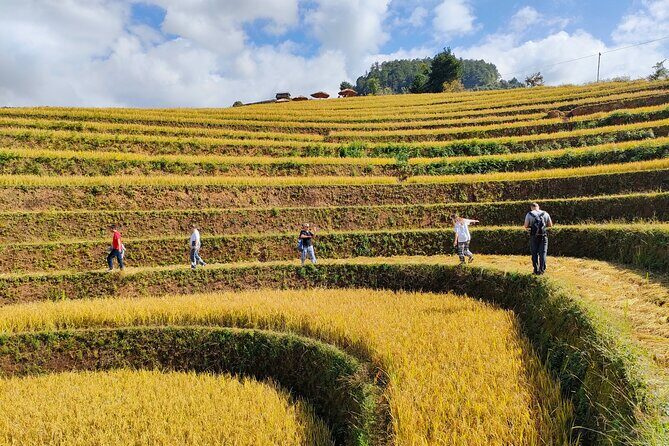
The morning is where the Mu Cang Chai wow-factor stacks up. You’ll start with Hau De waterfall, then work through terrace viewpoints and rice fields with stops that are designed for both photos and short stretches on the ground.
Hau De waterfall: cool air and a reset
A waterfall stop is more than a pretty postcard. It gives you a break from the heat and the long ride feeling. You also get that “soundscape” effect—windy, damp air, and a different mood from the terrace fields. Even if you only spend a short while there, it helps the rest of your day feel more comfortable.
Small raspberry hill fields: Wind of Hill
Next come rice fields with names that sound poetic and make you pay attention to detail: the small raspberry hill rice field (Wind of Hill). In Mu Cang Chai, terrace colors shift with season and light, so early stops can look different than the afternoon ones. This is a good moment to slow down, look across layers, and notice how the terraces step down the mountains.
La Pan Tan viewpoint: a must for big-angle photos
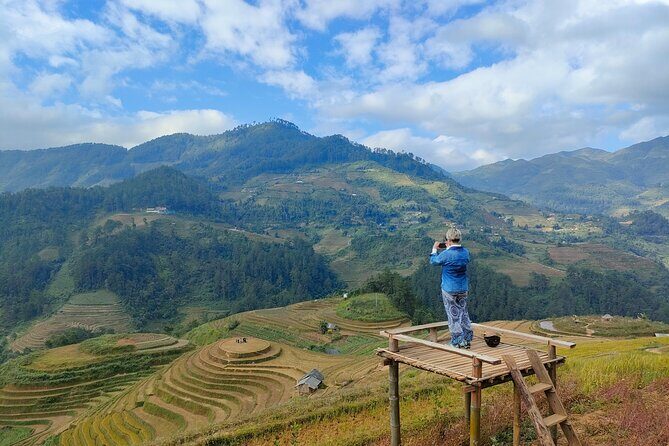
Then you’ll reach La Pan Tan viewpoint. Viewpoints are where the day earns its mileage. From up high, you can finally see how the terraces connect, how valleys open, and how the mountains frame the rice. If you’re a “one great photo per stop” person, this is one of those places.

Big raspberry hill terraces: Doi Mam Xoi La Pan Tan
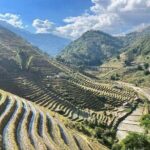
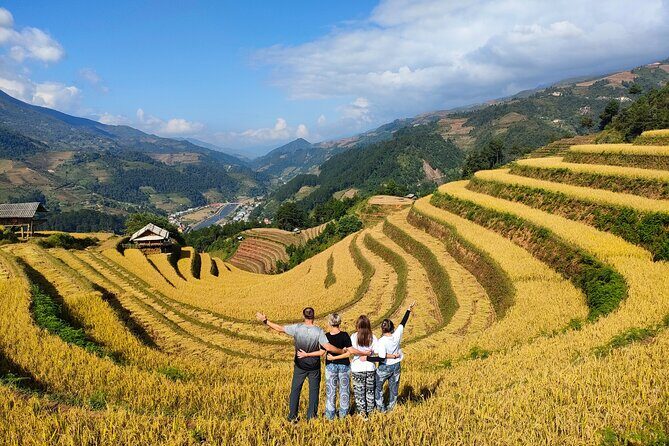
The morning closes with the big raspberry hill rice field (Doi Mam Xoi La Pan Tan). This is often the kind of view that makes you forget you’ve been riding for hours. The terraces can feel endless, and when your guide stops in the right spot, you can get angles that are hard to match if you’re trying to do the route independently.
One more thing: you’re not just looking from a road edge. With a knowledgeable guide, you can usually step closer for up-close terrace moments, and some stops may include short walks through the fields. That changes the experience from scenic to personal—you notice texture, steep steps, and how locals move through the farmland.
Lunch around 12:00 pm, and why it’s not a throwaway
Around 12 pm, you take a break for lunch with your driver. Lunch is included, along with bottled water.
What I like about this setup is that it keeps the day human. In rural areas like Mu Cang Chai, a proper pause matters. Without lunch, a full-day ride can start to feel like one long race between viewpoints. With lunch included, you get the rhythm right: ride, stop, absorb, eat, then go back out for the afternoon highlights.
Also, there’s a real homestyle feel here. In guide stories from Yien, the lunch is described as being made with care by family, which usually means you’re not eating a generic “tour meal.” It’s local food that fits the day you’re having.
Practical move: eat at a normal pace, even if you’re tempted to rush for the next viewpoint. The afternoon stops include both scenic and quieter moments, so you’ll want steady energy.
Afternoon highlights: Dinosaur backbone, bamboo forest, and the horseshoe terraces
After lunch, the day turns into a mix of dramatic names and calm places. You’ll continue through the region to Dinosaur backbone mountain, Mu Cang Chai bamboo forest, Horse shoe rice field (Mong Ngua Mu Cang Chai), and then finish with the Mu Cang Chai market before heading back.
Dinosaur backbone mountain: a signature shape moment
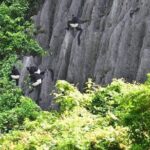
The Dinosaur backbone mountain stop is one of those places where the name helps you understand the shape. It’s the kind of stop where you look, tilt your head, and instantly get why it’s called that. If you like geological forms or weird rock shapes, this is a memorable break from the terraces.
Mu Cang Chai bamboo forest: quieter, cooler, slower
Then comes the Mu Cang Chai bamboo forest. Bamboo forests have a way of lowering the noise in your brain. After terrace viewing, it feels like the itinerary intentionally adds a decompression stop.
The bamboo forest is also a good reminder that Mu Cang Chai isn’t only about rice fields. The region has a whole ecology of plants and land uses, and bamboo stands for part of that working landscape. You’ll feel the shift as soon as you move from open views into dense greenery.
Horse shoe rice field: Mong Ngua Mu Cang Chai
Next is the Horse shoe rice field (Mong Ngua Mu Cang Chai). The shape is the point. When a terrace field is named for its curve, you can often frame it better with fewer shots—because there’s one clear “best angle” to look for.
This stop also balances the earlier morning viewpoints. If the morning had broad valley energy, the horseshoe terraces can feel more focused and graphic—like a design you’re walking around.
Mu Cang Chai market: local life, not a staged stop
Finally, you’ll visit the Mu Cang Chai market. A market stop adds the missing puzzle piece: what you’re seeing is farmland, but it’s also a living community with daily routines and trade.
Here’s what I find valuable: it connects the terraces you photographed all day to the people who depend on them. Even if you only spend a short time, it helps the cultural side of the tour click into place.
After the market stop, you’ll head back to the starting point around 4 pm and wrap up the day.
What to expect from the guide and H’mong culture stops
This tour isn’t just a driving loop. The guide is there to explain what you’re seeing and why it matters, especially around H’mong culture.
In conversations with guides like Yien, what stands out is the personal approach—sharing how people live and work the land, not only reciting facts. Some stops also include time to walk through the fields, which makes learning more than a lecture. When you step onto a terrace path, you get the logic of the farmland layout in your body.
If you enjoy asking questions, this is a good day for it. You’re on a motorbike with time moving, so you can ask quick, practical questions about daily life, seasonal farming, and how locals think about the terraces. Your guide can keep it conversational in the same way they’re comfortable answering fast questions from first-timers.
And yes, it’s an English-speaking guide experience, which helps a lot in northern Vietnam when you want cultural context without guessing.
Price and value: what $80 buys in a full 8-hour day
The price is $80 per person, and for this kind of day, it’s not only about the views. You’re paying for several things bundled together:
- Motorbike transport with a local driver for the day
- English-speaking guide who manages the route and the stops
- Lunch and bottled water
- Entrance fee coverage (the admission ticket is listed as free)
Value is highest when you would otherwise spend time and energy organizing those pieces yourself. If you’re already in the area and you can’t (or don’t want to) coordinate your own motorbike plus guideplus all stops, the bundled cost makes sense quickly.
Another quiet value point: the tour is designed as a full loop. You’ll likely see terrace fields from multiple angles across the day, plus the waterfall, bamboo forest, and market. That kind of “route efficiency” is hard to pull off without local planning.
One more practical detail: booking seems to happen ahead of time, with an average booking window around 26 days. If your dates are firm, don’t wait until the last week.
Who should book this Mu Cang Chai motorbike day
Book it if you want a full-day view of Mu Cang Chai without spending your holiday time coordinating transport. This tour fits especially well for:
- People who want to see multiple terrace regions in one day
- First-time riders who prefer riding with an experienced local driver
- Travelers who like both scenic stops and a cultural layer
- Solo travelers or couples who want a planned day but still want real access to fields and viewpoints
It may not be the best fit if you:
- Hate long days on motorbike seating (it’s about 8 hours)
- Can only travel when the day is perfectly smooth and controlled
- Want to drive yourself (this is described as riding with a driver)
Good news: the tour notes that most travelers can participate and it’s near public transportation, which can make it easier to connect your travel day.
Should you book this full-day Mu Cang Chai motorbike tour
I’d book it if your goal is to maximize Mu Cang Chai in one day and you like getting close to terraces instead of just watching from a distance. The mix of waterfall, viewpoints, terrace fields, bamboo forest, and a market stop gives the day shape, not just motion.
I’d be cautious if you’re sensitive to a long motorbike day or you know you struggle with road discomfort. If that’s you, pick the day carefully and bring a “small challenges, big views” mindset.
If you’re deciding between doing it yourself and joining a guided full-day ride, this is the kind of option that keeps your energy where it matters: looking, walking briefly, taking photos, and learning in between stops.
FAQ
How long is the Mu Cang Chai full-day motorbike tour?
It runs for about 8 hours (approximately).
Is pickup offered?
Yes. The experience includes pickup offered.
Do I ride the motorbike, or is there driving involved?
You’ll ride in a motorbike setup with a local driver.
Is lunch included?
Yes. Lunch is included, and it’s described as local cuisine.
Are entrance fees included?
Yes. The tour includes entrance fees, and the admission ticket is listed as free.
What kind of guide will I have?
You’ll have an English-speaking guide.
What stops are included during the day?
You’ll visit several highlights, including Hau De waterfall, La Pan Tan viewpoint, Dinosaur backbone mountain, Mu Cang Chai bamboo forest, Mong Ngua Mu Cang Chai (horse shoe rice field), and the Mu Cang Chai market.
What happens if the weather is poor?
This experience requires good weather. If it’s canceled due to poor weather, you’ll be offered a different date or a full refund.
Is there a minimum number of travelers?
Yes. The tour requires a minimum number of travelers, and if that minimum isn’t met, you’ll be offered a different date or a full refund.