REVIEW · NORTHERN VIETNAM
Authentic Sapa Trek 2 Days 1 Night – Local Experience with Mango
Book on Viator →Operated by Mango Trekking Tours sapa · Bookable on Viator
Trekking here feels real. This is a 2-day, 1-night Sapa walk that trades bus rides for footpaths through Hmong and Giay villages in the Muong Hoa Valley. You’ll see terraced rice, small community markets and craft work, and daily life up close—plus you sleep at a Ta Van hillside homestay with strong views of the paddies.
Two things I really like: first, the route keeps you moving through village-to-village single tracks, not just wide scenic paths. Second, you get the practical comforts that matter on a mountain trip: meals (breakfast, dinner, and two lunches), a bottle of filtered water, and a car back to Sapa after the trek.
One drawback to consider: it’s for people with moderate fitness. Paths are uneven, there’s a lot of walking, and the tour isn’t suitable for children under 8.
In This Review
- Key Highlights You’ll Care About
- Why This Sapa Trek Feels Local, Not Staged
- Getting Started: Sapa Stone Church and a 9:00 AM Launch
- Day One: Y Linh Ho, Lao Chai, and the Single-Track Stretch
- Y Linh Ho: A Peaceful Hmong Village in the Muong Hoa Valley
- Lao Chai: Largest H’Mong Village, Terraces Everywhere
- Ta Van: Giay Culture and a Slower Pace
- Ta Van Overnight at Mango House: Where the Views Actually Matter
- What to expect in the homestay setting
- Day Two: Bamboo Forest Walk and Waterfall Escape
- Giang Ta Chai: Red Dao People and a Quieter Hill Stop
- Food, Water, and the Real Value of $60
- What to Pack: Shoes, Rain, and the Smart Stuff
- Who This Trek Suits Best (And Who Should Skip It)
- A Quick Note on Pace and Group Comfort
- Should You Book Mango’s Authentic Sapa Trek?
- FAQ
- FAQ
- What time does the trek start in Sapa?
- How long is the trek?
- Do I get pickup from my hotel area?
- What’s included in the price?
- Is the homestay in Ta Van part of the trip?
- What should I bring for comfort and safety?
- What’s the minimum age for this trek?
- Is this a private tour?
Key Highlights You’ll Care About
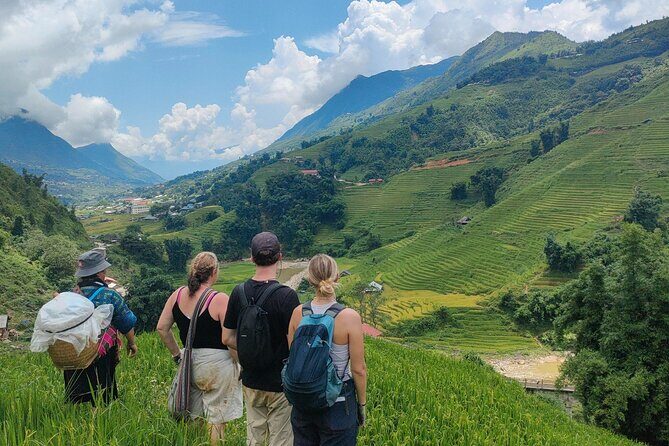
- Village-to-village trekking across the Muong Hoa Valley, with time in Y Linh Ho, Lao Chai, and Ta Van
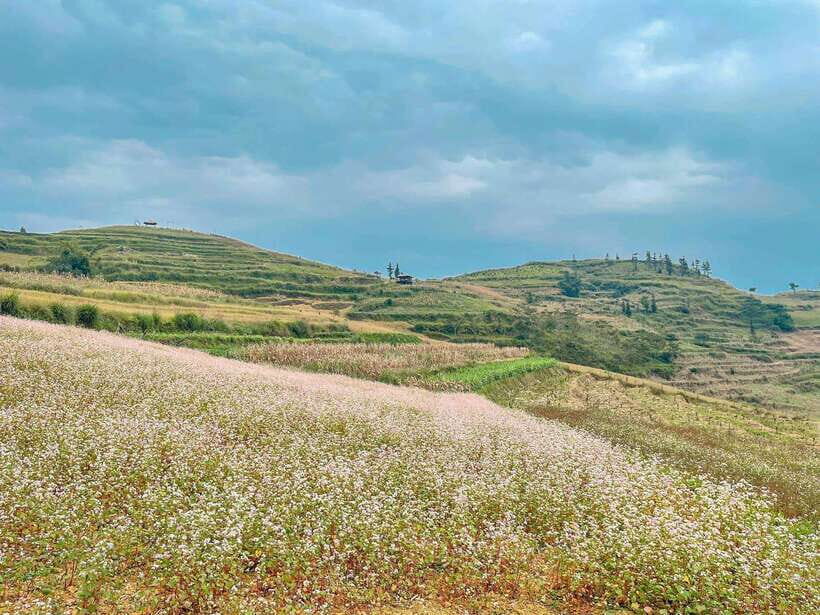
- Mango House in Ta Van: a cozy homestay on a hillside with rice terrace views
- Bamboo forest walk plus waterfall escape to cool off and reset after village time
- Giang Ta Chai and the Red Dao community, a quieter stop away from the busiest areas
- Food and water that are built in: breakfast, dinner, and two lunches, plus filtered water
Why This Sapa Trek Feels Local, Not Staged
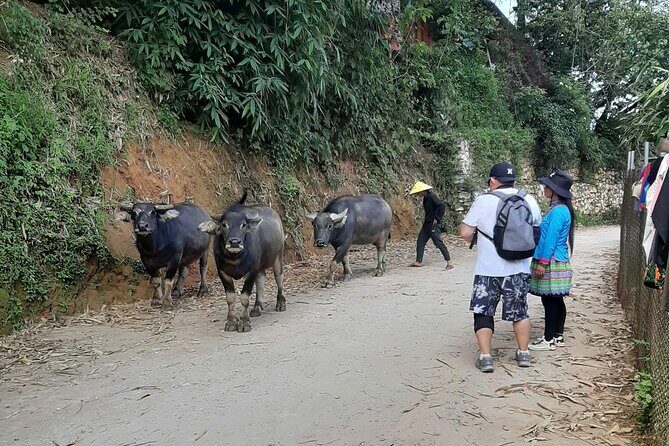
Sapa can feel like a theme park if you only do the easy viewpoints. This trek goes the other direction. Instead of spending all day at lookouts, you spend time walking between communities and stopping where people actually live, farm, and make everyday crafts.
That village focus changes the whole rhythm of the trip. You’re not just taking photos of scenery. You’re learning how the landscape supports life: terraces shape farming seasons, footpaths shape movement, and village work shapes the day. It’s the kind of experience that makes the hills feel human-scale.
I also like that the tour keeps things straightforward. It’s a private group experience, with pickup offered, and you get a clear structure for meals and the overnight stay. That matters because trekking trips often get chaotic if you’re improvising too much.
You can also read our reviews of more evening experiences in Northern Vietnam
Getting Started: Sapa Stone Church and a 9:00 AM Launch
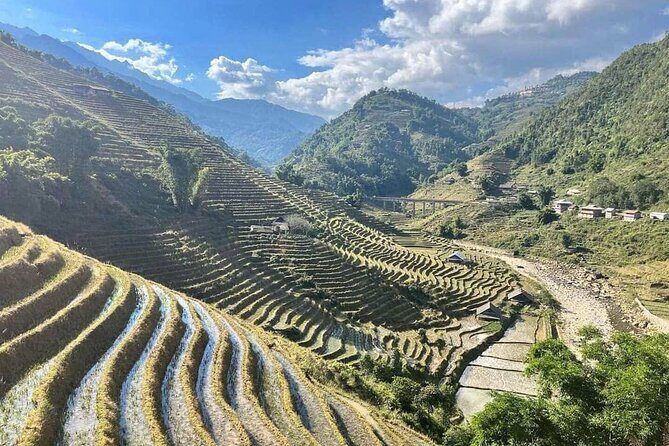
Your day starts at Sa Pa Stone Church in the town center, with a 9:00 AM departure. This is useful for you if you’re already staying near the main strip and want to avoid complicated transfers.
The tour notes that pickup is offered, which is great if you don’t want to hunt for transport up to the start. Even with pickup, keep an eye on timing and bring a little buffer. Mountain walking starts early, and you’ll want your shoes and layers already sorted.
Since this is a private activity, your group will be moving together at the pace your guide sets. That’s usually a win: you can slow down for photos on narrow paths without feeling like you’re holding up a crowd.
Day One: Y Linh Ho, Lao Chai, and the Single-Track Stretch
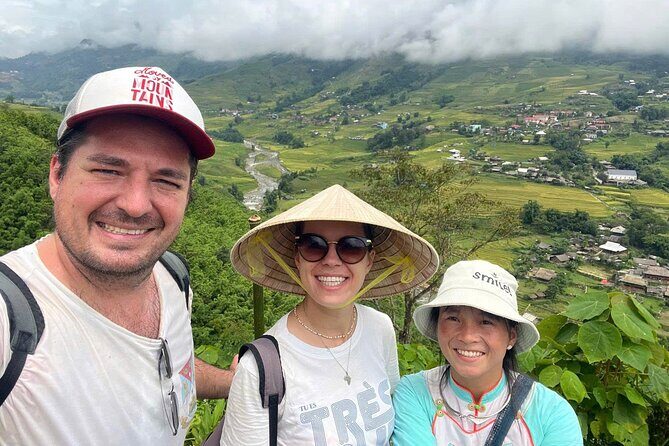
Day one is built around three village stops—each one with a different feel and a different kind of cultural context.
Y Linh Ho: A Peaceful Hmong Village in the Muong Hoa Valley
You begin with a trek down a mountain trail to Y Linh Ho. It’s a quieter, smaller Hmong village tucked into the Muong Hoa Valley. The walking time is about 3 hours, and you’ll cover enough ground to feel like you earned the views, but not so much that it turns into a punishment.
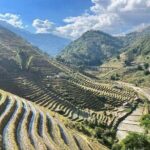
What makes Y Linh Ho a good starting point for you is the contrast. You start near town, then the trail quickly shifts into real valley terrain. You’ll start noticing the details: how terraces step down hillsides, how homes sit relative to water sources and paths, and how village life is arranged around daily movement.
The tour includes an admission ticket for this stop, so you won’t get stuck trying to pay for entry separately.
Lao Chai: Largest H’Mong Village, Terraces Everywhere
Next you continue to Lao Chai, described as the largest H’Mong village in Sapa. The walking time is about 2 hours.
This is often the stretch where you’ll feel the most “single-track” trekking. The path narrows, and you’re walking where locals walk. I like that because it helps you experience the valley as a working place, not just a scenic corridor. You’re likely to pass small plots, walls of stacked earth, and terrace edges that look fragile until you realize how long people have worked them.
The good news: the Lao Chai stop is listed as free for admission, so the cost side stays simple.
You can also read our reviews of more hiking tours in Northern Vietnam
Ta Van: Giay Culture and a Slower Pace
In the afternoon you head to Ta Van, home to the Giay ethnic group. This stop is about 2 hours walking. Ta Van tends to feel like the transition from “moving through villages” to “living in them for a while.”
By the time you reach Ta Van, you’ll probably notice you’re thinking differently. Less about keeping up, more about looking closely. That’s when small details start mattering: the layout of homes, the way paths connect, and how people use the space around them.
The stop has an admission listed as free, which keeps the experience budget-friendly.
Ta Van Overnight at Mango House: Where the Views Actually Matter
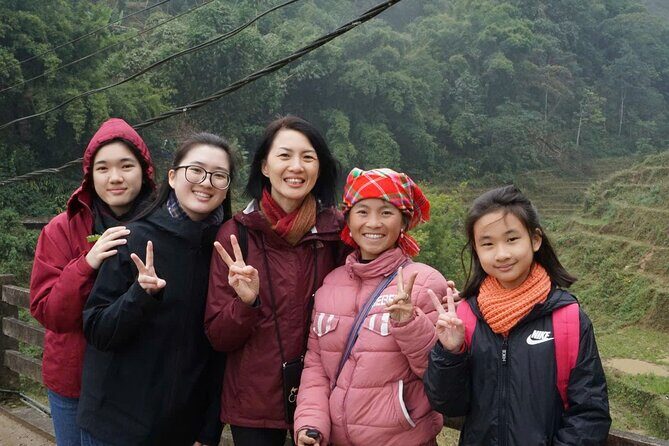
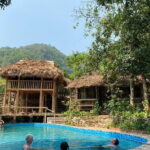
After arriving in Ta Van, you settle in at Mango House, a cozy hillside homestay with breathtaking views of lush green rice terraces and the Muong Hoa Valley. The tour notes that you stay there for the overnight period, with about 16 hours assigned to the property.
This is one of the biggest value pieces of the trip. You’re not just passing through the village and leaving before sunset. Sleeping here turns the landscape into something you experience in light changes. Terraces look different in early evening fog or low morning sun, and your brain has time to stop rushing.
It’s also where the experience becomes more than a hike. You get dinner included, you have breakfast the next day, and you’re close enough to village rhythm that the trip doesn’t feel like it ends when you finish the walk.
What to expect in the homestay setting
The tour is designed as a local experience, so you should expect a simple, community-based setting. That can be part of the charm for you if you like cultural contact and don’t need a hotel-style experience.
Your best move: plan for mountain air and changing weather. Even if the day feels clear, the hillside can get cool after dark.
Day Two: Bamboo Forest Walk and Waterfall Escape
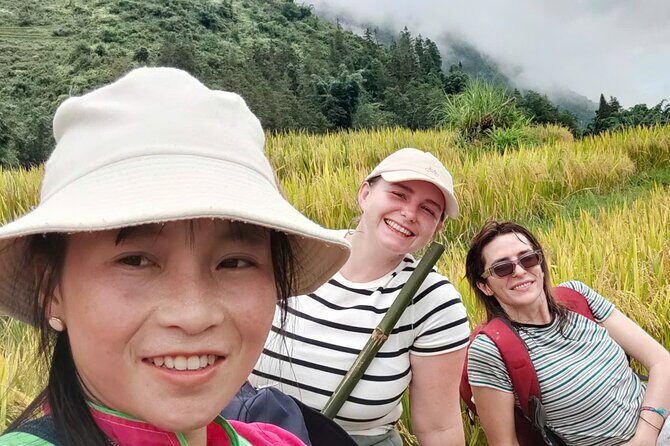
Day two starts after exploring Ta Van. Then you head out for a bamboo forest walk, followed by a waterfall escape.
This section is a smart contrast to the village stops. Bamboo and water have a way of resetting your body after the walking days. The tour notes cool shade and fresh mountain air, and you’ll feel that difference quickly once you shift from terrace edges to denser forest paths.
You’ll want to keep your footing in mind here too. Forest trails can be slippery, especially after mist or rain. If you’ve only worn flat sandals so far in Vietnam, consider this your cue to use proper non-slip walking shoes.
Giang Ta Chai: Red Dao People and a Quieter Hill Stop
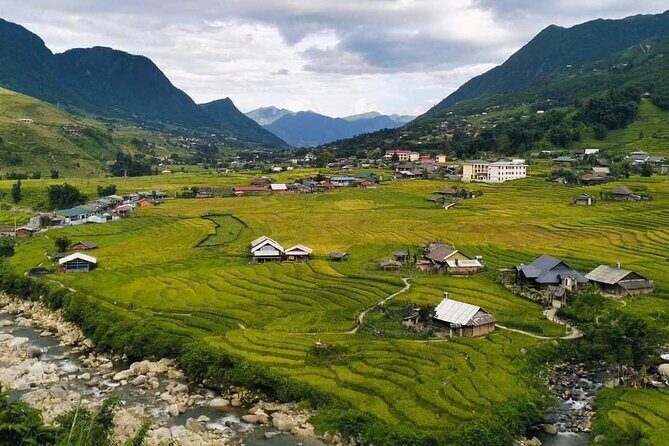
After the bamboo and waterfall part, the next stop is Giang Ta Chai, home to the Red Dao people. This is described as a quiet village tucked into the hills of the Muong Hoa Valley.
This stop works well if you like learning through observation rather than through scripted explanations. In smaller, quieter communities, you often have a better chance to notice how daily life connects to the environment—how people use the hillsides, how paths route around household needs, and how community space feels more settled than in busier tourist zones.
It’s also a good reminder that Sapa isn’t one culture. It’s a set of neighboring communities with different identities, clothing, and village traditions.
Food, Water, and the Real Value of $60
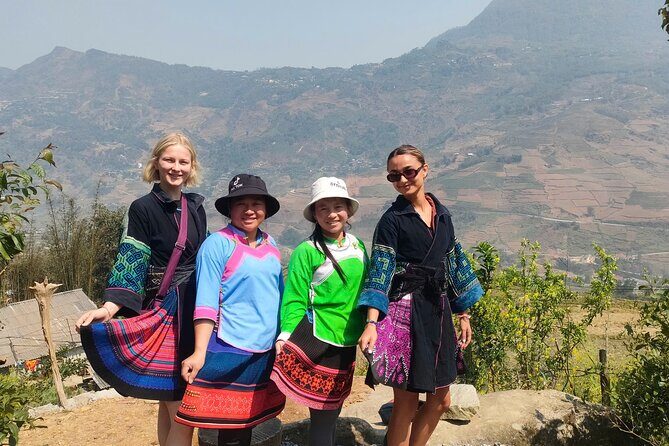
Let’s talk value in plain terms. $60 per person for two days and one night sounds budget-friendly, but the real question is what’s covered and what you still need to budget yourself.
Here’s what’s included:
- Breakfast and dinner
- Two lunches
- One bottle of filtered water
- Car back to Sapa after the trek
- Pickup is offered (so getting moving is easier)
What’s not included:
- Wine, beer, soft drinks
- Personal travel insurance
- Tips for your guide (optional, based on satisfaction)
For your budget planning, the standout value is meals plus transportation back. Trekking is expensive on the hidden costs: snacks, meals you buy on the run, and transportation you have to solve last minute. This tour already handles those big pieces.
Also, the small included water bottle matters more than you might think on a mountain day. Even if you bring extra snacks, having filtered water included is one less thing to manage.
What to Pack: Shoes, Rain, and the Smart Stuff
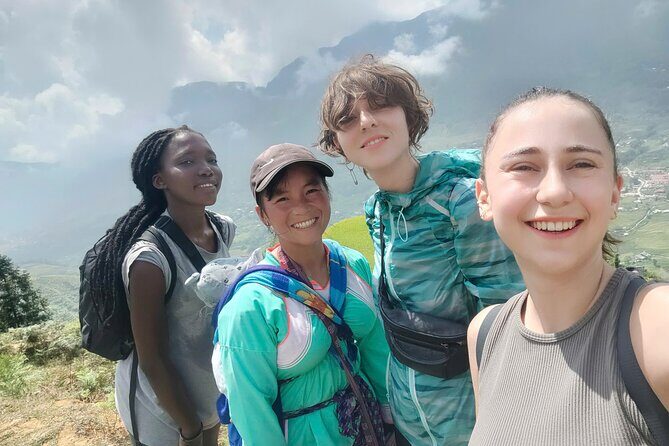
This trek is very doable, but only if you dress for mountain walking. The tour’s guidance is practical, and you’ll thank yourself for following it.
Bring:
- Comfortable, non-slip walking shoes
- A light raincoat if you’re traveling in rainy season
- A hat plus sunscreen and sunglasses in summer months
- Your own drinking water and light snacks
- A fully charged smartphone or camera for the rice terrace views
You’ll also want to pack a little “don’t get stuck” mindset. Uneven terrain means you’ll want to avoid loose shoes, slippery soles, or anything that makes your ankle feel unstable.
One more thing: keep the vibe respectful. The tour walks through ethnic minority villages, and you’re asked to respect local culture and traditions and not litter. It sounds obvious, but in practice it’s the difference between a meaningful interaction and an awkward one.
Who This Trek Suits Best (And Who Should Skip It)
This experience is a strong match if you:
- Like slow travel on foot instead of only viewpoints
- Want a real homestay night in Ta Van
- Enjoy meeting communities and seeing how terraced farming shapes daily life
- Prefer a private group pace
It may not be a great match if:
- You expect fully even, paved paths
- You want a low-walking trip
- You’re traveling with kids under 8 (the tour says it isn’t suitable under that age due to uneven terrain and long distances)
- You or someone in your group has health issues that make mountain paths risky (the tour asks elderly guests to be capable of walking on mountain paths)
If you’re moderately fit, it should feel like a good challenge: long enough to feel like you did something, but structured enough that you’re not guessing what comes next.
A Quick Note on Pace and Group Comfort
Because this is private, you’re not locked into the slowest or fastest person in a big group. You can likely move at a comfortable pace and still stop for photos when the moment hits.
The tour’s flow also includes a full overnight stay rather than rushing through everything in daylight. That helps you avoid the common trekking problem where you’re exhausted before you even arrive at the place you actually wanted to see.
Should You Book Mango’s Authentic Sapa Trek?
I’d book this trek if you want a Sapa experience that centers on people and paths, not just photos from the roadside. The combination of village walking, a real homestay night at Mango House, and day two nature time (bamboo and waterfall) makes it feel balanced: culture, community, and a break for your body.
I’d hesitate only if your fitness level is low or if you want a very low-effort schedule. This isn’t a stroller walk. It’s walking on mountain trails.
If you’re excited about terraced rice scenery, single-track trekking, and spending the night where locals live, this is a solid value at $60.
FAQ
FAQ
What time does the trek start in Sapa?
It starts at 9:00 am from Sa Pa Stone Church.
How long is the trek?
It’s about 2 days and 1 night.
Do I get pickup from my hotel area?
Pickup is offered, and you can arrange it as part of the experience.
What’s included in the price?
The tour includes breakfast, dinner, two lunches, one bottle of filtered water, and a car ride back to Sapa after the trek.
Is the homestay in Ta Van part of the trip?
Yes. You stay overnight at Mango House in Ta Van.
What should I bring for comfort and safety?
Wear comfortable, non-slip walking shoes. Bring a light raincoat for rainy season, plus hat, sunscreen, and sunglasses in summer. Also bring water and light snacks, and make sure your phone or camera is charged.
What’s the minimum age for this trek?
The minimum age is 8 years old, and it is not suitable for children under 8 due to uneven terrain and long walking distances.
Is this a private tour?
Yes, it’s a private tour/activity, so only your group participates.