REVIEW · NORTHERN VIETNAM
From Hanoi: 2-Day Sapa, Fansipan, and Muong Hoa Valley Tour
Book on GetYourGuide →Operated by Vietnam Nomadtrails · Bookable on GetYourGuide
Fansipan in two days is a real plan. This tour strings together Fansipan (via cable car and a climb up to the peak) and Muong Hoa Valley rice-terrace walking, then adds village visits with ethnic communities so the scenery comes with context. I love how efficient the route feels for first-timers, and I love the way the hikes are built around actual local places like Lao Chai and Ta Van rather than only viewpoints.
One possible drawback: the trip is tightly scheduled. You’ll get great mountain time, but Sapa itself is more of a short breather than a slow wander, and your trekking level may mean you do not follow the exact same path as the rest of the group.
In This Review
- Key highlights worth your attention
- Hanoi to Sapa by limousine: comfortable transit, mountain timing
- Day 1’s core mission: Fansipan by cable car to the Roof of Indochina
- What makes the Fansipan day feel worth it
- The guided transition: two guides, different handoffs
- Day 2 in Muong Hoa Valley: rice terraces plus village life
- Light vs hard trek: choose what matches your energy
- Lunch in Ta Van: eating where the day is happening
- Sapa town time: a breather, not a full-day explore
- Price and value: what $169 buys in real terms
- Who should book this tour (and who should rethink it)
- What to bring so the weekend feels easy
- Should you book: the practical decision
- FAQ
- How long is the Hanoi to Sapa Fansipan and Muong Hoa valley tour?
- What’s included in the $169 per person price?
- How do you get up to Fansipan Peak on Day 1?
- Is the Muong Hoa Valley trek difficult?
- Where is lunch on Day 2?
- Is this tour suitable for people with health problems?
- What’s the group size and guide language?
Key highlights worth your attention
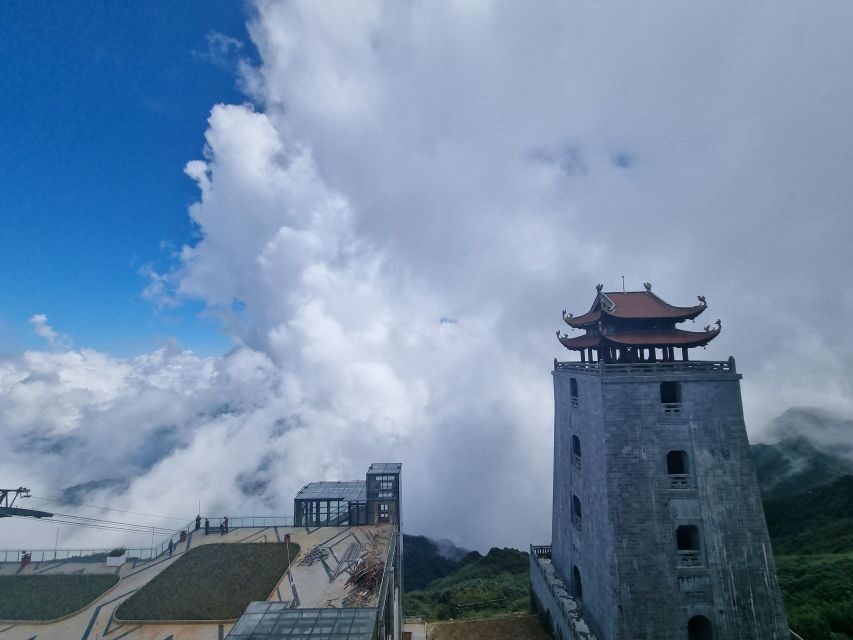
- Cable car to Fansipan’s high starting point so you spend your energy on the peak section, not the long slog up from the base.
- Pagoda stop + around 600 steps that turn the summit into a satisfying physical payoff.
- Muong Hoa Valley rice terraces with real village stops at Lao Chai and Ta Van, not just photo stops.
- Light or hard trekking choice depending on your fitness, plus options along the route for home visits and school/community moments.
- Lunch in Ta Van at a local home which helps make the day feel personal and grounded.
- Small group (up to 10) with English-speaking guidance; guides you may see include Sue, Xuan, and Lala, with a coordinator like Robert mentioned in past tours.
Hanoi to Sapa by limousine: comfortable transit, mountain timing

The tour starts in Hanoi with pick-up around 6:30am from the Old Quarter area, with the main meeting point listed at 99 P. Hàng Gai (Hoàn Kiếm). If your hotel is in the Old Quarter, you can request pick-up directly from your accommodation, otherwise you’ll meet at the main point.
Then you ride a round limousine bus to Sapa. The comfort is the selling point here: you’re spending a big chunk of Day 1 in transit, so having seats that don’t make you hate life by lunchtime matters. Practically, this also sets the rhythm—today is about getting to the mountain experience, not exploring Sapa like you would on a longer trip.
You can also read our reviews of more tours and experiences in Northern Vietnam
Day 1’s core mission: Fansipan by cable car to the Roof of Indochina
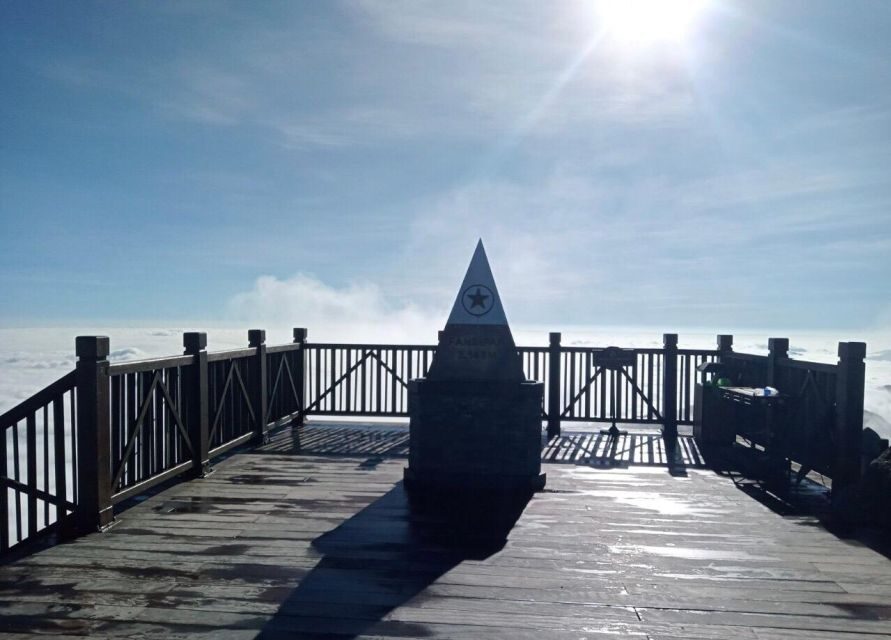
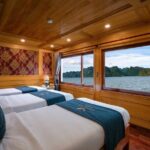
Once you arrive in Sapa, you’ll meet your local guide (English-speaking) and head for lunch at a local restaurant. After that, you check into your 3-star hotel and get a chance to reset—think hot shower and a short rest before the mountain section.
Around 2:00pm, you go to the Fansipan cable car station, with the ride taking about 25 minutes. The goal is simple: lift you quickly to a high starting zone—about 2,800 meters—so you can enjoy big views without paying for it with an all-day climb.
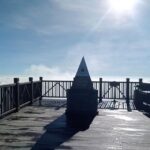
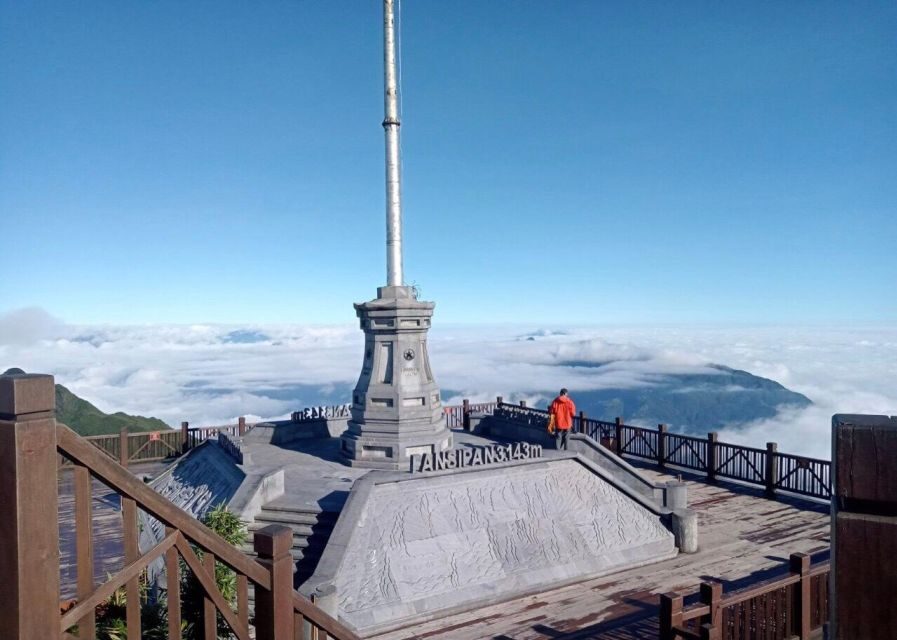
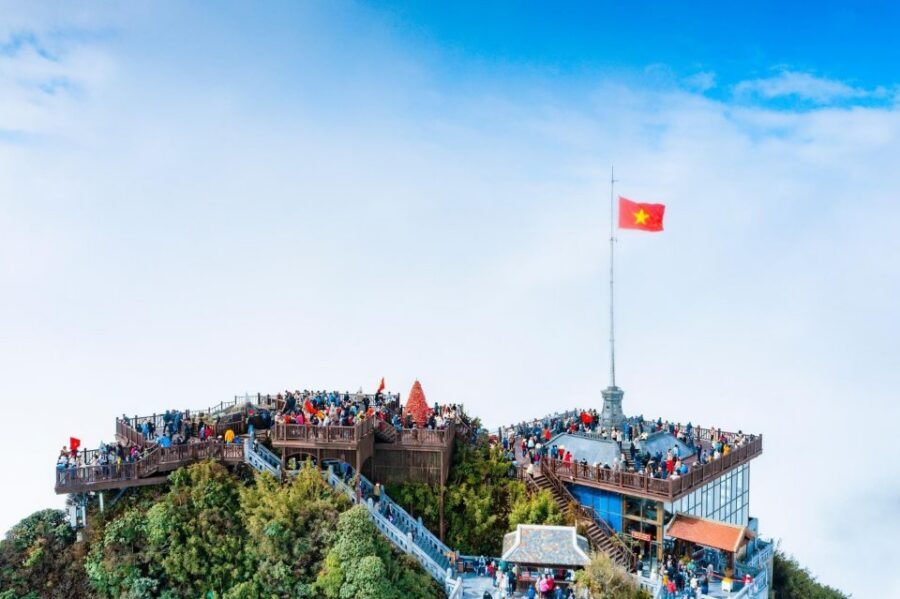
When you reach the top, you’re not just standing around. You’ll have time for views and photos, then you’ll visit a pagoda/spiritual stop before trekking around 600 steps to the summit area, often described as the Roof of Indochina. It’s the kind of segment that feels short on paper but still earns its bragging rights once you feel your legs working.
A note on comfort and safety: the tour information is clear that Fansipan requires good health and isn’t suitable for people with acrophobia (fear of heights). If you have high blood pressure or heart problems, this route may not be a good fit.
What makes the Fansipan day feel worth it
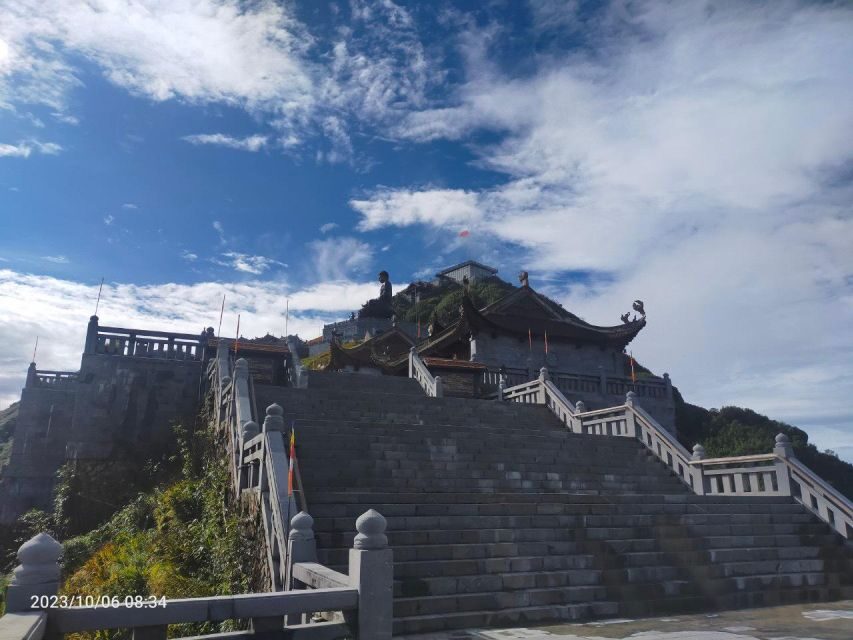
This part of the itinerary earns its place because of the balance between effort and payoff. The cable car handles the exhausting elevation gain, while the summit steps still give you a real sense of achievement.
Also, the guide’s role matters more than you might think. In past runs of this tour, you’ll see guides like Sue, Xuan, or Lala leading different sections. That division can be a positive thing, because each guide tends to focus tightly on their area—cable car context, then hiking context—so the information stays relevant instead of generic.
Finally, the fact that there’s a spiritual stop on the way up gives you more than one reason to pause. You’re not just climbing; you’re also absorbing the meaning locals attach to the place.
The guided transition: two guides, different handoffs
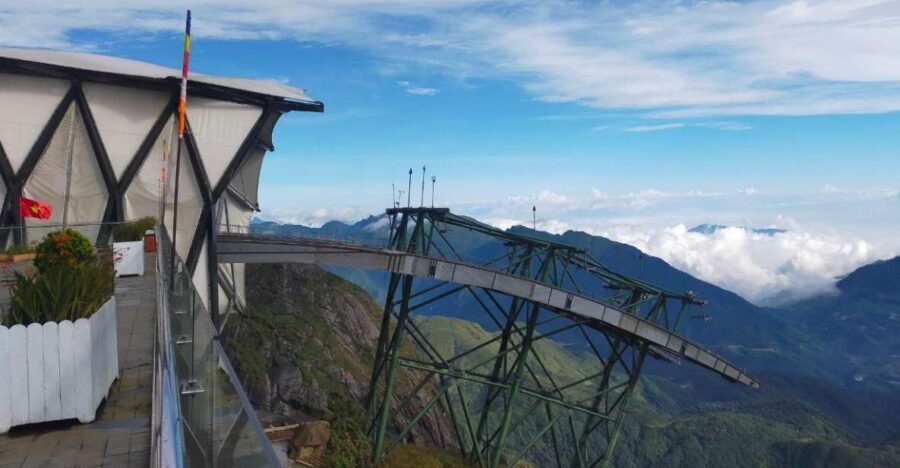
One small operational detail to know: your itinerary uses different guides by section. For example, the cable car portion and the Sapa hike portion may involve different local guiding people. Transfers are also described as not always being with the same overall guide, so you might see a coordinator or local staff doing the handoffs.
This isn’t automatically a problem—especially with a small group—but it can feel strange if you expect one person to stick with you from pick-up to drop-off. If you like smooth, continuous narration, just mentally prepare for brief guide changes.
If you’re the type who asks questions, that’s where the model shines. People like Sue, Xuan, and Lala are described as friendly and thoughtful, and that makes the culture part feel human rather than scripted.
Day 2 in Muong Hoa Valley: rice terraces plus village life
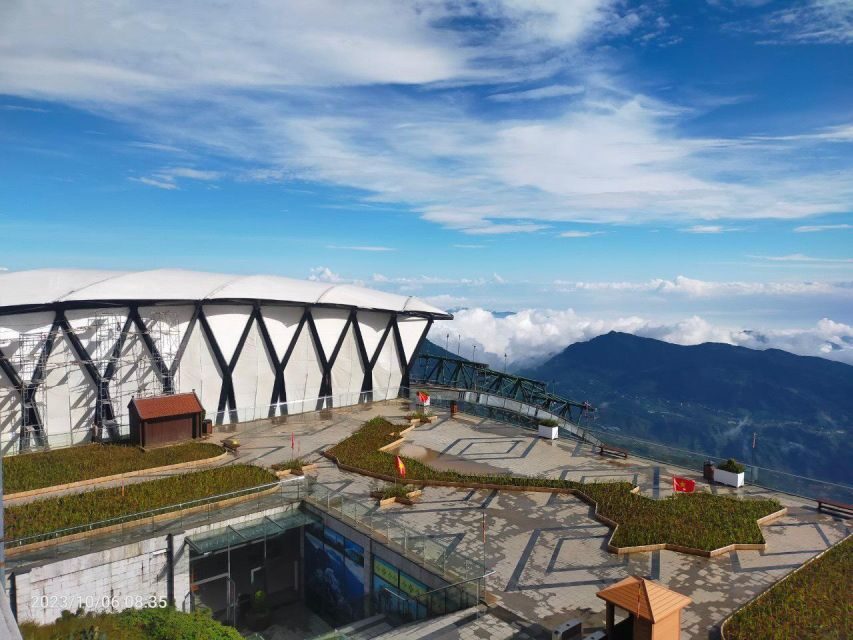
Day 2 begins after breakfast, then you set out into Muong Hoa Valley. This is where the tour shifts from mountain spectacle to daily-life details.
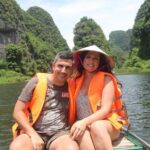
You’ll trek through the valley and visit Lao Chai (the Hmong community) and Ta Van (the Dzay community). Along the way, you’ll also drop into local homes and local schools and have interaction time with people in the villages. It’s not framed as a show; it’s presented as a guided walk that slows down just enough for you to connect.
The trekking style is flexible. You can choose a light or hard trek depending on your fitness level, and the route you take can affect which trail you walk compared to other people in the group. That’s good if you’re honest about your limits, but it can lead to timing differences within the group.
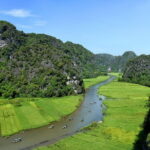
The rice terraces are the star in the background, but what makes this day memorable is what happens in front of the terraces. Watching people live their routines in a place shaped by farming takes the photos from pretty to meaningful.
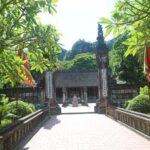

Light vs hard trek: choose what matches your energy
You can tailor the walking effort on Day 2, which is one of the smarter inclusions on the whole itinerary. If you choose light, you’ll still experience the valley and village visits. If you choose hard, you’re trading extra steps for more challenge and more intense valley walking.
The trade-off is simple: a more demanding choice can mean you end up on a different path from the rest of the group. If you prefer staying visually aligned with your companions at all times, consider choosing the easier option so the group flow stays consistent.
Lunch in Ta Van: eating where the day is happening
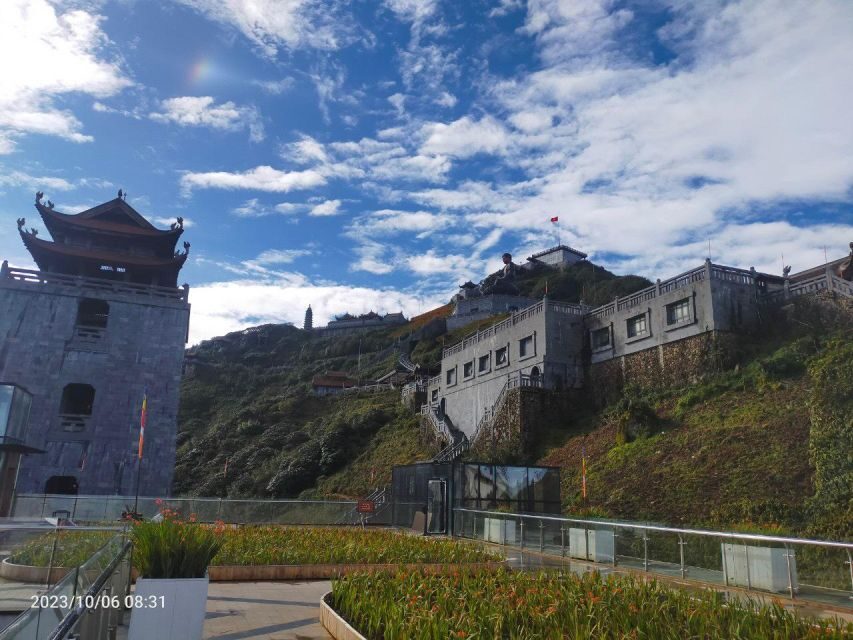
Lunch is included on Day 2 at a local home in Ta Van. That’s not just about food—it’s about pace. Eating there is a built-in “pause” that gives you time to absorb the village setting without constantly rushing onward.
After lunch, you’ll have free time to wander around, and you may also have the option to take a swim in the Muong Hoa stream. Even if you don’t swim, this break helps turn the hike into an experience instead of a checklist.
Sapa town time: a breather, not a full-day explore
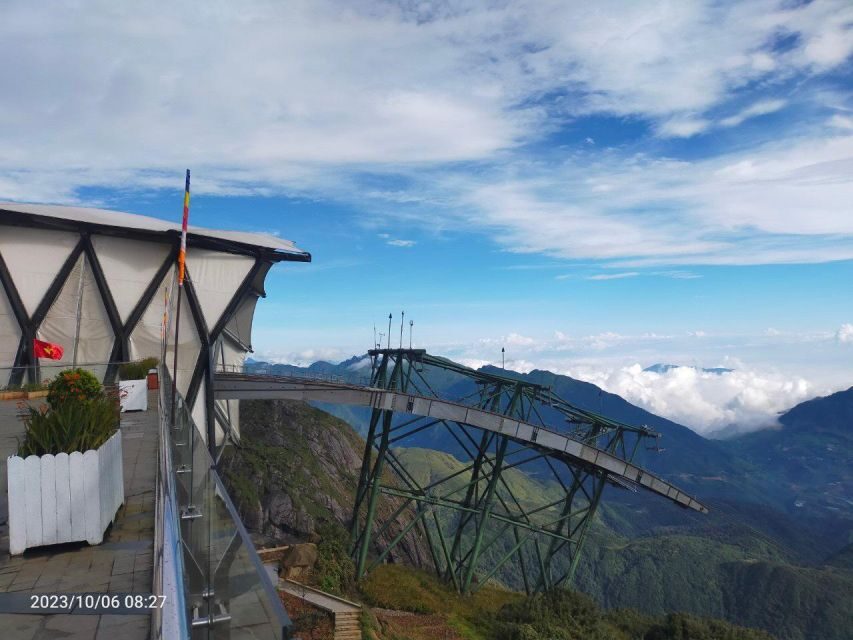
After the trek and village visits, you’ll be picked up by van back to Sapa town. Then you get some free time to wander and explore.
Here’s the honest part: your schedule still pushes you back to Hanoi. You’re scheduled for the return transfer at 14:00, with arrival in Hanoi around 19:30 so you can check into your hotel and relax on your own.
So if you’re hoping for a full Sapa exploration day—markets, long café stops, and unhurried walks—this tour won’t pretend to be that. It gives you a taste, plus the big mountain and valley experiences, in exchange for less free time in town.
Price and value: what $169 buys in real terms
At $169 per person for two days, this tour stacks a lot of major costs into one package. You’re getting a round limousine bus ticket Hanoi–Sapa, a return Fansipan cable car ticket, and lodging in a deluxe double/twin/triple room at a 3-star hotel. You also get 1 breakfast and 1 lunch, plus mineral water (0.5L per person per day).
On top of that, the package includes guide support, transport connections (hotel to cable car and back), and key permissions for Muong Hoa valley. Those are not tiny add-ons when you try to DIY everything.
What’s not included: a 10% government tax, travel insurance, and personal expenses like soft drinks. There can also be surcharges at the meeting point—like the option for a French speaking guide and a lunar new year surcharge for late January to mid-February dates.
For most visitors, the value comes from convenience. You’re compressing mountain climbing with cable car access, valley trekking, village visits, and hotel stays into a single guided weekend without having to coordinate transport and entry permissions yourself.
Who should book this tour (and who should rethink it)
This tour fits best if you want a guided 2-day sampler that hits the big landmarks without needing months of planning.
You’ll likely enjoy it if you:
- want Fansipan access through a cable car approach plus a manageable summit climb
- like guided cultural context at places like Lao Chai and Ta Van
- want small-group attention (max 10 participants)
- can handle a trek that you can choose as light or hard
You should rethink it if you:
- have acrophobia or strong fear of heights
- deal with high blood pressure or heart problems (the tour info says it’s not suitable)
- have any medical concerns that might be impacted by altitude and active walking
- use a wheelchair: the listing includes wheelchair accessibility language, but the tour info also says it’s not suitable for wheelchair users, so this needs careful confirmation before booking
What to bring so the weekend feels easy
You’ll thank yourself for packing like you’re going hiking, not just sightseeing. The tour calls for:
- comfortable clothes for trekking
- sunscreen and insect repellent
- personal medication
- an ID card or passport
Also, keep your daypack simple. You’re moving between hotel, cable car, pagoda/steps, then trekking and village visits. Less clutter makes the day smoother, and it helps you focus on photos, conversation, and the walking itself.
And remember the rules: no pets, no alcohol/drugs, and no littering. Also, food and drinks aren’t allowed, so plan around what’s provided.
Should you book: the practical decision
If you want Fansipan plus Muong Hoa rice terraces plus a guided walk through Lao Chai and Ta Van—all in just two days—this tour makes sense. The strongest reason to book is the structure: cable car efficiency, then a real trek, then village life that adds meaning to the views.
If your priority is slow travel in Sapa town, or you’re sensitive to tight schedules, you may feel a bit rushed. If that sounds like you, consider adding extra nights in Sapa or pairing this tour with independent time.
My bottom line: book it if you want the mountain-and-valley highlights in one clean package. Pass if you need lots of unstructured Sapa time or if health/height concerns make Fansipan a bad match.
FAQ
How long is the Hanoi to Sapa Fansipan and Muong Hoa valley tour?
It’s a 2-day tour. Starting times can vary, so you’ll need to check availability for the exact departure times.
What’s included in the $169 per person price?
The price includes a round limousine bus ticket between Hanoi and Sapa, Fansipan cable car return tickets, a 3-star hotel room, 1 lunch and 1 breakfast, sightseeing and Muong Hoa valley permission fees, transport from the village back to Sapa, an English-speaking local guide, hotel-to-cable-car transport (and return), and mineral water (0.5L per person per day).
How do you get up to Fansipan Peak on Day 1?
You ride the Fansipan cable car (about 25 minutes), reach around 2,800 meters, then have time for views and a pagoda stop. You also trek around 600 steps to reach the peak area.
Is the Muong Hoa Valley trek difficult?
You can choose between a light or hard trek depending on your fitness level. Your exact route and how it matches the rest of the group can vary.
Where is lunch on Day 2?
Lunch is included at a local home in Ta Van.
Is this tour suitable for people with health problems?
The tour information says Fansipan requires people in good health and is not suitable for people with high blood pressure or heart problems, and it’s also not suitable for those with acrophobia.
What’s the group size and guide language?
The group is small, limited to 10 participants, and the tour guide is English-speaking. A French-speaking guide option is mentioned as a surcharge.