REVIEW · HANOI
From Hanoi: Ban Gioc Waterfall – Angel Mountain 2nights/1day
Book on Viator →Operated by Vietnam Northern Travel · Bookable on Viator
Ban Gioc feels impossibly far, yet easy to reach. This Cao Bang + Ban Gioc Waterfall tour strings together caves, villages, Zen pagodas, and big-water views with the practical help of a local guide and comfortable night travel.
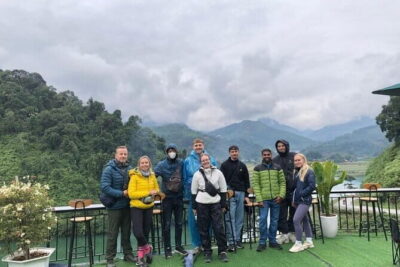
What I like most is the small group size (max 10), which keeps things calm instead of chaotic. I also really value the local perspective from your English-speaking ethnic guide, with stops like Ngao Cave (also called Tiger Cave) explained in a way that makes you notice details you’d otherwise miss.
One consideration: the schedule is built around travel time and timing. You’re basically using a VIP sleeper bus format to cover the Hanoi–Cao Bang distance, so you’ll want to be ready for an early, long day and some flexibility if weather isn’t cooperating.
In This Review
- Key things to know before you go
- The real value: using a sleeper bus to make Cao Bang work
- Meeting point and timing: how to plan your day around the early start
- Cao Bang morning: Global Geopark views, craft villages, and Ngao Cave
- Global Geopark area + scenic route through villages
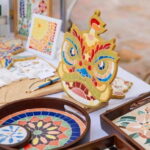
- Traditional craft village stop
- Ngao Cave (Tiger Cave): the kind of place that changes your sense of scale
- Truc Lam Zen Mona and the quieter meaning of religious stops
- Ban Gioc Waterfall and Detian Falls: what you should actually focus on
- Entrance fees and electric city car: why this inclusion matters
- Local food breaks up a long nature day
- Angel Mountain / Mountain God’s Eye: the viewpoint that feels calmer than the waterfall
- A small-group advantage at viewpoints
- Returning toward Hanoi: how the route strategy keeps the day from repeating itself
- Price and value: what you pay for at $150 per person
- What costs extra (and how to plan for it)
- Who this small-group Cao Bang tour suits best
- A quick reality check on comfort and pacing
- Should you book this Ban Gioc and Angel Mountain tour?
- FAQ
- How long is the tour?
- What is the meeting point in Hanoi?
- What does the tour price include?
- Are entrance fees included for Ban Gioc and other stops?
- Is rafting included?
- How big is the group?
- Do I need cash for additional mandatory costs?
- What time does the experience start?
- What if the weather is bad?
- What is the cancellation policy?
Key things to know before you go
- Max 10 people means easier questions and smoother pacing at viewpoints
- Local ethnic guide sharing context on the region’s communities and sites
- Ngao Cave (Tiger Cave) plus a traditional craft village stop, not just waterfalls
- Ban Gioc includes entrance fees and an electric city car, so you’re not doing everything on foot
- Angel Mountain (Mountain God’s Eye) delivers a peaceful viewpoint with emerald-water scenery
The real value: using a sleeper bus to make Cao Bang work
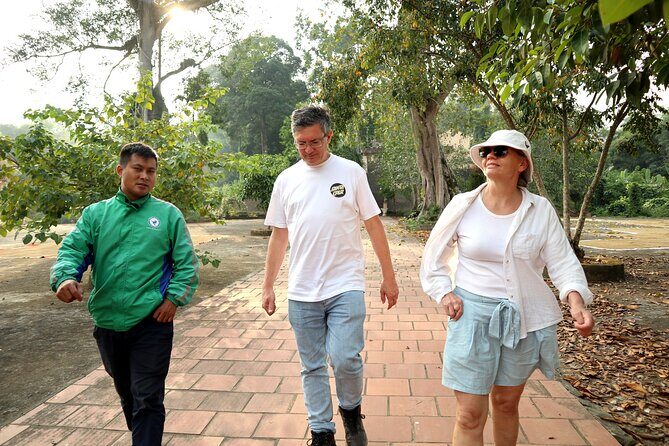
If you’re visiting Vietnam for the first time, your instinct might be to think Ban Gioc is a multi-day mission. The smartest part of this tour is how it squeezes the Cao Bang highlights into a practical rhythm: you leave Hanoi at night, sleep on the VIP sleeper bus, and then spend your main daylight hours exploring.
That matters because the roads from Hanoi to Cao Bang aren’t the kind you enjoy slowly. Night travel lets you arrive with energy for the day’s sights, instead of wasting your daylight stuck in transit. It also helps you avoid the common problem of “we only get photos” tours—this one builds in time for multiple stops, including cultural ones.
Just keep your expectations honest about the day structure: this is a “you’re on the go” plan. You’re not strolling at your leisure all day. You’re following a route that’s designed to keep you seeing a lot, without rushing you through every stop.
You can also read our reviews of more tours and experiences in Hanoi.

Meeting point and timing: how to plan your day around the early start
The tour starts with evening transfer logistics from Hanoi, with pick-up guidance around My Dinh Bus Station. The itinerary describes a window in the evening for getting to the meeting point, then checking in to the VIP sleeper around 9:00–9:30 PM.
Then, the sightseeing day kicks into gear early. The listed activity start time is 5:30 AM, which matches the reality that you’ll want to be ready before morning light. In practice, that means: don’t plan anything crucial in Hanoi that day—your morning will arrive fast.
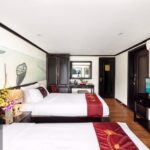
If you like a smooth morning routine, pack smart the night before: a light jacket, water, and anything you need for comfort on the bus. Even when “comfortable” is in the description, sleep on long-distance transport can be uneven. Being prepared makes the difference between feeling fresh and feeling drained.
Cao Bang morning: Global Geopark views, craft villages, and Ngao Cave
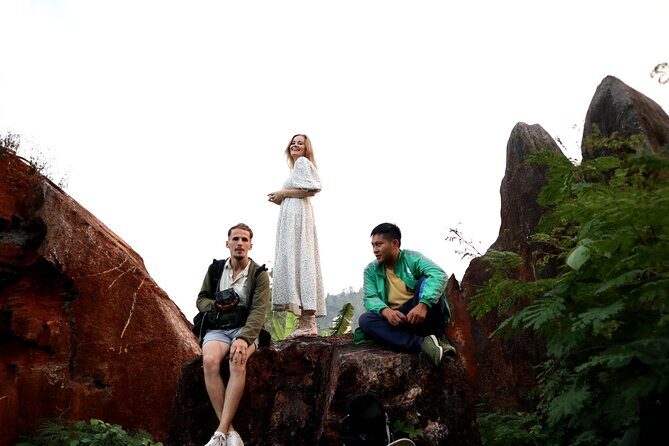
The day starts with Cao Bang City as your base for the main loop, and the first big theme is variety. You’re not going straight to Ban Gioc. You’re warming up with the kind of stops that give the region context.
Global Geopark area + scenic route through villages
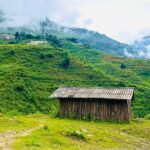
You’ll spend time around the Global Geopark area and then move onto a scenic route that passes through communities described as Tay, Nung, and Dao villages. The tour notes that this route has fewer trucks and containers than you might expect, which translates to a less stressful ride and a better chance to actually look outside.
This is where you’ll get the “real countryside” feeling: hills in the distance, slower rhythms, and a sense that this is someone’s everyday landscape—not a theme park set.
Tip: if you’re prone to motion sickness, take precautions before you go. Bus days like this add up.
Traditional craft village stop
Next comes a traditional craft village visit. Even if you’re not planning to buy anything, this is a useful stop because it slows the tour down just enough to show you how people make a living here. You’ll be with your guide, so you can ask what matters most: how crafts fit into daily life, what materials are used, and what skills are passed down.
I like these moments because they make the rest of the trip feel more grounded. Later, when you see big natural sites, you understand the human geography around them.
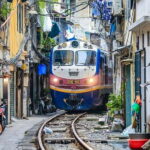
Ngao Cave (Tiger Cave): the kind of place that changes your sense of scale
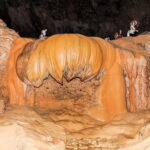
Then you get the headline-ish nature stop: Ngao Cave, also known as Tiger Cave. The itinerary lists this as part of the morning block, and it’s one of those places where the visuals are only half the story. The other half is what your guide helps you notice—formations, how the cave fits into local lore or naming, and how people talk about the site.
Caves can be humid, cool, or both depending on the day. Wear shoes you don’t mind getting a little dusty, and don’t expect to move at “museum speed.” Think more like a guided walk through a natural space.
Truc Lam Zen Mona and the quieter meaning of religious stops
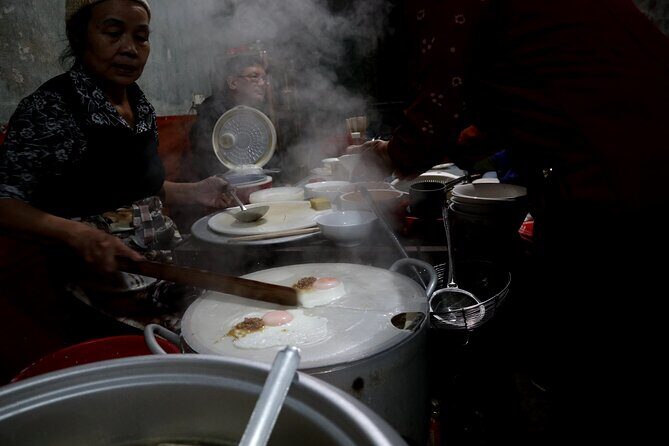
After lunch, you’ll head to Trúc Lâm Zen Mona (listed as “Truc Lam Zen Mona” in the itinerary). This is grouped with admission included, which suggests the tour expects you to spend meaningful time there rather than just snapping a photo and leaving.
Religious sites here often work best when you slow down. They’re peaceful stops built into a travel day—good for regrouping, getting a break from heat and wind, and letting your brain reset between cave time and waterfall time.
Also, with an English-speaking guide, you’re more likely to understand what you’re seeing instead of treating it like background scenery. Even basic context can make these places feel intentional.
Practical note: bring something for sun protection. Mountain-region daylight can be stronger than you expect, even when the air feels fresh.
Ban Gioc Waterfall and Detian Falls: what you should actually focus on
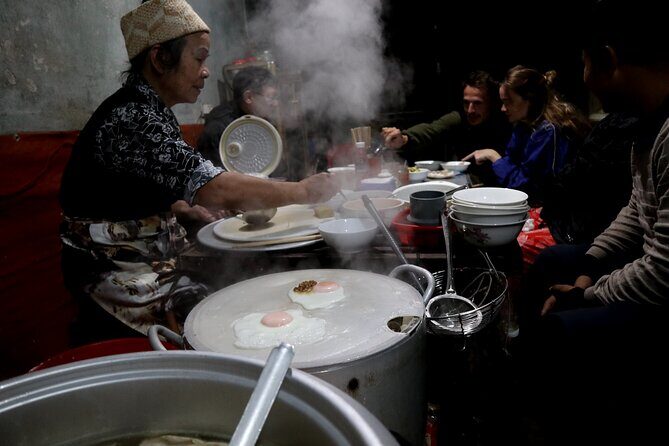
The big highlight is, obviously, Bản Giốc Waterfall (Ban Gioc), with the itinerary also referencing Detian Falls. This is one of those places where pictures help, but scale doesn’t fully translate until you’re there.
The tour builds in lunch right around the waterfall area at Thác Ban Giốc Restaurant, giving you a chance to sit, eat, and recharge before the main sightseeing windows.
Entrance fees and electric city car: why this inclusion matters
This tour includes entrance fees and an electric city car at Ban Gioc. That’s not a small detail. Waterfall areas can involve uneven walking and longer distances than you’d expect. The electric car helps you keep your legs for the actual viewpoints, which is the part you’ll remember.
I recommend you treat your walking plan like this: save energy for the viewing points, not for trekking between them. Use the rides, then commit to the short segments where the view is best.
Local food breaks up a long nature day
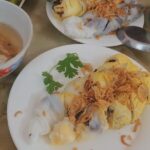
You’ll get lunch with local cuisine included. Depending on timing and appetite, this can be a relief after early-morning travel. It also helps you avoid the “we’ll grab something quick” trap that often turns into a disappointing meal while you’re trying to keep up with a tour schedule.
If you’re sensitive to spicy food, you’ll still have options, but you should communicate preferences if your guide asks.
Angel Mountain / Mountain God’s Eye: the viewpoint that feels calmer than the waterfall
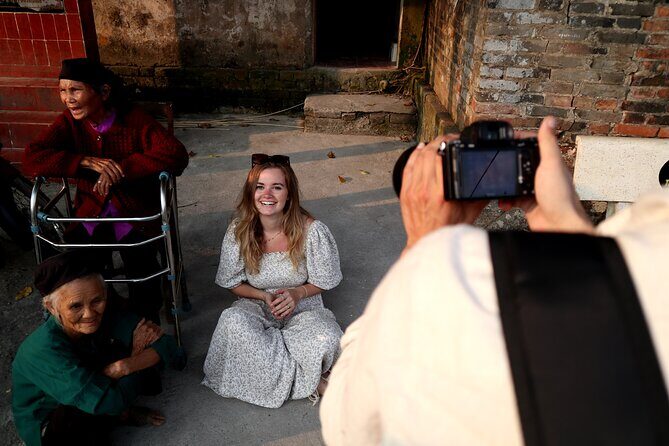
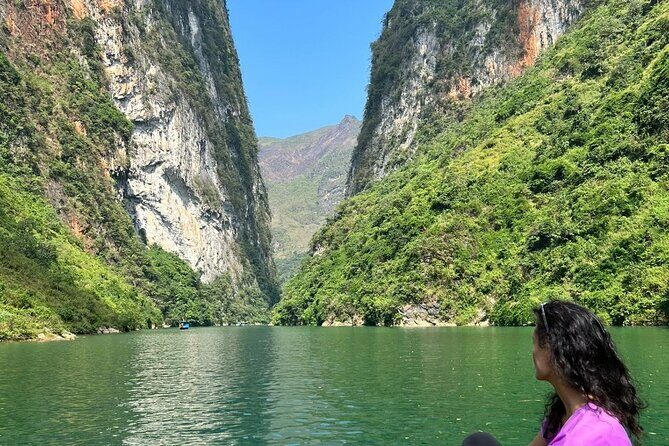
Later in the day you’ll visit Mountain God’s Eye, also referred to as Angel Mountain. The itinerary describes it as peaceful and far from crowded routes, with emerald waters and green mountains around you. From the viewing platform, it’s a classic “look across a wide scene” moment.
This stop is a smart pairing with Ban Gioc because it changes the visual story. Ban Gioc is about roar, water movement, and power. Angel Mountain is more about stillness—panoramas, layered green hills, and the way water catches the light.
The itinerary places this around 16:30–17:30, which is often a good window for gentler lighting. If you care about photos, arrive with enough time to slowly walk to your preferred angle rather than rushing the moment you see people lining up.
A small-group advantage at viewpoints
Because this tour caps at 10 travelers, the viewing spots feel more manageable. You’re not stuck behind a huge crowd for every angle. You can ask your guide where the best lines of sight are, and you’ll likely get a quicker answer than you would on a bigger bus tour.
Returning toward Hanoi: how the route strategy keeps the day from repeating itself
The itinerary mentions returning to Cao Bang with “another route” so you don’t feel overlap in the schedule. It also notes scenery with mountains, hills, and green fields. Even if you’re not a scenery-obsessed person, that helps because repeated roads make you feel stuck—changing the route breaks that mental monotony.
Then, like the morning, the end of the experience is designed to bring you back to Hanoi, using the same comfortable sleeper concept.
One thing I appreciate about this structure: you get a full day of stops, then you’re not forced to squeeze in extra activities at the end just to justify the cost. The tour is trying to be efficient with your time and energy.
Price and value: what you pay for at $150 per person
At $150 per person, this isn’t a budget “just transport me” option. But it does include several items that add up quickly on your own: English-speaking ethnic guide, round transfer from Hanoi to Cao Bang City, entrance fees, electric city car at Ban Gioc, and included meals (breakfast, lunch, dinner with local cuisine).
So you’re not just paying for the waterfall. You’re paying for the guide’s ability to connect the dots—caves, villages, pagodas, and viewpoints—and for the logistics that reduce friction: getting you onto the right roads, timing stops, and covering the tickets.
What costs extra (and how to plan for it)
Two mandatory adds are listed:
- 10% tax collected by cash (mandatory)
- Service charge + insurance: 10 USD per person (mandatory)
And one optional add:
- Rafting on the river at Ban Gioc Waterfall: 50,000 VND (optional)
This is where value becomes personal. If you’re hoping for a lot of optional “upgrades” like rafting, you’ll pay more—but rafting is optional. If you’d rather spend your time viewing and walking, the included plan already covers the core sites.
My advice: treat that mandatory cash tax as part of your real budget. If you plan to pay with the right amount of cash in advance, it keeps the end-of-day stress low.
Who this small-group Cao Bang tour suits best
This tour fits best if you want:
- Big natural sights (Ban Gioc, Mountain God’s Eye) plus cultural stops (craft village, Zen pagoda)
- A small group where you can actually talk to your guide
- A plan that uses night travel so you don’t waste a full day sitting on transport
It’s a strong match for couples or solo travelers who still want structure, and for parents traveling with adult kids who prefer an organized flow. If you dislike early starts or long days, this may feel like a lot—but it’s manageable if you plan for it.
If you’re a “slow travel” person who likes hours of free time at each stop, you might find the pacing busy. The trade-off is you see more of the region in less total time.
A quick reality check on comfort and pacing
The itinerary is structured with time windows at each main stop, and the tour emphasizes staying on track. Reviews you might find for this provider often point out the guides’ timing and hospitality, and names like Trung and Anthony show up often. In practical terms, that usually means you’re not waiting around half the day, and you’ll get help if something small goes off schedule.
Still, nature sites are nature sites. Cave air, outdoor walking, and viewpoints depend on conditions. Dress for mountain weather changes and bring a layer you can add or remove.
Should you book this Ban Gioc and Angel Mountain tour?
I’d book it if Ban Gioc is a top priority and you want a route that includes more than just one waterfall stop. The combination of Ngao Cave, a traditional craft village, Trúc Lâm Zen Mona, Ban Gioc with included entry and an electric car, plus the Angel Mountain / Mountain God’s Eye viewpoint gives you a well-rounded day in Cao Bang.
I wouldn’t book it if:
- you hate early mornings or long travel days
- you want lots of free time to wander without a schedule
- you’re trying to keep the total cost as low as possible once mandatory extras are counted
If you’re okay with a full, guided day and you like the idea of a small group and a local guide shaping what you notice, this tour is a solid value way to experience Cao Bang.
FAQ
How long is the tour?
The experience is listed as approximately 1 day, using night sleeper bus travel as part of the overall format.
What is the meeting point in Hanoi?
The itinerary mentions a meeting point at My Dinh Bus Station in Hanoi.
What does the tour price include?
The tour price includes meals (breakfast, lunch, dinner), an English-speaking ethnic local guide, comfortable car transfers on the scenic route, round transfer from Hanoi to Cao Bang City, and entrance fees plus an electric city car at Ban Gioc.
Are entrance fees included for Ban Gioc and other stops?
Yes. Entrance fees are included, and the itinerary specifically lists admission for Ban Gioc and includes an electric city car at Ban Gioc.
Is rafting included?
Rafting is optional. If you want it, the listed cost is 50,000 VND.
How big is the group?
This tour has a maximum of 10 travelers.
Do I need cash for additional mandatory costs?
Yes. The tour lists 10% tax collected by cash (mandatory) plus service charge + insurance of 10 USD per person (mandatory).
What time does the experience start?
The activity start time is listed as 5:30 AM (you’ll be working around an early morning schedule).
What if the weather is bad?
The experience requires good weather. If it’s canceled due to poor weather, you’ll be offered a different date or a full refund.
What is the cancellation policy?
Free cancellation is available. You can cancel up to 24 hours in advance for a full refund. Changes made less than 24 hours before the experience start time aren’t accepted.