REVIEW · HANOI
Chicks n Bikes: Customised Motorbike Riding Lesson in Hanoi
Book on GetYourGuide →Operated by Chicks n Bikes Hanoi · Bookable on GetYourGuide
Motorbikes in Hanoi can feel intense fast.
That’s exactly why this customized riding lesson works so well: you start with core control skills, then you move into real Vietnamese street conditions with an instructor who can correct you as you go. I like that it’s structured enough to help you progress (balancing, steering, braking), and I also like the practical focus on what you’ll actually face on the road, including turns and stops. One thing to weigh: it’s not a fit for everyone, and if you have restrictions like back problems (or if you’re pregnant), you should skip it and choose another learning option.
The best part for me is the human side. Instructors like Thảo and host Quang Thảo bring real enthusiasm, and they’re comfortable walking you through the weird little problems that beginners hit in Vietnam—like how to start smoothly, stop safely, and handle traffic without freezing. If you’re hoping for a full motorbike rental and insurance package, this isn’t that. You’re paying for coaching and training, not vehicle coverage.
In This Review
- Key things you’ll notice right away
- Why Hanoi motorbike coaching is such good value
- Meeting your instructor (and why the teaching style matters)
- Your first wins: balancing, steering, and braking
- From the quiet road to real Hanoi streets
- Hill training that actually helps if you’re heading north
- The Ha Giang mindset: learn safer habits before you plan your route
- What’s included in the $45 lesson (and what isn’t)
- What to bring (and what can derail your lesson)
- License and legal reality check (don’t skip this)
- Who this Hanoi lesson is best for
- Should you book Chicks n Bikes in Hanoi?
- FAQ
- What is the price of the motorbike riding lesson in Hanoi?
- Where does the experience take place?
- Is the lesson suitable for beginners?
- What skills will I learn during the lesson?
- Do I ride on real roads or only in a parking area?
- What safety equipment is included?
- Is motorbike rental included?
- Is insurance included?
- What should I bring to the lesson?
- What is not allowed before or during the lesson?
- Which languages are available for the lesson?
Key things you’ll notice right away
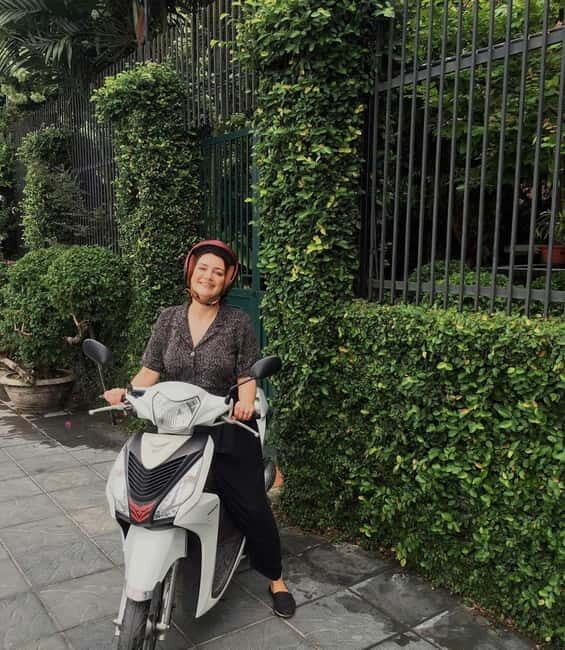
- Personalized feedback that targets your exact mistakes instead of generic advice
- Safety equipment included, including a helmet and riding pads, plus a poncho when needed
- Real-road navigation training, not just lessons in a parking lot
- Hill practice for uphill and downhill control, useful if you’re thinking about routes like Ha Giang
- Q&A help about motorbiking in Vietnam, so you leave with answers, not more questions
Why Hanoi motorbike coaching is such good value
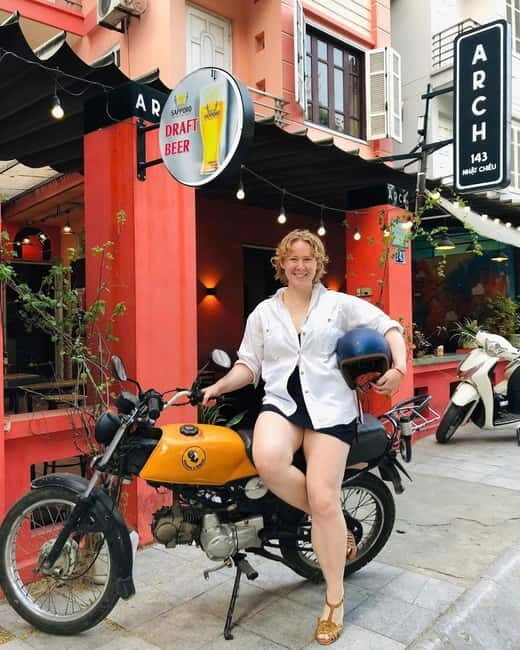
Hanoi doesn’t teach patience. It teaches awareness. Bikes move in streams, gaps open and close quickly, and drivers expect you to read the road and act like you belong. A lesson like Chicks n Bikes Hanoi is valuable because it cuts out the scary trial-and-error stage.
At $45 per person, the cost makes sense when you look at what’s included: a briefing, safety gear, real-road riding, traffic navigation practice, and hill training. Many cheaper options are basically a demo or a short spin. Here, the training is built around control and confidence, which is what actually reduces stress when you’re on your own.
Also, you’re not learning just for today. If you’re planning bigger rides later, especially longer loops, practicing uphill/downhill technique is a big deal. That’s the part beginners often don’t get until it’s already too late and their bike is doing the one thing they didn’t plan for.
You can also read our reviews of more tours and experiences in Hanoi



Meeting your instructor (and why the teaching style matters)
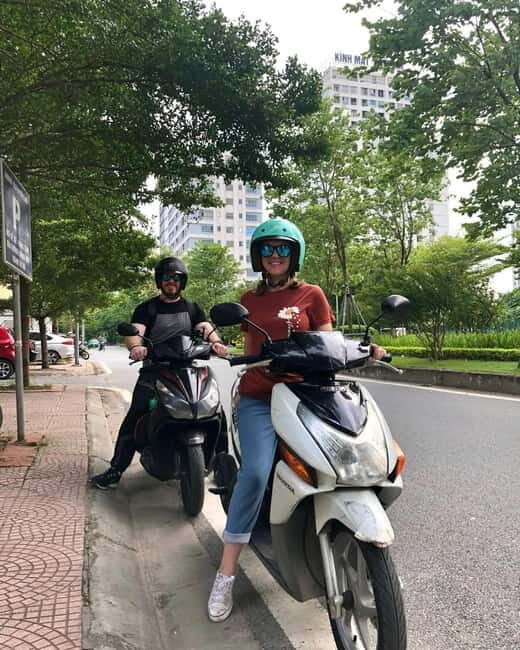
Before the riding starts, you get a lesson briefing. That matters more than it sounds. Motorbike learning goes smoother when you understand the order: what you’ll practice first, what you’ll correct, and what skills connect to the next step.
In this class, the instructor teaching style is consistently praised—friendly, clear English, and the kind of calm guidance that helps you focus instead of panic. Thảo is specifically mentioned for taking learners through fundamentals to heavier traffic situations, and Quang Thảo is highlighted as passionate and genuinely invested. That energy is helpful because it changes your mindset from I’m trying not to crash to I’m improving.
You’ll also get time for questions. The lesson isn’t just instructions; it’s you asking, the instructor answering, and you leaving with a personal checklist for what to watch.
Your first wins: balancing, steering, and braking
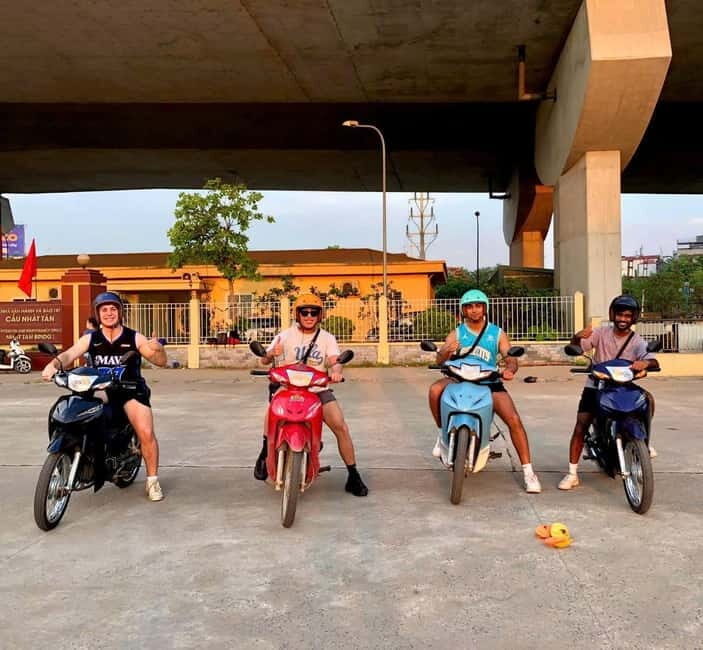
You begin with motorbike basics and control. The early stage usually happens where it’s manageable, then you ramp up gradually. This is the right approach. If you start in traffic without building balance and braking, you waste your learning on fear.
Here’s what you’re training at the beginning:
- Balancing and low-speed control so the bike feels stable under you
- Steering so you can actually follow the direction you intend
- Braking technique so stops become predictable, not sudden
Even if you’ve never ridden before, this stage gives you muscle memory. And if you’ve ridden automatic scooters only, the skills still transfer—because steering/braking and smooth starts are universal. One review specifically mentions learning confidence on a manual motorcycle after riding lots of automatic. That’s a great sign this lesson is serious about control, not just moving forward.
Drawback to note: you’ll need a basic level of physical comfort. The lesson includes real riding and hill practice, so if you struggle with movement or posture, it can be tough to participate fully.
From the quiet road to real Hanoi streets
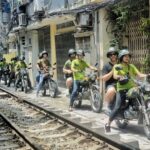
After fundamentals, you move toward roads with real conditions—first calmer streets, then a longer ride through Hanoi. This progression is key. It lets your brain adjust to how Vietnam traffic behaves: lots of motion, lots of attention needed, and constant micro-decisions.
In the real-road part, you’re practicing:
- Starting, stopping, and turning safely
- Traffic navigation training (how to position yourself and manage gaps)
- Group riding tips (how to follow, react, and not get boxed in)
In one experience, the lesson flow is described as: basics on a parking area, basics on a quiet road, then a short ride together through Hanoi streets. That matches what you want in a lesson: you build confidence, then you test it where you actually have to pay attention.
The instructors are praised for speaking very good English and for being friendly and supportive, which helps if you’re new to the whole motorbike language of Vietnam. You’re not just learning body mechanics; you’re learning the rhythm of riding where everyone is sharing the same road.
Hill training that actually helps if you’re heading north
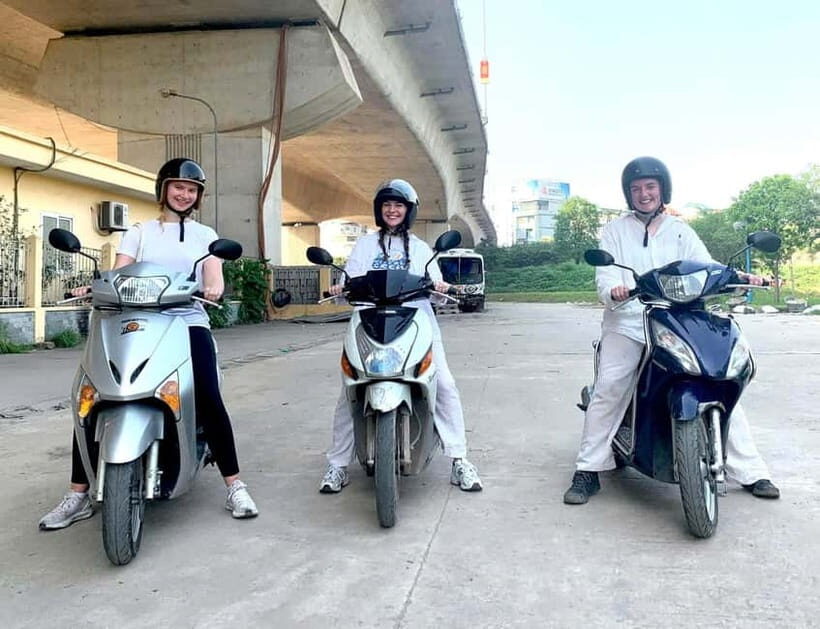
If you’re dreaming about Ha Giang later, you need hill control. Not theory. Control. This lesson includes hill training, including uphill and downhill techniques—exactly the skills that separate a brave first timer from someone who can keep it steady when the road turns steep.
Why it matters:
- Uphill riding demands smoother starts and better clutch/throttle coordination (even if you’re not perfect yet)
- Downhill riding demands controlled speed and confident braking so you don’t panic when gravity takes over
Beginners usually discover the hill problem the hard way—on their own—when they’re already nervous. Practicing hills with an instructor means you can learn what to do before you meet a steep surprise.
If you’re only riding inside Hanoi for now, the hill practice still helps. Hills force you to be precise, and precision makes everything else feel easier.




The Ha Giang mindset: learn safer habits before you plan your route
This lesson is the kind of training that changes how you plan your next steps. Instead of thinking, I hope I can handle it, you start thinking in skills: braking, turning, positioning, and reacting.
You also get tips for those planning a road trip with friends. That’s useful because group rides are where beginners often struggle. You may all be moving, but you’re not all riding the same way. Learning how to ride with others—spacing, consistency, and communication—reduces the chance of chaos.
If you’re still figuring out your Vietnam motorbike plan, the Q&A portion helps too. You can ask practical questions like what to focus on, what mistakes to avoid, and how to think about riding in Vietnamese street conditions.
What’s included in the $45 lesson (and what isn’t)
Let’s talk value in plain terms.
Included:
- Personalized motorbike riding lessons
- Helmet and riding pads
- Poncho (listed as part of safety equipment)
- Lesson briefing
- Real road riding experience
- Traffic navigation training
- Hill training
- Group riding tips
Not included:
- Motorbike rental
- Personal insurance
So the real purchase here is coaching + training time, plus protective gear. That’s why the price can feel fair. You’re not paying for a vehicle you might or might not know how to ride. You’re paying for someone to teach you how to control the bike and handle the road.
One more limitation: this isn’t an insurance product. You should think about your own coverage and accept that risk is part of riding. Also, the lesson has clear boundaries like no smoking and no alcohol/drugs before the session.
What to bring (and what can derail your lesson)
If you show up prepared, learning is easier. The lesson asks you to bring:
- Sunscreen
- Water
- Comfortable clothes
- Closed-toe shoes
That sounds basic, but it’s the difference between learning and suffering. Closed-toe shoes protect your feet, and comfortable clothes help you move your body naturally while practicing control.
You’re also told:
- No smoking
- No alcohol and drugs
And you should be in good physical condition. If you’re sore, exhausted, or uncomfortable, hills and street riding will feel harder than they need to be.
License and legal reality check (don’t skip this)
The class advises you to bring your driver’s license and an international driver’s license if applicable. That’s not the fun part of travel, but it matters.
Also, know who this is not for:
- Not suitable for pregnant women
- Not suitable for people with back problems
- The listing says not suitable for people without experience, while the lesson itself is clearly structured for beginners and is described as such in reviews. If you’re truly at zero, contact the provider ahead of time and confirm you’re the right fit.
And as always, if you’re thinking about riding more later, remember that confidence is a skill you build slowly. This lesson is one strong step, not a magic switch.
Who this Hanoi lesson is best for
This is a great fit if:
- You want a structured start with real feedback
- You’re nervous about Hanoi traffic and want guided practice
- You’re planning the Ha Giang loop or other hill-heavy rides later
- You want to learn not only how to ride, but how to ride safely and predictably
It’s also a good option if you’ve ridden automatic before and want more comfort with a manual motorcycle. The training focus on starting, stopping, and turning helps you move beyond just cruising.
You might want to rethink it if:
- You have back issues
- You’re pregnant
- You’re not able to ride safely for physical reasons
- You’re looking for motorbike rental or insurance bundled with the lesson
Should you book Chicks n Bikes in Hanoi?
If you’re heading to Vietnam and you want to ride, I’d book this lesson in Hanoi—especially if you’re planning a bigger northern route. The real-road training, the included safety gear, and the hill practice are the combination that makes it more than a basic introduction.
Choose it if you learn best with hands-on coaching and you want the reassurance of someone correcting you while you build confidence. Skip it if you have health limitations like back problems or if you know you can’t meet the lesson’s physical and readiness requirements.
If you’re on the fence because you worry about being a total beginner, treat the lesson as a starting point—but message the provider to confirm fit for your experience level. Then show up with the right shoes, water, and a clear head. That’s when the whole experience clicks.
FAQ
What is the price of the motorbike riding lesson in Hanoi?
The price is listed as $45 per person.
Where does the experience take place?
It takes place in Hanoi, Northern Vietnam.
Is the lesson suitable for beginners?
The lesson is described as helpful for beginners, but the listing also says it is not suitable for people without experience. If you have zero experience, it’s smart to confirm with the provider before booking.
What skills will I learn during the lesson?
You’ll learn the basics of riding, including balancing, steering, braking, starting, stopping, and turning safely. You’ll also do traffic navigation practice and hill training.
Do I ride on real roads or only in a parking area?
You get real road riding experience, including traffic navigation training, with practice steps that start before heading out into streets.
What safety equipment is included?
Safety equipment is included, including a helmet, riding pads, and a poncho.
Is motorbike rental included?
No. Motorbike rental is not included.
Is insurance included?
No. Personal insurance is not included.
What should I bring to the lesson?
Bring sunscreen, water, comfortable clothes, and closed-toe shoes.
What is not allowed before or during the lesson?
Smoking and alcohol or drugs are not allowed.
Which languages are available for the lesson?
The lesson is available in English and Vietnamese.