REVIEW · SAPA
Sapa Local Trekking Adventures
Book on Viator →Operated by Sapa Trekking Tours · Bookable on Viator
Moa Huong Valley hikes feel personal. This Sapa trekking adventure keeps things human-sized with a small-group limit of 8, and your guide helps you make sense of village life along the way. In particular, guides like Nhu are known for paying attention to your pace and answering questions as you walk.
I especially like that you get cultural time, not just scenic time. You’ll hike at a pace that suits you, and the longer options include homestay nights plus meals, so you can focus on the trail and the people rather than coordinating logistics.
One caution: conditions can get rough in bad weather. If it rains, expect mud and slippery footing, and that can be a problem if you are unsteady on your feet. Also, if you want lots of English explanations, it’s smart to confirm language comfort ahead of time.
In This Review
- Key things that make this trek worth your time
- Sapa to Moa Huong Valley: why this trek hits differently
- Small-group hiking up to 8: pacing, questions, and less stress
- Choosing the right length: 1 day, 2 days, or 3 days
- Day 1 at Y Linh Ho (9am to 3pm): a strong first taste
- Day 2 at Ta Van Village (2 days/1 night): homestay time that changes the trip
- Day 3 at Giang Ta Chai Village (3 days/2 nights): deeper village life, more walking hours
- Meals and what you can stop worrying about
- Pickup, meeting point, and getting started at 9:00am
- Weather reality: mud, rain gear, and footing
- Price and value: what $66.67 buys you (and why opinions differ)
- Authentic culture without the tourist maze
- Who should book this trek (and who should reconsider)
- Quick, practical tips before you go
- Should you book Sapa Local Trekking Adventures?
- FAQ
- What are the trek durations available?
- Where does the tour start and end?
- Is pickup offered?
- How big is the group?
- What’s included with the 1-day trek to Y Linh Ho?
- What’s included with the 2-day/1-night trek to Ta Van Village?
- What’s included with the 3-day/2-night trek to Giang Ta Chai Village?
- Is there a mobile ticket?
- Can I bring a service animal?
Key things that make this trek worth your time
- Max 8 people keeps the group manageable, so you don’t feel like luggage in a moving line
- Guides matter: Nhu-style guiding means practical village context and help with questions
- Homestay is part of the plan on the 2-day and 3-day options, not an optional add-on
- Meals are included (lunches, dinners, breakfasts depending on duration), so trekking stays low-stress
- Multiple valley routes tied to Y Linh Ho, Ta Van Village, and Giang Ta Chai Village
Sapa to Moa Huong Valley: why this trek hits differently
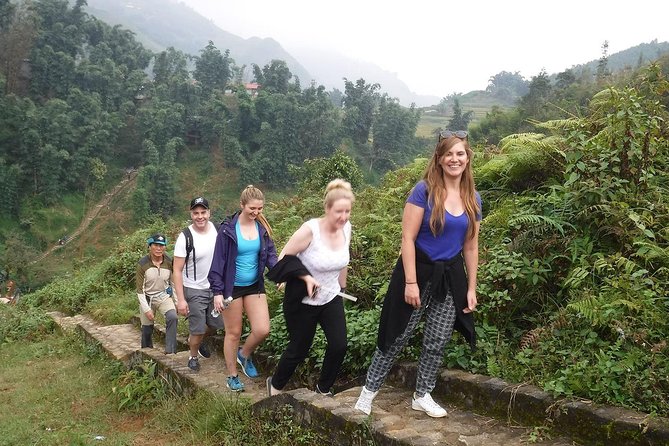
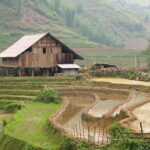
Sapa is the postcard part of northern Vietnam. But Moa Huong Valley is where the day-to-day life shows up. This tour is built around walking through valley villages and rice-field scenery with a local guide who can point out what you’re seeing as you go.
What makes the experience feel different is the pace and group size. With only up to 8 travelers, you’re not stuck sprinting to keep up, and you’re not shouting over each other to ask questions. That matters most on longer days when the trail gets slower and more uneven.
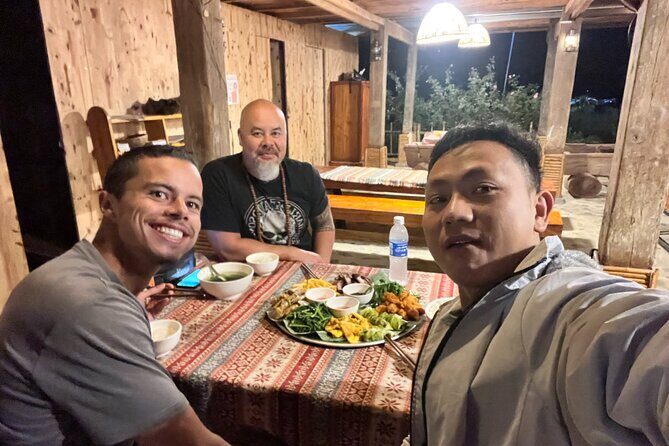
You also get a built-in reason to slow down: homestay nights on the 2-day/1-night and 3-day/2-night itineraries. Instead of rushing back to town at day’s end, you stay in the village orbit long enough to notice routines, food rhythms, and the simple rhythm of rural life.
You can also read our reviews of more tours and experiences in Sapa.


Small-group hiking up to 8: pacing, questions, and less stress
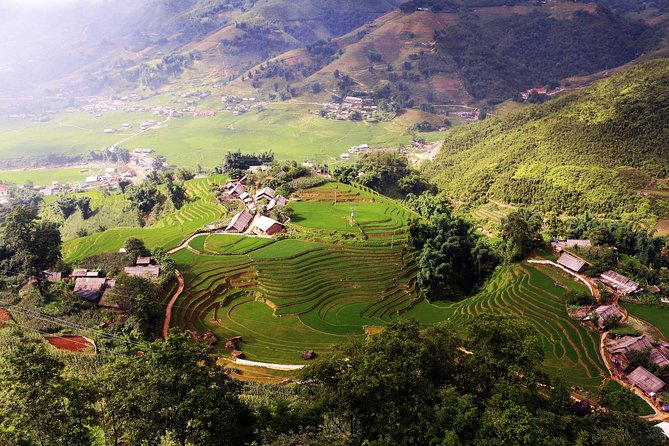
Here’s the simple benefit: a small group lets the guide adjust in real time. You can pause for photos without dragging everyone behind, and you can ask questions without feeling like you’re interrupting a factory tour.
The best guiding moments are about context. In the experiences people highlighted, guides like Nhu are described as attentive to needs and willing to explain what you’re seeing in villages. That can turn the hike from a line-walk into something closer to a conversation.
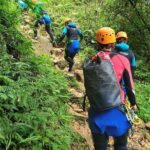
This also helps with practical movement. On rainy days or muddy paths, small groups move more carefully. You’re more likely to get direct guidance on where footing is safer and when to go slow.
Choosing the right length: 1 day, 2 days, or 3 days
The tour is offered in multiple durations, each mapped to a specific village stop. Your start time is 9:00am, and the typical day window runs until about 3:00pm. The longer options add overnight homestay stays, which changes the whole feel.
If you want the easiest on-ramp, go with the 1-day trek. If you want deeper village time and a stronger cultural experience, choose 2 days/1 night or 3 days/2 nights.
Day 1 at Y Linh Ho (9am to 3pm): a strong first taste
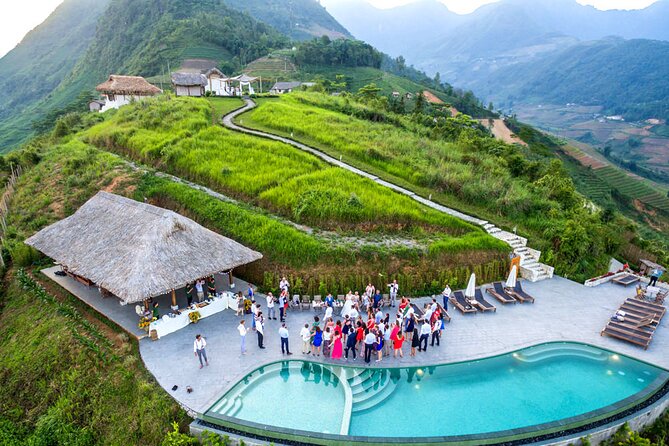
Day 1 is your day to get your legs under you and see the valley without committing to overnight stays. The plan is a 1-day trek from 9:00am to 3:00pm, starting in Sapa.
You’ll also have key items covered:
- Lunch at a local restaurant
- Entrance fee to the valley
- Transportation back to Sapa Town after the trek
Why this works well for many people: it’s long enough to feel like a real hike, but short enough to keep choices open if weather turns. It also lets you judge how your body handles slopes and mud before adding homestay nights.
A realistic drawback: if it’s raining, the “easy” day can still be slippery. One of the biggest practical tips here is to pack for wet ground even if forecasts look mild. Mud is the main issue, not the view.
Day 2 at Ta Van Village (2 days/1 night): homestay time that changes the trip
Day 2 is where the experience becomes more than a walk. You start again around 9:00am and return to Sapa after your trek segment, with one overnight stay in a homestay in between.
Included in the 2-day/1-night option:
- 2 lunches
- 1 dinner
- 1 breakfast
- Overnight in a homestay
- Entrance fee to the valley
- Transportation back to Sapa Town after the trek
Ta Van Village matters because it’s a chance to slow down and see village life with less of the tourist rush. The homestay component also helps with logistics. You’re not trying to locate food or plan what to do after dark. You’ll already be on a timeline.
One practical consideration: homestays are part of the experience, but they also mean you’re trading comfort-style routines for local life. If you’re expecting a hotel-like setup, temper expectations. If you’re there for the people and the rhythm of the village, it’s usually a great fit.



Day 3 at Giang Ta Chai Village (3 days/2 nights): deeper village life, more walking hours
If you can spare the time, the 3-day/2-night route pushes the experience deeper. Day 3’s village stop is Giang Ta Chai Village, and the itinerary runs across two nights.
This option includes:
- 3 lunches
- 2 dinners
- 2 breakfasts
- 2 overnight stays in homestays
- Entrance fee to the valley
- Transportation back to Sapa Town after the trek
Compared to the 1-day version, this is the choice for people who want a fuller sense of the area. More time also means more chances to talk with your guide and notice differences between village routines as you move through the region.
The downside is also straightforward: you’re doing more days on uneven ground. If your balance isn’t great, or if you know you get uncomfortable on wet trails, you might enjoy the 1-day trek more, even if the 3-day option sounds more impressive on paper.
Meals and what you can stop worrying about
One of the biggest “value” points here is meal planning. You don’t have to figure out where to eat at each stage or coordinate snacks mid-trek.
- On the 1-day option, lunch is included at a local restaurant.
- On the 2-day/1-night option, meals are more structured across the day(s): lunches, dinner, and breakfast are included.
- On the 3-day/2-night option, meals scale up again across the longer homestay schedule.
That’s a real convenience on a trek. Hunger and fatigue make every decision harder, and here you’re spared a lot of micro-planning.
Pickup, meeting point, and getting started at 9:00am
The activity starts in Sa Pa, Lao Cai, Vietnam. Pickup is offered, and the experience ends back at the meeting point, so you should not need to arrange your own return transport.
Start time is 9:00am. That’s early enough to get good daylight for walking, but not so early that you feel like you need to bribe yourself with coffee first. If you’re staying in Sapa town, plan to be ready ahead of time so the group can depart smoothly.
Also, you’ll typically use a mobile ticket, and you should receive confirmation when you book. These little pieces add up to less back-and-forth, especially if your schedule is tight.
Weather reality: mud, rain gear, and footing
Sapa weather can turn fast. Rain is the main enemy on treks because it makes trails muddy and surfaces slick.
If it rains:
- Expect wet ground and slippery patches.
- Wear shoes you can trust on uneven dirt.
- Bring proper rain gear, not just a light drizzle cover.
One of the clearest lessons from real trekking conditions is this: even a beautiful valley day can become harder if you’re dealing with mud and you’re not steady on your feet. If you’re worried about that, the smart play is choosing the shortest option and skipping nights that may come with worse weather exposure.
Price and value: what $66.67 buys you (and why opinions differ)
The listed price is $66.67 per person, and the typical booking window is around 18 days in advance. Whether it feels like a deal or not depends on which duration you choose and what you care about most.
Here’s the value logic:
- You get a guide and a small group.
- You get valley entrance fees covered.
- You get transport back to Sapa Town.
- On 2-day/1-night and 3-day/2-night, you also get homestays and multiple meals.
So if you’re comparing against DIY trekking (which usually means extra effort hunting food and dealing with route uncertainty), this price can feel fair. But if you expect lots of detailed explanations and smooth English the whole time, value depends heavily on the guide you get.
That’s why I’d treat the “best experience” part as tied to guiding quality. If you want heavy cultural commentary, it’s worth asking what the guide’s language comfort is before you lock it in.
Authentic culture without the tourist maze
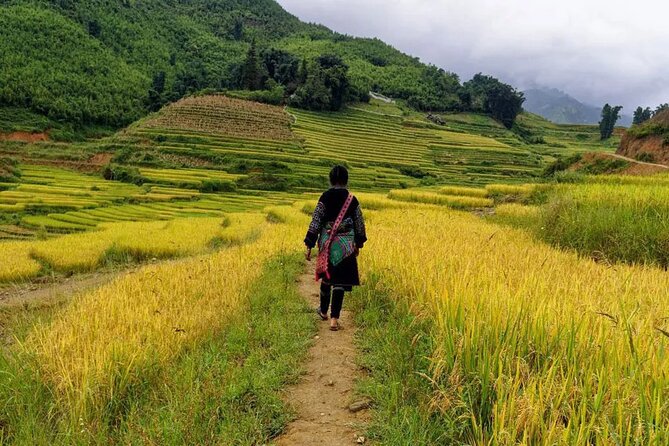
This tour is built around the places people actually live around the Sapa region, including Ta Van Village and Giang Ta Chai Village, plus Y Linh Ho as the first-day entry.
The cultural value comes from two things:
1) You walk through the village landscapes at human speed.
2) Your guide can explain what daily life looks like, not just point at it.
Guiding moments described by guests include hands-on activities like rice planting, which is the kind of experience that feels more real than a photo stop. It’s also the sort of thing where a thoughtful guide makes the difference between watching and understanding.
Who should book this trek (and who should reconsider)
This is a good match if you:
- Want a guided trek without doing heavy planning.
- Prefer a small group and a flexible hiking pace.
- Like the idea of homestays as part of travel, not a side quest.
- Want cultural context, not just photos.
You might reconsider if you:
- Have balance issues or know you struggle on muddy footing.
- Are traveling with strong expectations about language-heavy explanations.
- Dislike rain-based trail conditions and don’t pack for wet walking.
Quick, practical tips before you go
- Pack for mud and rain, even if the day looks clear.
- Plan footwear for wet dirt, not just dry pavement.
- Choose your duration based on your comfort with uneven ground, not just your desire to go long.
- If English explanations matter to you, ask about the guide’s language comfort when booking.
Should you book Sapa Local Trekking Adventures?
If you want an efficient way to experience Moa Huong Valley with village visits and homestay nights, this tour can be a strong value—especially when you pick the 2-day or 3-day options for full cultural time. The small group size is a big plus, and guides like Nhu are known for paying attention and sharing village context.
But don’t ignore the weather and footing reality. If rain is common during your dates or you’re unsteady on uneven paths, consider the 1-day trek first. Book with the right expectations: this is trekking with culture, not a polished, city-style stroll.
FAQ
What are the trek durations available?
You can choose between a 1-day trek, a 2 days/1 night trek, or a 3 days/2 nights trek. The day schedule starts at 9:00am and typically runs until about 3:00pm.
Where does the tour start and end?
The tour starts in Sa Pa, Lao Cai, Vietnam, and it ends back at the meeting point.
Is pickup offered?
Yes, pickup is offered.
How big is the group?
The group size is limited to a maximum of 8 travelers.
What’s included with the 1-day trek to Y Linh Ho?
The 1-day trek includes lunch in a local restaurant, an entrance fee to the valley, and transportation back to Sapa Town after the trek.
What’s included with the 2-day/1-night trek to Ta Van Village?
The 2-day/1-night trek includes 2 lunches, 1 dinner, 1 breakfast, one overnight stay in a homestay, an entrance fee to the valley, and transportation back to Sapa Town after the trek.
What’s included with the 3-day/2-night trek to Giang Ta Chai Village?
The 3-day/2-night trek includes 3 lunches, 2 dinners, 2 breakfasts, 2 overnight stays in homestays, an entrance fee to the valley, and transportation back to Sapa Town after the trek.
Is there a mobile ticket?
Yes, the tour includes a mobile ticket.
Can I bring a service animal?
Yes, service animals are allowed.