REVIEW · SAPA
Batik Making in Sa Pa: Learn, Paint & Take Home Your Masterpiece
Book on Viator →Operated by SAIGONESE TREKKING HOUSE · Bookable on Viator
Turning beeswax into patterns is oddly satisfying. In this Hmong batik workshop in Sa Pa, you learn the basics of wax-resist dyeing and leave with a personal piece of fabric art, not just a photo. I like that it starts with real teaching from a Hmong artisan and focuses on the hand tool—especially the t’janting—so your work looks like the tradition, not a craft-store knockoff.
My other favorite part is the take-home value: materials are included, you get coffee or tea, and the instructor provides a special gift at the end. One drawback to keep in mind: the experience depends on smooth facilitation, and there has been at least one complaint about incomplete care of finished pieces, so I’d ask what happens to your work during any dyeing and how they package it before you leave.
In This Review
- Key things to know before you go
- Why this Hmong batik workshop in Sa Pa feels personal
- What you’ll create: beeswax-resist batik basics
- Entering the workshop at Saigonese Trekking House
- The two-hour flow: how your time gets used
- Taking home your masterpiece (and keeping it looking good)
- Price and value: why $20 can make sense here
- Who should book this Hmong batik workshop
- Practical tips to get the best results
- Should you book it? My honest call
- FAQ
- How long is the Hmong batik making workshop in Sa Pa?
- What’s included in the $20 price?
- Do I need any experience with batik or drawing?
- Where do I meet for the workshop?
- How big is the group?
- Is free cancellation available?
Key things to know before you go
- Small group size (up to 10 people) helps you get time with the instructor and not feel rushed.
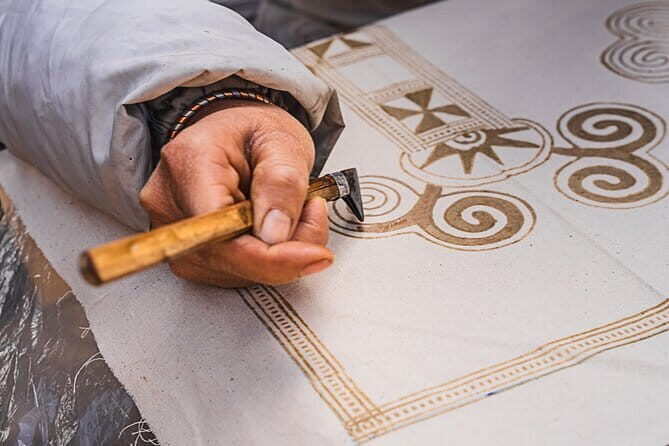
- Beeswax + t’janting is the real technique, with you making patterns on fabric.
- Coffee or tea welcome drink is included, which makes the start feel friendly and calm.
- You take home your artwork, plus you may receive dyes to finish later with your session.
- The instructor name you might meet is Mây, noted for being patient and encouraging.
- Price is $20 with materials included, so you’re not hit with surprise add-ons (tips aren’t included).
Why this Hmong batik workshop in Sa Pa feels personal
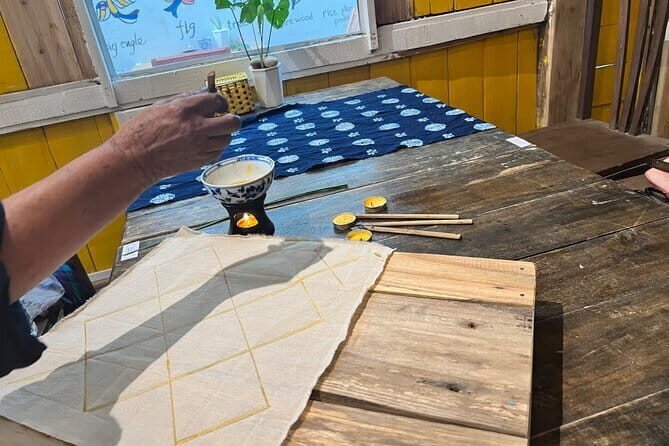
Sa Pa already gives you culture on every street corner, but batik is different because you practice it with your hands. You’re not just watching someone work; you’re learning how the wax acts like a barrier so dye only hits the parts you want to show.
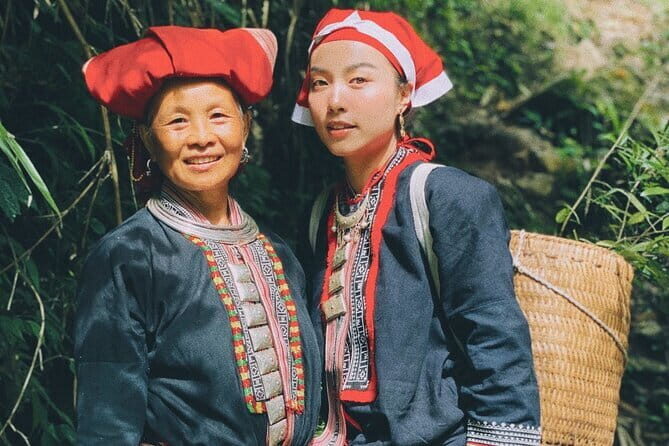
What makes it especially meaningful is the Hmong connection: batik and related beeswax art are tied to identity, storytelling, and local livelihood. The workshop format turns that into something practical for you—skills you can understand in a couple of hours.
And because the group is kept small, you can ask questions without shouting over a crowd. That matters for a technique like this, where one detail (like how evenly wax is laid) can change the final pattern.
You can also read our reviews of more tours and experiences in Sapa.

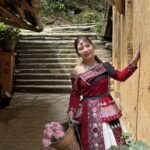
What you’ll create: beeswax-resist batik basics
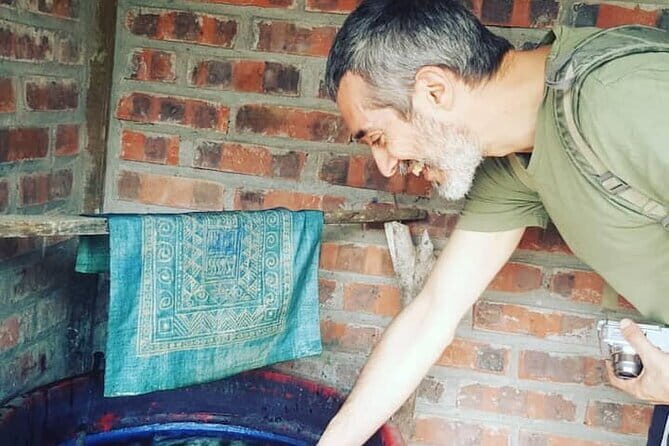
The core method is wax-resist dyeing. You use the t’janting (a traditional batik pen) to draw lines and fill shapes with melted beeswax on fabric. Wherever wax covers the cloth, dye won’t color those areas—so your pattern “appears” after dyeing.
You’ll be guided to make your own design using Hmong-inspired motifs. The workshop is described as a storytelling approach, which is helpful because it gives your design intention beyond decoration. Even if your drawing skills are limited, the process is built around pattern-making with repeatable steps.
A nice detail from the better-run sessions: some groups work on two separate pieces during the time, then finish dyeing later at home using dyes they’re given. That’s not guaranteed in every session, but it’s a smart setup if you like having a bit of control over the final steps.
Entering the workshop at Saigonese Trekking House
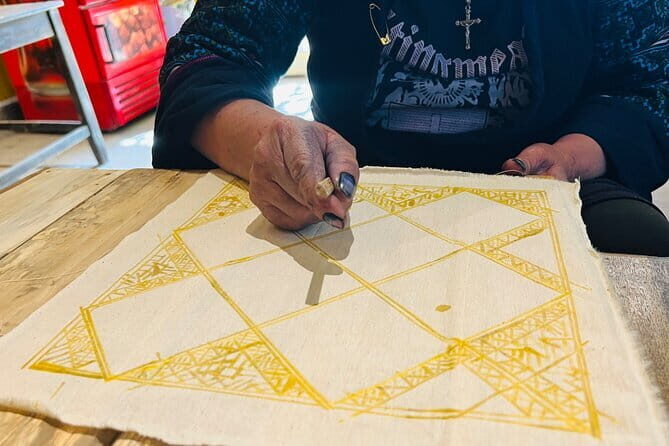
You meet at Saigonese Trekking House, 02 Nguyễn Chí Thanh, TT. Sa Pa, Sa Pa, Lào Cai, Vietnam. The location is near public transportation, which helps if you’re hopping between stops around town.
Expect a straightforward start: a welcome drink, then you’re set up with the materials. This is not a long lecture. You’ll jump quickly into tool use—learning how to hold the pen and how to keep your wax lines steady.
If you end up with an instructor like Mây, the vibe tends to be warm and structured. The practical advantage is that you get corrections in real time rather than waiting until the end and hoping your pattern worked out.
The two-hour flow: how your time gets used
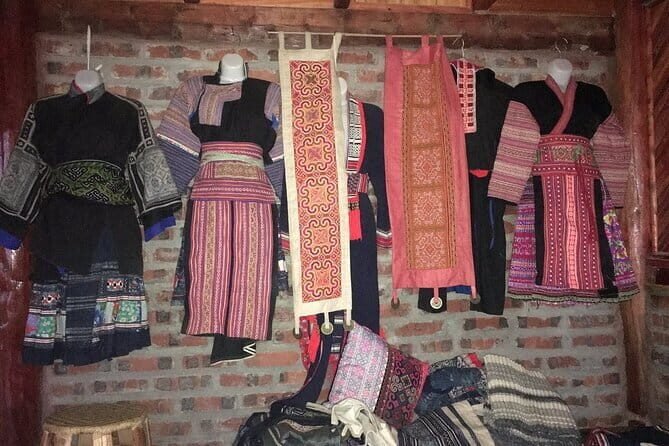
This is a 2-hour workshop, so the schedule is necessarily tight. You should think of it as: learn the tool, make your wax pattern, and then get your work into the dye stage (either during the session or with finishing steps later).
Here’s a realistic way the time usually feels:
- Start with the basic explanation of what beeswax does during dyeing.
- Learn how to use the t’janting for lines and small shapes.
- Transfer your idea into wax, building your pattern step by step.
- Move toward the coloring part so your piece actually becomes batik, not just “wax drawing.”
Because it’s only two hours, you’ll get best results if you’re ready to slow down and focus. Rush makes wax lines wobble, and thin wax coverage can cause dye to creep into areas you wanted protected.
Taking home your masterpiece (and keeping it looking good)
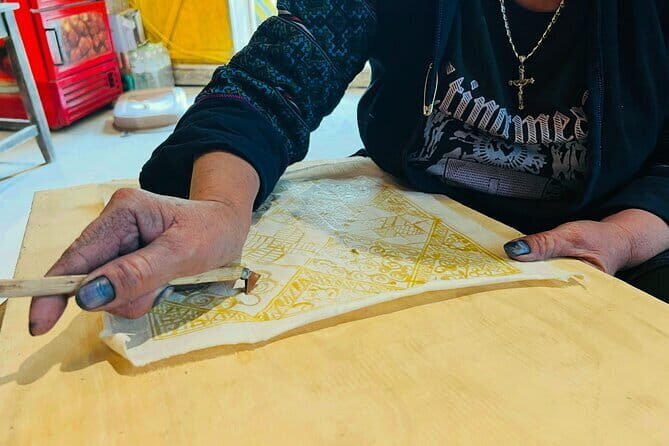
The headline promise is simple: you leave with your handcrafted artwork. That’s a big part of the value because batik is bulky and fragile compared to most souvenirs, and the workshop is doing the heavy lifting of letting you create a finished piece you can safely transport.
At the end, you also get a special gift from your instructor. Small extras like this matter here because the workshop is already priced as a cultural exchange, not just a product sale.
Now for the practical part you should plan for: fabric dye work can be sensitive to handling. If you receive dyes to finish later, follow the guidance you’re given about timing and rinsing. If dyeing is handled for you during the session, ask how they dry and pack it before you carry it out.
One concern that has come up in past experiences is about care of finished pieces—like delays, misplacement, or uneven quality after coloring. That doesn’t mean it will happen to you, but it does mean you should confirm:
- who handles the dye stage,
- when your piece changes hands,
- and how it’s packaged so it doesn’t smear or get damaged.
A quick check-in with staff before you leave is worth the minute it takes.



Price and value: why $20 can make sense here
The price is $20 per person for about two hours, with coffee or tea welcome drinks and materials included. For Sa Pa, that’s a fair setup because you’re using traditional tools (t’janting and beeswax) and you’re paying for instruction, not just a craft kit.
What keeps it good value is the small group size (up to 10 people). With fewer people, the instructor has a better chance to help you correct your technique, which can be the difference between a pattern you’re proud of and something you regret carrying home.
Also, you’re not starting from scratch. The workshop is made for people with no experience, so you don’t need to be a designer to get a meaningful result. If you enjoy hands-on crafts and want a souvenir that feels personal, this is likely a better use of time than another stop that’s mostly photos.
That said, if your main goal is to buy something ready-made, a workshop isn’t the cheapest route. This is about learning and making.
Who should book this Hmong batik workshop
I’d aim for this workshop if you:
- like cultural activities you can do with your hands,
- want a take-home item with real technique behind it,
- are curious about how Hmong art connects to livelihood,
- and enjoy small-group instruction more than big tours.
It’s also a good fit if you’re traveling with limited time in Sa Pa. Two hours is enough to get a true skill lesson without consuming your whole day.
If you’re the type who gets stressed by ambiguity or you hate any uncertainty around final handling, you may want to ask more questions up front about the dyeing stage and how finished pieces are managed before you commit.
Practical tips to get the best results
Here are the simple things that make a difference in batik:
- Take your time on your pattern. Wax lines need steady placement, not speed.
- Keep your design within your comfort zone. Clear shapes usually come out better than tiny details.
- Listen for the guidance on wax thickness and coverage. Even small inconsistencies can show up later.
- Plan to treat the fabric gently when you pick it up and when you pack it.
Also, this is a short workshop, and the instructor is juggling the group. If you have a specific question—like finishing at home vs. dyeing during the session—ask early, before you’re in the middle of waxing.
Should you book it? My honest call
Book this if you want a real Hmong craft skill and you value taking home something you made yourself. The included materials, welcome drink, and the fact that you’re guided through t’janting and beeswax make it a strong value for $20, especially in a small group.
Skip or be cautious if you care most about guaranteed perfection with zero risk. One-off issues with handling finished pieces have been reported, so do a quick check-in about how your work is colored, stored, and returned/packed before you leave.
If you go in with a relaxed mindset—hands-on learning over flawless results—you’ll come away with a souvenir that feels like a story, not just an item.
FAQ
How long is the Hmong batik making workshop in Sa Pa?
The workshop is about 2 hours.
What’s included in the $20 price?
It includes a coffee and/or tea welcome drink and materials.
Do I need any experience with batik or drawing?
No experience is needed. The workshop is designed so most people can participate, even if you have no drawing skills.
Where do I meet for the workshop?
You start at Saigonese Trekking House, 02 Nguyễn Chí Thanh, TT. Sa Pa, Sa Pa, Lào Cai, Vietnam.
How big is the group?
The maximum group size is 10 people.
Is free cancellation available?
Yes. You can cancel for a full refund if you cancel up to 24 hours in advance. Tips are not included, and that’s separate from cancellation rules.