REVIEW · SAPA
1-Day Private Trekking in Sapa through Terraces Rice Fields
Book on Viator →Operated by Sapa Nomad · Bookable on Viator
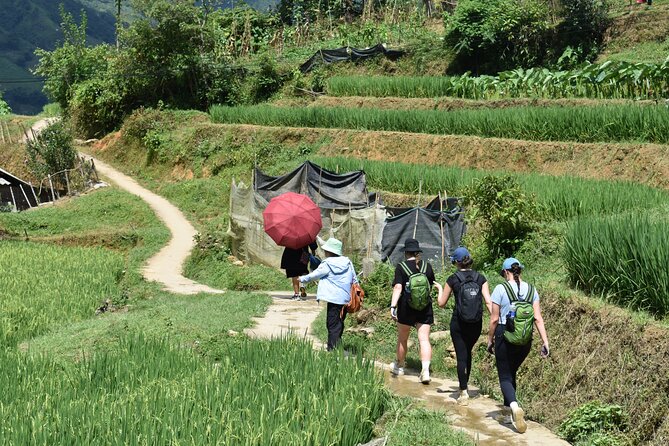
Rice terraces, quieter than town. This 1-day private trek is for people who want Sapa without the rush, walking from hill villages into the Muong Hoa valley view corridor. I particularly love two things: the off-main-road village stops (especially Y Linh Ho) and the rice-terrace walking that feels like you’re moving through the scenery instead of looking at it.
You’re looking at about 6 to 7 hours on the trail, starting at 9:00 am, so plan your day around a solid stretch of walking. One possible drawback to keep in mind: it’s private (only your group), which makes the experience feel personal, but it also means the schedule is set for your group rather than being easily flexible.
In This Review
- Key points worth your attention
- Start in Sapa: how a 9:00 start keeps the day smooth
- Y Linh Ho: quiet village life, H’mong clothing, and terrace views
- Lao Chai trail: ribbon-like terraces and Muong Hoa valley sightlines
- Ta Van village: H’mong, Red Dao, Giay, and a busier village street
- The lunch plan: included meal, local food, vegetarian on request
- Guide-led storytelling: local pace, patience, and off-road flexibility
- Price and value: what $49 really buys you here
- What kind of traveler should book this?
- Should you book this 1-day private trekking tour in Sapa?
- FAQ
- How long is the private trekking day?
- What time does the tour start, and where is the meeting point?
- Is pickup included?
- What’s included in the price?
- Can I request vegetarian food?
- Is this a private tour?
- Is free cancellation available?
Key points worth your attention
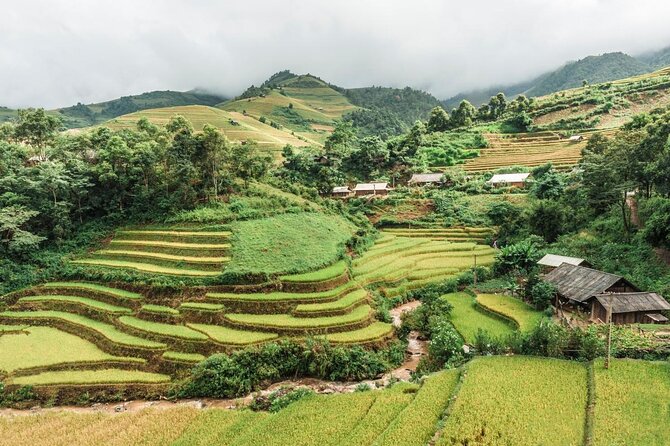
- Terrace-first route: Rice fields, village lanes, and valley sightlines built into a 1-day loop.
- Ethnic culture focus: You’ll visit local homes and learn how communities live on the hillside.
- Y Linh Ho’s calm atmosphere: A quieter village feel compared with Sapa town.
- Multiple villages, different vibes: Lao Chai’s ribbon-like terrace views and Ta Van’s busier mix of groups.
- Lunch and bottled water included: No need to hunt for food mid-trek, plus vegetarian on request.
- Local guide style: Guides emphasize stories and pace (including time for photos), with flexibility for routes.
Start in Sapa: how a 9:00 start keeps the day smooth
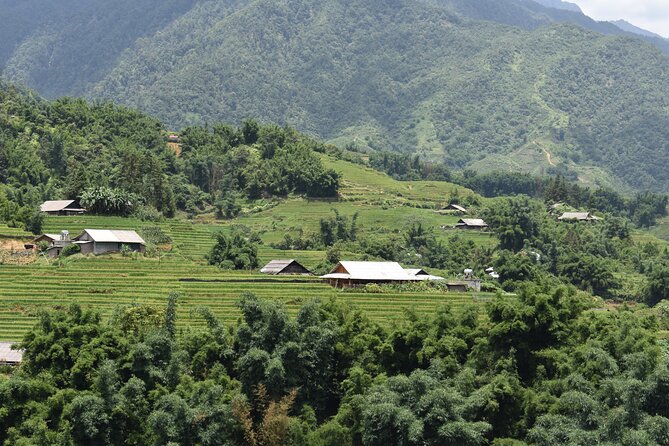
This tour is built around a 9:00 am start, meeting at 534 Đường Điện Biên Phủ, TT. Sa Pa. That timing matters. If you want the terraces and villages to feel real, you want to be moving before the day gets crowded and before everyone else in town tries to cram the same photos into the same hour.
You’ll also get private transportation (pickup is offered), plus bottled water. On a trek day, that’s not glamour, it’s logistics. It means fewer stops, less waiting, and more time actually walking between Y Linh Ho, the Lao Chai area, and Ta Van. It’s also private, so it’s only your group, which usually leads to a more natural pace.
If you’re the type who likes to plan ahead, note that this experience tends to get booked early (on average, it’s reserved about 272 days in advance). If your dates are fixed, early booking is your friend.
You can also read our reviews of more tours and experiences in Sapa.

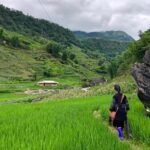

Y Linh Ho: quiet village life, H’mong clothing, and terrace views
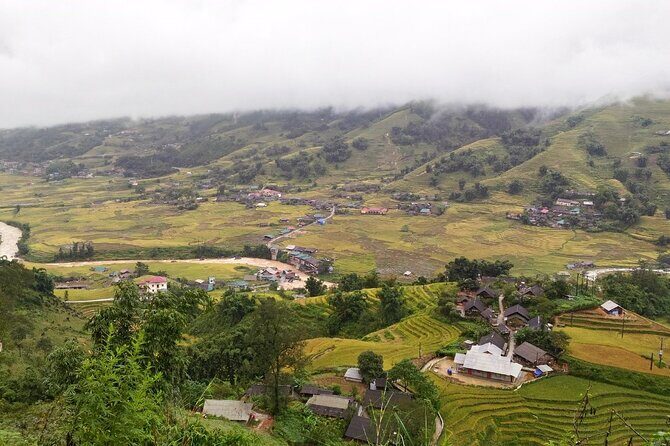
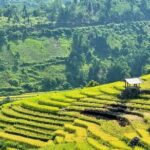
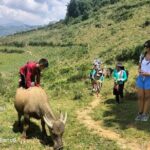
Y Linh Ho is where Sapa starts feeling like it belongs to the hills, not the town. The atmosphere here is calm and quiet, with terraces stepping down across the slopes. You’ll also see corn fields and big mountain framing from the Hoàng Liên Sơn range. The area comes with a strong sense of scale—terraces and valleys stretching out like a living map.
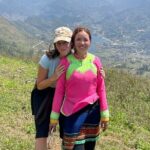
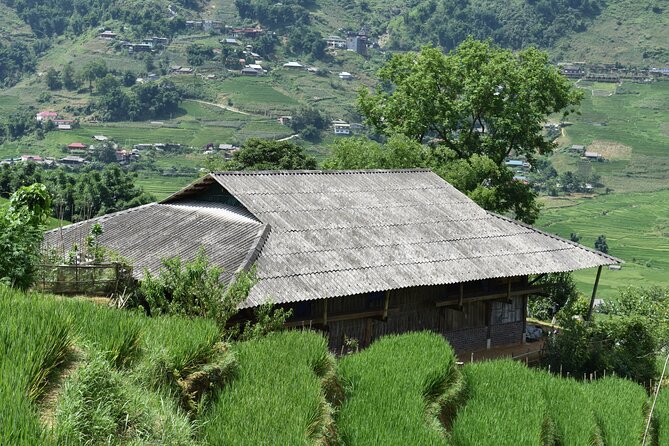
In the village, you’ll notice the stilt houses typical of mountainous ethnic groups. This is also where you get that human-size detail: you’ll see local children and you’ll spot H’mong girls in distinctive brocade costumes. The tour isn’t only about scenery. It’s about meeting the people and getting their side of how this place works.
A practical detail: the stop time is about 3 hours, so it doesn’t feel like a rushed “photo and leave” stop. That longer block is great if you like slow conversations and want time to look closely at homes, materials, and daily rhythm.
One note on expectations: parts of village life are private and day-to-day. You’ll have the benefit of an experienced local guide, but you should still keep your voice low and your questions respectful.
Lao Chai trail: ribbon-like terraces and Muong Hoa valley sightlines
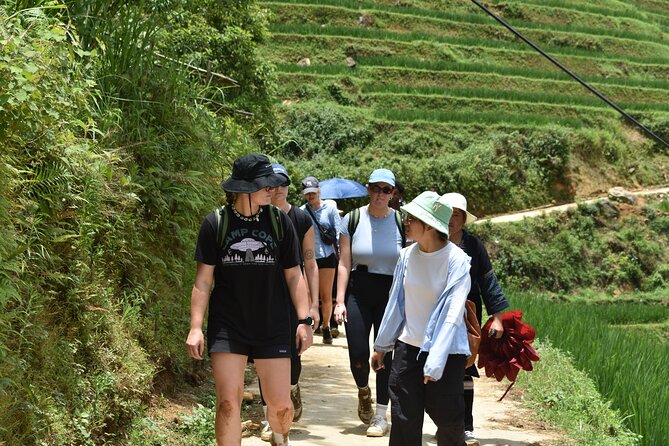
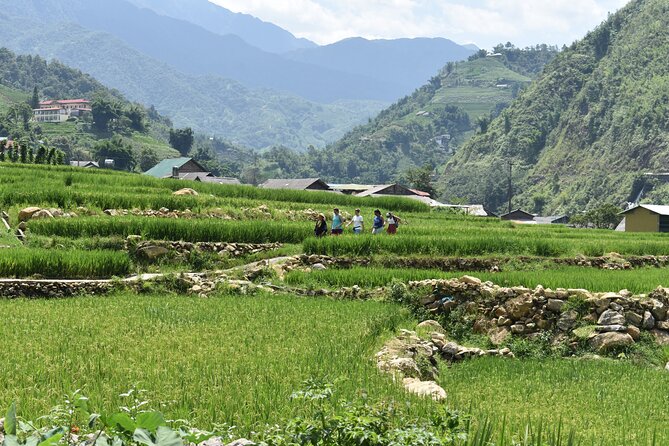
After Y Linh Ho’s stillness, the Lao Chai stretch changes the mood. Lao Chai sits deeper in the valley, surrounded by mountains. The terrace view here can look almost like silk ribbons laid across the hills. As you walk, you’re not just watching fields—you’re moving alongside them, with that sense of scent and texture that comes with rice-growing areas.
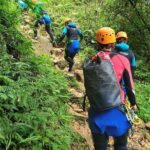
This section is about 2 hours, and it’s designed for views. You’ll see the Hoàng Liên Sơn range while you trek, and you’ll get an ongoing panorama as you head toward the Muong Hoa valley corridor. If you’re the type who enjoys “walk-to-the-view” routes (not bus-to-the-view routes), this is your payoff.
Food also matters in this part of the experience. The tour includes local flavors and a warm welcome feeling—food offered by locals as a sign of sincerity. In plain terms: you’re not just being shown the countryside. You’re being treated as a visitor for a day.
This stop is also a good reminder that Sapa’s story is multi-layered. Even within one day, you go from hillside homes to valley walking, and the experience changes with each bend.
Ta Van village: H’mong, Red Dao, Giay, and a busier village street
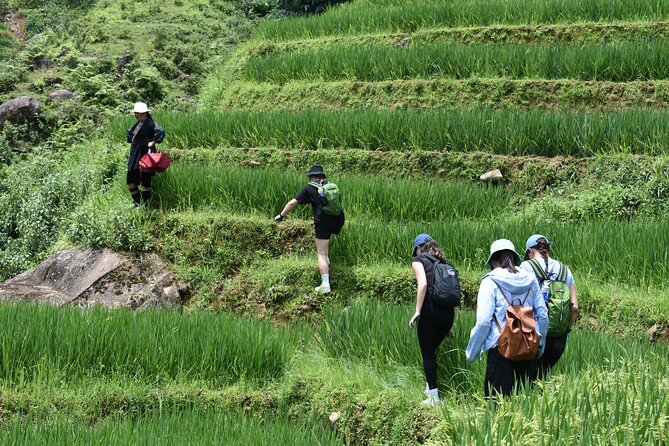
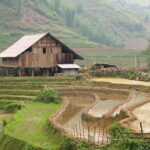
Ta Van is where the route shifts again. It’s home to the H’mong community and also includes Red Dao and Giay people. This village sits near the rice terraces and the Muong Hoa stream, so the water and fields feel close together as you move around.
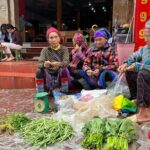
Ta Van is described as one of the more busy village stops in the day. That shows in the street feel: there are sidewalks and you’ll likely notice homestay activity. The result is a village that feels more connected to visitors, while still being rooted in everyday life.
The Giay detail is especially interesting if you like cultural specifics. The Giay population is listed at about 38,000 people living mainly in Northwest Vietnam, and while some older customs may be lost due to development, you’ll still see traditional clothing on many women in colors like purple, blue, or green. You’ll also hear how Giay houses are made with wood and bamboo and have a clay floor.
This stop is about 1.5 hours, which is a good length. It gives you time to walk around, notice differences between communities, and connect the terrace views from earlier parts of the day to the lived-in village feel here.
The lunch plan: included meal, local food, vegetarian on request
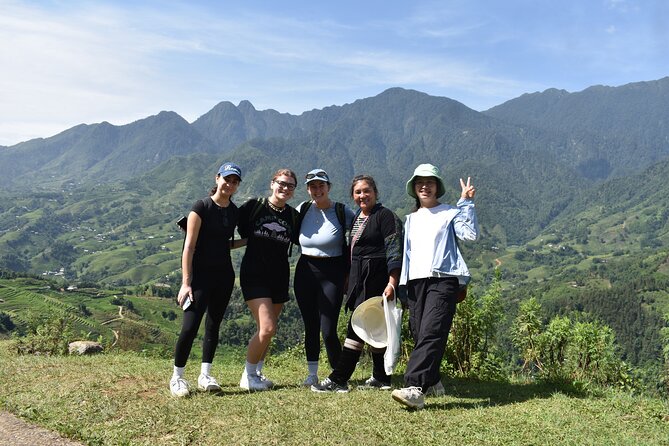
A big part of why this trek feels like a day trip instead of a grind is the lunch included. You also get bottled water, which is a small thing that makes a big difference when you’re moving for hours.
The tour’s food angle is local, and that’s usually the right approach in Sapa. You’re in minority village country. Eating simple, local food keeps the day in-theme.
Vegetarian isn’t an afterthought either. The tour states vegetarian food is available on request, which you should do in advance so you don’t end up trying to negotiate in the middle of the schedule.
If you have dietary needs beyond vegetarian, the only safe way to handle that is to message clearly before the day starts. The data here confirms vegetarian support, not every special diet.


Guide-led storytelling: local pace, patience, and off-road flexibility
This is the kind of trek where the guide matters more than the brochure. The experience highlights that you’ll get stories about the landscape and how local people live in it, plus guidance through villages and homes with local context.
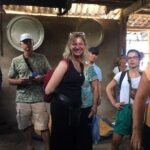
The standout pattern from the guide experience is pace. In particular, guides are described as friendly, patient, and willing to give you time for photos without rushing you through the good spots. That’s a real quality-of-life upgrade on a trekking day.
You can also get route flexibility. One account notes the guide asked whether you want to go off-road, and if you say yes, you’ll follow the lead down different paths. That’s a great option if you want a more “walk like a local” feel rather than sticking to the most obvious route.
If you’re wondering about communication and support, there are also notes about helpful agents during planning, including agent Ha for smooth travel coordination. And on the guiding side, one mention includes a guide named Giang, described as knowledgeable and accommodating.
Bottom line: if you care about respectful human interaction and not just checkpoints, this tour’s guide focus is one of the biggest reasons it earns strong ratings.
Price and value: what $49 really buys you here
At $49 per person, this doesn’t look like a bargain trek that cuts corners. It’s priced like a guided experience with real logistics included: private transportation, lunch, bottled water, all fees and taxes, and admission tickets to the included stops.
That matters because Sapa village areas often involve small entry fees and coordination. When those are already handled, you’re not scrambling for cash or permission at the last second.
Also, the tour offers group discounts. Even though it’s private, discounts can still make sense if you’re traveling with friends or family and can book together.
One more value factor: you’re doing multiple village areas in a single day—Y Linh Ho, Lao Chai, and Ta Van—plus terrace walking. That’s more efficient than stitching together separate short tours. You pay once and get a structured route.
The tradeoff is time on your feet. If you’re not up for 6 to 7 hours of trekking, you might end up feeling the clock more than the views.
What kind of traveler should book this?
This is a strong match if you want:
- Real village contact, not just a viewpoint stop
- A private day with a local guide
- A route that includes different ethnic community settings across the day
- Included lunch and water, so you’re not managing everything on the trail
It’s also a good choice if you’re traveling with people who value photo time and conversation. The structure gives you time at each village stop rather than turning the day into a fast checklist.
If you’re chasing a super-short walk with minimal village interaction, this probably won’t be your best fit because the schedule is built for meaningful time in each area.
Should you book this 1-day private trekking tour in Sapa?
I’d book it if your version of “Sapa experience” includes terraces, homes, and stories—especially if you want the calm feel of Y Linh Ho and the mixed village energy of Ta Van within one day. The inclusion of lunch, transport, and fees makes it easier to trust that the day won’t fall apart when you get there.
I would think twice if you want a lighter day or if 6 to 7 hours of trekking sounds like punishment instead of part of the fun. Also, since it’s private, you’ll want to confirm your group’s expectations before you lock it in.
FAQ
How long is the private trekking day?
The trek lasts about 6 to 7 hours.
What time does the tour start, and where is the meeting point?
It starts at 9:00 am. The meeting point is 534 Đường Điện Biên Phủ, TT. Sa Pa, Sapa, Lào Cai 31000, Vietnam.
Is pickup included?
Pickup is offered, and the tour includes private transportation.
What’s included in the price?
The price includes lunch, bottled water, private transportation, and all fees and taxes. Admission ticket(s) for the included stops are also included.
Can I request vegetarian food?
Yes. Vegetarian food is available on request.
Is this a private tour?
Yes. It’s a private tour/activity, so only your group participates.
Is free cancellation available?
Yes. You can cancel up to 24 hours in advance for a full refund.