REVIEW · HANOI
Vietnamese Coffee 101 Workshop
Book on GetYourGuide →Operated by Sondax Travel Agency - Hoa Binh company · Bookable on GetYourGuide
Coffee teaches Hanoi fast. This hands-on Vietnamese phin filter workshop pulls you into local coffee culture through tasting and real brewing practice. You’ll learn what makes Vietnamese coffee taste the way it does, from beans to methods.
I love that the session is hands-on, not just watch-and-smile, and I also like that you leave with a recipe book to recreate drinks at home. One thing to consider: pickup may cost extra if you’re outside the Old Quarter area.
In This Review
- Key Highlights You’ll Care About
- Entering the World of Vietnamese Coffee in a 3-Hour Workshop
- Coffee Basics You Can Use: Beans, Roasts, and Brewing Logic
- The Phin Filter Lesson: Brew the Iconic Vietnamese Cup
- Tasting the Menu: Coconut, Brown Coffee, Egg Coffee, Pour-Over, and Cocktails
- Getting the Ratio, Grind, and Art Right (Without Pretending It’s Magic)
- What You Take Home: Recipe Book, Digital Coffee Books, Certificate
- Price and Logistics: Is $22 Worth It in Dong Bac?
- Beyond the Class: Optional Coffee Add-Ons
- Who Should Book (and Who Might Skip)
- Should You Book Vietnamese Coffee 101?
- FAQ
- How long is the Vietnamese Coffee 101 Workshop?
- How much does it cost?
- Is the instructor available in English?
- What brewing method do I learn?
- What coffee drinks are included in the menu?
- What is included in the price?
- Is pickup included?
Key Highlights You’ll Care About
- Phin filter practice so you can brew the iconic Vietnamese style yourself
- Coffee science in plain terms: grind size and coffee-to-water ratio
- A menu of Vietnam favorites including coconut coffee, brown coffee, egg coffee, pour-over, and coffee cocktails
- Small-group feel with English support so you’re not stuck behind others
- Take-home support: recipe book, free digital coffee books, and an optional certificate
- Strong value at $22 for a 3-hour guided, tasting-and-making experience
Entering the World of Vietnamese Coffee in a 3-Hour Workshop
Vietnamese coffee has a specific sound and rhythm: metal, patience, and then that first slow pour. That’s why I like this Vietnamese Coffee 101 setup. It doesn’t treat coffee as a museum piece. It treats it as something you can learn by doing.
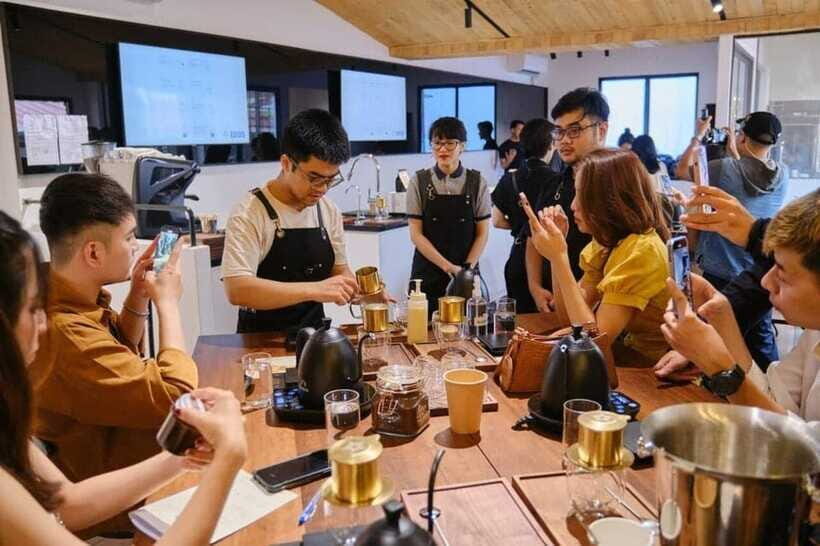
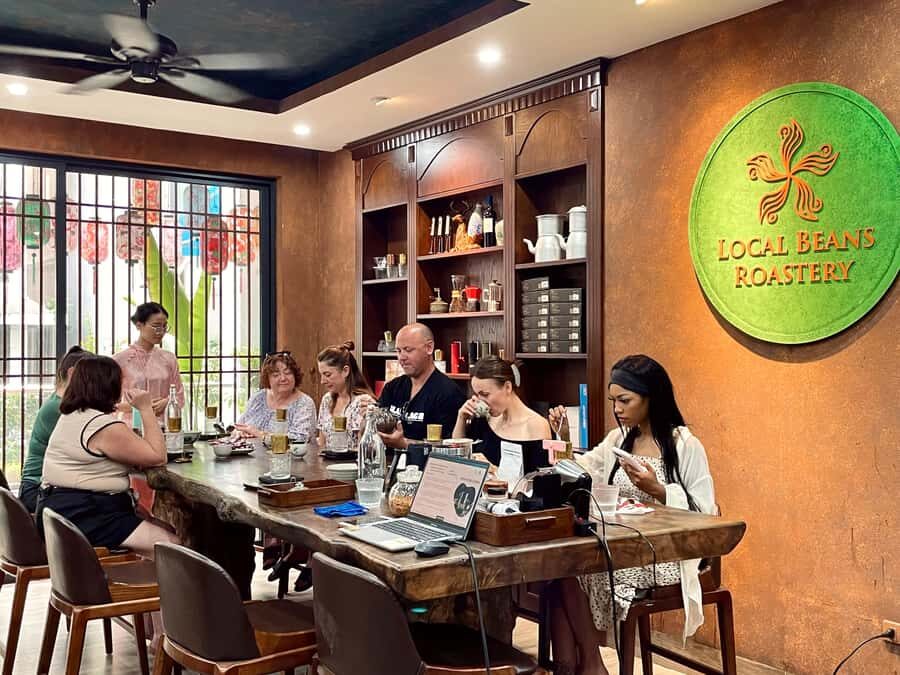
The workshop runs for about 3 hours and is led in English. You start with context—coffee’s journey into Vietnam and how roasting and bean choices affect flavor—then you move quickly into tasting. After that, you’re brewing. Not just once. You get time to try the methods yourself, which is where the lightbulb moments happen.
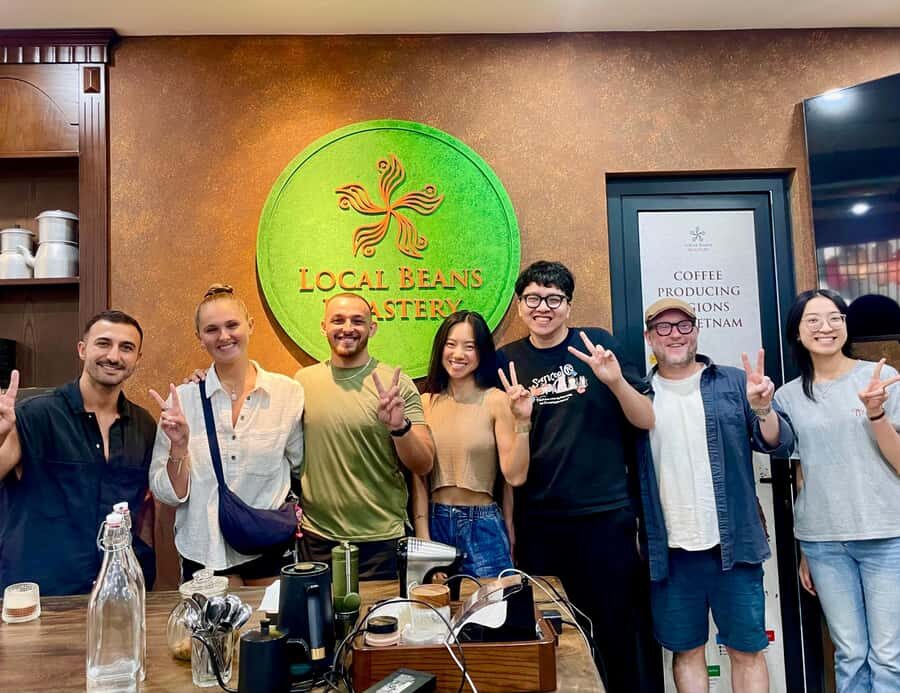
There’s also a small-group vibe, so you’re more likely to get direct attention at the key steps: dialing in grind, managing the pour, and learning what to look for in the cup.
You can also read our reviews of more tours and experiences in Hanoi


Coffee Basics You Can Use: Beans, Roasts, and Brewing Logic
Before you touch the equipment, you get the kind of coffee background that actually helps you later. Expect a guided rundown of coffee’s history and its arrival in Vietnam, plus practical lessons on bean varieties and what you can expect from each one.
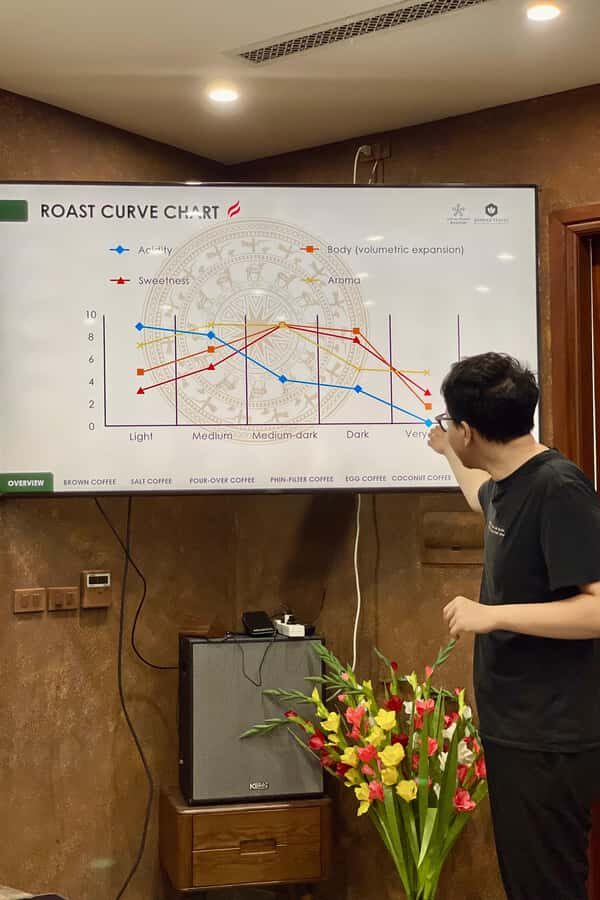
You’ll also cover the basics of roasting—how roast level and processing can shift aroma and bitterness—and why Vietnamese coffee often leans bold. The point isn’t to memorize trivia. It’s to help you taste with purpose. If you understand what the brew is trying to pull out, you waste less time guessing at home.
Another useful takeaway: the workshop connects bean choice to brewing behavior. You’ll learn things like the importance of coffee-to-water ratio and grind size. Even if you never go full barista, those two ideas explain a lot of bad coffee problems you’ve probably had before.
The Phin Filter Lesson: Brew the Iconic Vietnamese Cup
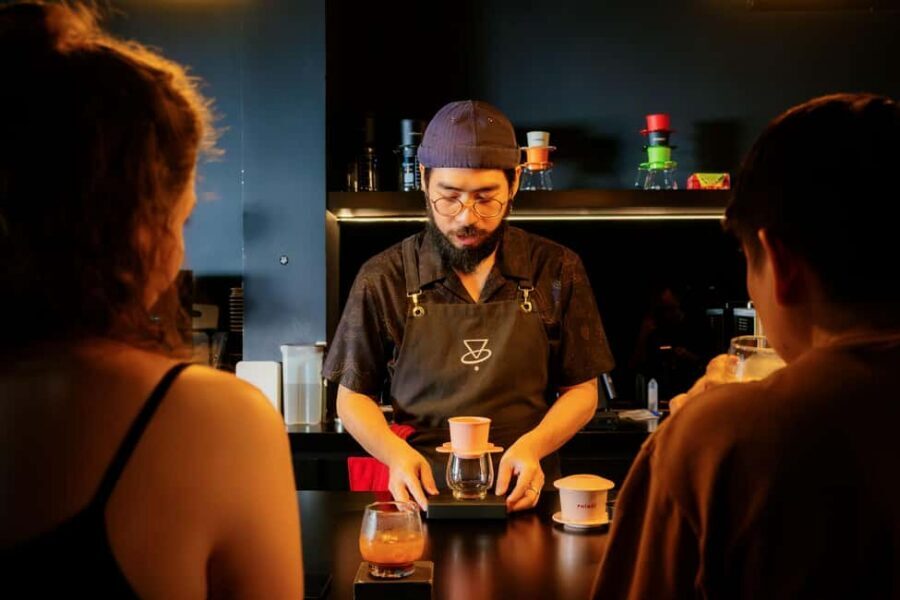
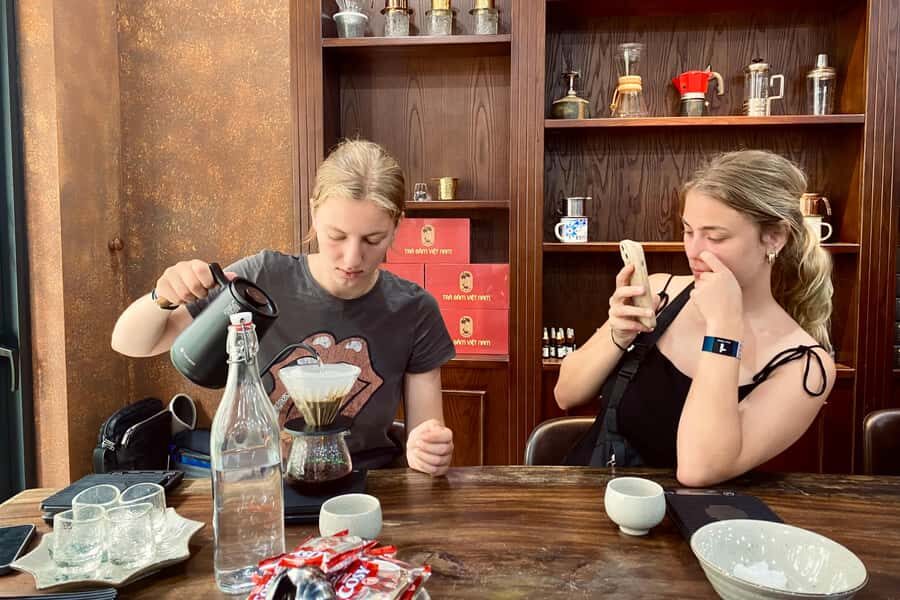
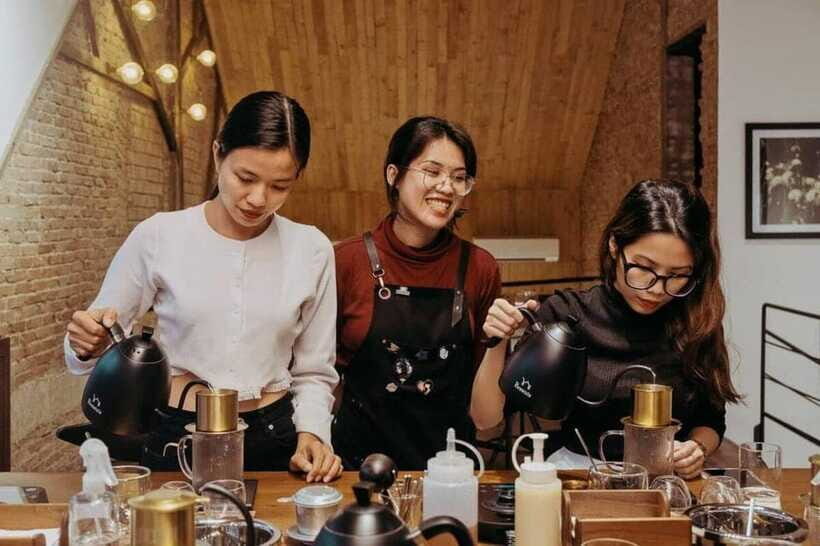
The star of the class is the phin filter. This is the iconic Vietnamese method: a small metal dripper that sits on top of a cup and slows the extraction. It’s simple gear, but it’s not just dumping grounds into a contraption. There’s a timing and technique component, and the workshop focuses on that.
You’ll learn how to assemble the setup, how to manage the brew so it pulls through cleanly, and how to interpret what you’re seeing and tasting. The biggest win here is that you’re not left with vague advice. You get the method explained and then you try it yourself.
If you like coffee with body—sweet roast notes, chocolatey depth, and that distinctly Vietnamese strength—this is the technique that makes it happen. And once you’ve brewed one cup through a phin, you’ll understand why so many locals treat the process like part of the day, not just caffeine delivery.
Tasting the Menu: Coconut, Brown Coffee, Egg Coffee, Pour-Over, and Cocktails
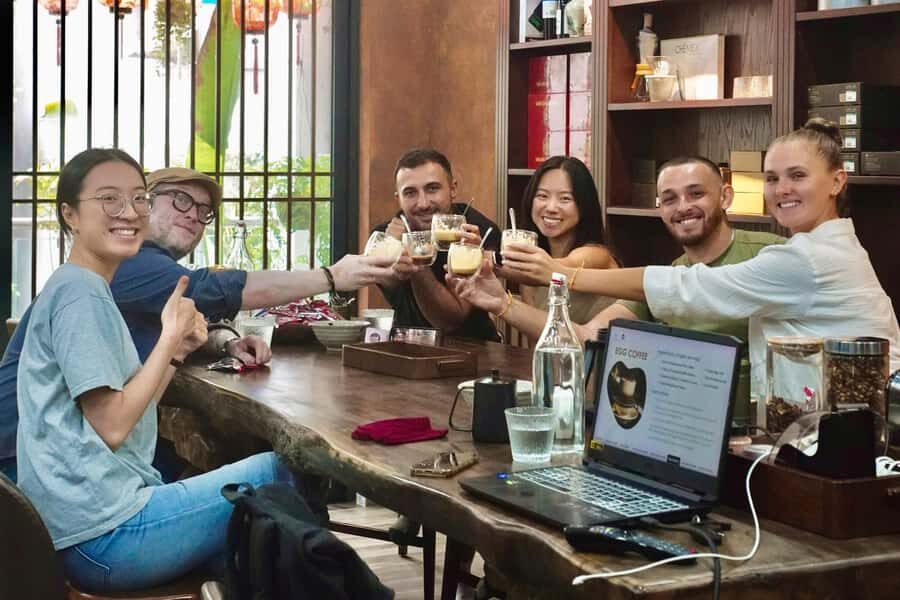
One reason this workshop feels fun (not just educational) is the menu. The coffee offerings on the workshop list cover classic Vietnamese styles and some modern variations, so you get a real sense of range.
Here are the main drinks you’ll run into, with what they mean for your taste buds:
Original Vietnamese Brown Coffee
This is the baseline. Strong, bold, and built around the phin filter style. You can usually expect it served hot or iced depending on the format that day. If you want to understand the heart of Vietnamese coffee, start here.
Vietnamese Coconut Coffee
Creamy and refreshing, with coconut milk adding softness to the roast. This one helps you hear the difference between bitter roast flavors and sweet, rounded body.
Pour-Over Coffee
This is the more focused, lighter-touch method in the mix. It aims to show the bean’s natural flavor more clearly, with a cleaner cup compared to the phin’s heavier style. If you sometimes find Vietnamese coffee too strong, pour-over is your bridge.
Signature Vietnamese Egg Coffee
This is the famous one: strong brewed coffee mixed with a creamy egg yolk component. The result is thick, smooth, and surprisingly sweet. If you avoid eggs, you should skip this drink and choose another option on the menu.
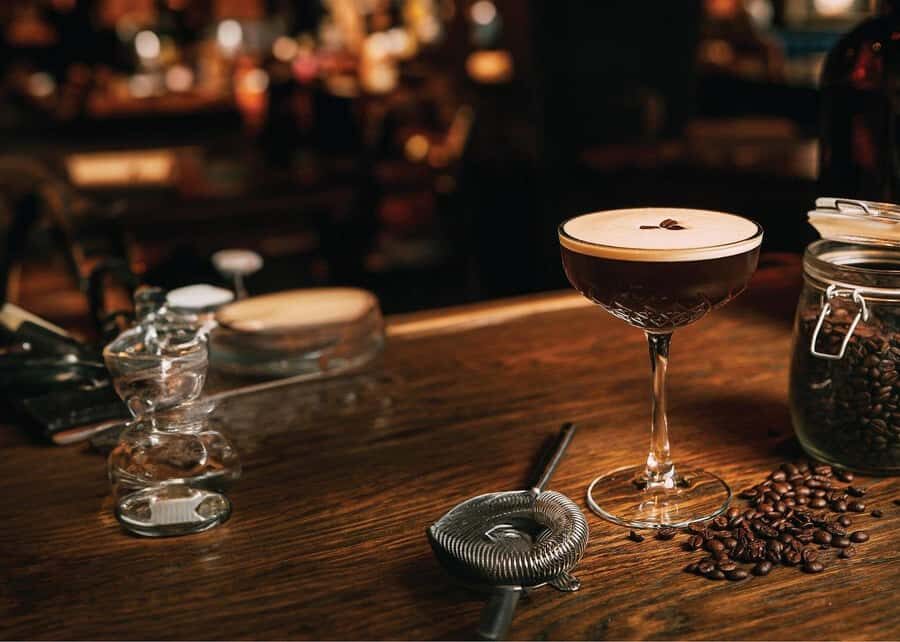
Coffee Cocktail
This moves toward grown-up café energy. It uses premium coffee blended with spirits for a cocktail style. If you don’t drink alcohol, you’ll want to ask how this is handled during your session, so you can stick to coffee-only drinks.
A nice extra: at least one session includes local wine alongside the coffee tasting. That’s not something you always see at coffee workshops, and it adds a little social flavor to the tasting part of the program.
Getting the Ratio, Grind, and Art Right (Without Pretending It’s Magic)
After tasting, you shift into the skills that make your next cup better. This is where the class earns its value.
You’ll work on the practical stuff:
- Coffee-to-water ratio so the cup has enough strength without turning harsh
- Grind size so the extraction happens at the right pace
- Brew control so the phin drip and timing don’t lead to flat results
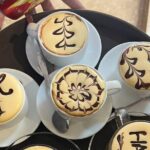
Then comes the creative part. The workshop includes instruction related to coffee art and latte art. Even if you’ve never done it, you’ll likely find it approachable because the class keeps you focused on steps, not talent.
The real advantage for you: you’ll stop treating coffee like luck. You’ll start treating it like a repeatable process. That’s a big deal if you’re the type who wants good coffee after the trip, not only during it.
You can also read our reviews of more tours and experiences in Hanoi
What You Take Home: Recipe Book, Digital Coffee Books, Certificate
A lot of classes end with a full stomach and empty hands. This one does better.
You’ll receive a recipe book with what you learn in the workshop, so you can recreate the brews later. You also get free digital copies of coffee books related to the session. That helps you keep learning without having to hunt for resources.
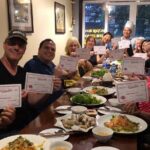
If you want something formal, there’s also an optional professional certificate if requested. You don’t need it to enjoy the class, but it’s a nice extra if you like documentation.
And because you’re brewing during the workshop, the take-home materials make sense. You won’t read instructions thinking, I have no idea what this means. You’ll already have felt the process with your own hands.
Price and Logistics: Is $22 Worth It in Dong Bac?

At $22 per person for about 3 hours, this workshop is priced in the sweet spot for Hanoi activities: not so cheap that it feels rushed, and not so expensive that it’s only for coffee nerds with extra time.
Here’s why the math works for me:
- You’re not paying just for tasting. You’re paying for hands-on instruction and time to brew.
- Premium coffee beans and fresh ingredients are included, which matters when you’re trying different styles.
- You leave with a recipe book and digital coffee reading, which extends the value beyond the class.
Logistics are also straightforward. The workshop is based in Dong Bac, Vietnam, and sessions run at different start times, so check availability. If you need pickup, plan on extra pickup fees if your location is out of the Old Quarter area.
The workshop is wheelchair accessible, which is a genuine plus for a hands-on class where some venues can be cramped.
A small note: coffee preferences matter. Since the menu can include drinks like egg coffee and coffee cocktails, you may want to think ahead if you avoid eggs or alcohol.
Beyond the Class: Optional Coffee Add-Ons
If you want to keep the momentum going after the workshop, there are add-ons you can consider:
- Coffee tasting tour that explores Hanoi’s historic coffee shops and samples local brews
- Private coffee workshop tailored to your interests and preferences
- Coffee bean shopping for high-quality Vietnamese coffee beans to take home
One detail worth knowing: the workshop includes tasting and brewing, but coffee bean and instrument shopping isn’t included. The workshop does offer high-quality roasted beans and the phin filter for purchase, but that’s separate.
Who Should Book (and Who Might Skip)
You’ll likely love this workshop if:
- You drink Vietnamese coffee now and want to understand why it tastes the way it does
- You want hands-on skills you can repeat at home
- You like a mix of classic and modern coffee drinks in one session
- You value a small-group atmosphere and English guidance
You might skip it if:
- You only want sightseeing and zero hands-on activity
- You’re sensitive to eggs or alcohol since the menu can include egg coffee and coffee cocktails
- You’re looking for a purely silent tasting without brewing practice
The workshop is best for people who enjoy learning by doing—and who want a souvenir that’s more than a photo.
Should You Book Vietnamese Coffee 101?
Yes, I’d book it if your goal is to leave Hanoi with practical coffee knowledge. The phin filter focus, the mix of tasting and brewing, and the take-home recipe book make it feel like a real skill-builder. At $22 for roughly 3 hours, it also lands in a strong value zone for an activity that’s not just a performance.
If you’re the kind of person who wants one great class during a short trip, this is a solid pick. It’s hands-on, it’s culturally specific, and it gives you something to do tomorrow morning—when you’re back home and craving that first cup.
FAQ
How long is the Vietnamese Coffee 101 Workshop?
The workshop lasts about 3 hours. Start times vary, so you’ll want to check availability.
How much does it cost?
It costs $22 per person.
Is the instructor available in English?
Yes. The workshop is taught in English.
What brewing method do I learn?
You learn traditional Vietnamese brewing with the phin filter. The workshop also covers modern brewing methods such as pour-over and espresso.
What coffee drinks are included in the menu?
The workshop menu includes options such as Vietnamese coconut coffee, original Vietnamese brown coffee, pour-over coffee, signature Vietnamese egg coffee, and coffee cocktails.
What is included in the price?
Included items are an expert coffee guide, a hands-on brewing experience, premium coffee beans and fresh ingredients, a recipe book, free digital copies of related coffee books, and an optional professional certificate if requested.
Is pickup included?
Pickup depends on your location. If you are outside the Old Quarter area, additional pickup fees may apply.