REVIEW · HANOI
Traditional Silversmith Workshop in Hanoi
Book on GetYourGuide →Operated by Beyond Backstreet Tours · Bookable on GetYourGuide
Hanoi’s silver threads are serious craft. In Dinh Cong, a village tied to silversmithing for over 1,000 years, you’ll learn how thin silver is made by hand and turn it into a piece of jewelry you can actually wear. I loved the step-by-step feel of working with thin silver—pulling it into tiny threads and shaping it with care. I also liked the small group setup (max 6), where an English-speaking guide and local host can help you finish one selected design. One thing to consider: the price includes a set amount of silver for a simple item, and extra customization or larger pieces can cost more, plus some classes may feel more like making with guidance than a full lesson in design and measurement.
This workshop runs about 3 hours on the To Lich river side of Hanoi, roughly 10 km from Hoan Kiem Lake. The meeting point is tucked down an alley entrance next to a temple, so plan for a short ride and a little walking.
In This Review
- Key things to know before you go
- Thin silver in Dinh Cong: why this Hanoi craft feels different
- The 3-hour flow: what you’ll actually do
- Choosing your ring, pendant, earrings, or bracelet
- From ingots to thread: the real skill you’re learning
- Instruction style: hands-on guidance vs. classroom teaching
- Small group comfort, English guidance, and how to get the most out of it
- Price and value: what $54 buys you (and what can cost extra)
- Getting there from central Hanoi: location realities
- Who this workshop suits best
- Should you book Traditional Silversmith Workshop in Hanoi?
- FAQ
- How long is the Traditional Silversmith Workshop in Hanoi?
- Where does the workshop take place?
- What can I make during the workshop?
- What is included in the price?
- Are there extra costs?
- Is food included?
- What group size should I expect?
- Is the instruction available in English?
- What are the cancellation and payment options?
Key things to know before you go
- Thin silver is the point: this village specializes in hand-made thin silver thread, not just engraved designs.
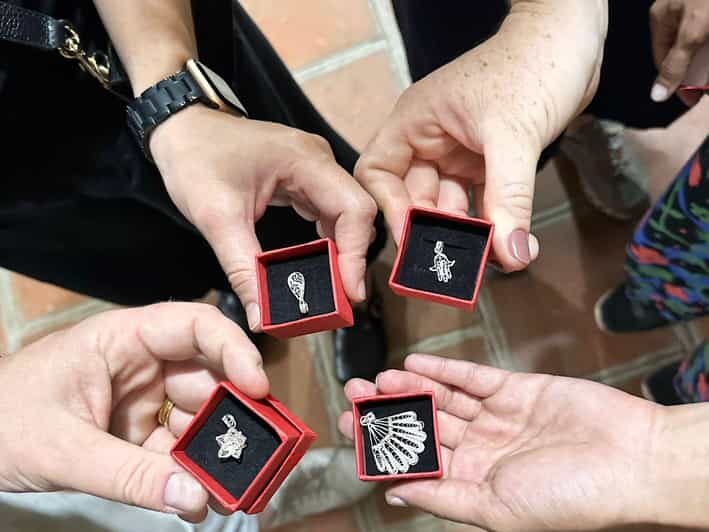
- You’ll make one chosen piece: pick from sample designs such as a ring, earrings, or bracelet.
- You work with a local host: you’re guided by the people who keep the craft going.
- Handwork takes focus: expect patience, fine motor work, and plenty of time at the bench.
- Price covers materials for a simple item: bigger or more complex designs can mean extra silver and small extra fees.
Thin silver in Dinh Cong: why this Hanoi craft feels different
Hanoi has craft villages all over the map, but Dinh Cong (in Hoang Mai district) is a standout for one reason: thin silver. This is not the same as the more common approach you might see elsewhere, where engraving is the main feature. Here, the signature craft is the process itself.
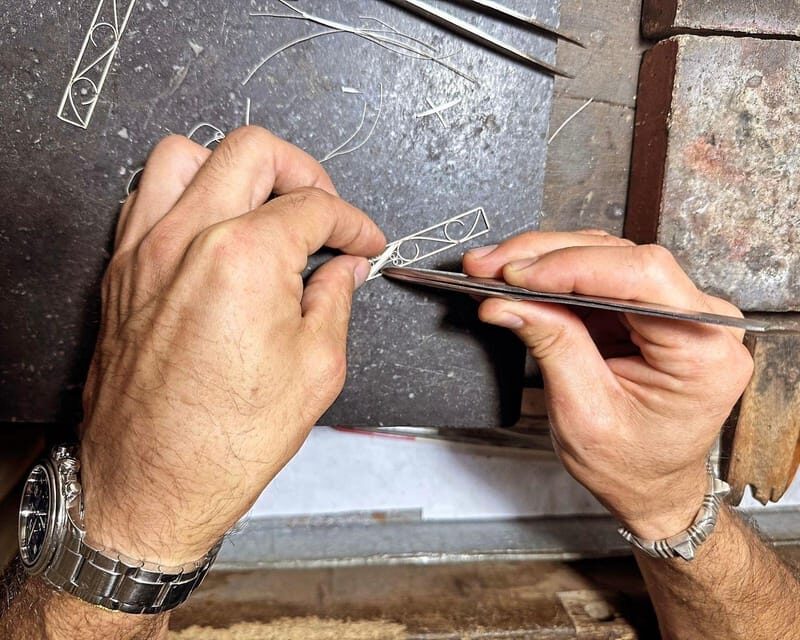
The idea is simple to say, harder to do: craftsmen take silver ingots and transform them into tiny silver threads. Then they bend those threads into shapes and add details onto a frame until the final jewelry piece takes form. The village has a long relationship with the work, surviving changes in people and tradition while silversmithing remained one of the ancient crafts tied to Thang Long, the old name of Hanoi.
If you like hands-on learning where you can see how materials become something wearable, this workshop makes sense. You’re not just watching someone else’s finished art—you’re building your own using the same core steps.
You can also read our reviews of more tours and experiences in Hanoi



The 3-hour flow: what you’ll actually do
In a typical session, the timing is built around one goal: get you from basics to a completed piece.
You start at the alley entrance next to a temple. From there, you’ll begin with a quick introduction—how the village got its reputation for silver work and how the thin-silver process works in practice. You then meet the local host who guides you at the bench.
After that, your workshop work becomes very practical:
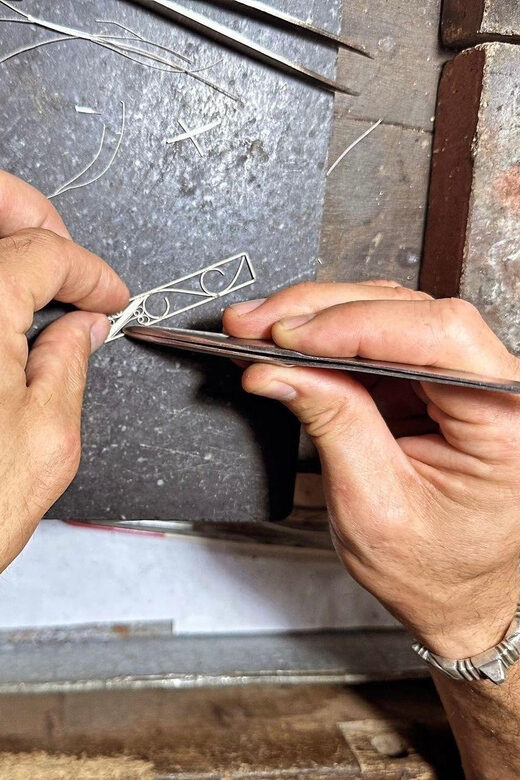
- you learn how to work with thin silver thread
- you arrange the thread according to a sample design
- you shape and place details under your host’s guidance
- you finish with one completed item to take home
You don’t need prior jewelry experience. The host’s role is to help you carry the work across the “tricky” moments—when the thread needs careful handling and when the shaping and details have to look right.
There’s also a sense of “see how it’s made” rather than “sit in a classroom.” One person described a small tour of the process used to make silver for the jewelry, and that’s consistent with how this is designed: you learn by watching the steps, then copying them with help.
Choosing your ring, pendant, earrings, or bracelet
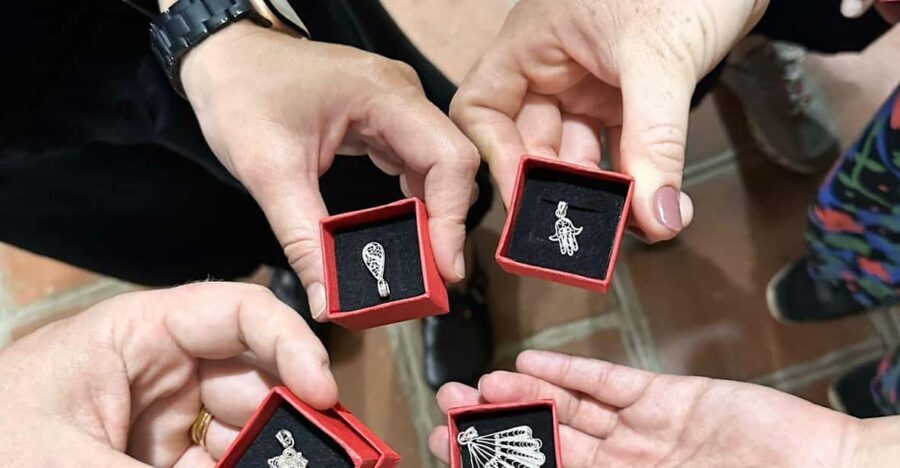
Before you begin, you pick from a set of sample options. The workshop is set up for one finished piece, so your choice matters in two ways: what shape you’ll make and how much silver is needed.
The materials included cover one item such as a simple ring, pendant, or earrings. You’ll usually see options like a ring, earrings, or a bracelet. If you want to go bigger or more elaborate than the included amount allows, that’s where extra cost comes in.
Here’s a practical tip: if you’re unsure, choose the design you can complete neatly within the session. Fine silver work rewards calm, steady focus more than complex plans. A slightly simpler style often ends up looking more polished because you have time to refine the details instead of rushing.
Also, if you’re someone who enjoys drawing and measurements, keep your expectations realistic. In at least one experience, part of the figuring-out process for measurements and the drawing felt handled for the participant rather than taught step-by-step. So if you want more design instruction, ask early and explicitly what you’ll learn beyond hands-on crafting.
From ingots to thread: the real skill you’re learning
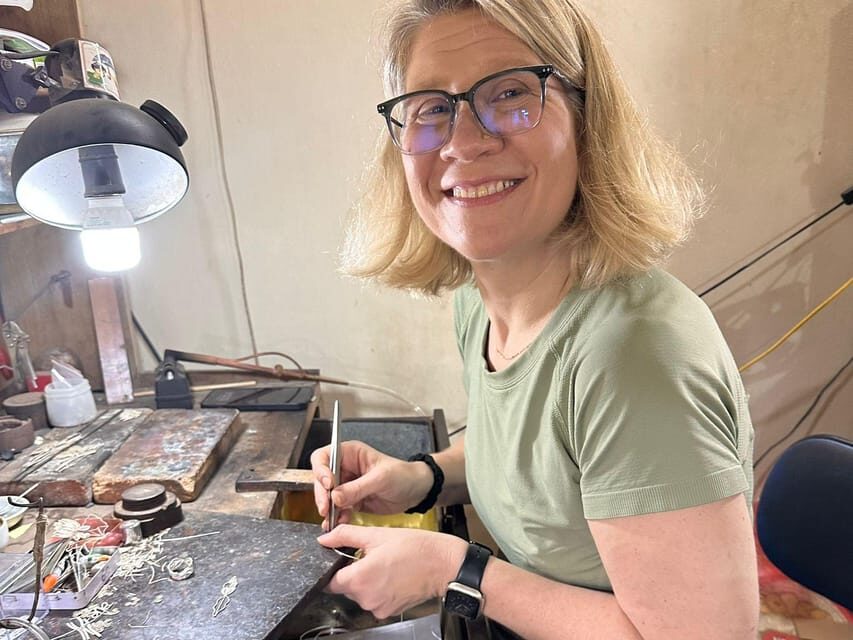
The heart of the experience is the thin-silver method. Even when you’re just a first-timer, you’ll understand quickly why this craft has a reputation for patience.
You’ll work with silver that has to be transformed into threads, then bent into shapes. The host guides you in how to handle it so it doesn’t end up uneven. Then you’ll arrange the thread into the design you picked, and you’ll add the details so it looks like jewelry instead of just shaped metal.
A big part of what you’re buying with this workshop isn’t just the final ring. It’s the understanding of the craft steps:
- how silver threads are handled
- how shaping happens before the final details
- how the design gets built on a frame
If you enjoy watching skilled artisans work, you’ll probably find yourself slowing down and noticing the micro-movements that make the work look clean. It’s also one of those crafts where asking questions pays off. People who asked about the village history and the shop setup during their session got help and clarification—so bring curiosity.
Instruction style: hands-on guidance vs. classroom teaching
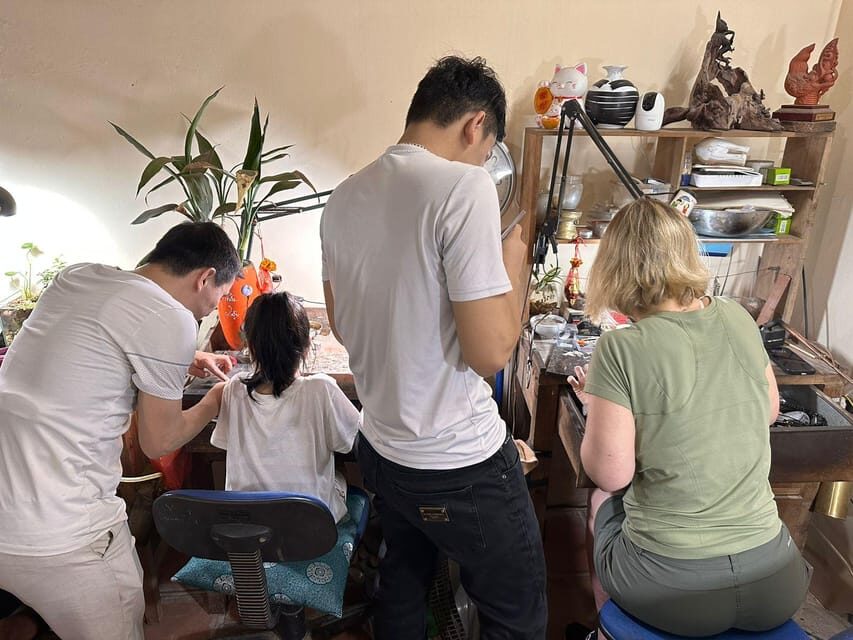
This is a “make it with help” workshop, not a lecture-heavy course. That can be a good match for many people, especially if you want a finished souvenir without spending days learning techniques.
In positive experiences, instruction is described as clear, with teachers who are kind and patient. You should expect hands-on support whenever you need it, and enough attention to help you finish your selected design.
At the same time, one experience felt more like following along with a worker than learning the full reasoning behind measurements and design steps. Another person mentioned that the pacing felt rushed near the end because the guide misunderstood the class length.
So what should you do? Here’s the practical approach:
- ask what parts you’re learning (materials handling, shaping, arranging, finishing)
- ask whether the design layout and measurements are something you’ll do yourself or something provided
- if you want deeper instruction, state that up front in simple terms
If your goal is “I want to make something and understand the steps,” you’ll likely be happy. If your goal is “I want a full engineering lesson on creating measurements,” you’ll want to ask questions early and adjust expectations.






Small group comfort, English guidance, and how to get the most out of it
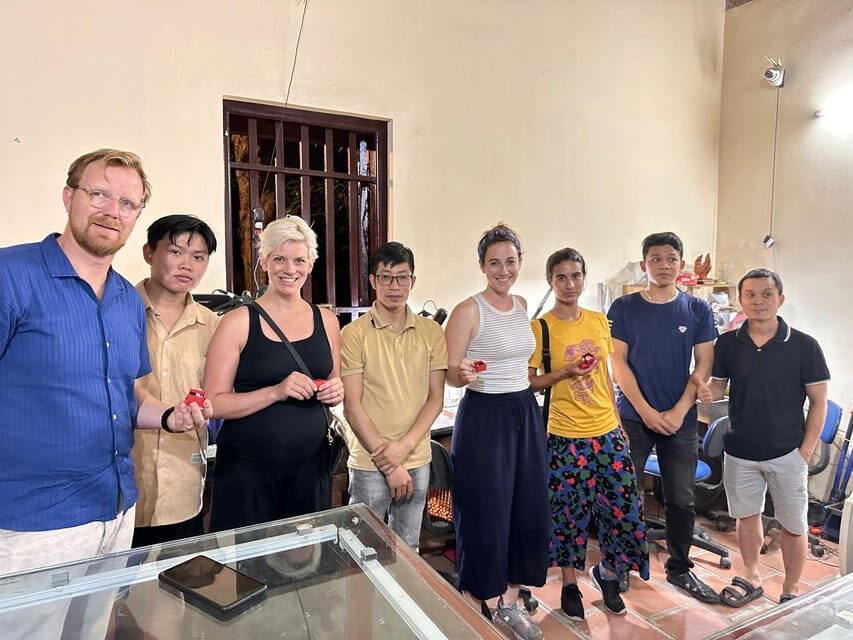
The group is limited to 6 participants, and the guide/instructor works in English. That small group size matters because silver work has lots of “wait and fix” moments. When there are fewer people, the host can troubleshoot your piece without disappearing for long stretches.
You’ll also spend time with a local host, which is a big part of why these workshops can feel more authentic than a generic demonstration. Instead of watching a production line from a distance, you’re working alongside the people whose village identity is tied to the craft.
For best results, come ready to slow down. These are delicate tasks. Your best tool is not speed—it’s careful attention to the details your host points out.
And since food and drink aren’t included, plan your day so you’re not hungry right before you sit down at the bench. You’ll concentrate better.
Price and value: what $54 buys you (and what can cost extra)
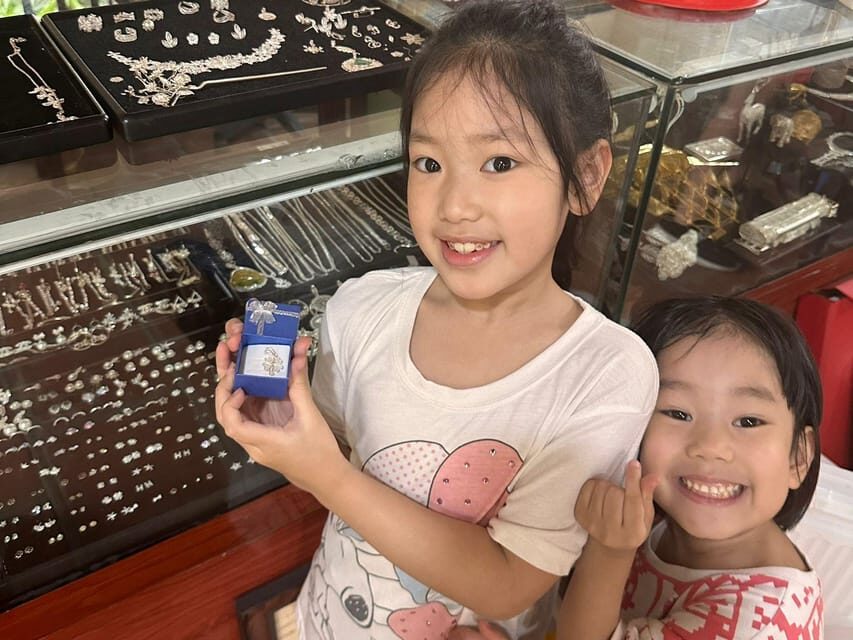
At $54 per person, you’re getting a 3-hour workshop with an English-speaking guide, materials for one finished piece, and guidance to produce that item. For many people, this is good value because the time is short and the outcome is tangible: a piece of jewelry made through the thin-silver process.
What’s included (based on the workshop setup):
- materials for one silver ring/pendant/earrings
- guidance to one finished product
- English speaking guide
What can add cost:
- extra fee for complicated customized designs (listed as $5–$10)
- extra silver fee if you want a bigger piece than the included amount allows
So I’d judge value like this: if you pick a sample design that fits the included silver amount, you should feel like the price is fair. If you’re aiming for a larger or highly customized piece, budget a little extra and confirm costs during the workshop.
Also note: one participant mentioned not getting a box for storing the finished piece, which made it feel a bit incomplete. The data you have here doesn’t promise packaging either way, so don’t assume it. Bring a small way to protect your jewelry on the way home.
Getting there from central Hanoi: location realities
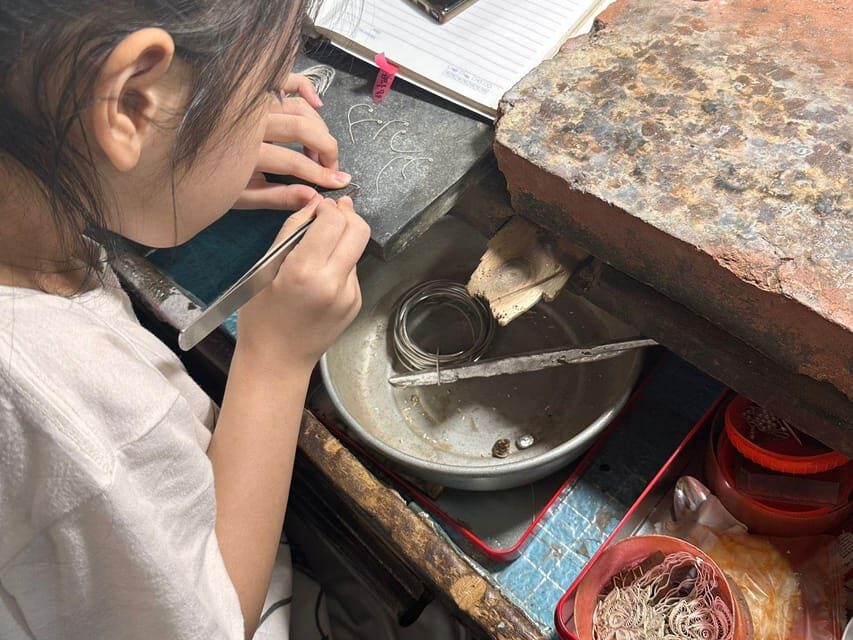
The workshop is on the To Lich river bank in Hanoi’s Hoang Mai district, about 10 km from Hoan Kiem Lake. That’s not a walk from the Old Quarter, so plan a ride.
The meeting point is the entrance of an alley next to a temple. It’s the kind of place where you’ll want to arrive a few minutes early and look for your instructor/guide at the start point. The activity ends back at the meeting point, so you won’t get a separate drop-off.
If you dislike getting stuck in confusing lanes, this matters. A short ride plus a careful check at the meeting point makes it easy.
Who this workshop suits best
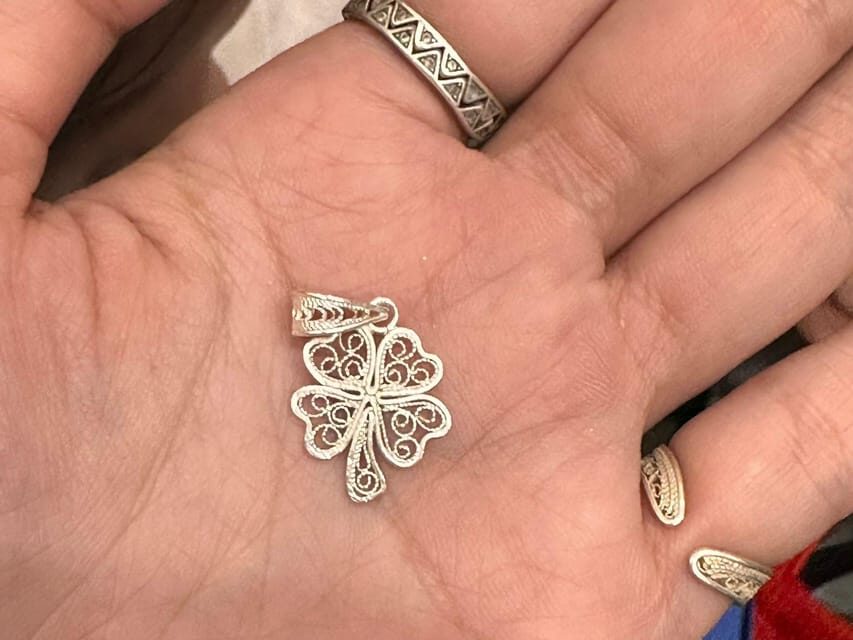
This experience fits best if you want:
- a hands-on craft session where you leave with a wearable item
- a deeper look at thin-silver work specifically
- a small group setting with English guidance
- an authentic local skill tied to Dinh Cong and Thang Long’s craft tradition
It’s also a nice fit for couples or friends who want one shared activity in Hanoi that isn’t just another tour stop. And if you’re a souvenir person, this beats the generic “buy a thing” approach because you participate in the making.
If you’re the type who wants a lot of detailed instruction on how to design and measure from scratch, you should ask directly what you’ll learn. The session is built around completing a sample-based piece in a 3-hour window.
Should you book Traditional Silversmith Workshop in Hanoi?
Book it if you want a practical, local craft session that focuses on hand-made thin silver and gives you a real chance to finish one ring or other jewelry style in a short time. The small group limit and English guidance make it easier to get help when your piece needs it, and the setting in a long-running village craft area adds weight to what you’re doing.
Consider skipping or adjusting expectations if you mainly want a deep classroom-style lesson on design measurements, or if you’re set on a large, highly customized jewelry piece without extra cost. Also think about logistics: it’s about 10 km from Hoan Kiem Lake and the meeting point is tucked down an alley.
If your goal is hands-on creation with a craft that’s truly distinctive, this is a strong choice.
FAQ
How long is the Traditional Silversmith Workshop in Hanoi?
The workshop lasts about 3 hours. You can check available starting times when you book.
Where does the workshop take place?
It’s in Dong Bac, Vietnam, in Hanoi’s Hoang Mai district, on the To Lich river bank. The meeting point is the entrance of an alley next to a temple.
What can I make during the workshop?
You’ll make one silver jewelry piece based on a selection of sample designs, such as a ring, pendant, earrings, or bracelet.
What is included in the price?
The price includes materials for one ring/pendant/earrings, an English-speaking guide, and guidance to one finished product.
Are there extra costs?
Yes. There may be an extra fee for complicated customized designs ($5–$10). Also, while the price includes a certain amount of silver for a simple item, extra silver may cost more if you want something bigger.
Is food included?
No. Food and drink are not included.
What group size should I expect?
This is a small group experience limited to 6 participants.
Is the instruction available in English?
Yes. The instructor/guide is listed as English speaking.
What are the cancellation and payment options?
You can cancel up to 24 hours in advance for a full refund. There’s also a reserve now & pay later option, so you can book without paying immediately.