REVIEW · 3-DAY EXPERIENCES
3-Day Pu Luong Natural Reserve from Hanoi, Trek with Local Guide
Book on Viator →Operated by Vietmountain Travel · Bookable on Viator
Pu Luong is quieter than you expect. This 3-day trek out of Hanoi is built for people who want real village rhythm—rice paddies, stilt-house stays, and Thai & Muong community life—without turning your trip into a photo factory. I especially like how the guide story-tells as you walk. On my trip with Vietmountain, John shared local context in a way that made the places feel more specific, not just scenic.
Two things I really took away: first, the chance to walk the terraced rice country at a human pace, with villages along the route; second, the evening time at the homestay, where you’re not rushed through a scripted performance. One thing to keep in mind: this is trekking, so you’ll want decent shoes and patience for uneven paths, mud after rain, and a day that starts early.
Still, if you want Pu Luong in a way that feels local and calm, this tour is a strong fit.
In This Review
- Key highlights at a glance
- Pu Luong’s calm, just a few hours from Hanoi
- Price and what you really get for $475
- Day 1: Hanoi Old Quarter, then Hieu Village into Pu Luong reserve
- The evening at the homestay: dinner, cultural exchange, then rest
- Day 2: early hike to Eo Ken Village at rural speed
- Day 3: Ban Cong walk, suspension bridge crossing, and back to Hanoi
- Trekking reality check: what to expect on the ground
- Who this private Pu Luong trek suits best
- A few practical tips to get more out of your three days
- Should you book this Pu Luong trek from Hanoi?
- FAQ
- How long is the Pu Luong Natural Reserve trek from Hanoi?
- Does the tour include pickup and transportation from Hanoi?
- Are meals included in the price?
- Is there an English-speaking guide?
- What should I bring for the trekking part?
- What happens if weather causes cancellation?
Key highlights at a glance
- Private door-to-door pickup and drop-off from Hanoi Old Quarter, so you spend less time herding bags and more time outside
- English-speaking local guidance (John in at least one itinerary) that adds meaning to what you see
- Village-to-village trekking through rice paddies and rural hamlets, not just one viewpoint
- Homestay dinner and cultural exchange with an ethnic Thai family in the evening
- Meals and entrance fees included, plus bottled water on the way
- A clear pace plan: early starts for best light, then downtime to recover
Pu Luong’s calm, just a few hours from Hanoi
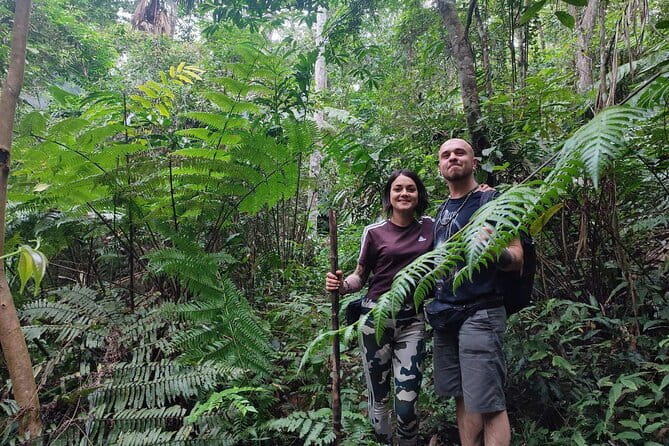
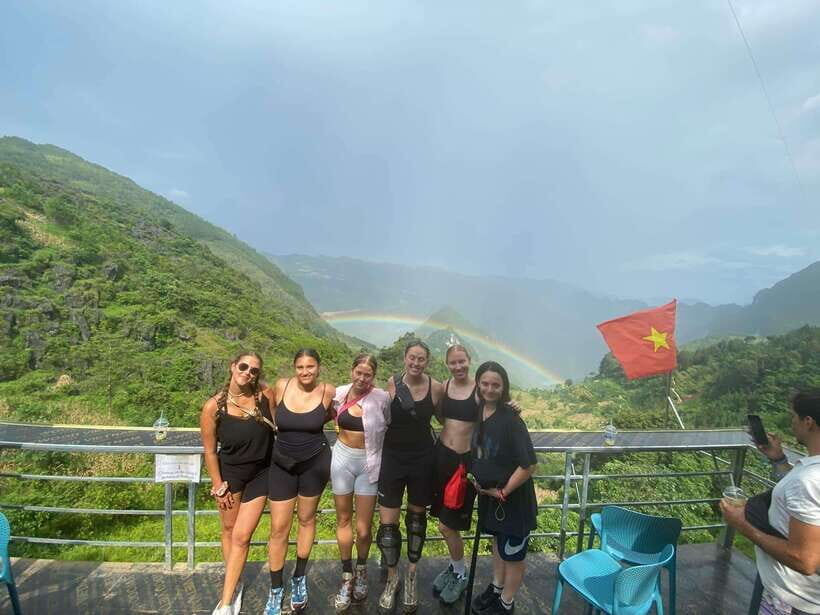
Pu Luong is one of those places where the “big deal” isn’t a single famous monument. It’s the feeling of being surrounded by working countryside—terraced fields, small streams, and villages that have kept their routine for a long time. You’re close enough to Hanoi to make a 3-day escape practical, but far enough that the pace changes fast once you’re out on the road.
What I like about this tour is that it doesn’t treat the reserve like a theme park. You start with a quick Hanoi Old Quarter touch, then the trip shifts into village life: walking paths that connect hamlets, seeing farmers at work, and staying in a homestay-style setting rather than a big resort bubble. The result is a trip where your brain has time to notice details—how people move through the fields, how the day is measured by seasons and weather, and how evenings feel slower.
You should choose this tour if you want peace, photo-time without crowds, and real-life context. If you’re chasing nightlife or shopping, you’ll probably feel bored.
Price and what you really get for $475
At $475 per person for about 3 days, you’re paying for more than guiding. You’re also buying the conveniences that make remote travel less stressful: private, modern air-conditioned transportation with a safe driver, plus door-to-door pickup and drop-off in Hanoi Old Quarter.
The included costs matter. You get all entrance fees and trekking-related activities/village visits, plus bottled water, and meals as specified (breakfast, lunch, dinner). Vegetarian food is available on request. You also get travel insurance and a 24/7 hotline support—small comfort, but useful when you’re outside the city.
What isn’t included is also clear: tips for the guide and driver, and beverages/personal expenses. So I recommend budgeting a bit for that, and planning to pay for any drinks beyond what’s provided.
Is it expensive? Compared with DIY day trips, yes. Compared with other multi-day regional tours that include private transport, guiding, and meals, the pricing feels fair—especially because it’s designed around getting into the reserve and out again without wasting half your trip stuck in logistics.
Day 1: Hanoi Old Quarter, then Hieu Village into Pu Luong reserve
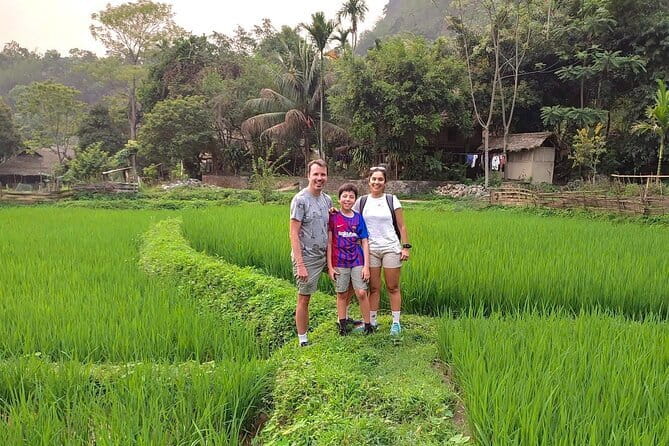
Day 1 is a transition day, and that’s a good thing. You begin in Hanoi Old Quarter (about 4 hours total for that segment, with an admission ticket included). It’s not just a warm-up—it helps set the tone before you leave the city behind.
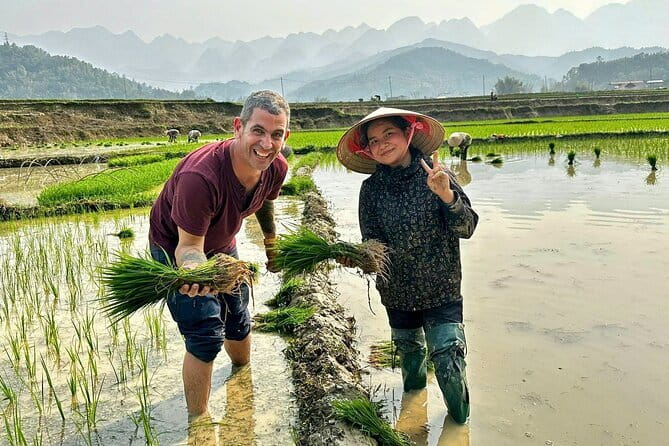
Then you move into Pu Luong Nature Reserve and start trekking in the Hieu Village area. Expect a village walk that focuses on how daily life plays out around rice paddies—watching farmers care for fields and getting your first taste of rural rhythm. This part is ideal if you like the “walk and learn” style of travel instead of sprinting between landmarks.
After that, you trek onward toward Don Village, known for dramatic terraced paddy scenes. The route passes through Thai villages and smaller hamlets, so you’re not just hiking through open countryside—you’re moving through places where people actually live. That’s where the experience shifts from scenery to story.
A practical note: Day 1 includes a longer day on the move (the schedule later includes returning to the homestay around 5:00 pm), so you’ll want to keep your backpack light.
The evening at the homestay: dinner, cultural exchange, then rest
Once the trekking day ends, you get back to the homestay and slow down. Dinner starts around 6:30 pm, and this is one of the most memorable parts of the trip. You’ll have a cozy meal and some cultural exchange with the ethnic Thai family hosting you, then time to rest.
This is exactly the kind of evening that makes a multi-day trip worth it. You get more than a checklist box. You’re in a setting where conversation and hospitality matter. In one trip experience, the guide’s storytelling and the interaction with White Thai locals made this feel meaningful—not just scenic.
Day 2: early hike to Eo Ken Village at rural speed
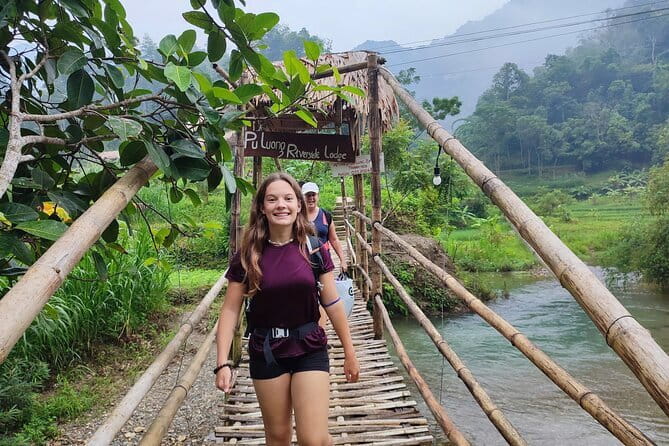
Day 2 starts early, because that’s when mountain air feels freshest and the paths are calmer. You wake up, eat breakfast at the homestay, then head out on a scenic hilly route toward Eo Ken Village.
This day is about the long view and the steady walk. The goal is to experience the countryside as locals likely do—moving between patches of fields, hillsides, and small rural communities at a rhythm that doesn’t rush you. There’s also time for interaction with locals during the hike, which is where you’ll pick up real context about daily life.
Because this part is more about walking than ticking off stops, it’s a day that rewards good footwear and a calm mindset. If you tend to sprint ahead for photos, ease up. You’ll enjoy the scenery more if you occasionally stop, breathe, and let the walk become the point.
Day 3: Ban Cong walk, suspension bridge crossing, and back to Hanoi

Day 3 is shorter in the sense that it’s structured around a final village-area walk, then travel back to Hanoi. You’ll start around 7:00 am with fresh mountain air and breakfast, then travel to Ban Cong.
From there, you begin a more leisurely walk—about 2.5 km—crossing a suspension bridge that leads you toward a Pu Luong area viewpoint/community. The bridge moment is the kind of small detour that adds energy to a day: you get that slight “we’re really going somewhere” feeling, plus a natural chance for photos when the light is good.
After the walk, you head back toward Hanoi. There’s lunch on the return and mountain views along the way. You’re scheduled to arrive back in Hanoi around 5:30 pm, then you return to your hotel.
If you’re trying to be realistic about jet lag and energy, this ending matters. A 5:30 pm return is late enough that you’ll probably want a quiet dinner plan, not a big night out.
Trekking reality check: what to expect on the ground
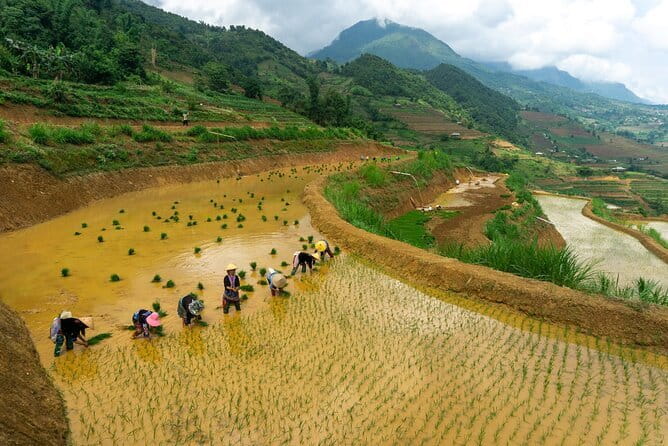
The itinerary is built around walking between villages, not around a single paved attraction. That’s great—just be ready.
Here’s what you should plan for, based on how tours like this are typically run and what this one explicitly asks you to prepare:
- Comfortable shoes and trekking-ready clothing (you’re walking outdoors for long stretches)
- A small backpack (you’ll carry essentials, not a shopping bag)
- Hat, sunglasses, water bottle
- Mosquito spray and sunscreen (use them early, not after you’re already itchy)
- If rain happens, paths may be slick, so take it slow—especially around any bridge approaches
Also, because the tour says it updates the weather forecast in advance, you’ll have a heads-up. In case of cancellation due to poor weather, the plan is either a different date/experience or a full refund, so you aren’t just stuck.
If you’re the type who hates uncomfortable shoes, don’t guess—bring your best pair.
Who this private Pu Luong trek suits best

This is a strong match if:
- You want a calmer, less-crowded feel while still seeing major terrace and village highlights
- You enjoy meeting local people and hearing stories tied to the places you walk through
- You prefer a private tour (only your group), which makes timing and photo stops feel easier
It’s also a good fit if you care about guidance quality. In one experience with Vietmountain, the guide John stood out for being knowledgeable and considerate, and that kind of communication help can make a big difference when language barriers pop up.
It may be less ideal if:
- You want a luxury hotel base every night
- You dislike early starts
- You can’t handle uneven outdoor walking
Children are welcome, but they must be accompanied by at least one adult.
A few practical tips to get more out of your three days

A great trek trip isn’t just about where you go. It’s about how you show up.
- Start hydrating before you feel thirsty. The tour provides bottled water, but your body still needs consistent intake.
- Pack for sun and bugs even on cloudy days. That’s when you’ll forget until it’s too late.
- Keep your camera accessible. This route gives plenty of photo chances, especially around terraced views and the suspension bridge.
- Plan for an easy evening routine after dinner. You’ll likely feel tired in the best way—don’t spend that energy hunting Wi-Fi.
And tip culture: tips for the guide and driver aren’t included, so if you feel taken care of, plan to reward it.
Should you book this Pu Luong trek from Hanoi?
I’d book it if your travel style matches this: calm nature, village life, and walking with meaning. The combination of included meals and entrance fees, private door-to-door transport, and real homestay evening time makes it good value for people who want Pu Luong without the chaos.
I’d skip it if you need a fast-paced itinerary full of urban comforts, or if trekking on uneven ground would stress you out.
If you’re unsure, consider this simple check: would you rather spend your time on village paths and rice terraces than on city attractions? If yes, then this is a very solid choice.
FAQ
How long is the Pu Luong Natural Reserve trek from Hanoi?
The tour runs for 3 days (approximately), with pickup and drop-off in Hanoi Old Quarter and activities scheduled across the three days.
Does the tour include pickup and transportation from Hanoi?
Yes. The tour includes private door-to-door pickup and drop-off in Hanoi Old Quarter, plus private modern air-conditioned transportation with a safe driver.
Are meals included in the price?
Meals are included as specified in the itinerary: breakfast (2), lunch (3), and dinner (2). Vegetarian food is available on request.
Is there an English-speaking guide?
Yes. The tour includes an enthusiastic, experienced English-speaking local guide (other languages may be available on request).
What should I bring for the trekking part?
Wear comfortable shoes and trekking-appropriate clothing. Bring a small backpack, hat, sunglasses, water bottle, mosquito spray, and sunscreen.
What happens if weather causes cancellation?
If the trip has to be cancelled due to poor weather, you’ll be offered a different date or experience or a full refund. The operator will update the weather forecast in advance so you can prepare.