REVIEW · HANOI
Sapa trekking – Unique Route – 2D1N
Book on Viator →Operated by Compass Travel Vietnam · Bookable on Viator
Shoes on. Adventure follows.
This 2D1N Sa Pa trek is interesting because it trades the usual bus-and-photo stops for local village trails and terraced rice views. You’ll walk with a small group and move at a pace that gives you time to notice daily life, not just scenery. One heads-up: you start early and the trail has real ups and downs, so bring stamina, not just enthusiasm.
I like that the trek is structured around actual farming villages like Lao Chai, Ta Van, and Giang Ta Chai, where you can see how people live in the Sa Pa hills. I also like that the homestay night keeps things practical, with the promise of modern necessities while still letting you live on local rhythm.
A possible drawback is the timing: the first day includes a long bus ride, plus an afternoon trek, so you’ll want to arrive feeling rested. If you’re the type who gets cranky after 6:30am plans, this one will test you.
In This Review
- Key highlights you’ll feel on this trek
- Why This Sa Pa Trek Route Feels Like More Than Sightseeing
- Hanoi to Sa Pa: The Early Start and Long, Useful Travel
- Day 1 Trail Focus: Y Linh Ho to Lao Chai and Ta Van (About 6km)
- Dao Homestay Night: Dinner, Recovery, and Real Local Rhythm
- Day 2 Trek: Ta Van to Giang Ta Chai and the Bridge-to-Road Moment (About 4km)
- Food, Pace, and Group Size: What Changes Your Experience Most
- Price and Value: Is $116.93 a Good Deal Here?
- Who This Trek Suits (and Who Should Rethink)
- Should You Book This Sa Pa Trek 2D1N Unique Route?
- FAQ
- How long is the Sa Pa trekking experience?
- What time does the tour start in Hanoi?
- Where is the meeting point?
- How far do I trek on each day?
- What meals are included?
- What is the maximum group size?
Key highlights you’ll feel on this trek
- A unique Sa Pa route that focuses on village-to-village walking, not repeating the same postcard path
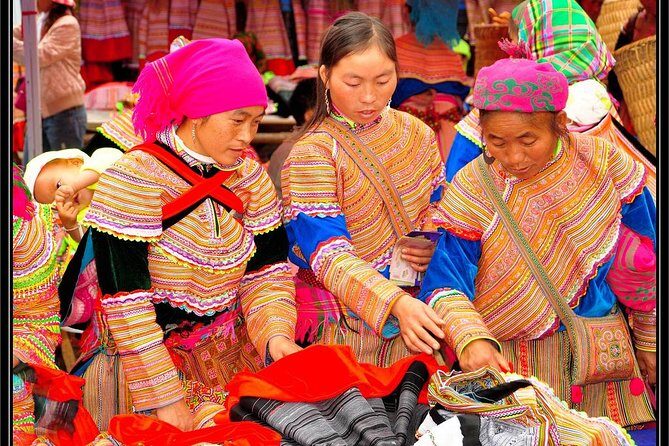
- Village stops tied to ethnic communities (Day and red Dao) that shape what you’ll see and hear
- Two trek days with clear distance targets (about 6km day 1, then 4km day 2)
- Homestay with dinner included, so you’re not scrambling for food after hiking
- Small group size (max 10), which usually means fewer disruptions on the trail
- Staff support for a smoother trip, with coordinators like Huong and Julia mentioned in the provided feedback
Why This Sa Pa Trek Route Feels Like More Than Sightseeing
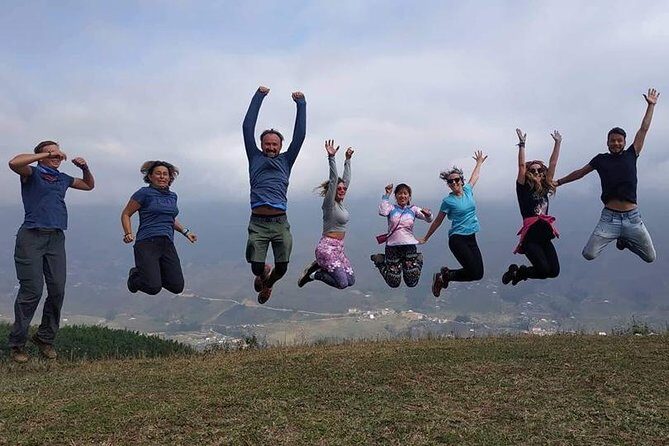
Sa Pa can attract big crowds, but this trek is built to move you into the quieter rhythm of the hills. The walking route connects places you can actually picture on a map—rice terraces, stream crossings, and village paths—so the day feels like a journey, not a checklist.
I especially like the mix of views and daily-life stops. Rice terraces give you that instant sense of the region, while the village visits help you understand why the terraces matter to the people living there year-round. You’ll get the feeling that you’re there to learn how life works, not just collect photos.
There’s also a smart “comfort vs. authenticity” balance. The homestay experience is positioned as living among locals while still having modern necessities. Translation: you’re not signing up for a rough-camping fantasy. You’re signing up for a real night in the countryside, with enough comfort to sleep and recover.
You can also read our reviews of more hiking tours in Hanoi



Hanoi to Sa Pa: The Early Start and Long, Useful Travel
The day begins at 6:30am in Hanoi, starting from the meeting point at 204 Đ. Trần Nhật Duật, Phố cổ Hà Nội, Hoàn Kiếm. From there, you head to the bus station and ride up to Sa Pa. The schedule has you arrive around 1:00pm, which matters because it sets up the afternoon trek with daylight.
That long bus stretch can feel like a lot on paper, but it’s also time you don’t have to spend planning. You get round-trip transport by bus, and you’re not stuck bargaining for local rides while figuring out where to start your hike.
One practical note: because the bus gets you there around early afternoon, you’ll want to use your first hours well—eat lunch, get organized, and keep your energy for the trail. This tour’s rhythm is simple: travel, lunch, trek. No time-wasting detours.
Day 1 Trail Focus: Y Linh Ho to Lao Chai and Ta Van (About 6km)
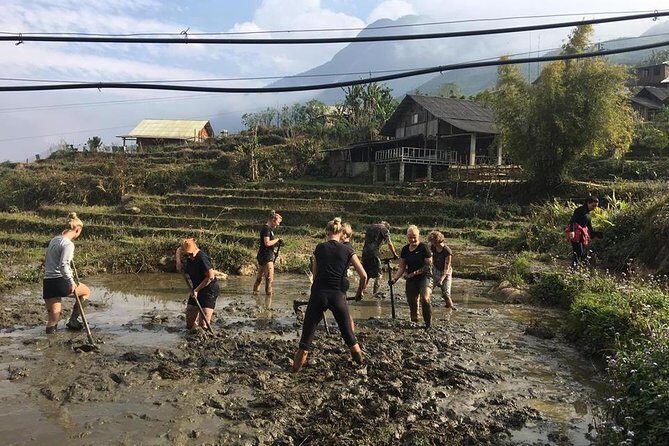
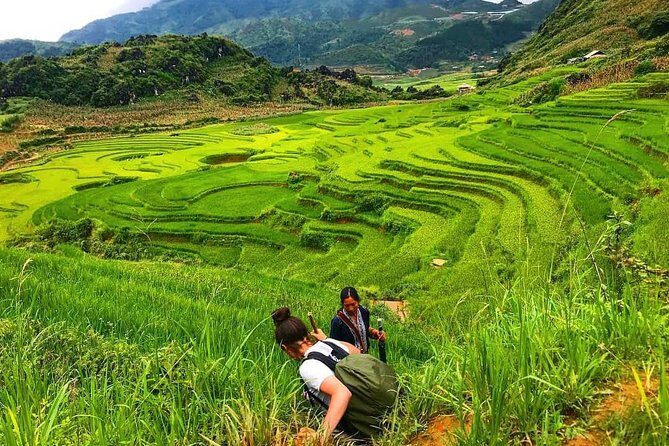
Day 1 has the kind of walking most people dream about: terraces, stream scenery, and village paths. After lunch in Sa Pa around 1:00pm, you head to Y Linh Ho and begin your trek through rice terraces and the Muong Hoa Stream toward Lao Chai and Ta Van.
The trek runs about 3.5 hours over roughly 6km. That timing is a clue to the style of day you’re signing up for: you’re not sprinting, but you’re also not doing a slow, meandering stroll. You’ll be moving long enough that you’ll feel your legs the next morning, which is part of the deal.
What makes this section special is how the terrain supports learning. Terrace areas are naturally tied to agriculture, so you can look at what’s in front of you and connect it to how people farm and manage water. Then, when you reach Lao Chai and Ta Van—home to the Day ethnic people—the scenery turns into context. It’s easier to talk about what you’re seeing when you’re walking through the places where it all happens.
Possible drawback on day 1: the trek is scheduled for mid-afternoon. If it’s hot or if you don’t hydrate well, you’ll feel it. Wear shoes you trust, and pace yourself early so you don’t burn your energy on the first climbs.
Dao Homestay Night: Dinner, Recovery, and Real Local Rhythm
By late afternoon, you’re set up for your first overnight at Dao homestay. This is where the trip shifts from hiking to connecting. Instead of getting back to a hotel right away, you stay with a local base so the day ends in a more grounded way.
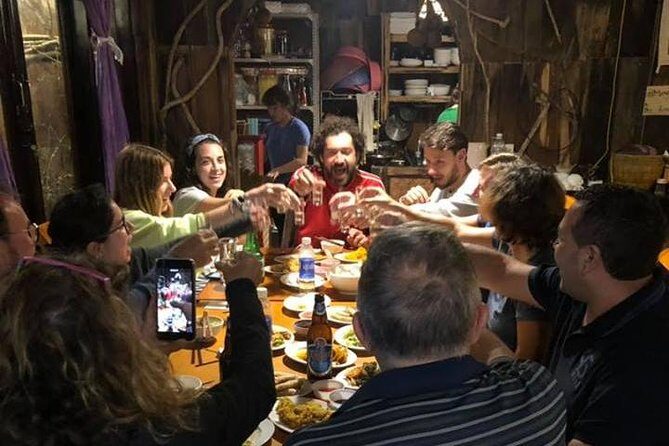
Dinner is included, which is a big value piece for a trek like this. After a few hours of walking, having food handled takes pressure off. You can focus on resting, chatting (when you’re able), and settling into the pace of the area.
The tour description also emphasizes that you’re living among locals but with modern necessities. That means the goal is not discomfort for its own sake. It’s the kind of arrangement that helps most people actually enjoy the experience, instead of spending the night worrying about basic logistics.
Tip for your night: keep your gear organized. If you’re planning to start fresh on day 2, you’ll feel better if your layers, small towel, and essentials are ready to go.
Day 2 Trek: Ta Van to Giang Ta Chai and the Bridge-to-Road Moment (About 4km)

Day 2 starts with breakfast at 8:00am, then a trek that runs in the morning hours when conditions are often more manageable for walking. You continue from Ta Van toward Giang Ta Chai village, home of the red Dao community.
This trek is shorter on paper—about 4km and around 2 hours—but don’t treat it like a victory lap. The trail can still feel physical because it’s in a mountainous region. Also, bamboo and rice paddies tend to look good, so it’s tempting to slow down for photos, which can add time.
One of the most interesting details on day 2 is the switch in scenery and direction. You trek through rice paddies and bamboo forest, then later cross Giang Ta Chai Bridge to reach the main road. That bridge moment works emotionally: you feel the trip transition from the village paths back to transport and town life.
After reaching the road, you’re back on the bus to Sa Pa Town. Between 12:00–1:00pm, you get time for a shower at the hotel, lunch, and some leisure. Then at 1:30pm, you meet again and head back to Hanoi by bus, arriving around 8:30pm.
You can also read our reviews of more tours and experiences in Hanoi
- Doris Cruise 5 star cruise 2 days visiting Halong Bay Lan Ha Bay private balcony
★ 5.0 · 2,338 reviews





Food, Pace, and Group Size: What Changes Your Experience Most
This is a small-group trekking plan with a maximum of 10 travelers. That matters more than it sounds. With fewer people, you’re less likely to feel rushed on village paths, and it’s easier for guides to keep an eye on the whole group.
Meals are included: dinner, breakfast, and lunch (2). That’s a practical win because you’re in a trekking schedule where grabbing snacks on the go may not be straightforward. You can also plan what to carry: if lunch is provided, you don’t need to pack a full picnic for both days.
As for pace, the tour mixes travel time with a few hours of trekking each day. That’s a nice middle ground for people who want to walk and see villages, but don’t want a multi-day hard-core trek. Most importantly: it gives you enough structure that you’re unlikely to wander off mentally and lose track of where you are.
Price and Value: Is $116.93 a Good Deal Here?
At $116.93 per person, you’re paying for a full 2-day package built around transport, guide-led village trekking, and included meals. The value comes from what’s bundled:
- Two bus transfers (Hanoi to Sa Pa, plus Sa Pa back to Hanoi)
- Two days of guiding through village areas and natural features
- Meals across the schedule (dinner, breakfast, two lunches)
- Homestay for the night so you’re not paying extra lodging separately
- A mobile ticket, which reduces paper hassle
Where cost can creep up with trekking is often food planning and lodging planning. This package handles those points for you, so the budget stays predictable.
The one cost to watch is drinks and personal expenses. Water and basic extras can add up over two days, especially when you’re sweating on trail sections. If you’re trying to keep total costs tight, bring a realistic plan for what you’ll drink and snack on.
Who This Trek Suits (and Who Should Rethink)
This tour is a strong fit if you want a real Sa Pa feel without doing a DIY route. You get village-to-village structure, and you’re not stuck guessing where the best paths go.
It’s also a good match for people who like meeting locals and learning through the setting itself. The trek takes you into areas associated with the Day and red Dao communities, so the tour isn’t just about a view. It’s about walking through the places where that view comes from.
Skip it (or think twice) if you:
- Hate early mornings and long travel days
- Need a fully comfortable, low-step itinerary with minimal walking
- Prefer to travel at your own pace with no scheduled stops
If you’re unsure about effort level, go by the distances: about 6km day 1 and 4km day 2, with multi-hour time blocks. That’s doable for many people, but it’s not a sit-on-a-bus sightseeing day.
Should You Book This Sa Pa Trek 2D1N Unique Route?
I’d book this if your goal is to see Sa Pa as more than a photo backdrop. The trek route is designed to move you through rice terraces, stream scenery, bamboo and paddies, and into village areas tied to real ethnic communities. Add in included meals and a homestay night, and the package feels efficient.
I’d hesitate only if you want a very relaxed schedule. The start time and the walking hours are built in, so you’ll be active whether you feel like it or not—like most good treks.
If you like practical structure, small groups, and the idea of ending the day with locals instead of just another hotel night, this one fits.
FAQ
How long is the Sa Pa trekking experience?
It’s about 2 days.
What time does the tour start in Hanoi?
It starts at 6:30am, with departure from the bus station in Hanoi.
Where is the meeting point?
The meeting point is 204 Đ. Trần Nhật Duật, Phố cổ Hà Nội, Hoàn Kiếm, Hà Nội, Vietnam.
How far do I trek on each day?
Day 1 trekking is about 6km (about 3.5 hours). Day 2 trekking is about 4km (about 2 hours).
What meals are included?
Dinner is included on day 1, and breakfast and two lunches are included across the two days.
What is the maximum group size?
The tour has a maximum of 10 travelers.

More 2-Day Experiences in Hanoi
- Doris Cruise 5 star cruise 2 days visiting Halong Bay Lan Ha Bay private balcony
★ 5.0 · 2,338 reviews