REVIEW · HANOI
Hanoi Coffee Workshop Crafting the Perfect Brew
Book on Viator →Operated by Vietnam Village Vibes · Bookable on Viator
Want street-level coffee skills? In this 2-hour workshop in central Hanoi, you learn how Vietnamese coffee turns into the drinks people line up for, not just a quick caffeine stop. You’ll work with phin-filter brewing and make favorites like egg coffee while tasting along the way.
What I like most is the hands-on rhythm: you learn, you pour, you adjust, and you leave with recipes for each style. The other big win is that the class covers both familiar and surprising cups, including salt coffee, so you understand why each one tastes the way it does. One possible drawback: a few of these drinks (egg and salt especially) are not mild or familiar if you usually stick to standard black coffee.
In This Review
- Key highlights you’ll care about
- Hanoi Coffee Isn’t One Thing. That’s the Point.
- Where You Meet (and How the Timing Works)
- Start With the Phin: Your Vietnamese Coffee Foundation
- Black Coffee and the Bean Story Behind It
- Brown Coffee: Condensed Milk Turns Sharp Into Creamy
- Egg Coffee: The Custard-Like Twist Everyone Talks About
- White Coffee: A Balancing Act, Not Just Sweet
- Coconut Coffee: Tropical Flavor With Coffee Backbone
- Salt Coffee: The Sweet-Salty Surprise (and Why It Works)
- Latte Art Coaching: Simple Designs You Can Repeat
- Your Final Cup: Personalized Coffee, Not Just a Checklist
- Price and Value: $17.73 for Skills, Ingredients, and 4–6 Drinks
- Who Should Book This Workshop (and Who Might Pass)
- Should You Book Hanoi Coffee Workshop?
- FAQ
- FAQ
- How long is the Hanoi coffee workshop?
- How many coffee styles will I learn to make?
- What coffee types are included?
- What’s included in the price?
- Are additional food or drinks included?
- Where do I meet the group?
- How big are the groups?
- Is it near public transportation?
- What if the weather is bad?
- Is there free cancellation?
Key highlights you’ll care about
- Phin filter practice that builds a strong base flavor fast
- 4 to 6 styles from black and brown to egg, white, coconut, and salt
- English-speaking instruction plus recipes you can actually use later
- Latte art coaching for simple designs on top
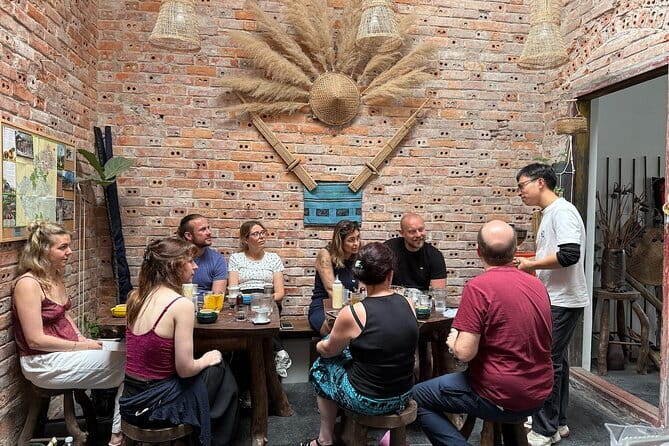
- Small group size capped at 15 so questions stay easy
- Central meet-up at GẠO CAFE with an end back at the same spot
Hanoi Coffee Isn’t One Thing. That’s the Point.
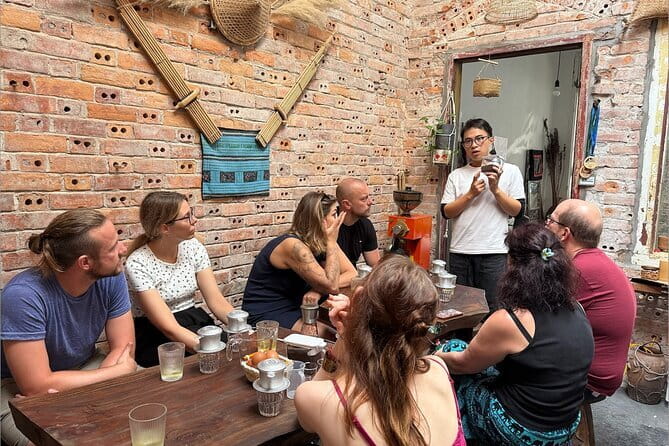
Vietnamese coffee has a reputation for being strong, sweet, and sometimes downright weird—in a good way. This workshop is designed to explain why. You start with what makes Vietnamese coffee beans different, and how robusta and arabica shape the flavors you taste in Hanoi every day.
Then you connect those flavor differences to the brewing and mixing styles. That matters because it turns your coffee from a mystery into something you can repeat. Instead of guessing why one cup feels creamy or heavy, you learn what’s changing: the bean base, the filter method, and the sweet or salty additions.
If you like learning by doing, this kind of class is a win. You’re not just listening while someone else makes coffee. You’re building the drink with guidance, tasting it, then tweaking your approach so it matches your preferences.
You can also read our reviews of more tours and experiences in Hanoi.



Where You Meet (and How the Timing Works)
You’ll meet at GẠO CAFE, 10 P. Chợ Gạo, Hàng Buồm, Hoàn Kiếm, Hà Nội (100000). It’s a practical location in central Hanoi, and the activity is described as near public transportation, so you’re not forced into a long ride just to find the door.
The session runs about 2 hours and ends back at the meeting point. That is ideal after a day of walking. You can slot it in without worrying about getting stranded across town. The group is kept small, with a maximum of 15 travelers, which usually means faster feedback when you’re learning something new like phin brewing or latte art.
You’ll also have a mobile ticket and you should receive confirmation at booking. It’s one of those tours where the logistics are meant to be simple so you can focus on the coffee.
Start With the Phin: Your Vietnamese Coffee Foundation
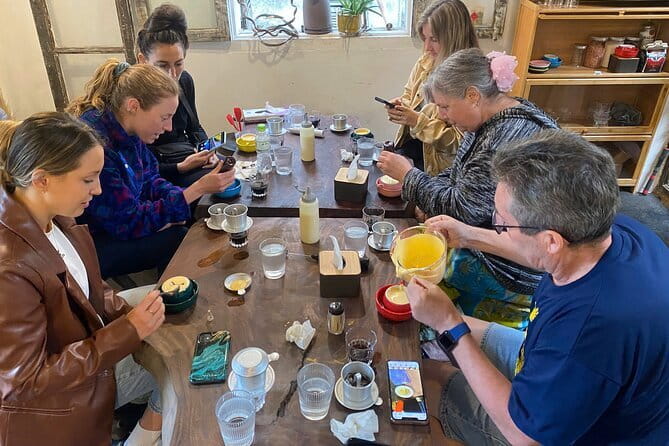
The workshop’s backbone is the phin filter. Vietnamese black coffee is typically brewed using this small metal drip filter, and the result is strong and concentrated. You’ll learn the purpose of this method early because it sets the flavor direction for everything else you’ll make.
This is the part I appreciate most, because phin brewing is where a lot of Vietnamese coffee magic comes from. When you understand how the filter changes extraction and intensity, you stop treating the end drink as random. You can taste the difference and know what to adjust next time.
Expect an instructor-led explanation of brewing and flavor profiles, then hands-on practice. In the flow of the class, you’ll use what you learn to make black coffee first, so you have a baseline before the sweeter and creamier versions show up.
Black Coffee and the Bean Story Behind It
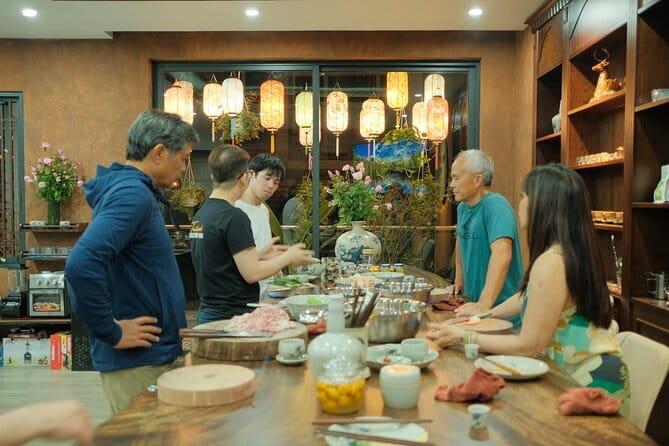
Black coffee here isn’t just plain. It’s your reference point for robusta’s bold bitterness. The class covers how Vietnamese coffee traditions connect to what people actually drink in daily life, and you’ll get a quick lesson on origins and characteristics of the beans.
That background matters even if you don’t care about farming details. Once you can taste robusta’s darker, more bitter backbone, you’ll better understand why condensed milk and custard-like additions show up in Vietnamese coffee traditions. You’re learning the logic of the menu.
You’ll taste and compare what you brew. This is where the workshop feels more like training than a tasting party. You’re learning to identify flavors as you go: bitter strength, smoothness, sweetness balance, and how the base drink supports everything layered on top.
Brown Coffee: Condensed Milk Turns Sharp Into Creamy
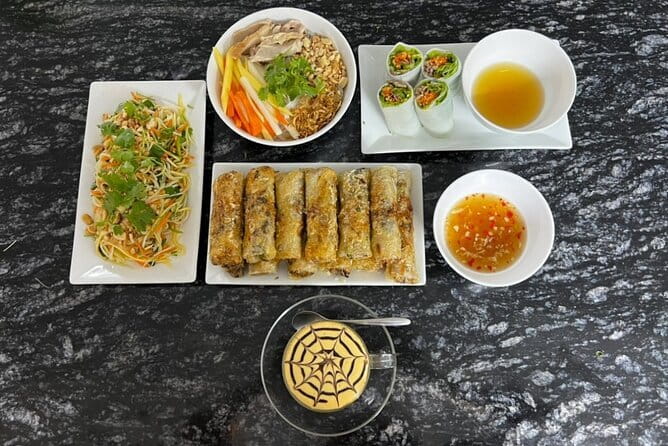
After the black base, brown coffee is one of the easiest cups to understand and one of the most popular versions in Hanoi. It’s made with condensed milk, which adds creaminess and sweetness to strong, bitter coffee.
The practical value of learning brown coffee is that it teaches you how Vietnamese sweetness works. In many Western coffee setups, sweetness is added to soften the taste. Here, condensed milk works almost like a flavor bridge. It keeps some of the coffee’s bitterness while rounding the edges so it feels more dessert-like.
When you make it yourself, you’ll learn what “creamy” means in this context. It’s not milk foam or a fancy syrup. It’s condensed milk shaping the body and sweetness, and you can taste the difference immediately.



Egg Coffee: The Custard-Like Twist Everyone Talks About
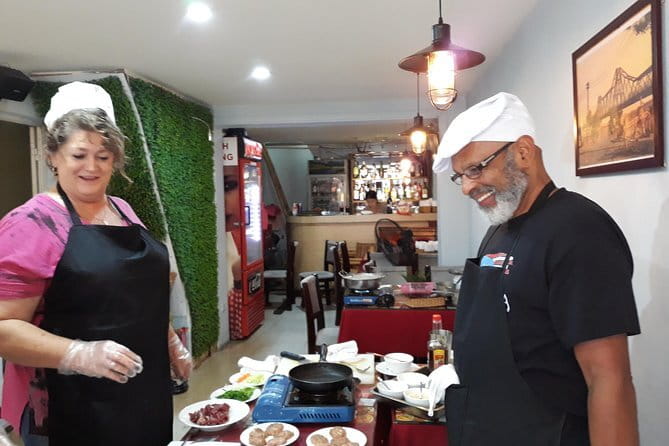
Egg coffee is famous for a reason. It’s creamy, dessert-style, and custard-like, built to pair with the bitterness of robusta coffee. You’ll learn the process and make your own serving, guided by an English-speaking instructor.
If you’re curious but unsure, think of egg coffee as a bridge between coffee and Vietnamese dessert culture. The bitterness still shows up, but it’s softened by the rich, silky feel of the egg-based mixture. The result is closer to a spoonable treat than a sharp espresso drink.
This is also a great class moment to pay attention to your taste preferences. If you like more coffee character, you’ll know to adjust how you balance the brew and mixture. If you want it sweeter and smoother, you’ll see how the ratio changes the whole experience.
White Coffee: A Balancing Act, Not Just Sweet
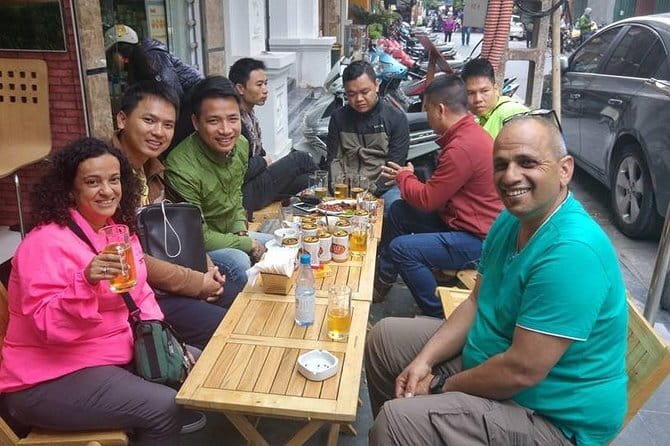
White coffee in Vietnam isn’t the same as what many people expect from the name. Here it offers a balance between robusta’s bold bitterness and condensed milk’s sweetness.
Learning this cup helps you understand how Vietnamese coffee is often about tension. Not “sweet or bitter,” but “sweet plus bitter in harmony.” When you taste white coffee after black and brown versions, it becomes clear how small recipe shifts can change the entire mood of a cup.
This is also where the class format shines. You don’t just get one drink and move on. You compare. You taste differences in strength and sweetness as the workshop moves through styles.
Coconut Coffee: Tropical Flavor With Coffee Backbone
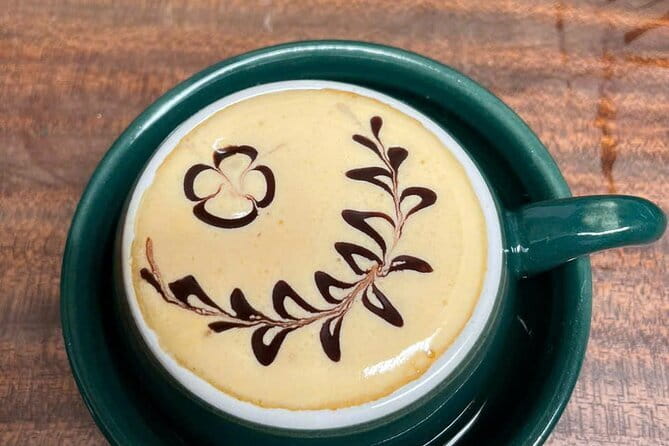
Coconut coffee adds a tropical twist without abandoning the coffee base. It blends strong black coffee with creamy coconut milk, creating a refreshing mix that still feels distinctly Vietnamese.
This is a smart inclusion in the lineup because coconut can easily become a shortcut flavor in other places. In this workshop, the point is to learn how coconut milk changes mouthfeel and aroma while coffee remains the backbone. If you enjoy creamy drinks but still want coffee energy, coconut coffee is a strong choice.
When you make it yourself, you can also gauge whether you prefer it more coffee-forward or more coconut-forward. That’s a useful skill for later when you recreate recipes at home.
Salt Coffee: The Sweet-Salty Surprise (and Why It Works)
Salt coffee is one of the more surprising styles on the list, and it’s also rising in popularity. It blends sea salt with milk foam and coffee for a mix that can taste sweet, salty, and bitter in a surprisingly harmonious way.
If you’ve never had salted coffee before, go into this one with an open mind. Salt can sound like it would dominate or ruin the drink. Instead, it often heightens flavors. In this workshop setup, you’ll taste how the salt interacts with bitterness and sweetness rather than just testing a gimmick.
I like that the class treats it as a legitimate coffee style, not a novelty. You’ll learn what you’re making and why it lands the way it does, then you can decide if it’s your kind of unusual.
Latte Art Coaching: Simple Designs You Can Repeat
Another highlight is that you’ll be taught latte art. The class focuses on hands-on technique, so it’s not just decoration for a photo. Even if your first attempts look like modern art, the coaching helps you understand what to change so the pour makes better shapes.
This is where the workshop becomes fun, not just educational. You’re using the same coffee skills from earlier, but now you’re adding a creative step. It’s also a great memory-maker, since you can point to your own drink and say you made that.
Several instructors (like Dat, Devin, Claire, Ashley, and David) have been credited for patient teaching and clear English, and that style of support matters a lot for latte art.
Your Final Cup: Personalized Coffee, Not Just a Checklist
By the end, you craft your own personalized coffee creation to enjoy. This part matters because it turns the workshop from “learn recipes” into “learn how to choose what you like.”
You’ll use what you learned about flavor profiles across the different styles. For example, you’ll know which coffees you want more bitter and which ones you want creamier, and you’ll have recipes to guide your next attempt at home.
This is also where you’ll likely notice a practical benefit: adjusting to your taste. If you want less sweet, you’ll understand which component drives sweetness. If you want more coffee presence, you’ll learn what to protect in the base brew.
You don’t leave with only a memory. You leave with instructions and the confidence to recreate Vietnamese coffee styles in your own kitchen.
Price and Value: $17.73 for Skills, Ingredients, and 4–6 Drinks
At $17.73 per person, this workshop is priced like an experience, not like a café bill. You’re paying for an instructor-led session that includes all ingredients and recipes for each type of coffee, plus an English-speaking guide.
The value gets better when you consider that you’re typically making and tasting multiple coffee styles in one sitting. Even when the workshop covers four styles rather than six, you still get several distinct flavors and practical technique practice.
Also, many people underestimate what recipes are worth. Coffee at home often fails because people don’t have a clear method. Here, you take home the recipes, so you’re not relying on memory or guessing.
If you like trying different versions of Vietnamese coffee and want to learn how to make them, the price is fair for what you get.
Who Should Book This Workshop (and Who Might Pass)
This is a great fit if:
- You like coffee but want the Vietnamese approach explained through hands-on practice.
- You’re traveling with a friend or partner and want an activity that’s social but not chaotic.
- You want something fun for a short window in Hanoi, since it’s about 2 hours.
You might want to think twice if:
- You avoid experimental flavors and you dislike odd combinations like egg-based coffee or salt-and-foam drinks.
- You expect a long, technical lecture about coffee roasting or farming details. This is practical brewing and drink-making first.
The pace is designed for all ages, and that makes it a strong family-friendly option. The activity also allows service animals, which is a plus for travelers who need that.
Should You Book Hanoi Coffee Workshop?
If you want a Hanoi experience that’s specific, hands-on, and easy to repeat later, I think this workshop is an excellent booking. The best part is that you’re not just tasting. You’re learning a key technique with the phin filter and then moving through the signature styles that define Vietnamese coffee culture: brown with condensed milk, egg coffee, white coffee, coconut coffee, and the surprising salt coffee.
Book it if you’re curious and you enjoy learning by doing. Pass it if you only want one safe coffee type and you dislike dessert-style drinks.
FAQ
FAQ
How long is the Hanoi coffee workshop?
It runs for about 2 hours.
How many coffee styles will I learn to make?
The workshop features 4 to 6 distinct coffee styles.
What coffee types are included?
The styles listed include black coffee, brown coffee, egg coffee, white coffee, coconut coffee, and salt coffee.
What’s included in the price?
All ingredients for making the coffee, recipes for each type of coffee, and an English-speaking instructor are included.
Are additional food or drinks included?
No, additional food or drink is not included.
Where do I meet the group?
You meet at GẠO CAFE, 10 P. Chợ Gạo, Hàng Buồm, Hoàn Kiếm, Hà Nội 100000, Vietnam.
How big are the groups?
The activity has a maximum of 15 travelers.
Is it near public transportation?
Yes, it is described as being near public transportation.
What if the weather is bad?
The experience requires good weather. If it’s canceled due to poor weather, you’ll be offered a different date or a full refund.
Is there free cancellation?
Yes. You can cancel up to 24 hours in advance for a full refund; within 24 hours, the amount paid is not refunded.