REVIEW · HANOI
Sapa Trekking 3 Days 2 Nights (Homestay) – Departure From Hanoi
Book on Viator →Operated by Fantasea Tours · Bookable on Viator
Rice terraces and village trails start early. This Sapa trek is built around walking between small ethnic communities and then sleeping in homestays in Ta Van and Giang Ta Chai, so the experience feels more daily-life than sightseeing. I also like how the route threads through multiple villages like Y Linh Ho and Giang Ta Chai, where you get context for how people live in the hills.
One possible consideration: the days start at dawn, and trekking areas can bring unwanted attention from sellers. If you want things to stay calm, you’ll need to stick close to your group and communicate clearly with your English-speaking guide.
In This Review
- Key Things That Make This Trek Work Well
- Why This 3-Day Sapa Trek Feels Like Real Mountain Life
- Price and Value: What $98.74 Actually Covers
- Getting From Hanoi to Sapa: The 6:30 Departure Factor
- Day 1: Y Linh Ho to Ta Van Through Black H’mong Fields
- Day 2: Bamboo Forest, Waterfall, and Giang Ta Chai With the Red Dzao
- Day 3: Su Pan and Hau Thao Viewpoints, Then Back to Sapa
- Homestays in Ta Van and Giang Ta Chai: Food, Beds, and Family Hospitality
- Guides, Group Size, and Staying Together on Narrow Paths
- Packing and Smart Timing for a Moderate-Fitness Trek
- Should You Book This Sapa Trekking Tour?
- FAQ
- How long is the Sapa Trekking 3 Days 2 Nights tour?
- Where does the tour start in Hanoi?
- How do you get from Hanoi to Sapa and back?
- Which villages do you visit during the trek?
- Where are the homestay nights?
- What meals are included?
- Is there an English-speaking guide?
- What group size should I expect?
- What if the weather is bad?
Key Things That Make This Trek Work Well
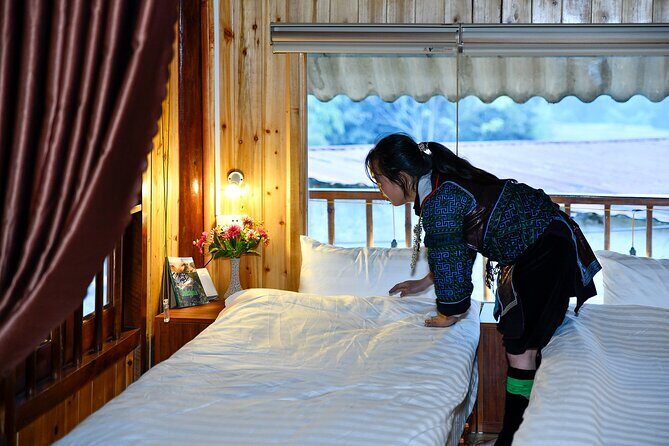
- Homestays in Ta Van and Giang Ta Chai: Two nights where meals and family hospitality are part of the deal.
- Village-to-village walking: Paths connect communities like Y Linh Ho, Ta Van, Giang Ta Chai, Su Pan, and Hau Thao.
- Pickup and round-trip transport included: A/c bus from Hanoi to Sapa and back, plus van transfers during the day.
- Small group size (max 15): Easier pacing, less crowding on narrow footpaths.
- Meals included for full days: 2 breakfasts, 3 lunches, and 2 dinners, so you’re not hunting food between walks.
Why This 3-Day Sapa Trek Feels Like Real Mountain Life
This tour is less about ticking off one big attraction and more about spending three days in the rhythm of northern Vietnam’s hill country. You get the morning air, the long walk hours, and then the evening routine of eating what your hosts cook. That mix is what turns Sapa from a weekend destination into something closer to daily life.
The homestay setup matters. You sleep in Ta Van one night and Giang Ta Chai another night, so you’re not constantly relocating beds. Instead, you get time to settle in, eat with the family, and see how a village evening feels once the day’s walking is done. Several people also mention the comforts you might not expect on a trek—comfortable beds and even proper hot shower setups at some homestays.
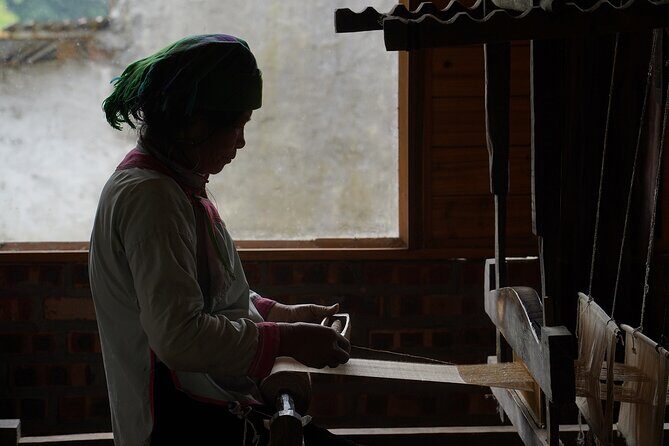
Cultural learning is part of the route too, especially around the villages tied to ethnic groups like the Black H’mong in Y Linh Ho and the Red Dzao (spelled that way in the tour notes) in Giang Ta Chai. The practical value here is simple: you’re not learning from a brochure. You’re seeing people’s homes and daily patterns while you walk from one community to the next.
You can also read our reviews of more hiking tours in Hanoi



Price and Value: What $98.74 Actually Covers
At $98.74 per person, the price looks low for a three-day package in an area like Sapa—especially once you count what’s included. You’re paying for:
- Round-trip air-conditioned bus from Hanoi to Sapa (with two short breaks)
- Van transfers that move you from town to trail areas
- English-speaking local guide
- 2 nights in homestays
- All fees and taxes
- Meals: 2 breakfasts, 3 lunches, 2 dinners
- Insurance during bus travel
That’s the core value: transport plus food plus lodging plus a guide. If you tried to DIY the same basic shape—bus timing, getting into villages, arranging homestays, and guiding yourself—you’d likely spend more time coordinating than hiking.
What’s not included is also important. Drinks and tips are on you, and there’s a $20 single room surcharge if you need your own room. If you’re fine sharing, you’ll usually get the better value.
One more practical point: this tour is designed for moderate physical fitness. That means you should expect uneven ground and long stretches of walking. If you’re planning on taking lots of photos but want zero effort, this route may feel long on your legs.
Getting From Hanoi to Sapa: The 6:30 Departure Factor

Your day begins early. You’re told to be ready at 6:30 am in the Old Quarter hotel area so the bus can pick you up. That start matters because you lose less time to waiting and you arrive in Sapa with daylight to work with.
The bus ride is listed at about 8 hours, leaving Hanoi around 7:00 am. You’ll get countryside views along the way, plus two short breaks for stretching and bathroom stops. The goal is to reach Sapa at around 13:00, then transfer by van into the trekking zone for the afternoon start.
About the ride: the tour advertises a comfortable a/c bus, and for most people the timing is the main tradeoff. Still, comfort can vary on long roads, so pack like you might be on a bus for most of a workday. Bring a layer for cool air conditioning, and consider simple snacks if you’re sensitive to meal timing (though the tour includes lunch during the itinerary).
If your idea of a vacation includes sleeping in, this one will feel like work on Day 1. But the payoff is that you’re hiking while other people are still waking up in Sapa.
Day 1: Y Linh Ho to Ta Van Through Black H’mong Fields
Day 1 is where the trek energy starts. After arriving in Sapa around 1 pm, you begin trekking at 14:30 from Y Linh Ho, a village associated with the Black H’mong community.
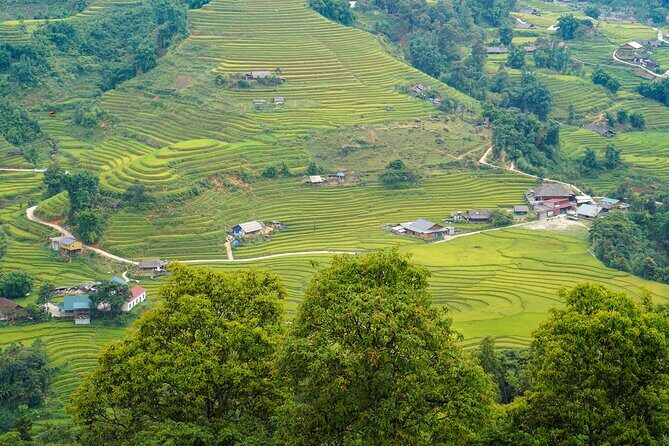
What makes this first walking block special is that it’s an introduction to the way the villages sit in the mountains. You start by moving through fields and then follow narrow paths that gradually make you feel like you’re inside the village geography, not looking at it from a distance. The trek is listed as about 2 hours for Y Linh Ho.
Then you continue toward Ta Van. The itinerary notes Lao Chai as a learning stop in between, and the route description emphasizes narrow paths through fields—exactly the kind of walking that slows you down just enough to notice things. You’ll have chances to pause, take photos, and talk with your guide about what you’re seeing.
End-of-day logistics are important too. Your first homestay night is in Ta Van, which means you’re not doing a long transfer again once you arrive. Several homestay reviews focus on practical comfort—comfortable beds, clean rooms, and warm meals after trekking. One host example includes Sapa Fantasy Homestay being run with a family-style welcome, where people describe being treated like family.
Possible Day 1 drawback: sellers. On trekking trails in this region, people can approach with products. This tour is guided, but if you want a low-drama experience, you’ll do best by staying close to the group and keeping your interactions brief and polite.
Day 2: Bamboo Forest, Waterfall, and Giang Ta Chai With the Red Dzao

Day 2 starts with a classic rhythm: breakfast first, then trekking. You’re told to say goodbye to your hosts at 9:00 am, and then you head through a bamboo forest and toward a waterfall stop before reaching Giang Ta Chai.
This is one of the most balanced walking days because it includes variety. Bamboo forest paths feel different underfoot than open fields. Waterfall stops also change the pace, since you’re naturally drawn to the sound and the cooling air.
Giang Ta Chai is associated with the Red Dzao community (spelled as provided in the tour details). The practical value of this stop is that you’re arriving with context from your previous day. By Day 2, you’re not just walking; you’re comparing how different communities live and how the terrain shapes daily life.
After visiting Giang Ta Chai, you stay the second night in the homestay there. That’s the key advantage of this tour style: you get two separate village nights, and you don’t have to rebuild your routine each evening. People mention that homestay food is a big part of the experience, with family cooking after long walking hours.
If Day 1 felt like learning the trail, Day 2 is where you start feeling the terrain. The route includes longer walking blocks, and the ground can be slippery if weather turns. Plan to take it slow on footpaths and let the guide set the rhythm.
You can also read our reviews of more tours and experiences in Hanoi



Day 3: Su Pan and Hau Thao Viewpoints, Then Back to Sapa
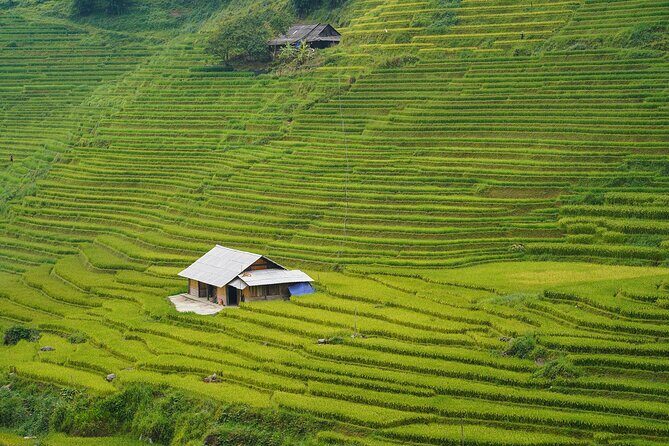
Day 3 is shorter on the timetable, but you’re still walking. You wake up at 8:00 am, enjoy the fresh morning air, and have breakfast with village sounds around you. Then you leave your hosts at 9:00 am and trek toward Su Pan village.
Su Pan is followed by a viewpoint-focused stop. At 11:00, the itinerary lists Hau Thao as a place to see the best view. This timing helps: late morning usually gives you enough light to enjoy the scenery, and you’re far enough into the trek to feel you’ve earned the viewpoint.
Then it’s back to town. Around 13:00–13:30, a car picks you up and you return to Sapa. You get downtime to relax at Sapa House Hotel before the afternoon bus heads back to Hanoi.
That built-in relaxation is more than convenience. It reduces the chance you end the trip exhausted. By the time the long road ride back starts, you’ve already eaten, used facilities, and had a chance to reset.
If you’re someone who wants the trek to end with a big payoff, the Hau Thao timing is your moment. If you’re sensitive to long travel, it also helps that you’re not dealing with another evening homestay switch after the viewpoint.
Homestays in Ta Van and Giang Ta Chai: Food, Beds, and Family Hospitality
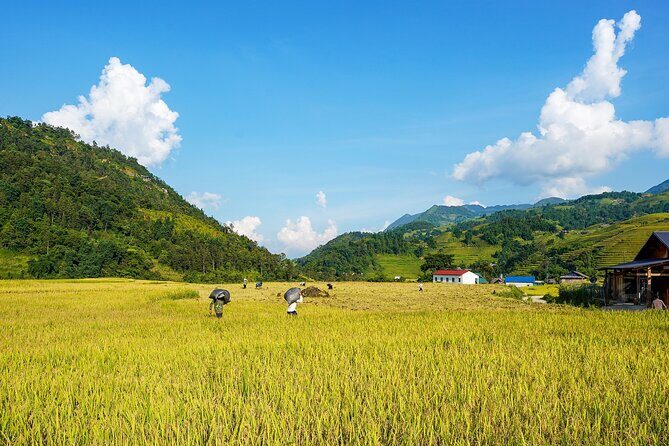
The homestays are a major reason to choose this specific trek. In the feedback you’ll find a pattern: people loved the people, then loved the food, then noticed the practical comforts. That combo matters because Sapa treks can be rough if your lodging is basic.
Across multiple homestay-related accounts, you’ll see mentions of:
- Comfortable beds
- Clean facilities
- Hot showers at some stays
- Hosts who help you plan and answer questions
- Family-style evenings, sometimes with friendly games and conversation
There are also specific host names that pop up. For example, one stay is described with Chin and Cha as the owners (at Sapa Fantasy Homestay), and another mentions Chinh (same property name variations) taking a guest by motorbike to a nearby cascade for a swim. Another family mentioned in feedback is the Song family, praised for welcoming hospitality and excellent food.
What you should take from this, even if your homestay experience varies: you’re not just buying a bed. You’re buying a chance to eat with a family and see how the village day wraps up. Your meals are included—2 dinners across the tour—so you’re not deciding where to eat after a long hike.
Do keep expectations practical. Homestays are homestays. The comfort level can depend on the exact family and season. Still, the presence of hot shower and comfortable beds in multiple mentions suggests you’re unlikely to be stuck in total hardship.
Guides, Group Size, and Staying Together on Narrow Paths
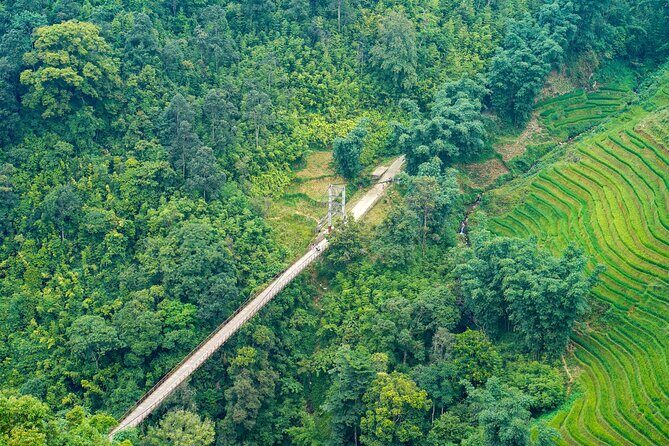
This tour caps groups at 15 travelers, which is the sweet spot for walking. On village paths, fewer people means less congestion and less chaos when the trail narrows or terrain changes. It also helps your guide manage pacing and keep everyone together.
You’ll have an English-speaking local guide. That’s important in Sapa, because the meaning of what you’re seeing often comes from small explanations. You’ll likely get guidance on what to expect on the next section of trail and context around the villages you pass.
Still, not every part of the trip depends on the guide. Sellers can approach hikers in trekking areas. Even with a guide, you may encounter that kind of pressure. The best way to reduce stress is to set your own boundaries early: short answers, stay moving, and don’t let conversations slow the whole group.
One more tip: bring a flexible mindset. Even when the guide is good, transport and logistics in mountain regions can get messy. If you’re prone to irritation when things run slightly off-time, this style of tour can be a little frustrating. If you’re calm and ready to go with the flow, it becomes easier to enjoy the walking and the village nights.
Packing and Smart Timing for a Moderate-Fitness Trek
You should treat this as a serious walking plan. It’s not listed as extreme, but it does say you need moderate physical fitness. That usually translates into long walking blocks, uneven surfaces, and the kind of leg fatigue that makes Day 3 feel earned.
Based on what’s built into the schedule, here’s what you’ll want to plan for:
- Long days of walking: You start Day 1 trekking in the mid-afternoon and still arrive for a homestay night.
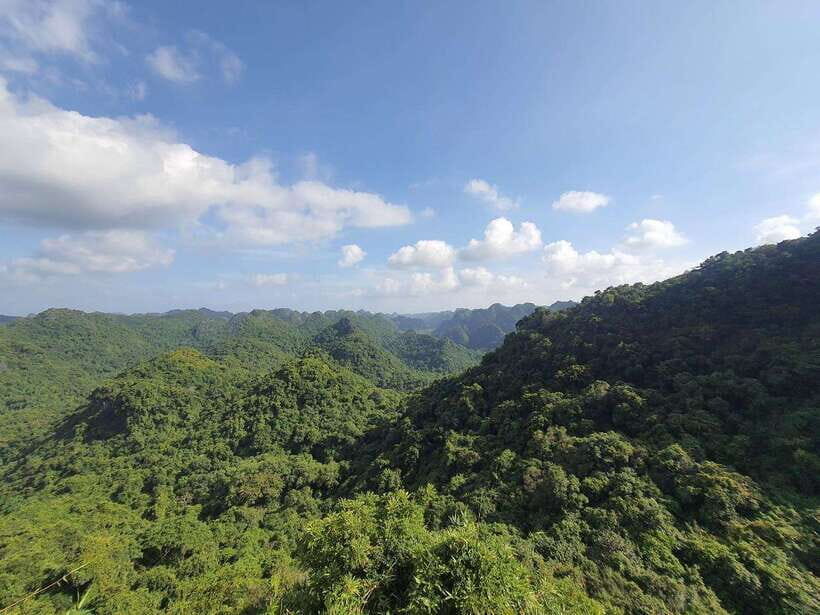
- Terrain variety: Fields, narrow paths, bamboo forest, and a waterfall area mean different footing.
- Weather dependence: The tour notes it requires good weather, and in poor weather it may switch dates or refund.
Practical clothing beats fashion here. Wear shoes you trust on dirt and steps. Bring a light rain layer if the forecast looks iffy, and pack something warm for the bus since A/C can cool things down fast. A small daypack is useful for water and layers during the trek windows.
Also, remember drinks aren’t included. You’ll want to budget for that if you’re a frequent sipper on the trail. And if you plan to tip, do it in a way that makes sense for the guide and the homestay context—tips are listed as not included.
Should You Book This Sapa Trekking Tour?
I’d recommend this tour if you want three days that focus on walking between ethnic villages and sleeping in Ta Van plus Giang Ta Chai homestays. The package value is strong because it bundles transport, guide time, and nearly all meals. It’s also a good fit if you like meeting families and eating what’s made for you, not just grabbing a snack and moving on.
I’d think twice if you’re very picky about transport comfort or you strongly dislike any chance of dealing with sellers on trails. Also, if early mornings make you cranky, the 6:30 start will test you on Day 1.
If you go in with realistic expectations—moderate fitness, a small group pace, and flexibility for mountain travel—this can be one of the more grounded ways to see Sapa beyond the main town circuit.
FAQ
How long is the Sapa Trekking 3 Days 2 Nights tour?
It runs for 3 days (about 3 days total), with 2 nights in homestays and trekking on each day.
Where does the tour start in Hanoi?
The start is at 6:30 am, with pickup from the Old Quarter area hotel lobby.
How do you get from Hanoi to Sapa and back?
You take a comfortable air-conditioned bus from Hanoi to Sapa and back. The schedule includes short breaks during the drive.
Which villages do you visit during the trek?
The trek includes Y Linh Ho, Ta Van, Giang Ta Chai, Su Pan, and Hau Thao.
Where are the homestay nights?
You stay 2 nights at homestays in Ta Van village and Giang Ta Chai village.
What meals are included?
The tour includes 2 breakfasts, 3 lunches, and 2 dinners.
Is there an English-speaking guide?
Yes, the tour includes an English-speaking local guide.
What group size should I expect?
The maximum group size is 15 travelers.
What if the weather is bad?
The tour requires good weather. If it’s canceled due to poor weather, you’ll be offered a different date or a full refund.