REVIEW · HANOI
Sapa 2-Day Trekking Tour – Explore Villages & Scenic Trails
Book on GetYourGuide →Operated by Cat ba memories · Bookable on GetYourGuide
Sapa feels small when your trail starts. This 2-day, 1-night trek gives you a real choice of routes, either the more cultural Tả Van side or the quieter, remote Hầu Thào option. I like the small-group feel, where you can actually ask questions and slow down when the views demand it. I also love how much care goes into the homestay dinner and meals, including handling dietary needs with care from guides like Sung. One drawback to plan for: it’s a moderate hike (10–14 km per day), and in wet months the paths can get muddy fast.
What makes this tour practical is the way it’s structured around day-to-day village life. You start from the Sapa area (the meeting setup is about 1 km from town at Sapa TT Homestay), walk through Muong Hoa Valley stops like Y Linh Ho and Lao Chai, then spend the night with a host family before returning through bamboo and waterfall country to Giang Ta Chai. If you have knee issues, back trouble, or hate being out in the weather, take that seriously before you book. The start time is 9:00 AM, so build in time to check in, store big bags, and get a quick trek briefing.
In This Review
- Choosing Tả Van vs Hầu Thào: how the trek changes
- Key things that matter on this 2-day Sapa trek
- Day 1 from Sapa: Y Linh Ho and Lao Chai before you reach the villages
- Where you’ll end Day 1
- Overnight homestay: what “1 night in a village” really means
- Dietary needs: an important plus
- A note on souvenirs
- Day 2 through bamboo, a suspension bridge, and Giang Ta Chai
- Waterfall time and a practical tip
- Pace, difficulty, and knee-friendly reality checks
- Rainy season: why shoes matter more than bravado
- Guides and group size: why the human part is strong
- Route adjustments happen
- English support
- Food and the drinks you still need to budget
- Price and value for $58 per person
- A quick inclusions confusion you should double-check
- What to pack for a smoother Sapa experience
- Who should book this trek, and who should skip it
- Should you book this 2-day Sapa trek?
- FAQ
- How long is the trek and how many nights?
- What time does the trek start?
- How far do I hike each day?
- What routes can I choose?
- What meals are included?
- Where do I sleep?
- Who should not book this tour?
Choosing Tả Van vs Hầu Thào: how the trek changes
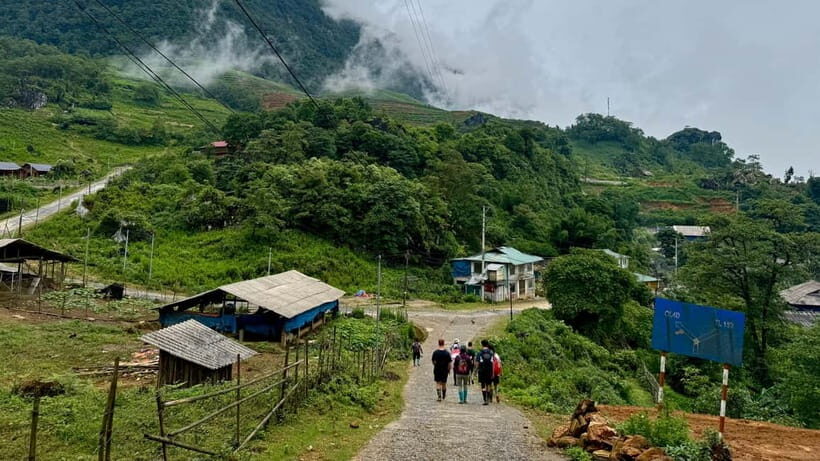
You’re not just picking a direction. You’re picking a mood.
Tả Van route (cultural immersion, usually easier going)
- You’ll pass the classic stops around Muong Hoa Valley such as Y Linh Ho and Lao Chai.
- The hiking tends to feel more gentle, with shorter distances and more time for photos and breaks.
- You stay overnight in a Dzay homestay area, and the vibe is community-focused.
Hầu Thào route (remote beauty, more adventure)
- You follow a similar start, then continue deeper toward Hầu Thào, where you’ll feel more off-the-beaten-path.
- Expect longer distances and narrower trails, with dramatic mountain views.
- You’ll have dinner with a Black Hmong family, which is the kind of moment that makes the whole trip feel less like sightseeing and more like being a temporary part of village life.
If you want a calmer trek with strong culture and rice-terrace views, go Tả Van. If you want fewer crowds and more mountain grit, go Hầu Thào.
Key things that matter on this 2-day Sapa trek
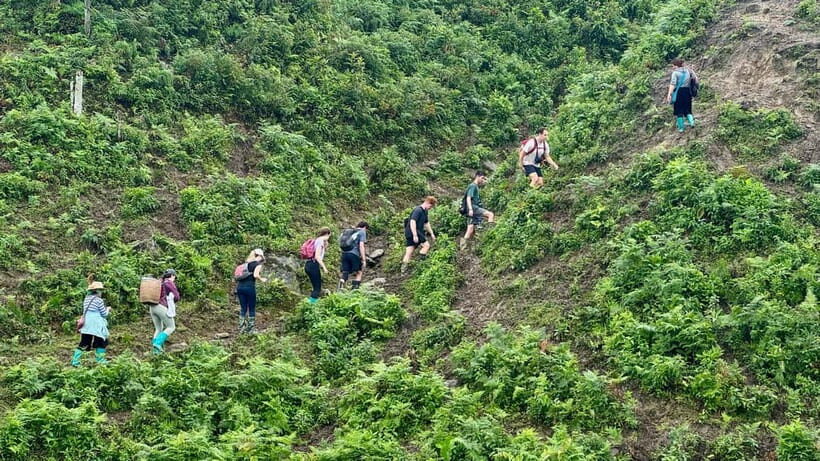
- Two route options: Tả Van for cultural focus, Hầu Thào for remote, more adventurous trails
- Small groups: some departures run as tiny as about 5 people, so pacing feels human
- Village names you’ll remember: Y Linh Ho, Lao Chai, Ta Van, and Giang Ta Chai
- Homestay meals are a big part: traditional Vietnamese food is included, with vegetarian/vegan options
- Guides adjust in real time: routes can be tweaked to help people who need an easier pace
- Mud is real in rainy season: May–Sept can mean slippery, wet sections
You can also read our reviews of more hiking tours in Hanoi



Day 1 from Sapa: Y Linh Ho and Lao Chai before you reach the villages
The day starts early enough that you won’t waste daylight. The trek typically begins at 9:00 AM from Sapa Town, and you should arrive 15–30 minutes early to check in at the meeting point area (Sapa TT Homestay, about 1 km from the center). That buffer matters because big bags can be stored and you’ll want your small daypack ready.
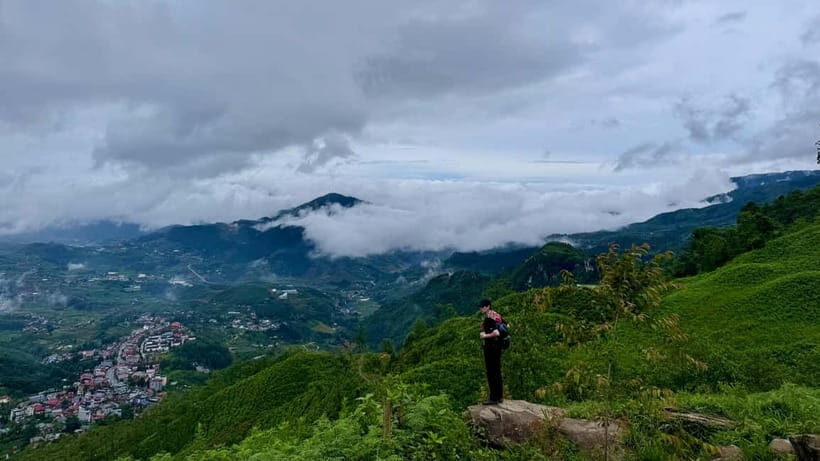
You’ll walk from Sapa into Muong Hoa Valley, and the early village stops are where the trip turns from “hike” into “Sapa.” Y Linh Ho and Lao Chai are known for village life you can see up close: colorful ethnic clothing, everyday work, and crafts that feel tied to the land rather than to a performance.
Lunch is a key moment here. One reason this trek scores well is the way lunch lines up with the scenery—meaning you’re not eating in a hurry. You’ll get a midday break with terrace views before continuing on to where you’ll sleep for the night.
Where you’ll end Day 1
- If you chose Tả Van, you’ll arrive and stay overnight in a Dzay homestay area. You can expect traditional dinner and a calmer evening rhythm.
- If you chose Hầu Thào, you’ll keep moving toward the more remote village area. Dinner is shared with a Black Hmong family, with a feel that’s more intimate and less touristy.
Overnight homestay: what “1 night in a village” really means
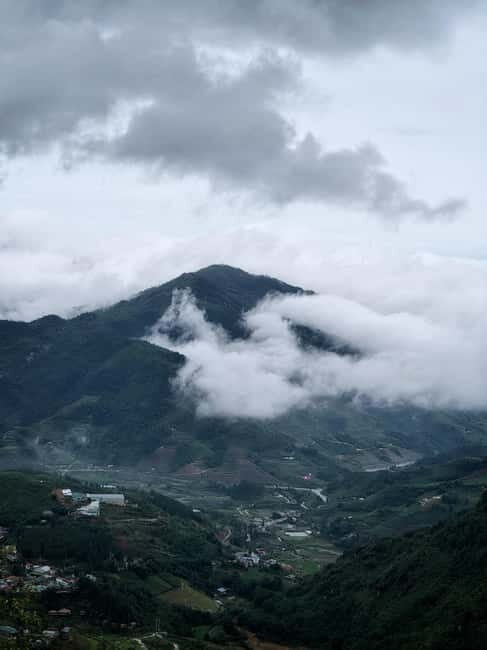
This is the part that sticks with people. Not because it’s fancy, but because it’s real enough to feel different from hotel travel.
You stay in a homestay for 1 night, in a private room. That matters: you’ll get real rest after 10–14 km of hiking, and you won’t feel like you’re sharing the whole experience with strangers in a dorm setup. Meals are included during the trek portion, and they’re Vietnamese dishes made with local ingredients.
What you should look for (and ask about) is how the host family experience is handled. Some homestays lean into conversation—other times it can be quieter depending on the family and the day. Either way, you’ll likely sit down to dinner and breakfast that feel tied to the village calendar.
Dietary needs: an important plus
If you have allergies, this is not a small detail. In this tour setup, guides have been able to handle dietary care by checking with the host families. Sung is one of the guide names linked to careful allergy management—double-checking so you’re not stuck guessing what’s safe.
You can also read our reviews of more tours and experiences in Hanoi
- Doris Cruise 5 star cruise 2 days visiting Halong Bay Lan Ha Bay private balcony
★ 5.0 · 2,338 reviews





A note on souvenirs
At various points, local women may work alongside you and you might be offered handmade crafts. If someone helps you during a tricky crossing, a small purchase is usually framed as part of the relationship, not a random sales push. If you’d rather keep it simple, you can still be respectful without buying—just don’t be surprised if you’re invited to browse.
Day 2 through bamboo, a suspension bridge, and Giang Ta Chai
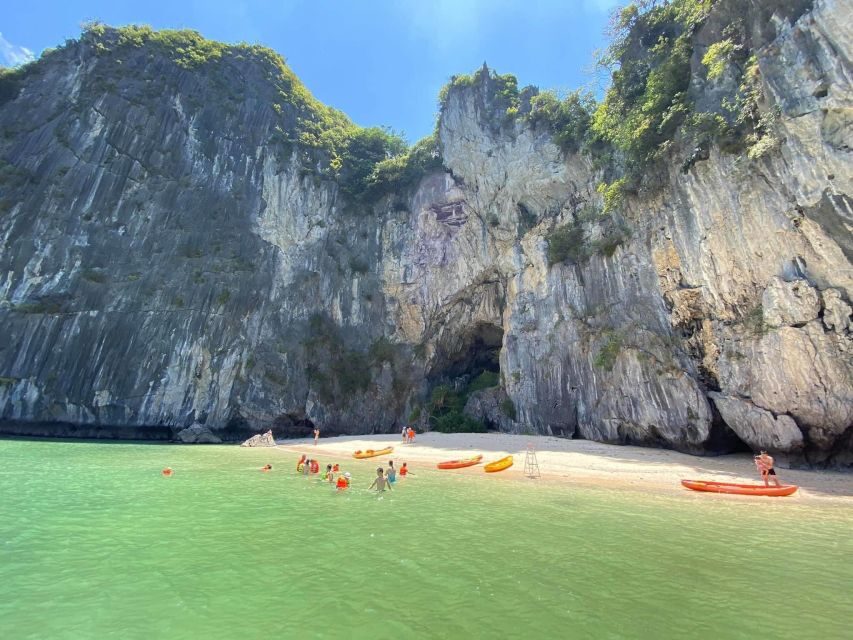
Day 2 is where the trek adds spice. You won’t just repeat yesterday’s scenery—you’ll switch textures.
After breakfast, you’ll cross a suspension bridge and continue trekking through bamboo forests. This is the stretch that tends to feel both calming and cinematic: bamboo walls, narrower paths, and occasional moments where the valley opens up behind you.
The destination is Giang Ta Chai, a Red Dao village by a waterfall. That waterfall area is one reason this day feels like a reward. It’s not only about views; it’s also about arriving somewhere that’s not built for crowds.
Lunch happens before you return to Sapa. After lunch, your driver takes you back, and the activity ends back near the meeting point setup in Sapa.
Waterfall time and a practical tip
Some trekkers mention being able to cool off near a nearby waterfall stop. If you’re the type who likes a quick dip when the moment appears, pack a swimsuit and something to cover up with afterward. If you won’t use it, no harm—Sapa weather and walking plans can be unpredictable.
Pace, difficulty, and knee-friendly reality checks
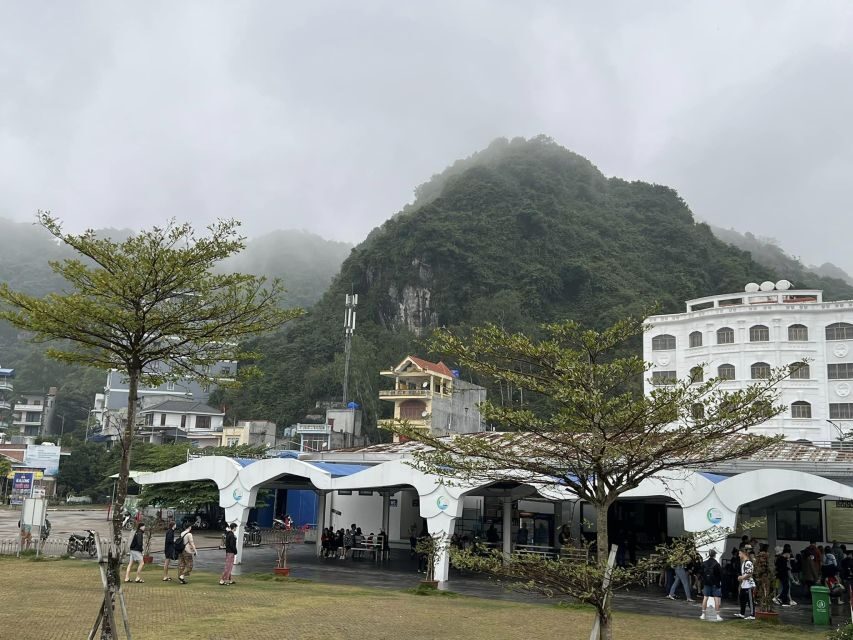
This is listed as moderate difficulty with 10–14 km per day. That’s not a marathon, but it’s also not a casual walk in the park.
Here’s how to think about it:
- If you can comfortably walk 4–5 hours with breaks, you’ll likely do fine.
- If your knees hate downhill steps, bring caution. One person noted the trek could be tough for knee issues, even though the distances are manageable overall.
- Start-to-finish timing matters. Day 1 can feel shorter than Day 2 in some people’s schedules, but weather and trail conditions can flip that.
Rainy season: why shoes matter more than bravado
The trek runs year-round, but May–Sept can mean muddy trails. In that case, bring proper hiking shoes (not just sneakers) and consider long pants so you’re not constantly dealing with wet plants and splashes. If you’re prone to slipping, add extra care at every uneven section—this is not the day to test new shoes.
Guides and group size: why the human part is strong
This tour is built around local guides who know where to go and what to skip. Names that come up include Mao, Thao, Tung, Gom, Su, Ai, Chai, and Su Su. Across them, the thread is consistency: they communicate clearly, keep the group together, and explain what you’re seeing in a way that feels grounded.
Route adjustments happen
A big practical benefit of good guides: when someone needs an easier path, the group can sometimes adjust the route rather than just forcing everyone to suffer. One guide, Mao, was noted for inclusive pacing, and another guide was described as modifying the route for comfort.
English support
English is supported on this tour. That’s a big deal when you want to understand village life beyond quick photo stops.
Food and the drinks you still need to budget

Meals are included during the trek portion: 2 lunches, 1 dinner, and 1 breakfast, with vegetarian/vegan available. The food is Vietnamese dishes made with local ingredients, so it tends to taste fresh and seasonal rather than generic tour food.
What’s not included is simple: drinks for lunch and dinner. Plan to bring or buy water along the way, especially because you’ll be walking in changing Sapa weather.
Price and value for $58 per person
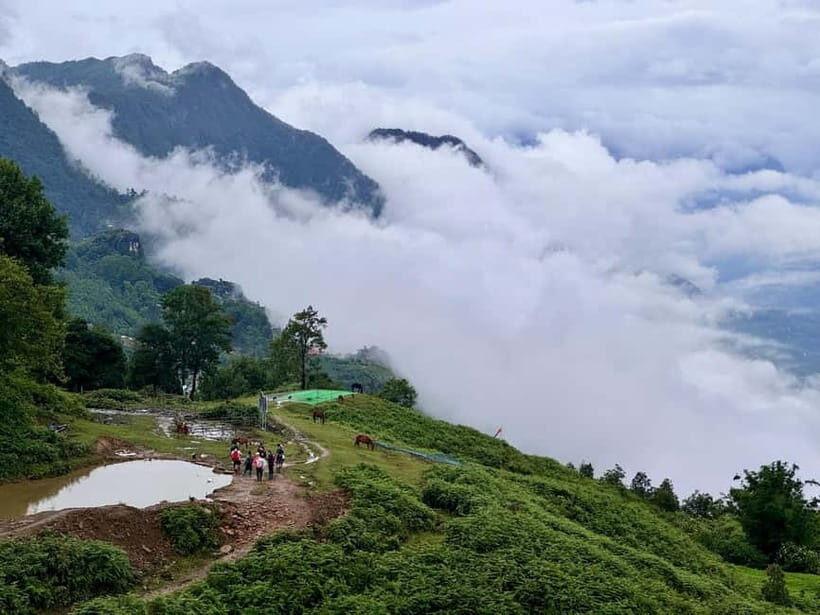
$58 can sound low for a 2-day trek with guides, meals, and a homestay—but the value depends on what you personally care about.
Here’s what you’re paying for, in practical terms:
- Local guide support for routing, safety on trails, and explanations
- Homestay night with a private room
- Included meals (and care for vegetarian/vegan needs, plus allergy handling in some cases)
- Transport to and from the Sapa trek area on Day 2
- Sightseeing tickets needed (for the included stops)
The main tradeoff is that this is not luxury travel. You’ll have comfort through a private homestay room and decent organization, but it’s still a hiking-and-village trip. If you want soft landings all the time, you may find the moderate walking and weather a little demanding.
A quick inclusions confusion you should double-check

One thing I’d flag before you commit: the inclusions list mentions Hanoi to Cat Ba transfers, an overnight homestay on Cat Ba island, and a day cruise to Lan Ha Bay and Ha Long Bay with kayak rentals and a cruise guide.
But the trek experience described here is in Sapa (Tả Van or Hầu Thào villages). So before you book, I’d confirm exactly what’s included for your exact dates: is this a combined package, or is the trek portion separate from the Cat Ba/Ha Long Bay items?
This matters because your money and time are only worth it if the itinerary matches what you think you’re booking.
What to pack for a smoother Sapa experience
Use the packing list as a baseline and upgrade where you need comfort.
Bring:
- Comfortable shoes with good grip
- Water and a simple water bottle
- Sun hat and sunglasses (Sapa can get bright even when the air is cool)
- Long pants to deal with trail brush and wet sections
- Change of clothes for the homestay night
- Insect repellent
- Rain jacket (or a real rain layer), especially in rainy months
Optional but smart:
- Swimsuit if you like cooling off at waterfalls
- A small daypack (big bags can be stored)
Who should book this trek, and who should skip it
This works best for you if you:
- Want village life in Sapa, not just viewpoints
- Like small-group pacing and guided explanations
- Are comfortable walking 10–14 km per day
- Pick Tả Van for culture and gentler hiking, or Hầu Thào for remote trails
You should think twice if you have:
- Back problems, heart problems, mobility impairments, or knee issues
- Pregnancy
- Visual impairment needs (listed as not suitable)
- Insect allergies
- You use a wheelchair (not suitable)
If you’re traveling with a pet, it can be allowed with advance registration and a leash.
Should you book this 2-day Sapa trek?
If your idea of a great trip is walking into villages, eating real food, and sleeping close to the people whose land you’re hiking through, I’d say yes—especially if you choose the route that matches your vibe. Tả Van suits a cultural, calmer trek. Hầu Thào is for you if you want fewer crowds and more challenging terrain.
Just do two things before you commit: pack for mud and weather, and double-check what’s actually included in your specific package since the inclusions mention Cat Ba/Ha Long Bay items alongside the Sapa trek.
FAQ
How long is the trek and how many nights?
It’s a 2-day, 1-night trekking tour with an overnight homestay.
What time does the trek start?
The trek starts at 9:00 AM from Sapa Town, and you should arrive 15–30 minutes early for check-in and a briefing.
How far do I hike each day?
You should expect about 10–14 km per day.
What routes can I choose?
You can choose between Tả Van or Hầu Thào routes when booking.
What meals are included?
The tour includes 2 lunches, 1 dinner, and 1 breakfast. Vegetarian/vegan options are available.
Where do I sleep?
You stay 1 night in a homestay with a private room.
Who should not book this tour?
The tour is listed as not suitable for pregnant women, people with back problems, mobility impairments, heart problems, wheelchair users, visually impaired people, and people with insect allergies.

More Hiking & Trekking Tours in Hanoi


More Tours in Hanoi
- Ninh Binh Full-Day Tour from Hanoi to Hoa Lu, Tam Coc & Mua Cave Via Boat & Bike
★ 5.0 · 4,384 reviews