
REVIEW · HANOI
Hanoi-Sapa Trek 2 days 2 nights and Homestay with small group
Book on Viator →Operated by Crossing Vietnam Tour · Bookable on Viator
Sapa feels close enough to touch. This Hanoi-Sapa 2 days/2 nights trek with Ta Van homestay is built for first-timers who want real village life, not just a quick photo stop. I like that it keeps you in a small group (up to 9 people) so the guide can manage the pace and the logistics. One thing to plan for: the homestay is not a hotel—expect simpler facilities.
The village circuit is a big reason to book. You’ll see well-known Sapa spots like Cat Cat, plus trekking stops such as Lao Chai, Ta Van, Giang Ta Chai, and Su Pan, which helps you understand how different local communities live across the valley. I also like that the guides are English-capable and easy to work with—Zua and Khu have been mentioned for strong communication and friendly, practical guidance on the trail.
Key prep: cold weather plus homestay basics. Sapa can be chilly in many months, and it gets foggy in late-year winter months, so pack warm layers and expect less comfort than you’re used to at home or in a proper Sapa hotel.
In This Review
- Key points to know before you go
- From Hanoi pickup to Sapa trekking: how this trip really works
- Why the small group matters
- The trekking route: Cat Cat, Lao Chai, Ta Van, Giang Ta Chai, and Su Pan
- Ethnic communities you’ll learn about
- The homestay in Ta Van Village: culture with real trade-offs
- How to make the homestay feel comfortable
- Day-by-day flow: what you can expect, minus the hand-waving
- Day 1: Hanoi to Sapa, then trekking into the valley villages
- Day 2: deeper trekking, then homestay night in Ta Van
- Day 3: breakfast, then finish and get back toward Hanoi
- Guide and group vibe: where the experience becomes personal
- Price and value: what you’re paying for at $139 per person
- What to pack for Sapa trekking (so the cold doesn’t ruin your fun)
- Fitness level and who this trek suits best
- FAQ
- FAQ
- What’s the duration of the Hanoi–Sapa trek?
- How big is the group?
- Is pickup from Hanoi included?
- Where do they drop you off at the end?
- What homestay is included?
- What meals are included?
- What are the main places you visit in Sapa?
- What should I bring for the weather?
- Do I need trekking shoes?
- Should I bring cash?
- Is cancellation free?
- Should you book this Hanoi–Sapa trek with Ta Van homestay?
Key points to know before you go
- Small-group pacing: max 9 travelers means less waiting around and more time with your guide.
- Ta Van homestay night: one night in Ta Van Village for a more hands-on look at daily life.
- Village-hopping trek: Cat Cat plus Lao Chai, Ta Van, Giang Ta Chai, and Su Pan stops.
- Meals included: 2 breakfasts, 2 lunches, and 1 dinner are covered, so you’re not constantly hunting food.
- Practical comfort level: good for adventure and culture, but the homestay is simpler than a hotel room in Sapa.
From Hanoi pickup to Sapa trekking: how this trip really works
This is a classic northern Vietnam style of travel: you start in Hanoi, you get transported to Sapa, and then you spend your time outside—walking between villages, eating local food, and learning how the region works on a human scale.
The tour meets in Hanoi near the Old Quarter area (Hoàn Kiếm). Pickup is offered, which helps a lot if you’re staying outside the center or you don’t want to figure out local transport after a long day. On the return side, drop-off at your exact hotel is not included. You’ll be dropped at the last stop on 160 Tran Quang Khai Street in the Old Quarter, then you’ll need to walk back or grab a taxi.
Transport is handled with a luxury limousine car round trip between Hanoi and Sapa. The big value here is mental energy: your guide handles the schedule and the ground moving parts, so you can focus on the trek and the village visits.
You can also read our reviews of more hiking tours in Hanoi



Why the small group matters
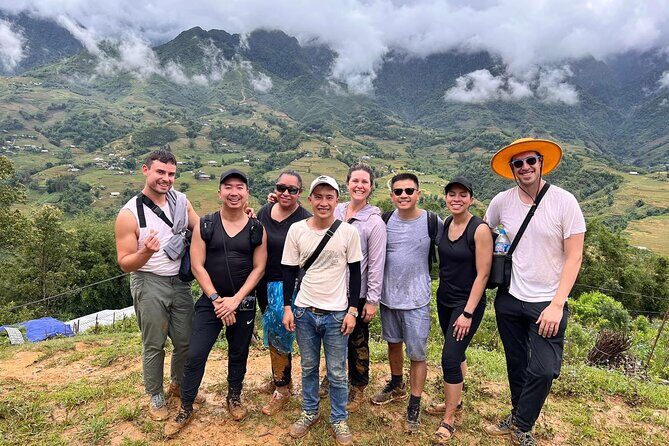
With a maximum of 9 travelers, your guide can do the unglamorous work that makes a trek feel smooth: regrouping, checking who needs a break, and steering the day so you don’t feel rushed. It also helps you ask questions. When the group is small, you’re more likely to hear the stories and practical details that connect the scenery to real life.
The trekking route: Cat Cat, Lao Chai, Ta Van, Giang Ta Chai, and Su Pan

This trip is marketed around a Sapa trek route that hits both famous and meaningful stops. You’ll see several of Sapa’s well-known areas, but the goal isn’t only sightseeing from a viewpoint. It’s walking through the farmland and between communities so you can notice how life changes from one village to the next.
Here’s what these stops mean in plain terms:
- Cat Cat: a familiar entry point for many visitors. It’s often where you first see the style of valley life and how trails connect to everyday routines.
- Lao Chai: part of the classic trekking corridor where you spend time walking through rural areas and seeing layered hillsides shaped by human work.
- Ta Van: the village where you’ll stay overnight in a homestay. This is the heart of the cultural exchange—sleeping in the community rather than just passing through.
- Giang Ta Chai and Su Pan: these names matter because they broaden the day beyond just the most over-photographed spots. You’re building a more complete picture of Sapa’s village geography.
From the trail conditions described on these kinds of walks, you should expect real hiking—not a stroll. One account notes around 10 km of walking in a day and muddy, difficult terrain in places. That doesn’t mean it’s extreme trekking, but it does mean you’ll want footwear that can handle wet ground and slopes.
Ethnic communities you’ll learn about
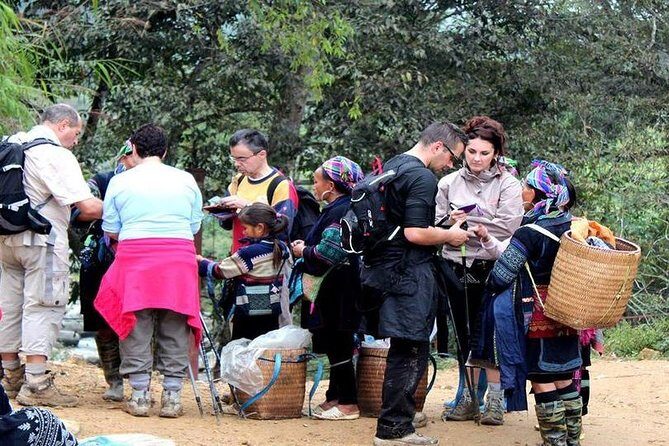
The tour includes visits to the most known ethnic groups in the region. You’ll also get moments of direct human help on the path—Hmong women have been specifically mentioned as being lovely and very helpful when terrain gets tricky. That kind of assistance is a big reason a guided trek feels safer and more rewarding than going solo.
The homestay in Ta Van Village: culture with real trade-offs
One night at a homestay in Ta Van Village is included, and it’s the part of the trip that turns a trek into a cultural experience. You’re not just looking at a rural community; you’re sharing time with it—sleeping there, eating the meal plan that’s been arranged, and absorbing the rhythms of village life.
At the same time, the tour is honest about it: homestay facilities are not like a hotel in Sapa. That’s the biggest trade-off. If you expect hotel-level comfort, you’ll probably feel disappointed. If you’re okay with simpler basics, you’ll likely see the homestay as part of the adventure rather than a compromise.
You can also read our reviews of more tours and experiences in Hanoi
- Doris Cruise 5 star cruise 2 days visiting Halong Bay Lan Ha Bay private balcony
★ 5.0 · 2,338 reviews





How to make the homestay feel comfortable
Pack with the homestay style in mind:
- Bring warm layers for evenings. Sapa is often cold in many months, and village nights can feel colder than the daytime.
- Keep your personal essentials in a small day bag so you’re not hunting for items in the dark.
- If you’re sensitive to basic facilities, use this trip as a reminder to bring patience. It’s not luxury; it’s a way to see how people live.
Day-by-day flow: what you can expect, minus the hand-waving
Exact timing can shift depending on weather and group speed, but the structure stays consistent: two full trekking days, meals included, and one overnight in Ta Van Village.
Day 1: Hanoi to Sapa, then trekking into the valley villages
You start in Hanoi with pickup options. After transport to Sapa, you’ll begin the trek toward village areas in the valley—often starting with a familiar introduction like Cat Cat and then moving on to other village areas such as Lao Chai and nearby communities.
This is where a good guide earns their keep. You’ll need help with direction, pacing, and managing the practical moments—muddy patches, uneven ground, and the small pauses needed to keep the whole group moving together.
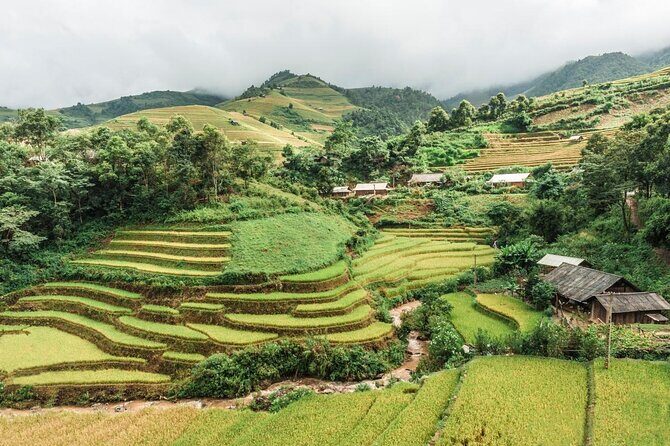
Expect a mix of walking and stops to take in views and understand how the area works. Rice terraces and hillside farming show up visually as you walk, and you’ll usually get explanations from your guide about what you’re seeing and how communities are organized across the slopes.
Day 2: deeper trekking, then homestay night in Ta Van
Day 2 is where Ta Van becomes the centerpiece. You’ll spend time trekking through additional village stops in the corridor—often including Ta Van itself and surrounding areas such as Giang Ta Chai and Su Pan depending on route conditions.
You’re not just collecting stamps. You’re building context: how homes sit, how paths connect, and how daily life is shaped by terrain. Guides such as Zua and Khu have been noted for strong communication and friendly help on difficult terrain, which is exactly what matters on a hike where the ground can change quickly.
The night ends with the homestay in Ta Van Village, included for one night. This is also where your included dinner matters. It’s part of the arranged homestay experience, so you don’t have to worry about meal hunting after a walking-heavy day.
Day 3: breakfast, then finish and get back toward Hanoi
Your schedule includes a second breakfast, and the remaining meals are covered—2 lunches and 1 dinner across the trip. After the final trekking and village stops, you’ll head back.
The end of the tour returns you to the Old Quarter area drop-off point, not a hotel-specific drop. Build a little buffer into your plans for the final leg so you’re not rushing with bags and confused directions.
Guide and group vibe: where the experience becomes personal

Small groups change the feel fast. You’re not a nameless face in a line of tourists; you’re a participant in a shared day.
Two guide names show up in accounts of this kind of trek: Zua and Khu. That’s useful because it signals something practical: the guides focus on communication and group management. English-speaking capability is included, and that matters when you want to ask about what you’re seeing—how families work the fields, why paths are where they are, or what daily routines look like from village life.
One other helpful thread: support before you even start moving. Notes mention agency staff like Lucy and Jenny being responsive with questions and helping with planning, which you’ll appreciate if you’re trying to get the right layers or you have travel-logistics concerns before departure.
Price and value: what you’re paying for at $139 per person
At $139 per person for roughly 2 days, the real question is what you’re getting beyond the trek photos.
You’re covered for:
- Round-trip luxury limousine transport between Hanoi and Sapa
- 1 night homestay in Ta Van Village
- All meals as listed (2 breakfasts, 2 lunches, 1 dinner)
- Sightseeing fees, tax, and service charges
- Local English-speaking guide
That package matters because most of those costs are exactly what add up if you try to piece it together yourself: guide time, entrance/sightseeing fees, meals, and the friction of coordinating transport.
This is good value if you want less DIY stress and more time walking and learning. It’s less ideal if you’re the type who hates group schedules or you want total hotel comfort. In that case, you might prefer a private setup, even if it costs more.
What to pack for Sapa trekking (so the cold doesn’t ruin your fun)
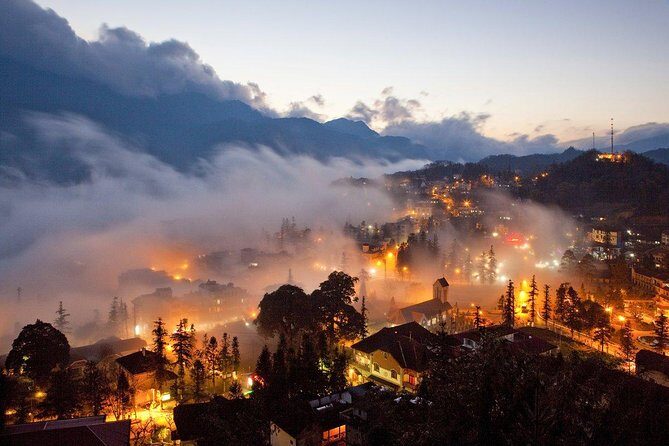
Sapa weather can be unpredictable, and the tour advice is straightforward: warm clothes, plus a scarf, hat or cap. In many months (including September through March), it’s typically cold. Fog also shows up in December through February in particular.
Pack for chilly wind and damp trail conditions:
- Trekking shoes (the muddy-terrain reality matters)
- Scarf, hat/cap
- Sun glasses and sunscreen
- Insect repellent
- Cash in Vietnamese dong, since banking can be unreliable in Sapa
US dollars and euros are accepted in Sapa, but it’s smart to have dong too, especially for smaller purchases.
Also, bring basic medicine. There are chemist shops in Sapa, but it’s still better to have your essentials already packed.
Fitness level and who this trek suits best

Most travelers can participate. Still, you’re walking on uneven ground, sometimes muddy, with daily distance that can reach about 10 km in at least some cases. If you can handle uphill sections and you’re comfortable walking for several hours, you’ll fit the plan well.
This trek suits:
- First-time visitors to northern Vietnam who want culture and countryside in one package
- People who like small groups and guided explanations
- Travelers who are okay with a homestay-style comfort level in exchange for a more human experience
It’s less suitable if:
- You need hotel-level comfort every night
- You hate walking on uneven or muddy surfaces
FAQ
FAQ
What’s the duration of the Hanoi–Sapa trek?
The tour is listed as 2 days (approximately). It includes 2 days of activities and 2 nights total travel and stays, with 1 night at a homestay in Ta Van Village.
How big is the group?
The group is limited to a maximum of 9 travelers.
Is pickup from Hanoi included?
Pickup is offered. The meeting point in Hanoi is Hoàn Kiếm, Hanoi, Vietnam.
Where do they drop you off at the end?
Drop-off at your hotel is not included. You will be dropped at the last stop at 160 Tran Quang Khai Street in the Old Quarter area, and you can take a taxi or walk back.
What homestay is included?
You get 1 night at a homestay in Ta Van Village.
What meals are included?
The tour includes 2 breakfasts, 2 lunches, and 1 dinner, as mentioned on the itinerary.
What are the main places you visit in Sapa?
You’ll see Cat Cat, Lao Chai, Ta Van, Giang Ta Chai, and Su Pan.
What should I bring for the weather?
Bring warm clothes plus a scarf and hat/cap. Sapa is often cold in many months, and fog can happen in December, January, February, and March.
Do I need trekking shoes?
Yes. Trekking shoes are recommended along with sunglasses, sun cream, and insect repellent.
Should I bring cash?
Yes. You should take cash in Vietnamese dong because banking systems in Sapa sometimes don’t function well. US dollars, euros, and Australia dollars are accepted in Sapa.
Is cancellation free?
Free cancellation is allowed. You can cancel up to 24 hours in advance for a full refund.
Should you book this Hanoi–Sapa trek with Ta Van homestay?
If your priority is real village life, manageable group size, and a trek that includes both famous Sapa stops and additional village areas, this is a strong choice. The included guide, meals, and transport do a lot of the heavy lifting for you.
If you’re expecting a hotel-style experience every step of the way, be cautious. The homestay is part of the deal, and the tour clearly warns that homestay facilities are not like Sapa hotels.
For most people, it comes down to one decision: do you want comfort, or do you want the kind of northern Vietnam experience where you wake up in the village and walk with a guide through the real terrain? If you choose the second, this tour makes a lot of sense.


More 2-Day Experiences in Hanoi
- Doris Cruise 5 star cruise 2 days visiting Halong Bay Lan Ha Bay private balcony
★ 5.0 · 2,338 reviews